


 русский
 Español
-
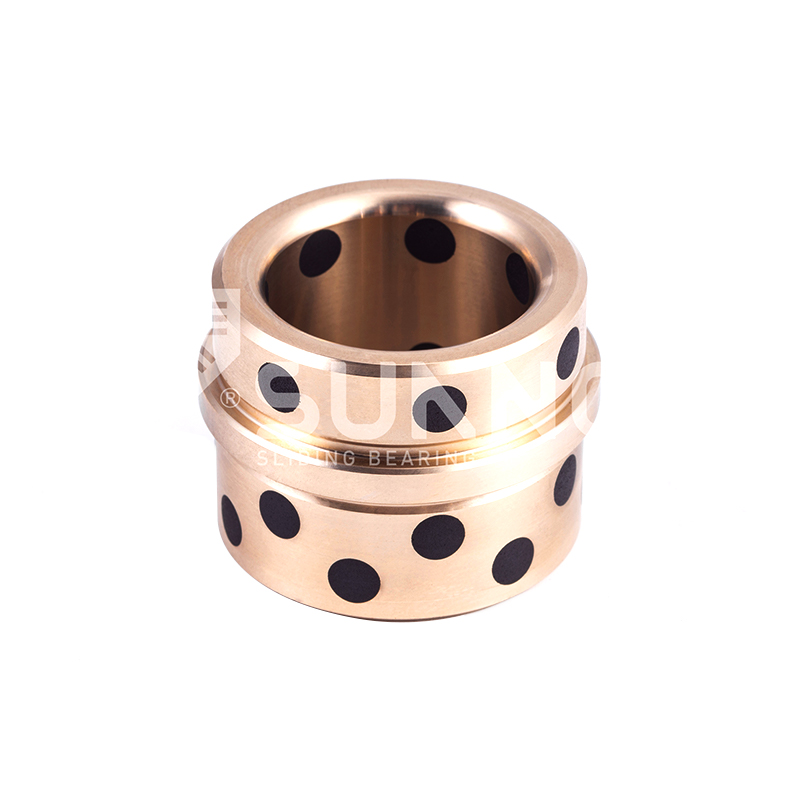
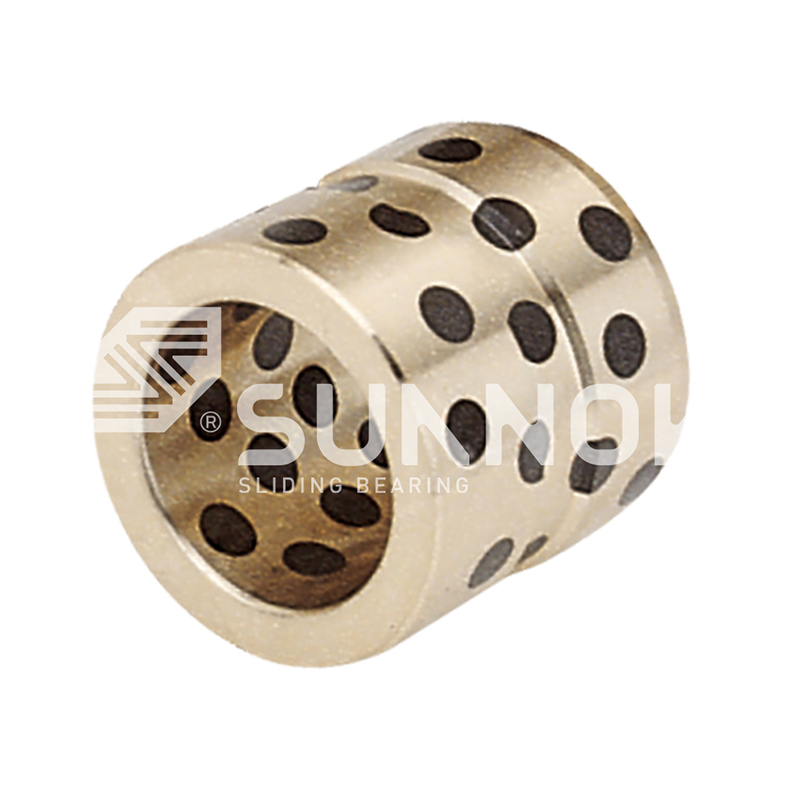 JDB Solid-lubricating Bearing High Temperature Brass JGB Oilless Ejector Guide Bearings
 -
-
-
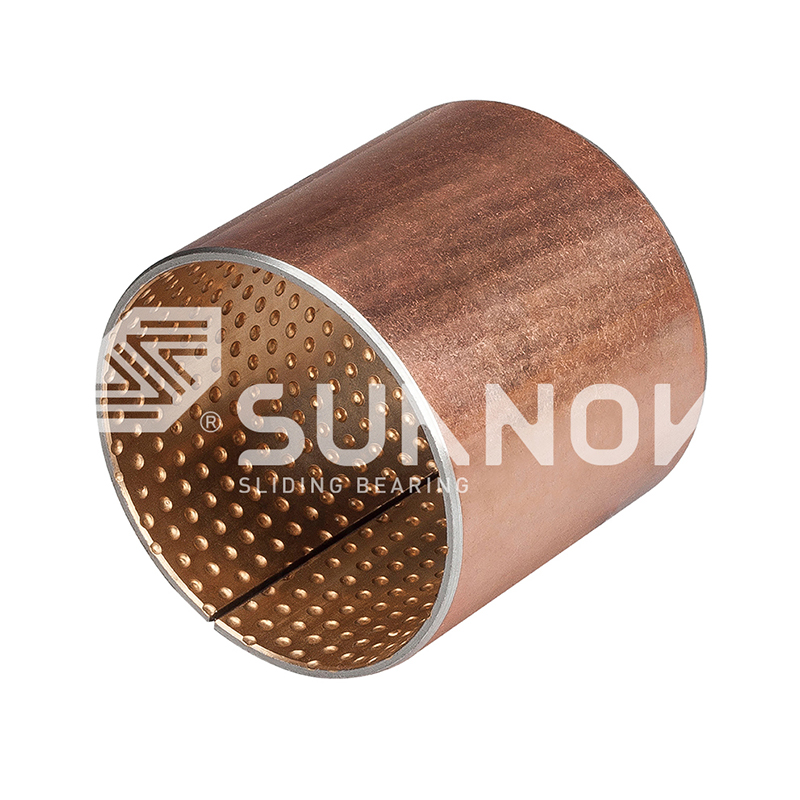
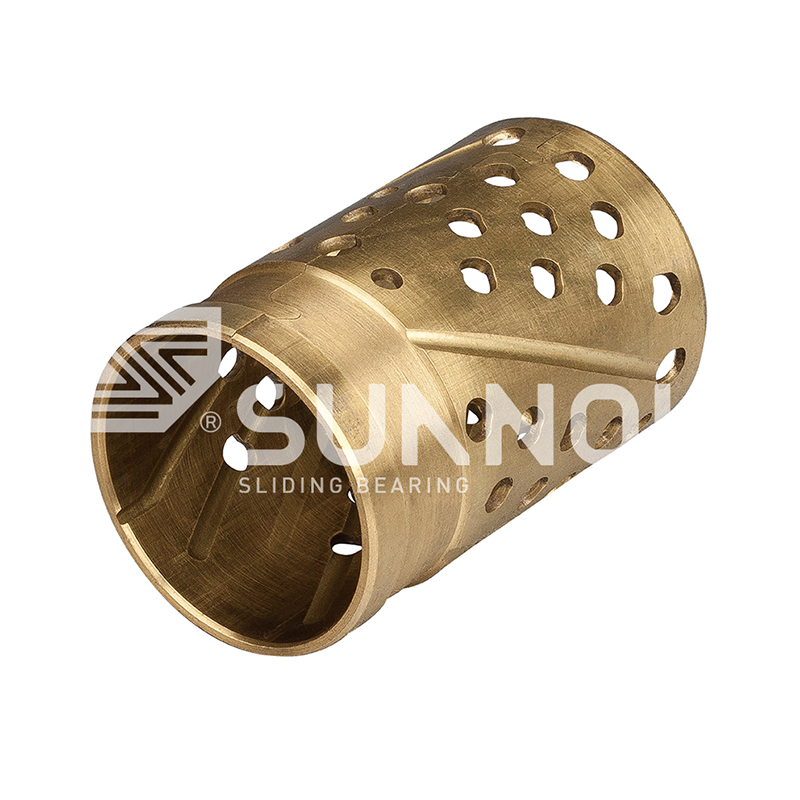 FB090 Bronze Wrapped Bearing FB091 High-Performance Copper Wrapped Bearing & Bushing | Bronze Bush
 -
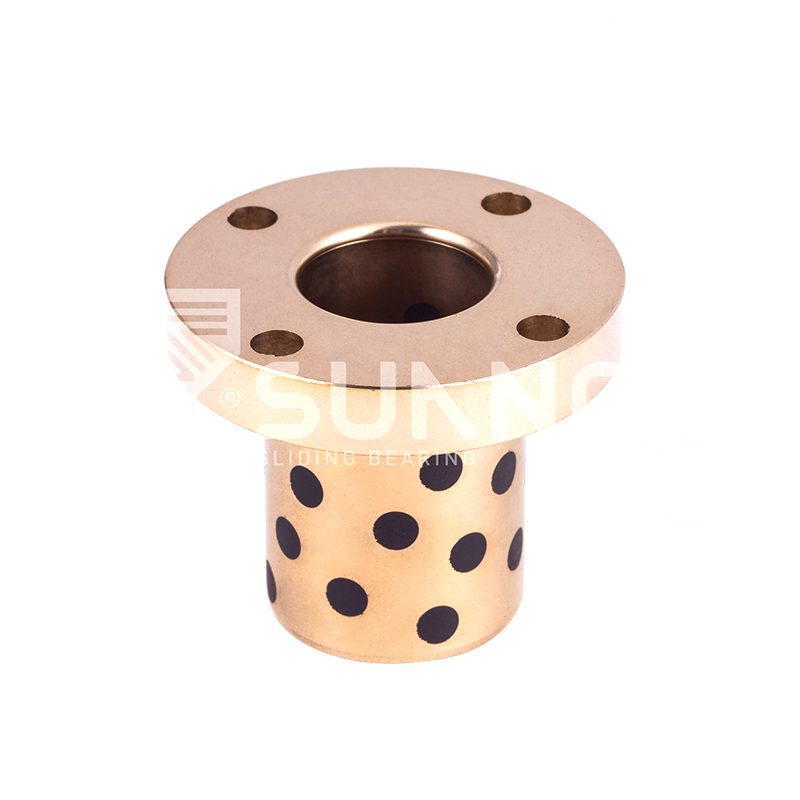 JDB Solid-lubricating Bearing JFB650 Metric Oil Free Self Lubricating Bronze Round Flanged Bearing
 -
-
-
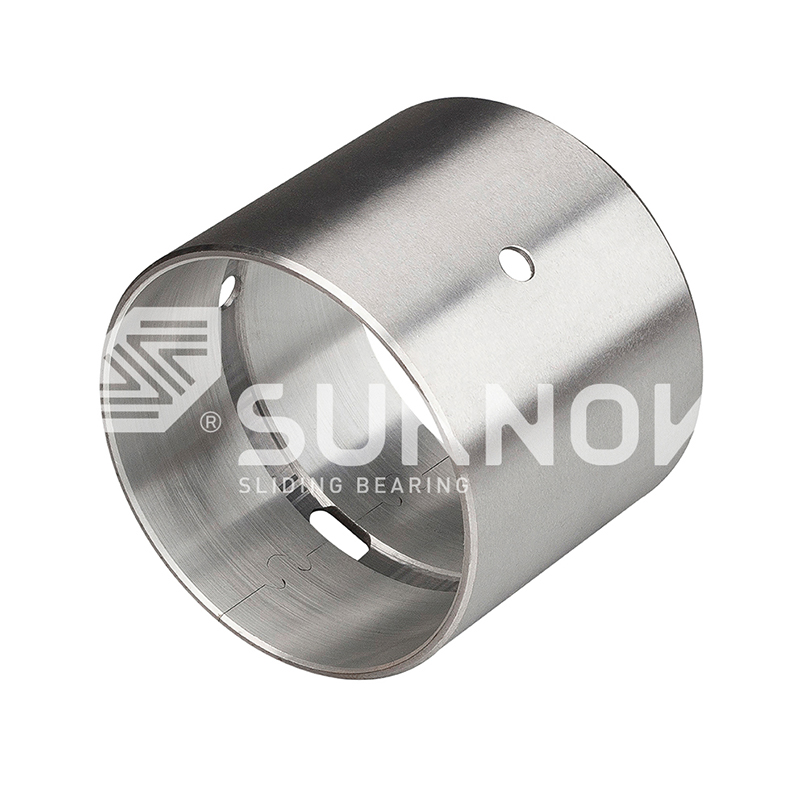 JF-800 Bi-metal Bearing JF-20 High-Performance Aluminum + Carbon Steel Alloy Bearing for Industrial Machinery
How to Choose the Correct Tolerance for Your Metric Bronze Bearings in High-Precision Applications?
Industry News-Content
- 1 1. Understanding ISO Fit Scales and Clearance Requirements
- 2 2. Impact of Material Composition and Thermal Expansion
- 3 3. Application-Specific Tolerance Customization
- 4 Conclusion: Precision from Source to Surface
- 4.1 Frequently Asked Questions (FAQ)
- 4.1.1 1. What is "ID Close-in" and how does it affect metric bronze bearings?
- 4.1.2 2. How do self-lubricating metric bronze bushings differ in tolerance needs?
- 4.1.3 3. Why is spectrometer testing important for metric bronze bearing material composition?
- 4.1.4 4. When should I choose precision machining for bronze bushings over standard cast sizes?
- 4.1.5 5. Can high load capacity metric bronze bearings handle misaligned shafts?
- 4.2 Industry References
- 4.1 Frequently Asked Questions (FAQ)
In high-precision mechanical engineering, the performance of a rotating or oscillating shaft is fundamentally limited by the fit of its support components. Selecting the appropriate tolerance for metric bronze bearings is not merely a matter of following standard tables; it requires an integrated understanding of thermal expansion, lubrication dynamics, and material science. Zhejiang Shuangnuo Bearing Technology Co., Ltd. has spent nearly a decade perfecting the production of high-end self-lubricating solutions. By utilizing centrifugal casting and continuous casting, we ensure that our metric bronze bearings maintain structural integrity from the raw material stage. With over 80 sets of advanced CNC machine tools, we provide the precision machining for bronze bushings required to meet the world's most demanding engineering standards. This guide details the critical factors in choosing tolerances for metric bronze bearings to ensure operational longevity and efficiency.
1. Understanding ISO Fit Scales and Clearance Requirements
The selection of a tolerance class—typically defined by ISO 286 standards like H7/g6 or F7/h6—is the primary determinant of the bearing's operational clearance. When comparing H7 vs F7 tolerance for bronze bearings, H7 provides a tighter fit suitable for high-load, low-speed applications, whereas F7 offers additional clearance necessary for high-speed rotation where heat generation is a concern. For those using self-lubricating metric bronze bushings, the clearance must also account for the volume of the solid lubricant inlays. A common mistake in metric bronze bearing fitment for CNC machinery is failing to account for "close-in"—the reduction of the internal diameter (ID) that occurs when a bearing is press-fitted into a housing. Using a metric bronze bearing clearance calculator or consulting with a technical team can prevent premature seizure.
Common Tolerance Classes for Metric Bearings
- Close Running Fit (H7/g6): Best for accurate location and minimal play.
- Free Running Fit (H7/f7): Ideal for high speeds and varying temperatures.
- Loose Running Fit (H8/d9): Used where precision is secondary to ease of assembly.
| Fit Requirement | Standard Bushing (Oil Lube) | Metric Bronze Bearings (Self-Lube) |
| Operating Clearance | Minimum required for oil film | Slightly larger for wear debris management |
| Installation Strategy | Standard Press Fit | Press fit with allowance for ID "close-in" |
| Tolerance Precision | ISO g6/h6 | Customizable based on inlay pattern |
2. Impact of Material Composition and Thermal Expansion
The alloy used—whether it be tin bronze, aluminum bronze, or brass—significantly impacts how the tolerance behaves under load. Different alloys have varying coefficients of thermal expansion (CTE). When choosing the best bronze alloy for metric bearings, engineers must calculate the change in clearance as the system reaches its steady-state operating temperature. Aluminum bronze, for example, offers superior strength but expands differently than standard brass. At Zhejiang Shuangnuo, we conduct spectrometer testing three times during casting to ensure metric bronze bearing material composition is exact. This metallurgical precision allows for high load capacity metric bronze bearings to maintain their specified tolerance even under extreme thermal stress. Without this control, even a perfectly machined bearing can fail if the material expands beyond the designed standard metric bearing sizes and tolerances.
Thermal Stability Sequence
- Ambient Measurement: Verify ID/OD at 20°C.
- Expansion Calculation: Apply CTE based on the specific alloy grade (e.g., ZCuAl10Fe3).
- Operating Verification: Ensure the metric bronze bearing load ratings are not compromised by clearance loss at peak heat.
3. Application-Specific Tolerance Customization
Not every application follows the "one-size-fits-all" approach of standard metric bearing sizes and tolerances. In heavy industrial equipment, custom metric bronze bearings for heavy industry often require asymmetrical tolerances to account for shaft deflection. Conversely, metric bronze bearings for high-speed shafts require a more generous "f" or "e" fit to prevent hydrodynamic film collapse. Our integrated production from casting to CNC machining allows us to provide solid inlaid self-lubricating bearing products that are tailor-made for specific environmental conditions. Whether you are dealing with a submerged marine environment or a high-heat furnace, the benefits of graphite-plugged metric bearings are maximized only when the mechanical tolerance is perfectly matched to the application's unique characteristics.
| Application Type | Typical Tolerance Goal | Advantage |
| Medical/Lab Equipment | Ultra-tight (H7) | Zero vibration and high positioning accuracy |
| Construction Machinery | Medium/Loose (E9) | Resistance to contamination and misalignment |
| Automotive Steering | Custom interference fit | Long-term precision without maintenance |
Conclusion: Precision from Source to Surface
Choosing the correct tolerance for metric bronze bearings is a critical engineering decision that bridges the gap between material science and mechanical design. By prioritizing independent casting, spectrometer-verified material composition, and advanced CNC machining, Zhejiang Shuangnuo Bearing Technology Co., Ltd. ensures that every bearing provides a professional application solution. When your project demands high load capacity metric bronze bearings with long-term precision retention, choosing a manufacturer that controls the entire process from "source to surface" is the key to achieving harmony, integrity, and success in your mechanical assemblies.
Frequently Asked Questions (FAQ)
1. What is "ID Close-in" and how does it affect metric bronze bearings?
ID Close-in occurs when a bearing is press-fitted into a housing. The housing compresses the outer diameter (OD), which in turn reduces the internal diameter (ID). Engineers must subtract this value from the initial clearance to avoid a fit that is too tight for the shaft.
2. How do self-lubricating metric bronze bushings differ in tolerance needs?
Self-lubricating bearings, especially those with graphite inlays, often require slightly more initial clearance than oil-lubricated bearings. This allows the solid lubricant to transfer to the shaft and form a protective film without causing mechanical binding.
3. Why is spectrometer testing important for metric bronze bearing material composition?
Even small deviations in copper alloy composition can change the hardness and thermal expansion rate of the bearing. Testing before, during, and after the furnace ensures the material will behave exactly as the tolerance calculations predict.
4. When should I choose precision machining for bronze bushings over standard cast sizes?
Precision machining is necessary for any application requiring an ISO Grade 7 fit or better. Cast-to-size bearings are generally only suitable for low-precision, high-clearance applications like simple pivot joints.
5. Can high load capacity metric bronze bearings handle misaligned shafts?
While bronze is more forgiving than steel, excessive misalignment will cause localized wear. In such cases, choosing a slightly looser tolerance (like D9/h9) or using a spherical self-aligning bronze bearing is recommended.
Industry References
- ISO 286-1: Geometrical product specifications — ISO code system for tolerances on linear sizes.
- ASTM B271: Standard Specification for Copper-Base Alloy Centrifugal Castings.
- Zhejiang Shuangnuo Bearing Technology Internal Research: "Thermal Expansion Coefficients of Sintered Bimetallic Products" (2025).
- National Standard of the People's Republic of China: GB/T 1804 (General Tolerances).
Recommended NEWS:
Bronze Wrapped Bushings for Heavy Machinery: Durable Solutions for Demanding Applications
How does the high load-carrying capacity of oil-impregnated bimetal bearings improve the performance of heavy machinery?
How to improve mechanical efficiency? What is the role of oil retained bimetal bearings in high load applications?
How to improve the service life of mechanical equipment by using JDB-600 cast copper bearings?
Bronze Bushing Bearing FB090: Key Features & Benefits for Industrial Applications
How does the high load-bearing capacity of SF-1 oil-free bearings change the design of automobile suspension systems?
Recommended LINS:
Contact Us //
Have Questions? Get in Touch!

Zhejiang Shuangnuo Bearing Technology Co., Ltd. specializes in the production of various self-lubricating copper alloy bushing bearings products
Quick Links
Related Products
Contact
- Add: No. 69, Tingyao East Road, Ganyao Town Industrial Zone, Jiashan County, Zhejiang Province, China
- Tel: +86-15957371801
- Fax: +86-0573-84038630
- Email: [email protected]
[email protected]
© 2024 Zhejiang Shuangnuo Bearing Technology Co., Ltd.
Custom Self-Lubricating Copper Alloy Bearings
