


 русский
 Español
-
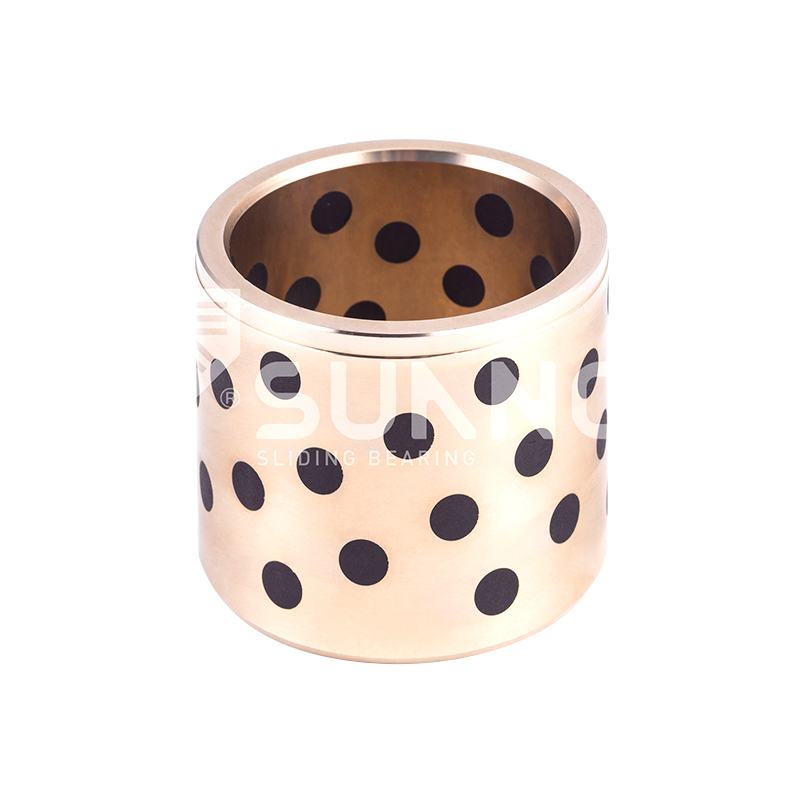 JDB Solid-lubricating Bearing JDB650 Self-Lubricating Brass Bushing Oilless Bearings
 -
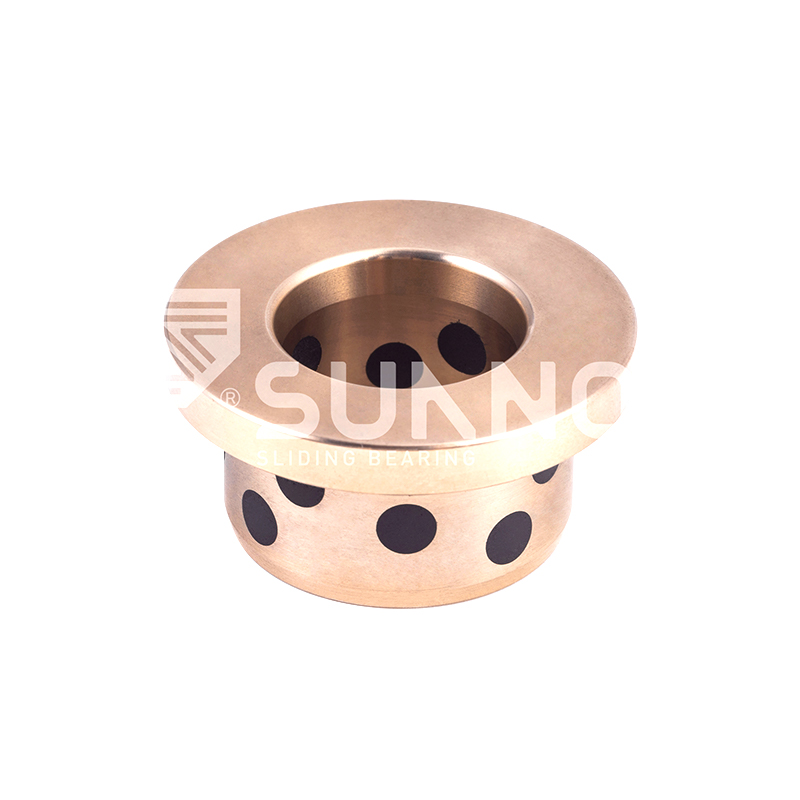 JDB Solid-lubricating Bearing JFBB Metric Self-lubricating Oilless Graphite Flanged Bearings Bushings
 -
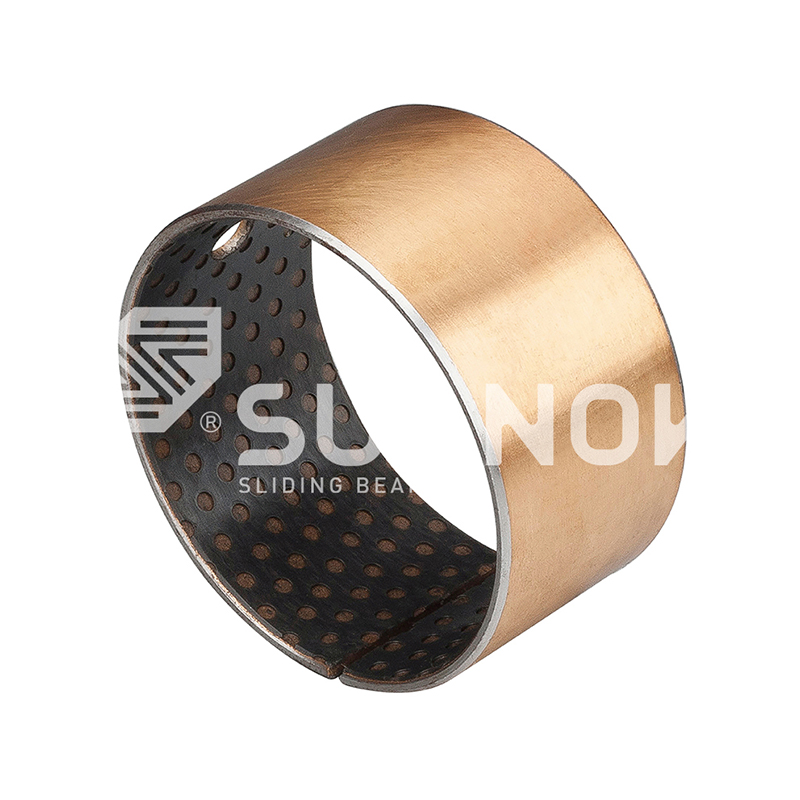 SF-2 Boundary Lubricating Bearing SF-2 Boundary Self-Lubricating Oilless Sliding Bushing Bearing, Lead-Free Boundary Bush
 -
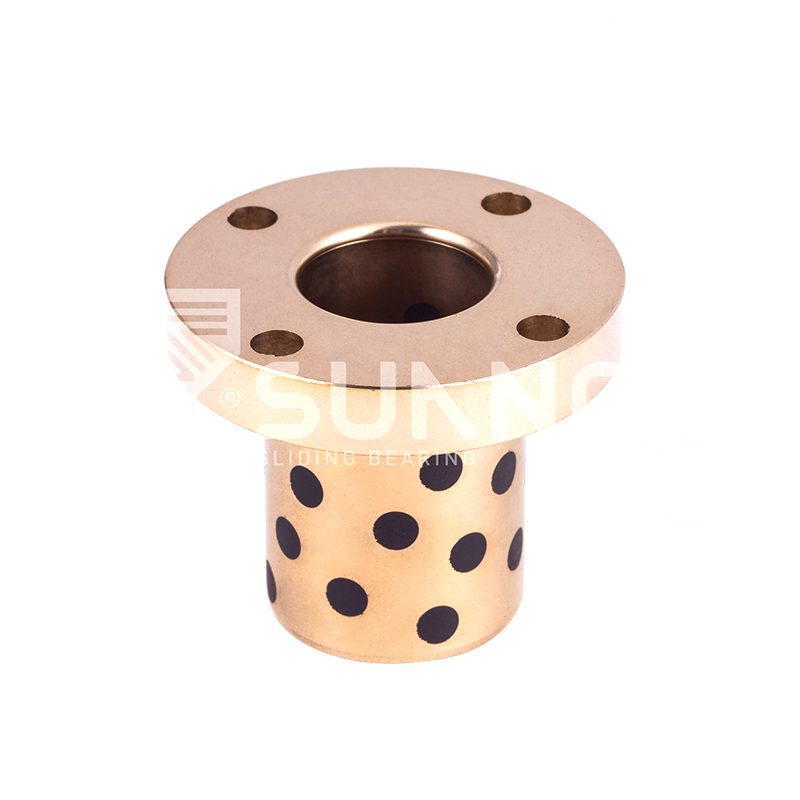 JDB Solid-lubricating Bearing JFB650 Metric Oil Free Self Lubricating Bronze Round Flanged Bearing
 -
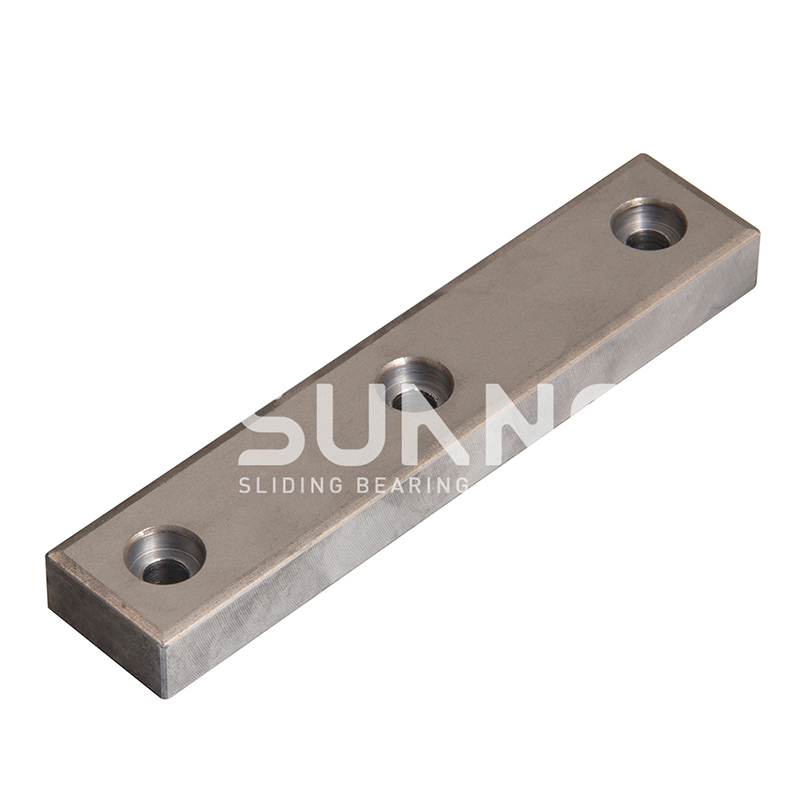 Oil-retaining Bimetallic Bearing Self-Lubricating 200# P20 Steel Graphite Insert Wear Plate / Steel Oilless Wear Strip
 -
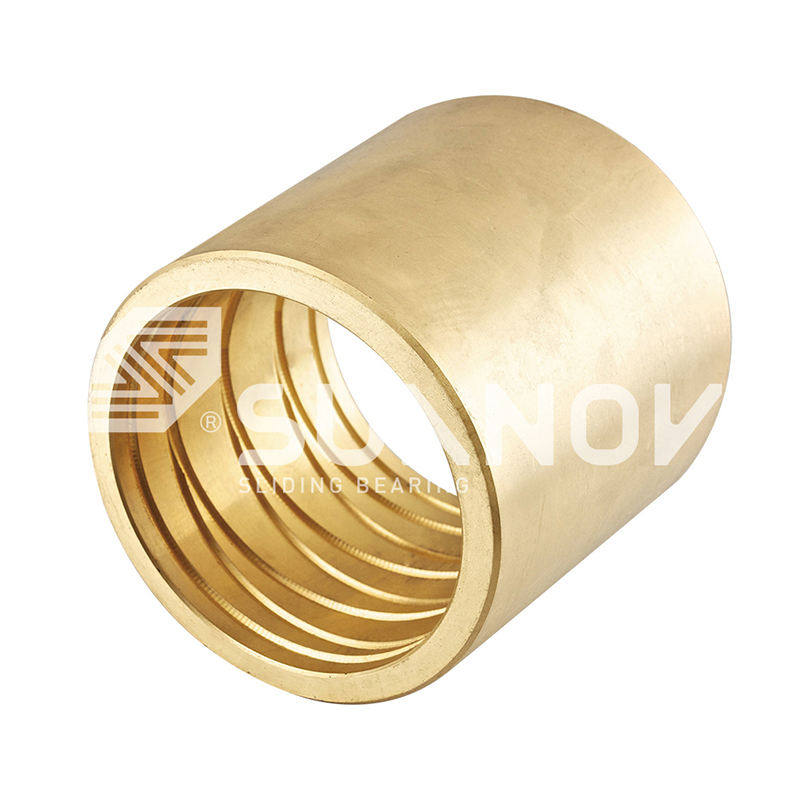 JDB-600 Casting Bronze Bearing JDB-600 Bronze Bushing with Internal Spiral Oil Grooves, Tin Bronze Oil Groove Bushing
 -
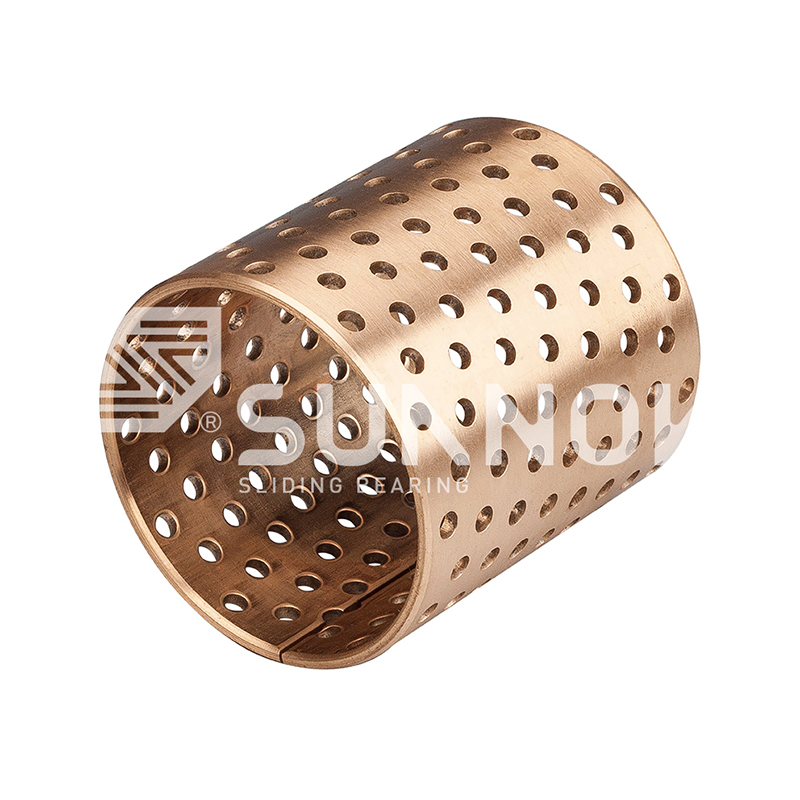 FB090 Bronze Wrapped Bearing FB092 Bronze Wrapped Bearing - Oilless Dry Sliding Bushing Self-Lubricating Bushing
 -
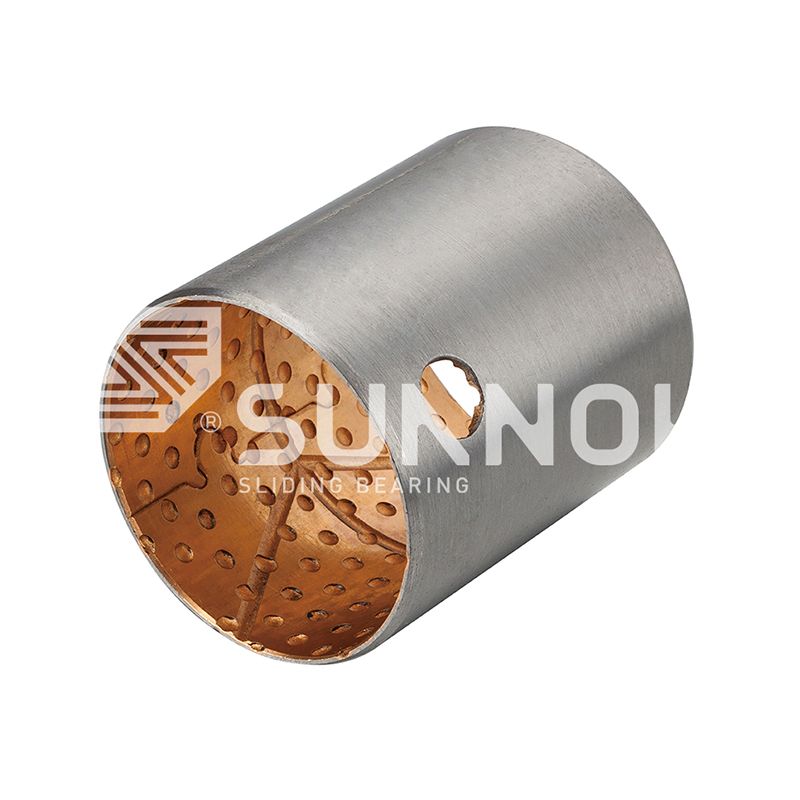 JF-800 Bi-metal Bearing JF-750 Self-Lubricating Lead Free Bi-Metal Bearing for Heavy Duty Engines Low Friction
Are Self Lube Bearings Aligned with Modern Eco-Friendly and Oil-Free Manufacturing Standards?
Industry News-Content
- 1 Material Science and Centrifugal Casting Integrity
- 2 Operational Mechanics in Oil-Free Manufacturing Environments
- 3 Compliance with Global Industry Standards
- 4 FAQ
- 4.1 Do self lube bearings require any initial grease?
- 4.2 Can self lube bearings operate under water?
- 4.3 What is the maximum operating temperature for these bearings?
- 4.4 Is it possible to replace needle roller bearings with self-lubricating bushings?
- 4.5 How do I determine the correct clearance for a self lube bearing?
- 5 Technical References
In the transition toward sustainable industrial ecosystems, the reliance on external liquid lubricants is being systematically phased out to mitigate environmental contamination and maintenance overhead. self lube bearings, specifically solid-inlaid and bimetallic variants, represent the primary engineering solution for achieving oil-free operation in heavy-duty and precision machinery. This evaluation examines how these components meet the environmental standards for self-lubricating bearings, focusing on material composition, friction reduction mechanisms, and the elimination of hazardous waste streams.
Material Science and Centrifugal Casting Integrity
The core of a high-performance self lube bearing lies in its substrate alloy. Utilizing centrifugal casting for bronze bearings ensures a dense, pore-free grain structure that provides the necessary tensile strength to withstand high PV (Pressure-Velocity) limits. By embedding solid lubricants—typically high-purity graphite or PTFE-based formulations—into a high-strength brass or aluminum bronze matrix, engineers can achieve a kinetic friction coefficient as low as 0.03 to 0.10 without additional lubrication. The composition of eco-friendly bearing alloys must be strictly monitored to exclude restricted substances, ensuring compliance with global directives such as REACH and RoHS.
Zhejiang Shuangnuo Bearing Technology Co., Ltd. is a specialized manufacturer of self-lubricating copper alloy products, employing continuous casting and metal mold casting processes. With nearly 10 years of R&D focus, we maintain independent casting production of raw materials to ensure quality from the source. Our facility is equipped with more than 80 sets of advanced CNC machine tools and machining centers. To guarantee self lube bearings material integrity, we conduct three-stage spectrometer testing (before, during, and after the furnace) and provide authoritative test reports on mechanical properties and chemical composition, establishing ourselves as a rising star in the domestic industry.
| Material Metric | Technical Standard | Performance Value |
| Hardness (Brinell) | HBW (HB) | 210 - 250 (High-strength Brass) |
| Maximum Load (Static) | N/mm2 | Up to 100 MPa |
| Ra Surface Finish | ISO 4287 | Less than 0.8 um |
Operational Mechanics in Oil-Free Manufacturing Environments
The primary driver behind choosing oil-free bearings for cleanroom applications is the total elimination of oil mist and leakage. In food processing, pharmaceuticals, and semiconductor fabrication, standard lubricants are considered contaminants. How self lube bearings eliminate contamination involves the formation of a stable transfer film during the initial "run-in" period. As the shaft rotates, micro-particles of the solid lubricant are released, filling the microscopic valleys of the mating surface to achieve a Ra surface finish optimization. This maintenance-free operation of self-lubricating bushings significantly reduces the total cost of ownership by removing the need for complex lubrication systems and disposal of used oils.
- Sintering Technology: Utilizing sintered bimetallic bearings for high-load capacity, where a tin bronze layer is thermally bonded to a steel backing for superior structural support.
- Customization: Providing tailor-made design for self-lubricating bearings to match specific shaft hardness (typically HRC 45+) and operational speeds.
- Thermal Stability: Ensuring solid lubricant performance at high temperatures (up to 300C), where conventional oils would oxidize or evaporate.
What are the benefits of bimetallic vs solid bronze self lube bearings?
When comparing bimetallic vs solid bronze self lube bearings, engineers must consider the load-to-weight ratio. Bimetallic strips produced through sintering offer the structural rigidity of steel with the tribological properties of bronze, making them ideal for automotive and construction machinery. Conversely, solid copper alloy products are preferred for corrosion resistant self lube bearings in marine or chemical processing environments.浙江双诺 (Zhejiang Shuangnuo) integrates both technologies to provide professional product application solutions that satisfy customer-specific industrial requirements.
Compliance with Global Industry Standards
For a self lube bearing to be considered "eco-friendly," it must adhere to the ISO 14001 environmental management system and relevant safety certifications. The durability of solid inlaid bearings in dry friction conditions is tested through rigorous wear-rate analysis, ensuring that the mechanical properties of self-lubricating bronze do not degrade under continuous stress. By commissioning national testing agencies for regular material validation, manufacturers can ensure that their oil-free bearing solutions contribute to a sustainable supply chain, reducing the environmental footprint of the end-user's facility.
| Compliance Factor | Standard Reference | Engineering Significance |
| Chemical Safety | RoHS / REACH | Exclusion of Pb, Hg, and Cr6+ |
| Dimensional Accuracy | ISO 3547 | Ensures H7/g6 or E7/f7 fit tolerances |
| Friction Testing | ASTM G99 | Validation of wear-life under dry conditions |
Why is spectrometer testing vital for bearing production?
Maintaining the correct chemical composition in bronze alloys is paramount for the bearing's load-carrying capacity. Even minor deviations in tin or aluminum content can lead to premature fatigue. Through spectrometer testing in bearing manufacturing, Zhejiang Shuangnuo ensures that every casting meets the national standard grades. This rigorous monitoring, combined with integrated production from material to finished product, allows for a shortened production cycle for custom bearings without compromising the high-end market standards our customers expect.
FAQ
Do self lube bearings require any initial grease?
While designed for dry operation, a light coating of lithium-based grease during initial installation can assist the transfer film formation and protect the shaft from rust during standby periods.
Can self lube bearings operate under water?
Yes. Specialized tin bronze or stainless steel substrates with graphite inlays are highly effective in submerged or hydrodynamic conditions where traditional oil would be washed away.
What is the maximum operating temperature for these bearings?
Solid-inlaid graphite bearings can typically operate up to 300C to 400C, depending on the alloy. PTFE-based bimetallic bearings are usually limited to 260C.
Is it possible to replace needle roller bearings with self-lubricating bushings?
Yes, provided the PV values are within the bushing's limits. This replacement simplifies the design and eliminates the risk of catastrophic roller failure and grease leakage.
How do I determine the correct clearance for a self lube bearing?
Clearance is calculated based on the thermal expansion coefficient of the alloy and the housing. Generally, a slightly larger clearance than rolling-element bearings is required for dry-run heat dissipation.
Technical References
- ISO 3547: Plain bearings — Wrapped bushes — Part 1: Dimensions.
- ASTM G99: Standard Test Method for Wear Testing with a Pin-on-Disk Apparatus.
- JC/T 2575: Industry standard equivalent for self-lubricating materials (Material selection and testing).
Recommended NEWS:
Self-Lubricating Copper Alloy Bearings: A Comparative Analysis with JDB-600 Casting Bronze and Oil-Retaining Bimetallic Bearings
Understanding the Features of JDB650 Self-Lubricating Brass Bushing Oilless Bearings
Self-Lubricating Copper Alloy Bearings: The Future of Solid-Lubricating Bearings and JDB-600 Casting Bronze Bearings
Solid Lube Bearings: A Comprehensive Guide to Maintenance-Free Solutions
Extend Equipment Lifespan with Oil-Embedded Flanged Sleeve Bearings
The Rise of Self-Lubricating Bearings: A Guide to Maintenance-Free Performance
Recommended LINS:
Contact Us //
Have Questions? Get in Touch!

Zhejiang Shuangnuo Bearing Technology Co., Ltd. specializes in the production of various self-lubricating copper alloy bushing bearings products
Quick Links
Related Products
Contact
- Add: No. 69, Tingyao East Road, Ganyao Town Industrial Zone, Jiashan County, Zhejiang Province, China
- Tel: +86-15957371801
- Fax: +86-0573-84038630
- Email: [email protected]
[email protected]
© 2024 Zhejiang Shuangnuo Bearing Technology Co., Ltd.
Custom Self-Lubricating Copper Alloy Bearings
