


 русский
 Español
-
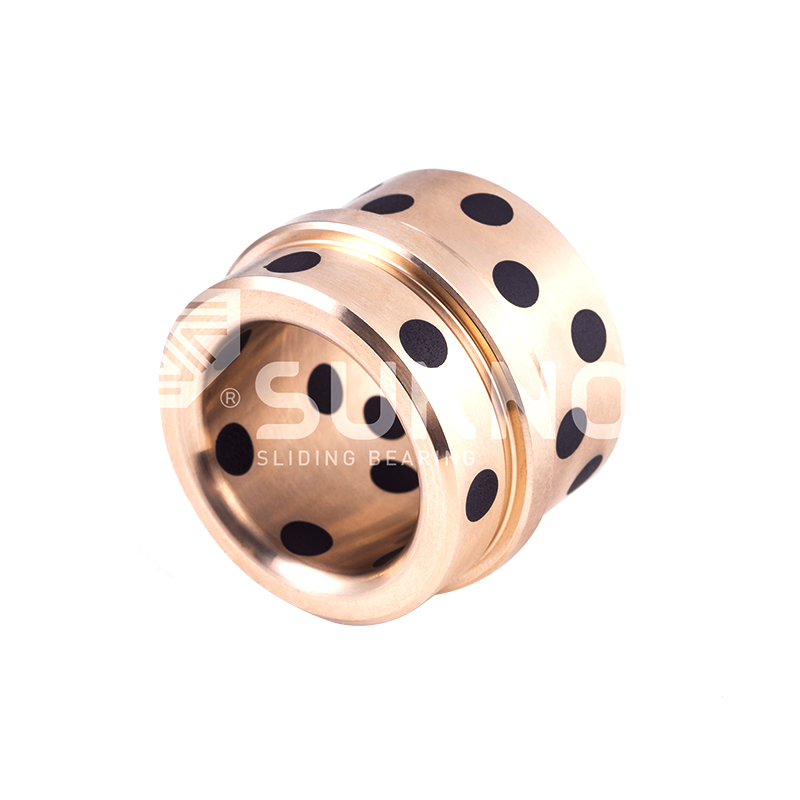
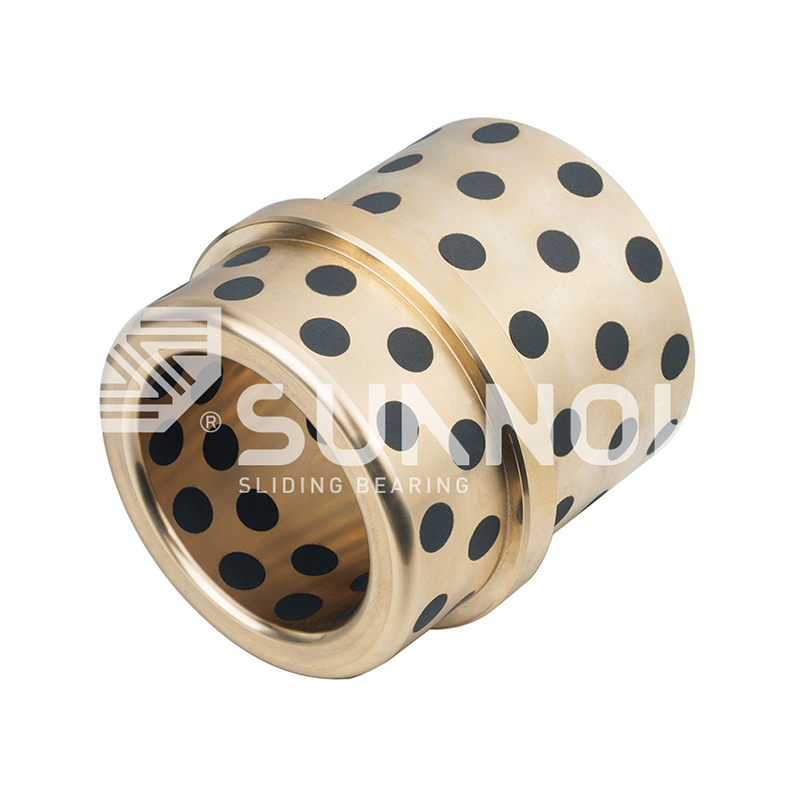 JDB Solid-lubricating Bearing Stepped-Flange Self-lubricating Bronze Bushing Graphite Plugged Sliding Sleeve Bearing JOSG
 -
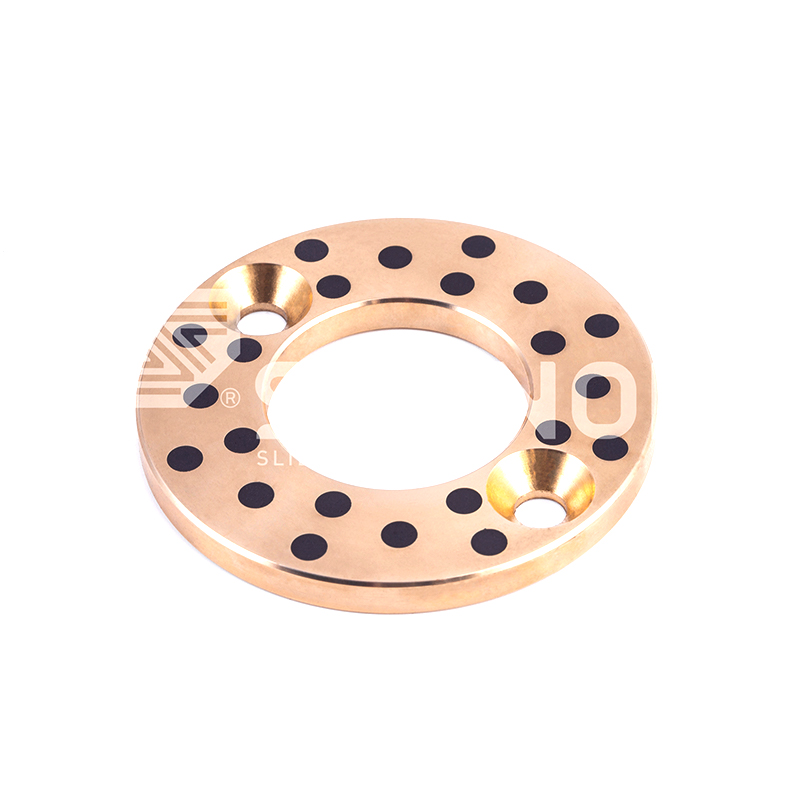 JDB Solid-lubricating Bearing JTW Solid Lubricant Graphite Oilless Bronze Thrust Washer Bearing
 -
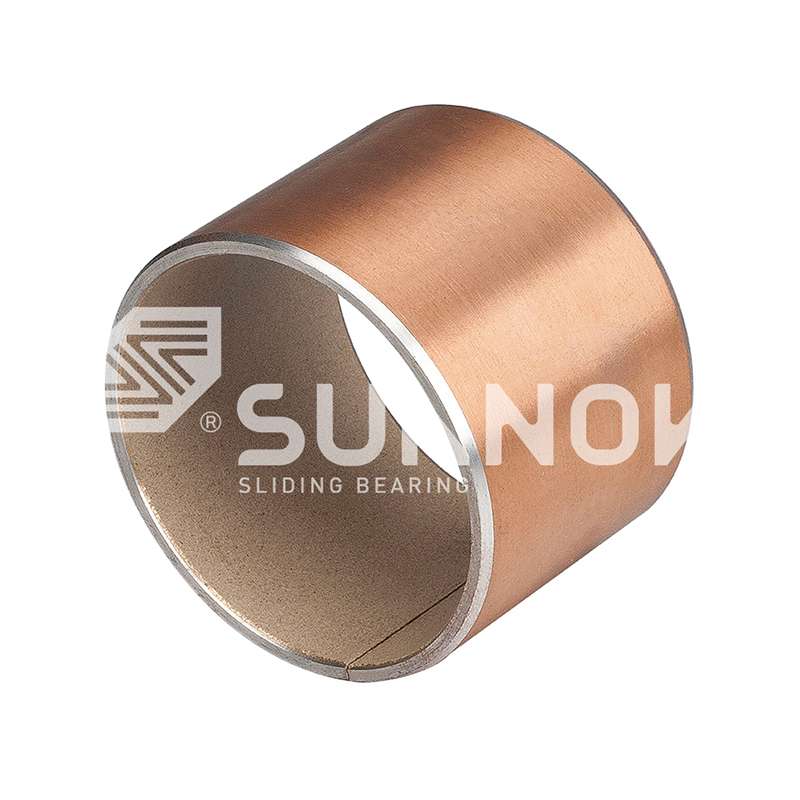 SF-1 Oilless Bearing SF-1P Reciprocating Motion Bronze Self-Lubricating Composite Bearing Bushing
 -
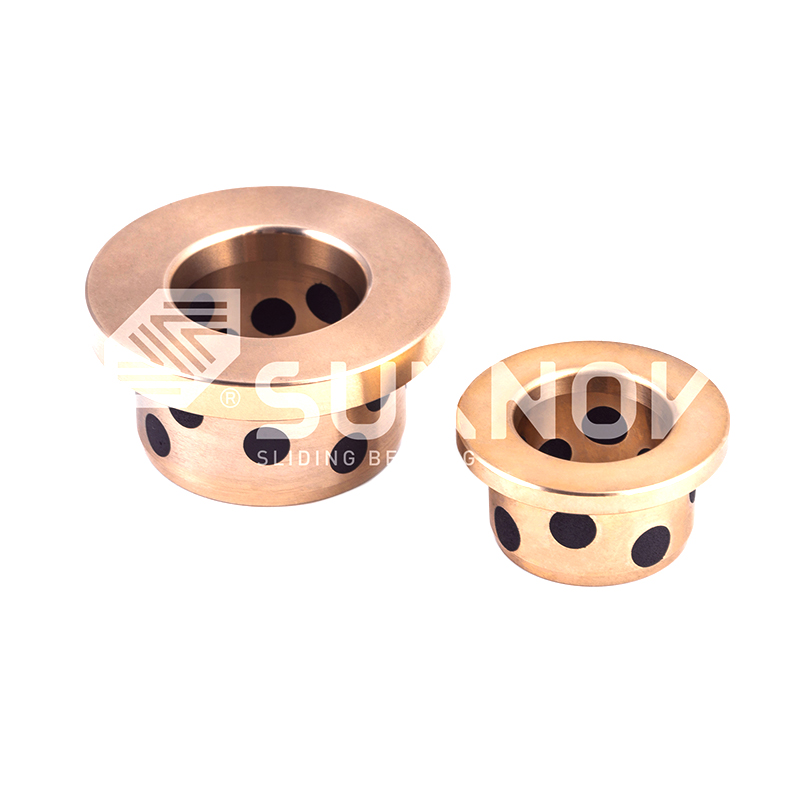 JDB Solid-lubricating Bearing Flanged Graphite Plugged Bronze Bushing, Self Lubricating Oilless Bronze Sleeve Bearing GB71 NAAMS
 -
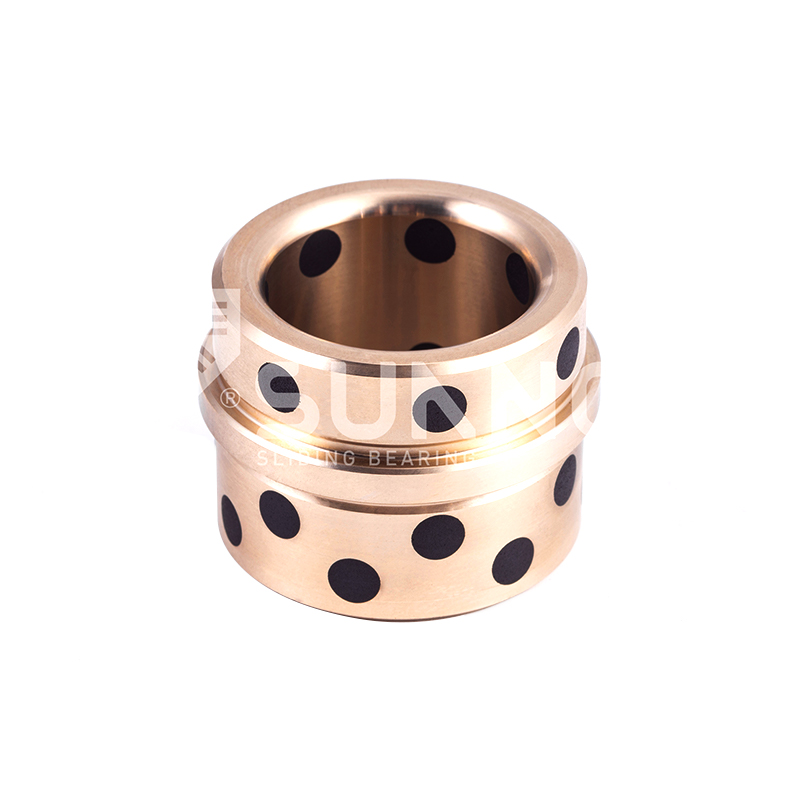
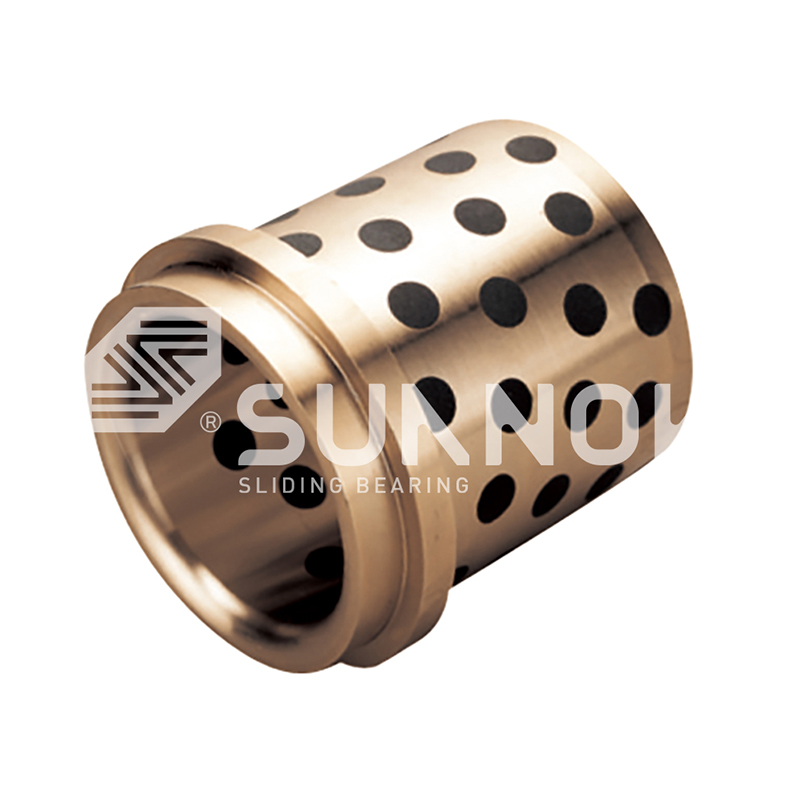 JDB Solid-lubricating Bearing Dual Flange Embedded Graphite Bronze Sleeve Bearing, High Load Maintenance Free Brass Bushing GB61 NAAMS
 -
-
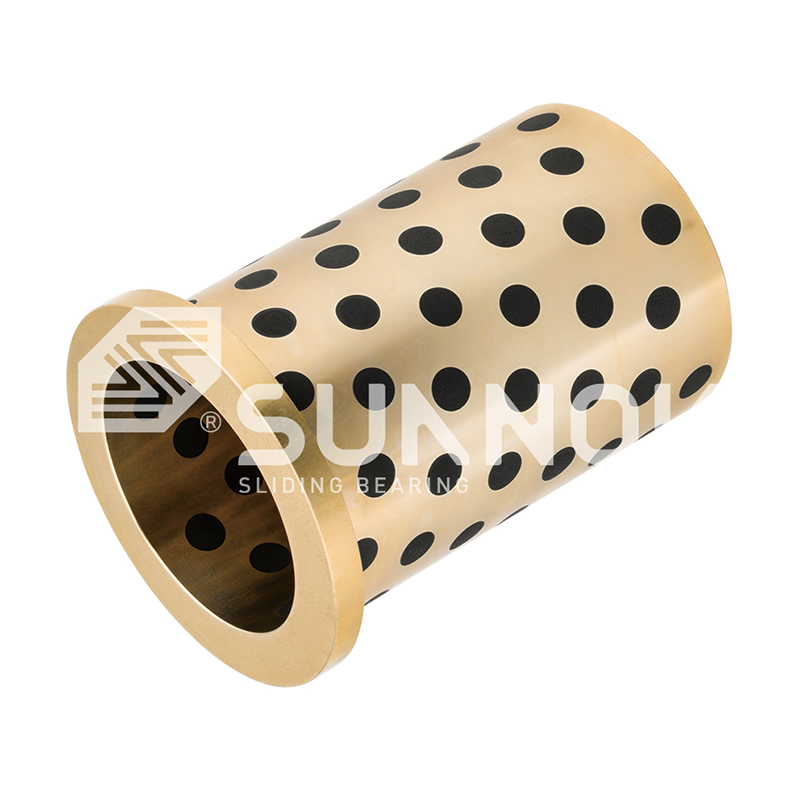 JDB Solid-lubricating Bearing One-Flange Self-lubricating Bronze Bushing Graphite Plugged Sliding Sleeve Bearing JEFW
 -
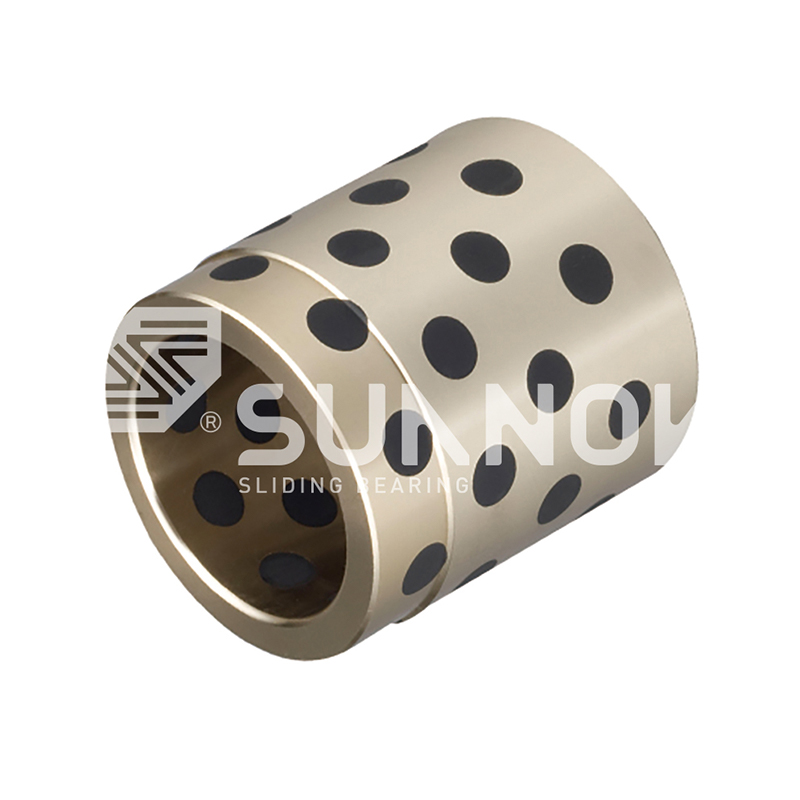 JDB Solid-lubricating Bearing Tubular Self-lubricating Bronze Bushing Graphite Plugged Sliding Sleeve Bearing JPBW, JPBF
How Can You Accurately Predict the Service Life of a Bronze Graphite Bearing Under Oscillating Motion and Heavy Loads?
Industry News-Content
- 1 1. Understanding the PV Value and Load Capacity
- 2 2. Mathematical Models for Wear and Life Prediction
- 3 3. Mitigating Premature Failure in Heavy Duty Applications
- 4 Conclusion: A Star in Self-Lubricating Technology
- 4.1 Frequently Asked Questions (FAQ)
- 4.1.1 1. What is the typical self-lubricating bearing life expectancy?
- 4.1.2 2. How do oscillating motion bearing wear patterns differ from rotation?
- 4.1.3 3. Do I need to worry about lubrication intervals for graphite bearings?
- 4.1.4 4. Calculating PV value for bronze bearings—which is more critical, P or V?
- 4.1.5 5. Can I use a bronze graphite bearing in underwater applications?
- 4.2 Industry References
- 4.1 Frequently Asked Questions (FAQ)
Predicting the operational longevity of a bronze graphite bearing is a complex tribological challenge, particularly when the system is subjected to oscillating motion and high specific pressures. Unlike continuous rotation, oscillating movement prevents the formation of a full hydrodynamic film, making the solid lubricant film thickness in bearings the primary factor for survival. Zhejiang Shuangnuo Bearing Technology Co., Ltd. has spent nearly a decade specializing in high-performance self-lubricating solutions. By utilizing centrifugal casting and continuous casting of raw materials in-house, we ensure the material integrity of our bronze graphite bearing products from the source. This article provides an engineering framework for calculating self-lubricating bearing life expectancy based on PV values, material wear rates, and environmental factors.
1. Understanding the PV Value and Load Capacity
The "PV Value"—the product of specific load (P) and sliding velocity (V)—is the fundamental metric for calculating PV value for bronze bearings. In oscillating applications, the velocity is not constant, requiring the use of the mean sliding speed over the oscillation angle. A high-load bronze graphite bearing typically utilizes a base of aluminum bronze or tin bronze to handle extreme pressure. When comparing bronze graphite vs plastic bushings, the bronze alloy provides significantly higher thermal conductivity and load-bearing capacity, which prevents the causes of bronze bearing premature failure such as thermal deformation. Our spectrometer-tested materials ensure that the high load bronze graphite bearing capacity meets the stringent requirements of national standard grades.
Load and Velocity Comparison
- Static Load: The maximum pressure the material can withstand without permanent deformation.
- Dynamic PV Limit: The threshold where the heat generated by friction equals the heat dissipated by the bearing housing.
| Material Property | Standard Plastic Bushing | Shuangnuo Bronze Graphite Bearing |
| Max Load Capacity (P) | Low to Moderate (~35 MPa) | Very High (Up to 100+ MPa) |
| Thermal Conductivity | Insulating (Heat traps) | High (Efficient heat dissipation) |
| Temperature Limit | < 150°C | Up to 300°C - 400°C |
2. Mathematical Models for Wear and Life Prediction
To determine the self-lubricating bearing life expectancy, engineers must utilize the wear volume formula ($W = K \cdot P \cdot V \cdot T$), where $K$ is the specific wear rate. In oscillating motion, the bronze graphite bearing wear rate factors include the frequency of oscillation and the total sliding distance. Because oscillating motion bearing wear patterns differ from unidirectional ones, the solid lubricant must be strategically "inlaid" to ensure constant coverage. At Zhejiang Shuangnuo, we provide custom bronze graphite bearing design services that adjust the graphite plug density based on the specific arc of motion. This personalization is essential because lubrication intervals for graphite bearings are essentially non-existent; the bearing is designed to be maintenance-free throughout its life.
Life Calculation Sequence
- Determine Specific Load (P): Calculated based on the projected area of the bearing.
- Calculate Mean Velocity (V): Derived from the oscillation frequency and angle.
- Identify Material Wear Coefficient (K): Determined by spectrometer testing and mechanical property audits.
- Apply Safety Factors: Adjusting for bronze graphite bearing temperature effects and shaft hardness.
| Operating Condition | Impact on Service Life | Engineering Mitigation |
| High Temperature | Decreases lubricant film stability | Select specialized high-temp graphite grades |
| Abrasive Dust | Increases wear coefficient (K) | Integrate integrated seals or wipers |
| Oscillation < 10° | Risks localized "fretting" wear | Increase graphite plug overlap |
3. Mitigating Premature Failure in Heavy Duty Applications
Predicting life is only half the battle; the other half is preventing the causes of bronze bearing premature failure. Misalignment is the most common culprit in heavy-duty systems. A bronze graphite bearing requires a shaft with a surface hardness of at least HRC 45-50 to maximize the solid lubricant film thickness in bearings. If the shaft is too soft, the high load bronze graphite bearing capacity will be compromised as the shaft wears faster than the bearing. Our integrated production model, utilizing over 80 sets of CNC machine tools, allows us to maintain the strict tolerances necessary to ensure perfectly distributed loads, thereby extending the maintenance-free bronze bearing benefits for our global clientele.
Conclusion: A Star in Self-Lubricating Technology
Accurately predicting the service life of a bronze graphite bearing requires a rigorous analysis of PV values, specific wear coefficients, and application-specific motion profiles. By focusing on independent casting and spectrometer-verified materials, Zhejiang Shuangnuo Bearing Technology Co., Ltd. provides the professional solutions and tailor-made designs required to excel in the industry. As a rising star in the domestic market, we remain committed to harmony, integrity, and the engineering excellence that ensures your heavy-duty applications stay in motion.
Frequently Asked Questions (FAQ)
1. What is the typical self-lubricating bearing life expectancy?
In optimal conditions with proper PV loads, a bronze graphite bearing can last over 5,000 to 10,000 hours of active motion. However, this varies significantly based on bronze graphite bearing temperature effects and load cycles.
2. How do oscillating motion bearing wear patterns differ from rotation?
Oscillation creates "dead spots" where the lubricant may not spread as evenly. This is why custom bronze graphite bearing design often uses staggered or overlapping graphite plugs to ensure 100% path coverage.
3. Do I need to worry about lubrication intervals for graphite bearings?
No. One of the primary maintenance-free bronze bearing benefits is that the graphite is released automatically during friction. Adding external grease can actually interfere with the solid lubricant film formation.
4. Calculating PV value for bronze bearings—which is more critical, P or V?
While both are vital, in heavy-duty oscillating motion, the Load (P) is often the limiting factor for the bronze substrate, while the Velocity (V) determines the rate of heat generation and lubricant consumption.
5. Can I use a bronze graphite bearing in underwater applications?
Yes. Bronze is highly corrosion-resistant. However, you must choose a specific graphite grade that does not swell in moisture to maintain the solid lubricant film thickness in bearings.
Industry References
- ISO 4381:2011 - Plain bearings — Lead and tin casting alloys for multilayer plain bearings.
- ASTM B22/B22M - Standard Specification for Bronze Castings for Bridges and Turntables.
- Shuangnuo Internal Research: "Spectrometer Analysis of Tin Bronze Wear Coefficients under Oscillation" (2025).
- Tribology International: "Mechanisms of Solid Lubricant Transfer in Copper Alloy Bearings."
Recommended NEWS:
Understanding the Features of JDB650 Self-Lubricating Brass Bushing Oilless Bearings
Bronze Wrapped Bushings for Heavy Machinery: Durable Solutions for Demanding Applications
How to improve mechanical efficiency? What is the role of oil retained bimetal bearings in high load applications?
Why Solid-Lubricating Bronze Bearings Are the Future of Low-Maintenance Machinery
Understanding SF-1 Oilless Bearings: Key Features and Applications
How to improve the service life of mechanical equipment by using JDB-600 cast copper bearings?
Recommended LINS:
Contact Us //
Have Questions? Get in Touch!

Zhejiang Shuangnuo Bearing Technology Co., Ltd. specializes in the production of various self-lubricating copper alloy bushing bearings products
Quick Links
Related Products
Contact
- Add: No. 69, Tingyao East Road, Ganyao Town Industrial Zone, Jiashan County, Zhejiang Province, China
- Tel: +86-15957371801
- Fax: +86-0573-84038630
- Email: [email protected]
[email protected]
© 2024 Zhejiang Shuangnuo Bearing Technology Co., Ltd.
Custom Self-Lubricating Copper Alloy Bearings
