


 русский
 Español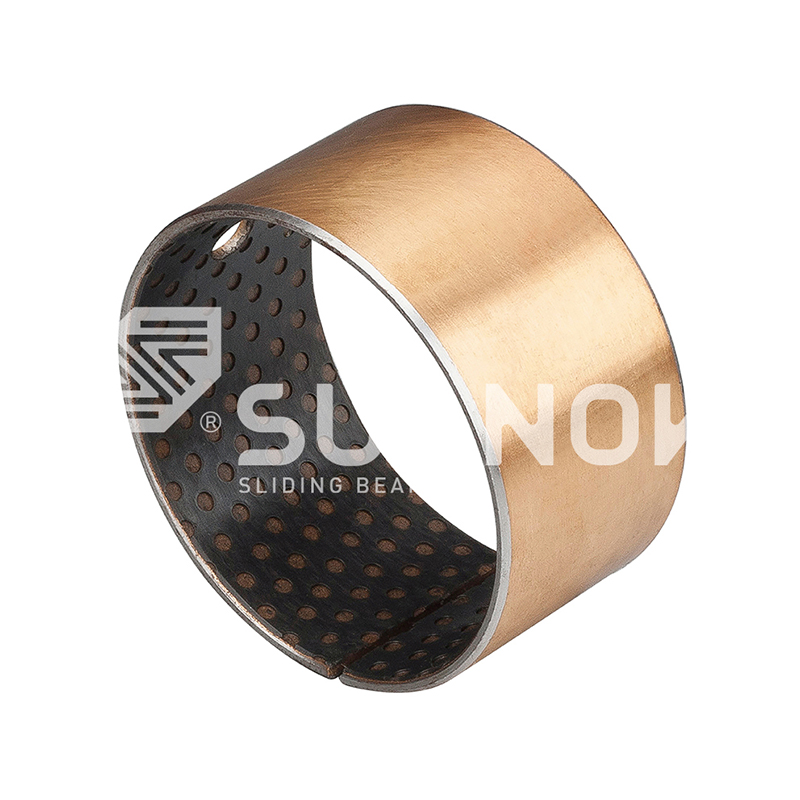


-
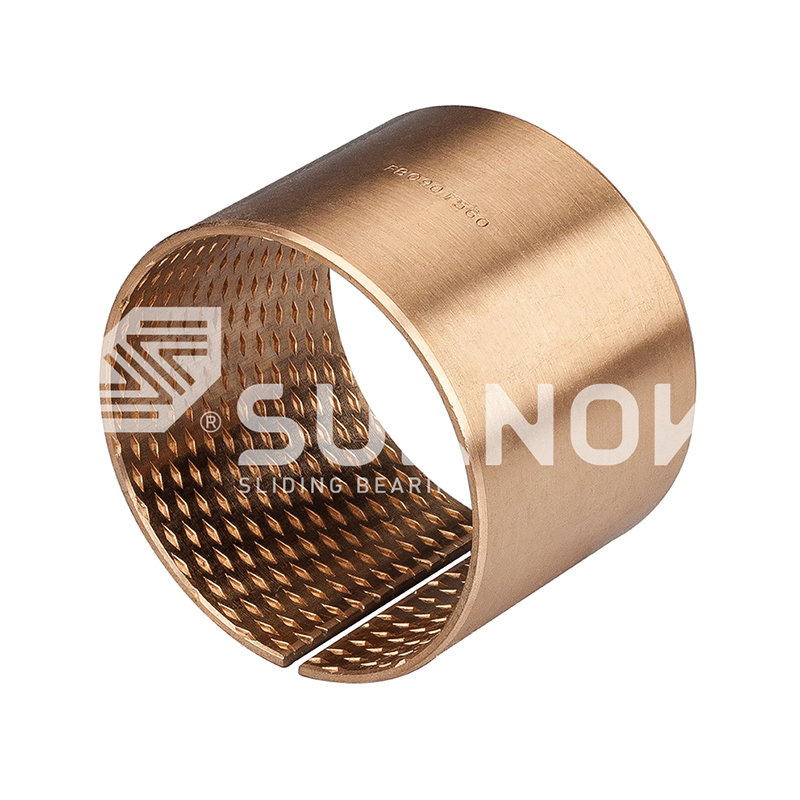 Industry News- Factors Affecting Bronze Bushing Service Life: Materi...
A bronze bushing that fails after six weeks and one from the same production batch that keeps running for six years can be identical in all...
-
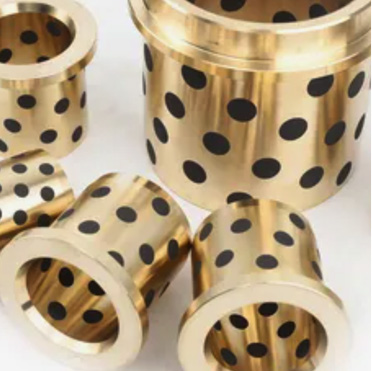 Industry News- Self Lubricating Bronze Bushing Manufacturing: Castin...
An engineer pulls a failed bushing from a press link: the bore is scored, the outer shell shows galling tracks, and the lubrication line wa...
-
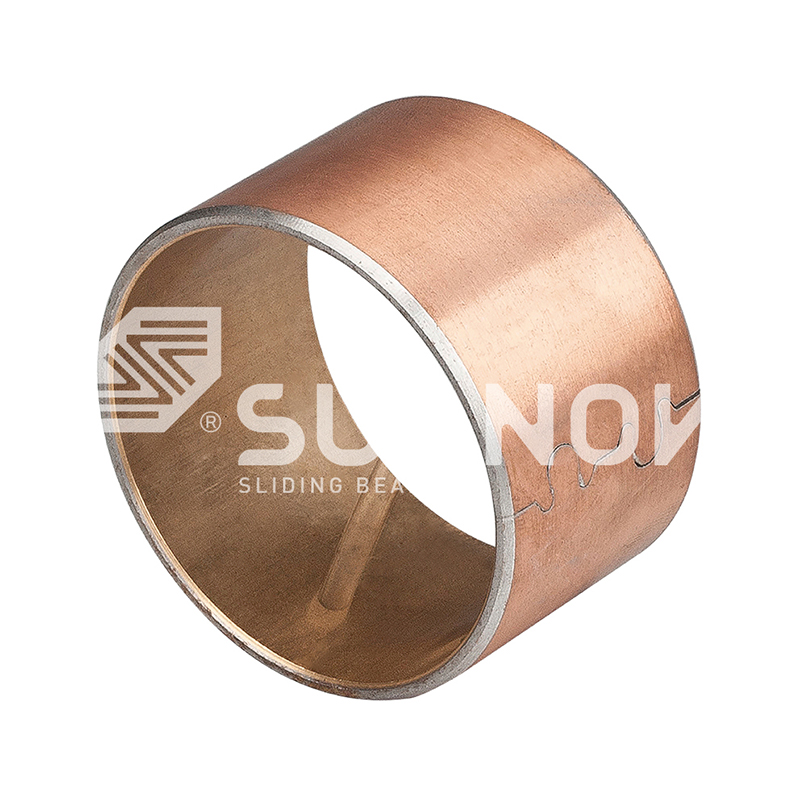 Industry News- Self-Lubricating vs Traditional Lubricated Bearings
A self-lubricating bearing and a traditional grease-lubricated bearing can carry the same radial load rating on paper, yet perform complete...
-
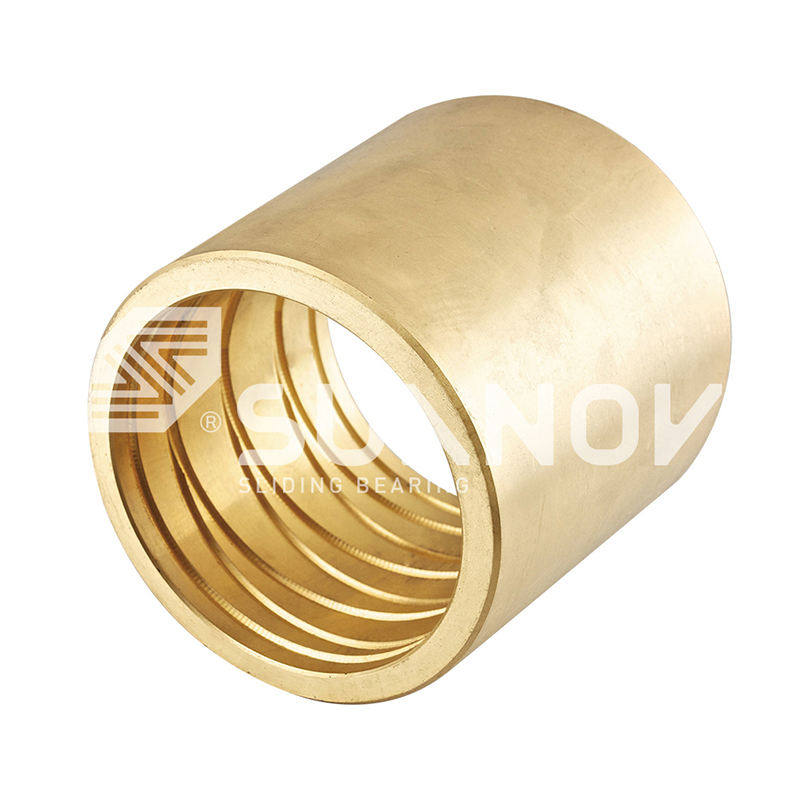 Industry News- Bronze Bushings vs Steel Bushings: Key Differences Ex...
Bronze Bushings vs Steel Bushings: The Engineering Trade-Off When a maintenance engineer opens a machine after a bushing failure, the first...
-
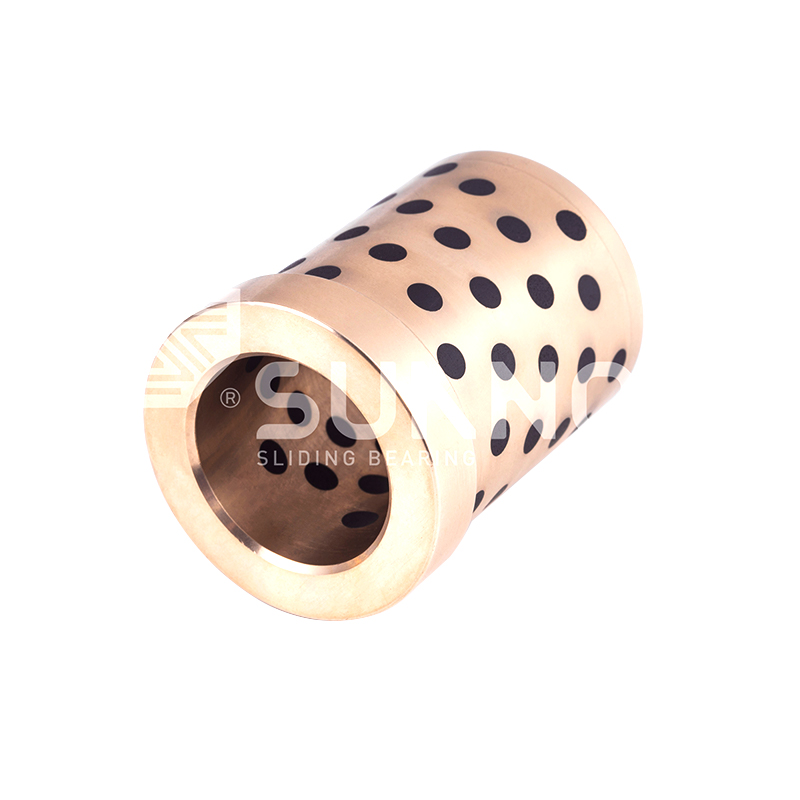 Industry News- How to Choose a Reliable Self-Lubricating Bronze Bush...
A purchasing engineer comparing six quotes for a nominally identical bronze bushing once saw the price spread reach 42 percent. The expensi...
SF-2 Boundary Self-Lubricating Bearing Manufacturers
SF-2 is a three-layer composite self-lubricating material with a surface filled with polyoxymethylene plastic modified with tetrafluoroethylene. As an excellent boundary lubricating material, it is particularly suitable for high-load, low-speed rotation and swinging motions, and is also commonly used in friction parts such as bearings, thrust washers, sliders, and ball seats. These parts are often opened and closed frequently under load, and it is not easy to form fluid dynamic lubrication.
SF-2 can make full use of trace grease and can operate maintenance-free for a long time under boundary lubrication conditions. In the case of complete oil-free lubrication, SF-2 has lower friction performance and allowable PV value, so oil pits are usually processed on the plastic surface, and lithium-based grease or silicone grease is applied during assembly to enhance the lubrication effect.
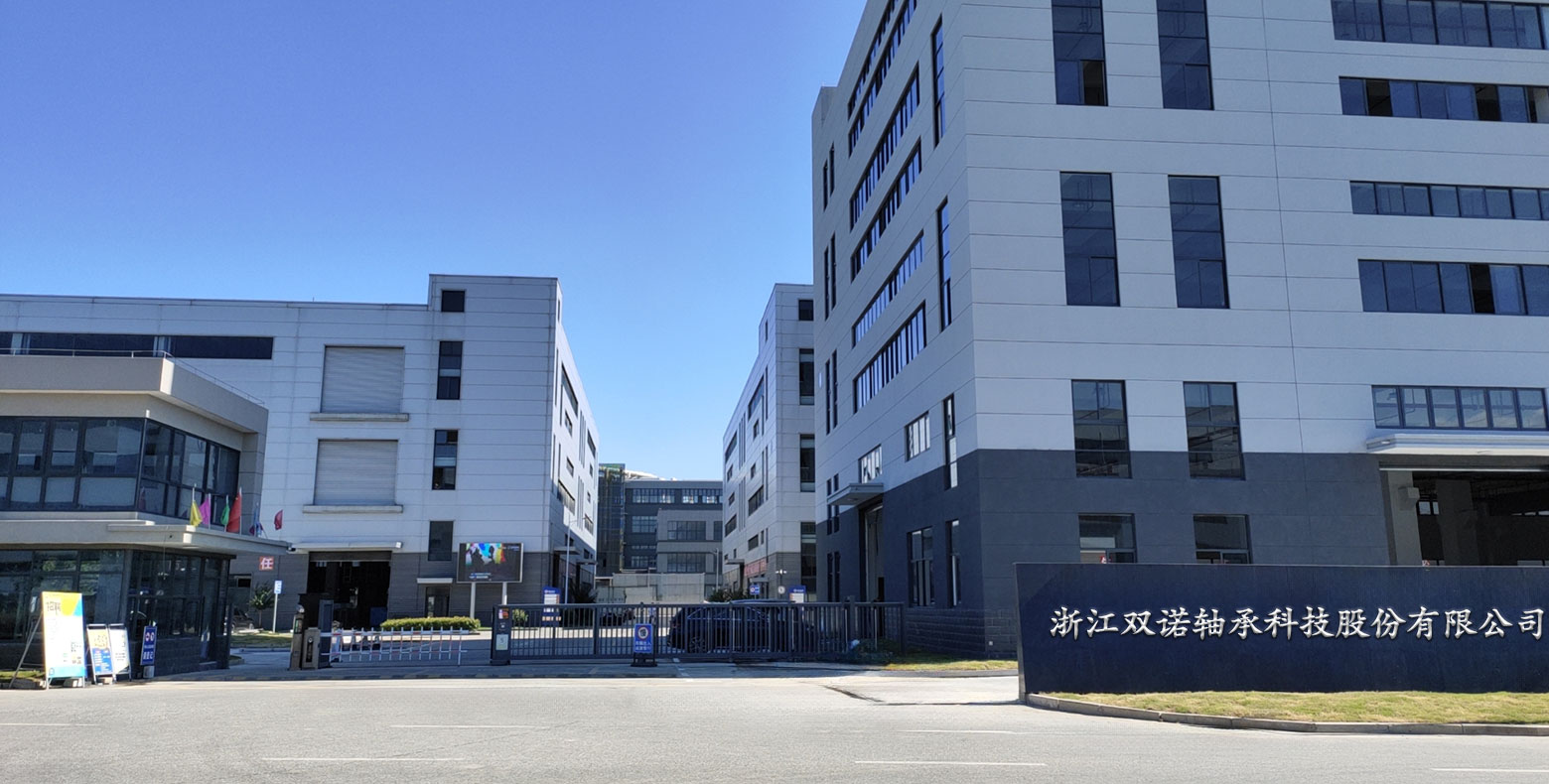

Zhejiang Shuangnuo Bearing Technology Co., Ltd.
Zhejiang Shuangnuo Bearing Technology Co., Ltd. is
China SF-2 Boundary Self-Lubricating Bearing Manufacturers and
Custom ODM/OEM SF-2 Boundary Self-Lubricating Bearing Factory, we are a manufacturer specializing in producing various self-lubricating copper alloy products using centrifugal casting, continuous casting, metal mold casting, and other processes. Its main products include brass, aluminum bronze, tin bronze, and others produced according to national standard grades. It processes and produces various solid inlaid self-lubricating bearing products on this basis
. At the same time, it uses sintering technology to produce bimetallic products and many other types of products. Since its establishment nearly 10 years ago, the company has focused on the research development, and production of various new self-lubricating bearings.
In the process of product production, our company has always insisted on independent casting production of raw materials to ensure the quality of products from the source; during the casting process, the whole process is monitored, and the finished product is tested by spectrometer three times before, in and after the furnace to confirm the material composition of the product. The national testing agency is regularly commissioned to test the material composition and mechanical properties of the product, and authoritative test reports can be provided to customers in need; the company implements integrated production from material to finished product processing and has more than 80 sets of advanced CNC machine tools, CNC lathes, machining centers, and other major equipment. The strong production capacity ensures that the material production is organized for customers for the first time, shortening the production cycle.
-
0+Establishment
Founded in 2014, Shuangnuo has 10 years of experience in the industry.
-
0+Advanced Equipment
Strong production capacity ensures that we can organize material production for customers as soon as possible and shorten the production cycle.
-
0+Happy Clients
There are more than 5,000 cooperative customers around the world.
Our News //
News & Insights.
Our Honor //
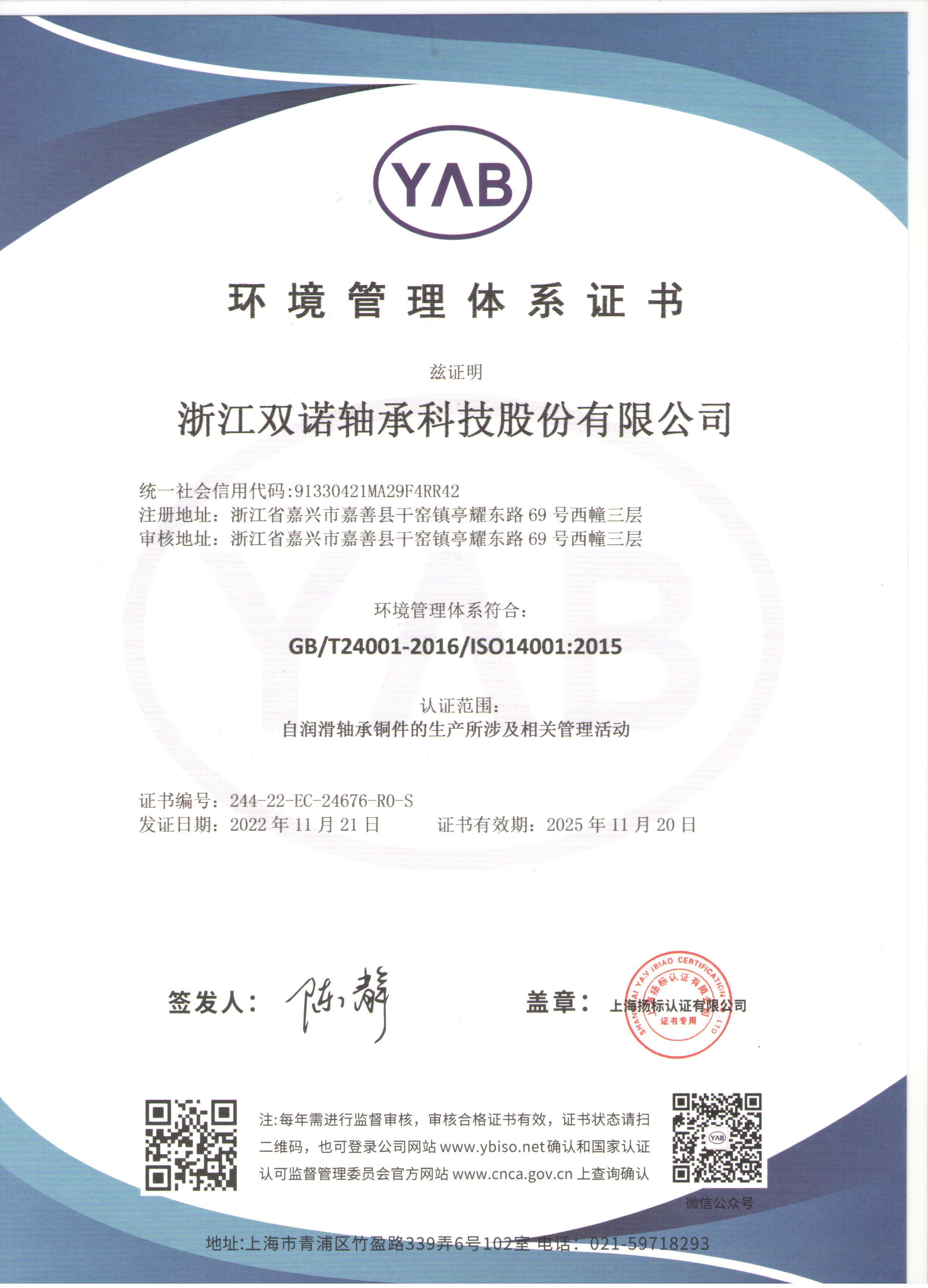
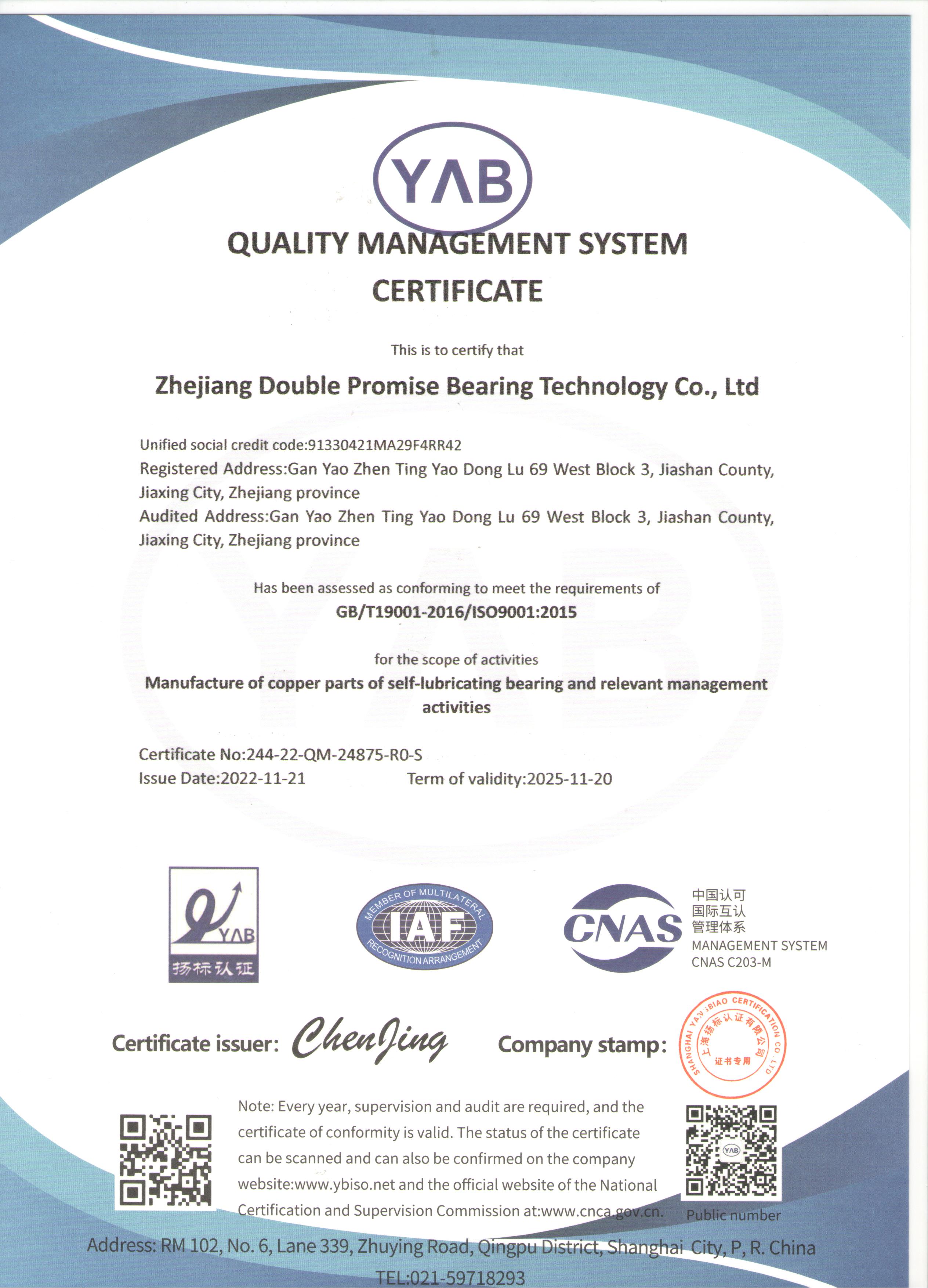
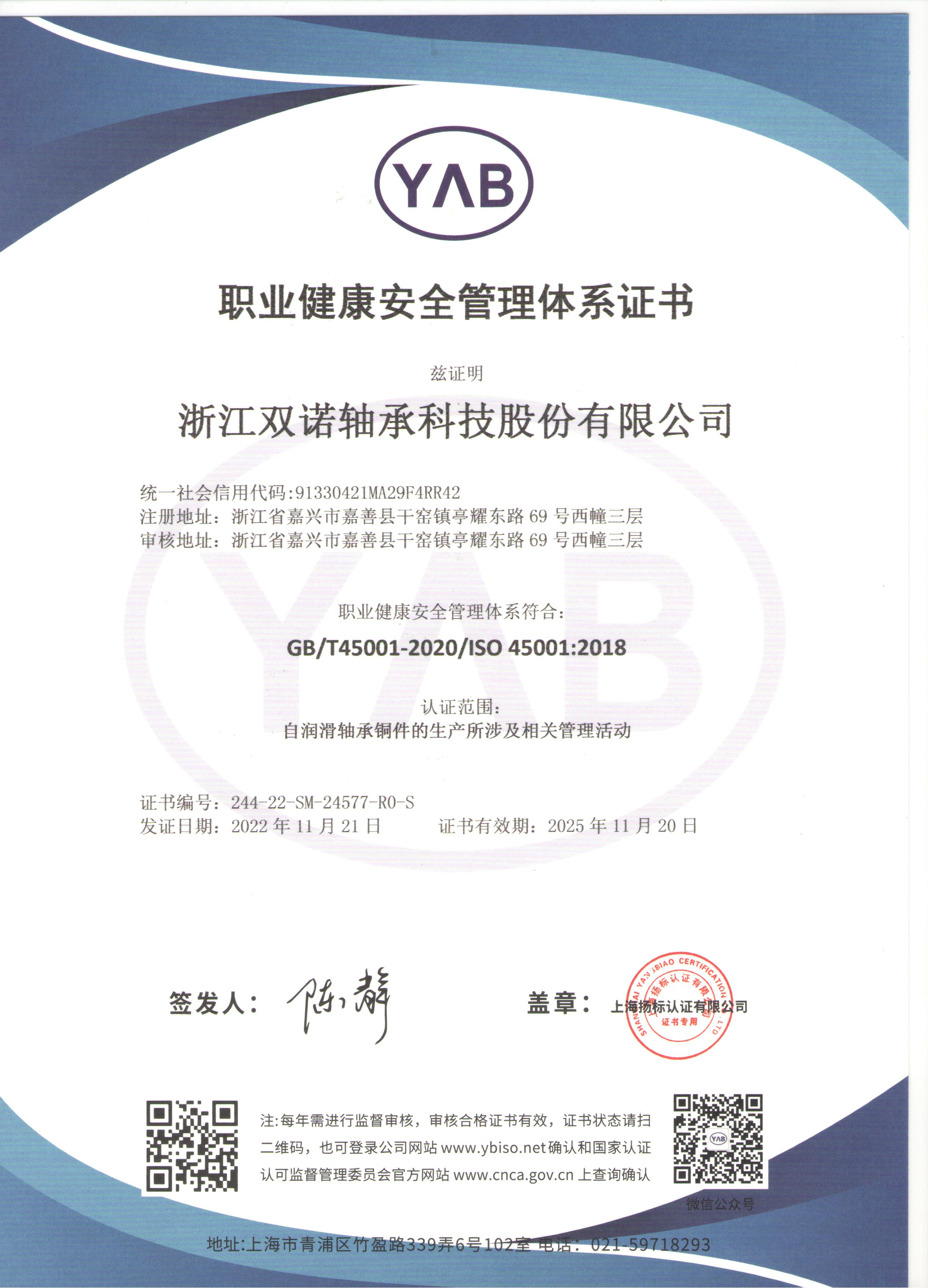
Honor.
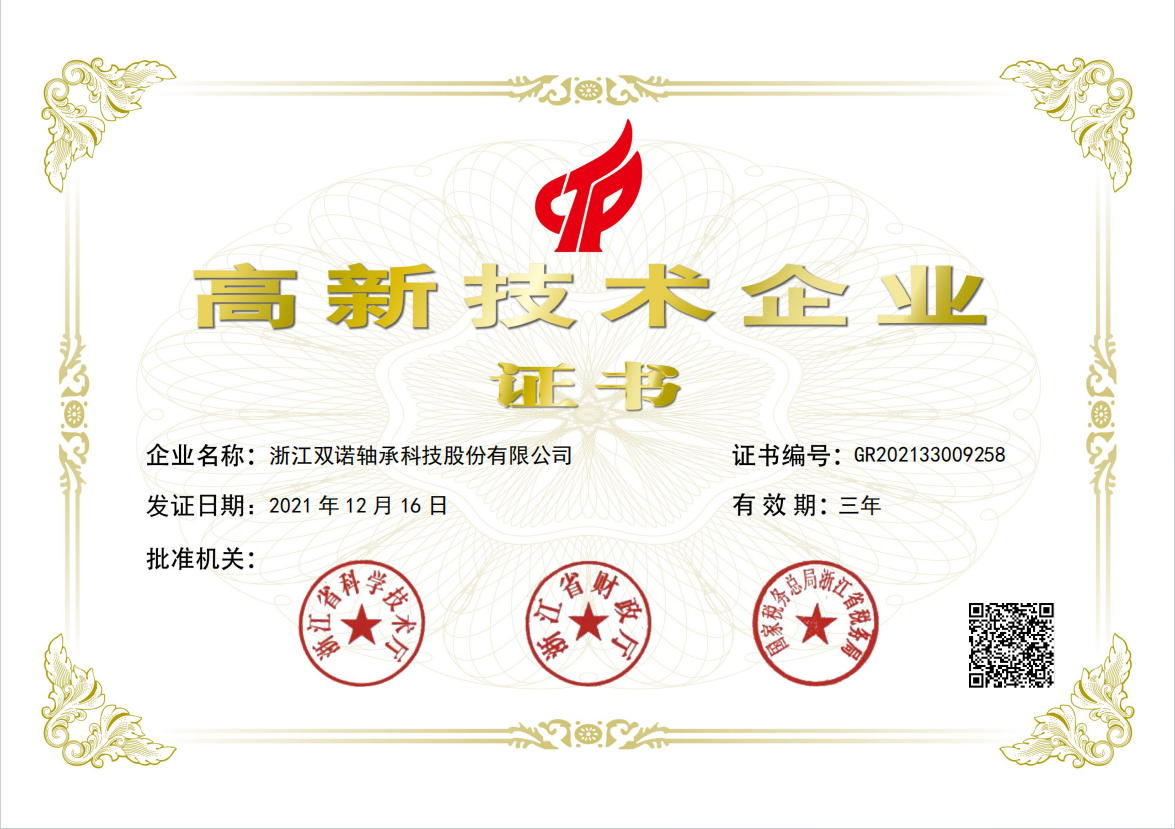
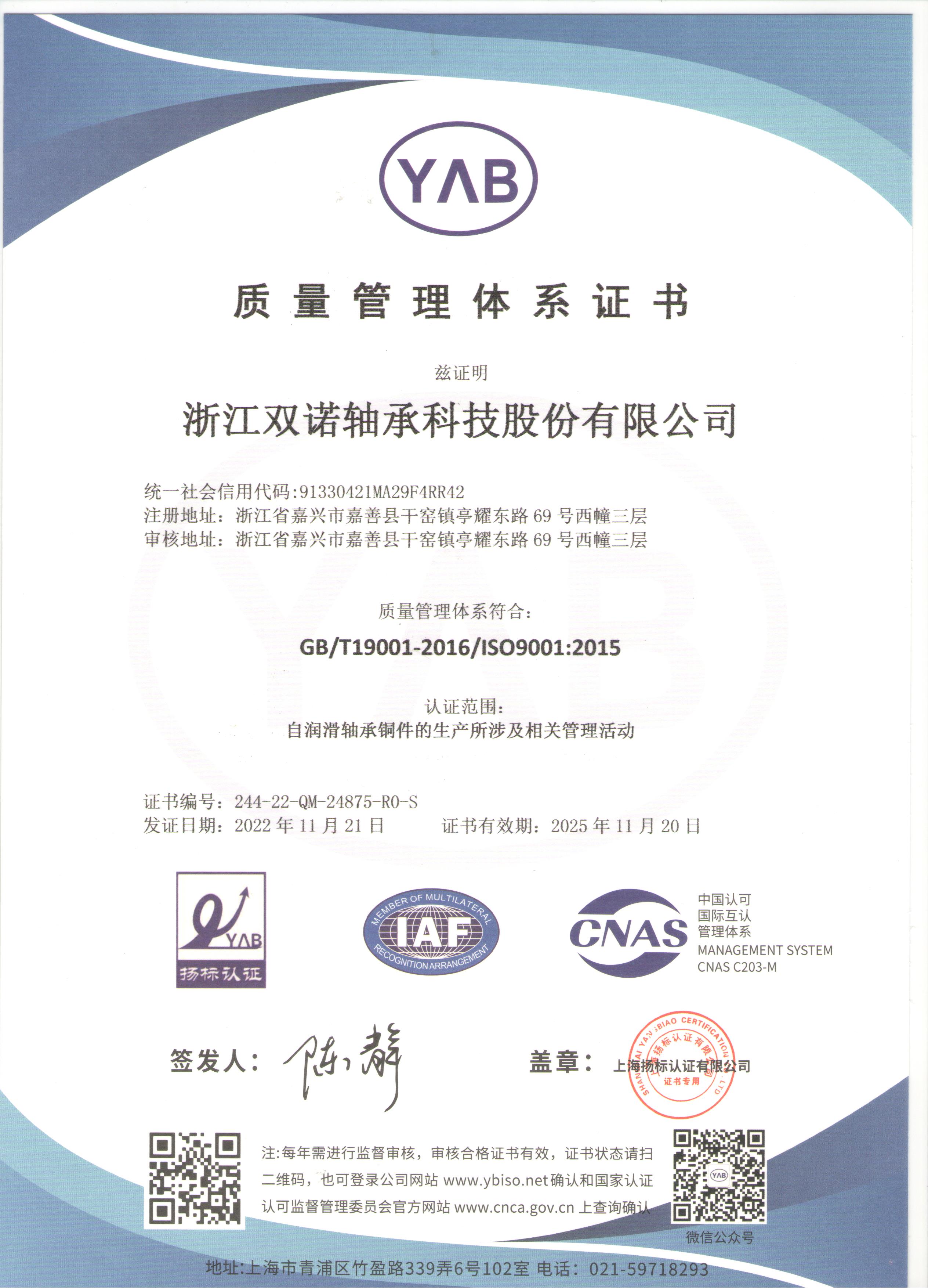
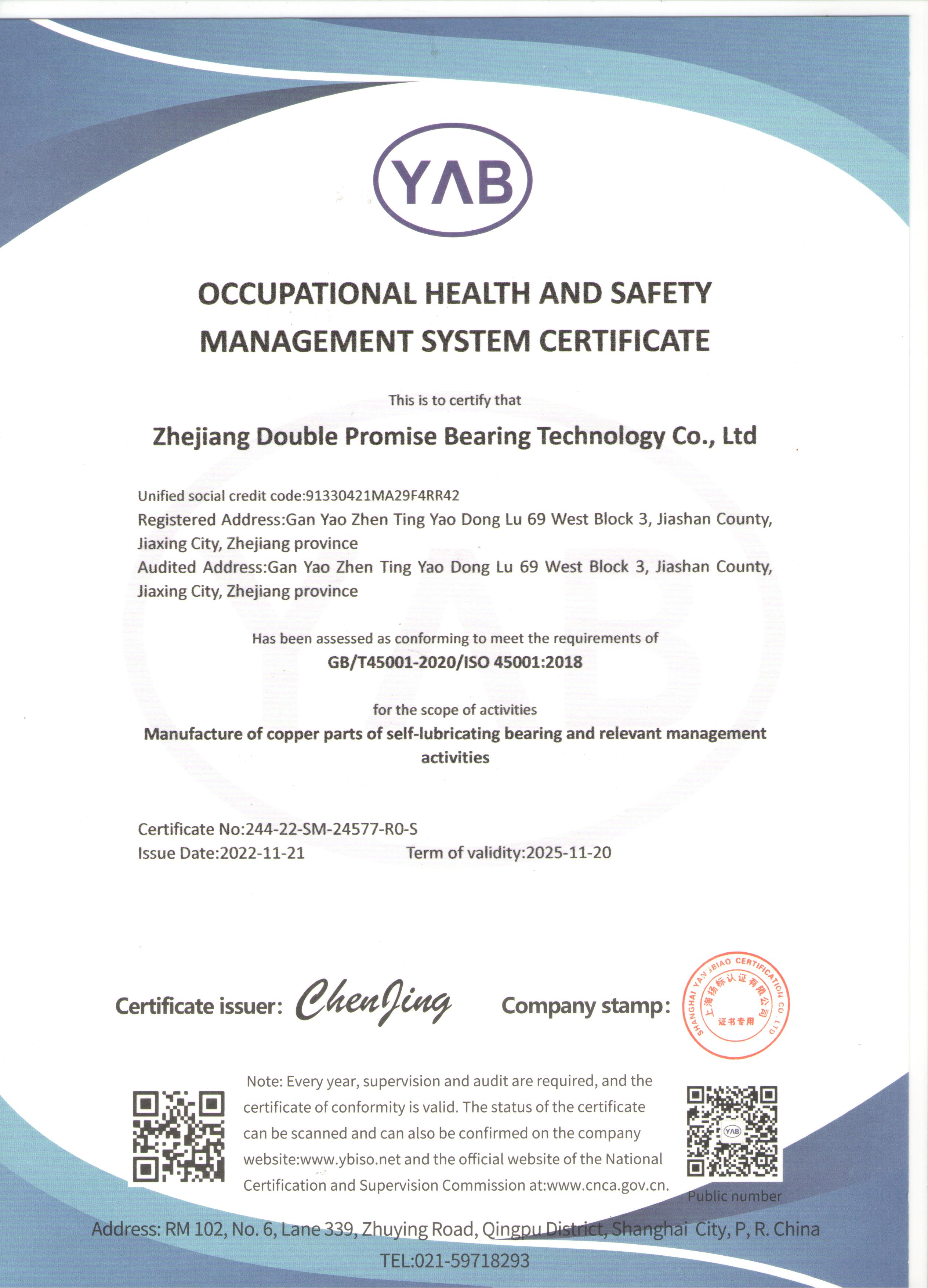
SF-2 Boundary Lubricating Bearing Industry knowledge
Product > SF-2 Boundary Lubricating Bearing
SF-2 Boundary Lubricating Bearing Manufacturer
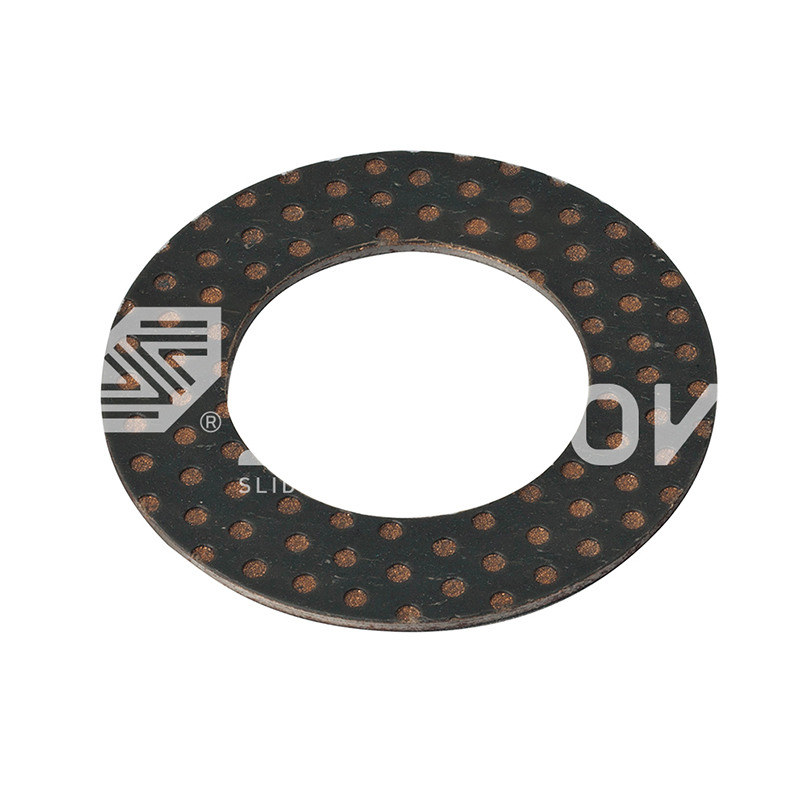
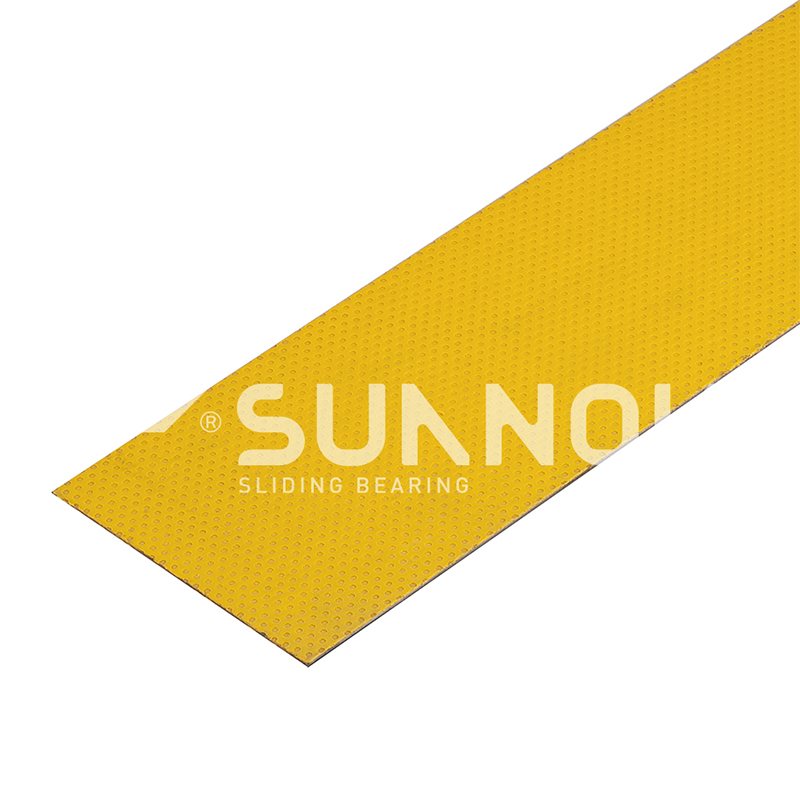
Zhejiang Shuangnuo Bearing Technology Co., Ltd. is a China-based SF-2 Boundary Lubricating Bearing manufacturer specializing in three-layer composite self-lubricating products. Our range includes SF-2 bushings, SF-2Y dry-lubricant bushings, SF-2WC thrust washers, and SF-2SP wear strips—all engineered for high-load, low-speed rotation, oscillation, and frequent start-stop operations where hydrodynamic lubrication is difficult to establish.
We produce these components with a steel backing for load capacity, a sintered porous bronze interlayer for thermal conductivity, and a modified POM (polyoxymethylene) surface filled with PTFE. This structure allows operation with minimal or no external oil, reducing maintenance and extending service life in demanding industrial environments.
Our SF-2 Product Range
SF-2 Boundary Bushing
Cylindrical and flanged bushings for rotating or oscillating shafts. Pre-lubricated with grease pockets for boundary lubrication.
SF-2Y Dry-Lubricant Bushing
Similar structure but optimized for long-term oil-free operation after initial pre-lubrication. Lower friction coefficient for dry running.
SF-2WC Thrust Washer
Standard metric washers for axial load support in gearboxes, pumps, and automotive transmissions. Self-lubricating and corrosion-resistant.
SF-2SP Wear Strip
Flat strips for slideways and guide surfaces, providing low-friction, wear-resistant liners in machinery and equipment.
Application Fit and Engineering Value
SF-2 boundary lubricating bearings are designed for applications where full fluid film lubrication is not achievable, such as:
- Metallurgical and rolling mills: Oscillating and reciprocating parts under heavy load.
- Mining and construction equipment: Pivot points, bucket sleeves, and hydraulic cylinder joints.
- Agricultural machinery: Linkages and transmission components exposed to dirt and moisture.
- Automotive and transportation: Steering systems, suspension bushings, and clutch mechanisms.
- Industrial automation: Conveyor systems, packaging machinery, and robotic joints.
Our engineering team evaluates the working point, load type, speed, and environmental conditions to recommend the appropriate SF-2 variant. For example, SF-2Y is preferred when oil-free operation is critical, while SF-2 with grease pockets suits applications where initial lubrication is possible.
Critical Specifications and Performance
| Parameter | SF-2 / SF-2Y Value |
|---|---|
| Max Static Load | 250 N/mm² |
| Max Dynamic Load | 140 N/mm² |
| Max Oscillating Load | 60 N/mm² |
| PV Limit (Oil) | 22 N/mm²·m/s |
| PV Limit (Dry) | 2.8 N/mm²·m/s |
| Max Line Speed | 2.5 m/s |
| Temperature Range | -40°C to +130°C |
| Friction Coefficient | 0.05–0.25 (SF-2), 0.05–0.20 (SF-2Y) |
These values are based on standard testing conditions. For your specific application, we recommend providing load, speed, and environmental details so we can verify suitability and optimize the design.
Quality Assurance and Manufacturing Process
As a dedicated SF-2 boundary lubricating bearing supplier, we control quality from raw material to finished product. We independently cast our copper alloy bases—brass, aluminum bronze, tin bronze—according to national standard grades. During casting, we perform three spectrometer tests (before, during, and after the furnace) to confirm material composition. We also commission national testing agencies for periodic verification of mechanical properties and can provide authoritative test reports on request.
Our integrated factory, equipped with over 80 CNC machines and machining centers, ensures precision machining and short production cycles. We support ODM/OEM customization, including non-standard sizes and special configurations, based on your drawings or application requirements.
Configuration and Customization
We offer a range of standard metric sizes for bushings and thrust washers, as well as custom dimensions. For SF-2WC washers, we provide standard sizes from SF-2WC10 to SF-2WC62, as listed in our product table. For bushings, we can produce cylindrical, flanged, or special shapes with or without lubrication pockets.
Our customization process includes:
- Material selection (e.g., lead-free options for environmental compliance)
- Dimension and tolerance specification
- Surface treatment or additional machining
- Packaging and delivery requirements
Installation and Maintenance Guidance
For optimal performance, we recommend proper housing and shaft preparation. Ensure surface finish of the mating shaft is around Ra 0.8–1.6 μm. For SF-2 bushings, apply lithium-based or silicone grease to the oil pockets during assembly to enhance initial lubrication. For SF-2Y, a pre-lubrication step is required before long-term oil-free operation. Press-fit using appropriate tools to avoid damage, and allow a run-in period for maximum efficiency.
These bearings are designed for maintenance-free operation under normal conditions. Periodic inspection is recommended in harsh environments to check for wear or contamination.
Information We Use to Configure Your Solution
To prepare a precise quotation and technical proposal, please provide the following details:
- Application description (e.g., oscillating, rotating, thrust load)
- Operating load (radial, axial, or combined) and speed
- Shaft diameter and housing dimensions, or a drawing
- Environmental conditions (temperature, humidity, chemicals, dust)
- Lubrication availability (oil, grease, or dry)
- Required quantity and target delivery schedule
With this information, our engineers can recommend the correct SF-2 variant, confirm load and PV limits, and provide a tailored solution.
Related Products
Our SF-2 line complements other self-lubricating products we manufacture, such as SF-1 Oilless Bearings for higher-speed applications and JDB Solid-lubricating Bearings for extreme loads. Explore our full Product range to find the right bearing for your machinery.
Frequently Asked Questions
Q: What is the difference between SF-2 and SF-2Y bearings?
SF-2 has a modified POM surface with oil pockets that require initial grease application for boundary lubrication. SF-2Y has a similar structure but is optimized for long-term oil-free operation after pre-lubrication, offering a lower friction coefficient in dry conditions.
Are SF-2 bearings lead-free?
Yes, our SF-2 products are lead-free, making them suitable for applications with environmental regulations such as RoHS. The surface layer is modified POM with PTFE, and the bronze interlayer is lead-free.
Can you provide custom sizes for SF-2 bushings?
Absolutely. We support ODM/OEM customization. Provide your drawings or specify the required inner diameter, outer diameter, length, and any special features like flanges or lubrication grooves, and we will manufacture accordingly.
What is the maximum operating temperature for SF-2 bearings?
The standard temperature range is -40°C to +130°C. For short-term exposure, higher temperatures may be tolerated, but we recommend staying within this range for consistent performance.
How do I select between SF-2 and SF-2Y for my application?
If your application can accommodate initial grease application and you need high load capacity with boundary lubrication, SF-2 is suitable. If you require maintenance-free dry operation from the start, SF-2Y is the better choice. Our engineers can help you decide based on your specific operating conditions.
Contact Us //
Have Questions? Get in Touch!

Zhejiang Shuangnuo Bearing Technology Co., Ltd. specializes in the production of various self-lubricating copper alloy products such as SF-2 Boundary Self-Lubricating Bearing Bushing.
Quick Links
Related Products
Contact
- Add: No. 69, Tingyao East Road, Ganyao Town Industrial Zone, Jiashan County, Zhejiang Province, China
- Tel: +86-15957371801
- Fax: +86-0573-84038630
- Email: [email protected]
[email protected]
© 2024 Zhejiang Shuangnuo Bearing Technology Co., Ltd.
Custom SF-2 Boundary Self-Lubricating Bearing Manufacturers
