


 русский
 Español
-
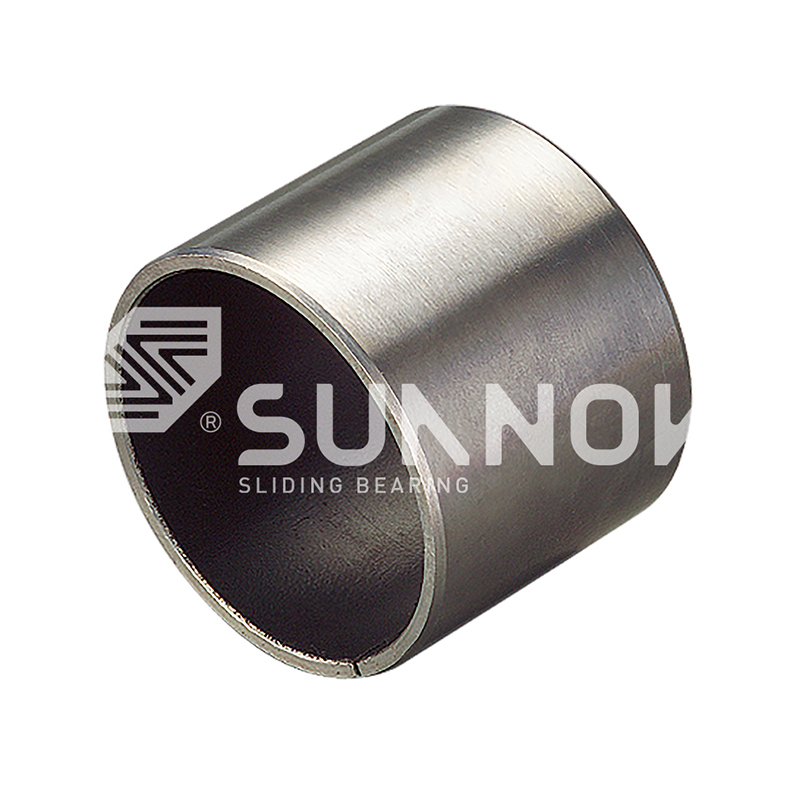 SF-1 Oilless Bearing Self Lubricating SF-1T Metal Gear Pump Bearing Bronze Bushings
 -
-
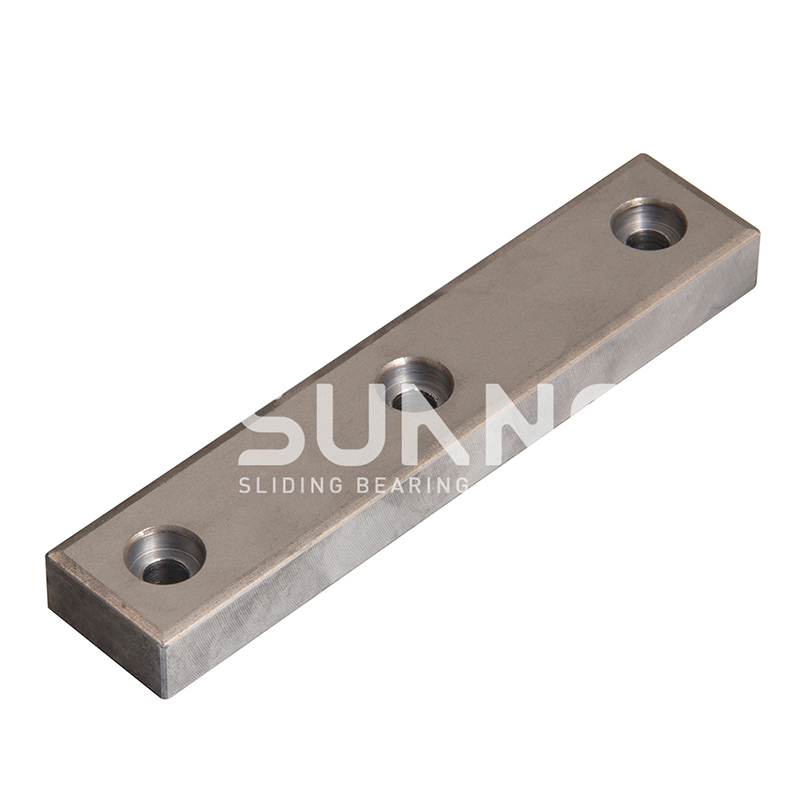 Oil-retaining Bimetallic Bearing Self-Lubricating 200# P20 Steel Graphite Insert Wear Plate / Steel Oilless Wear Strip
 -
-
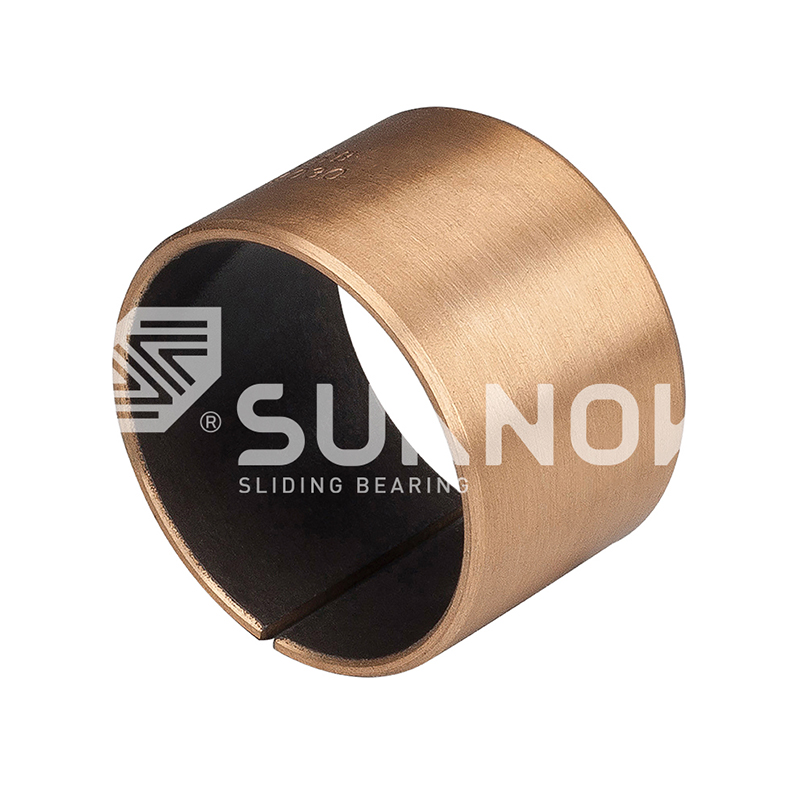
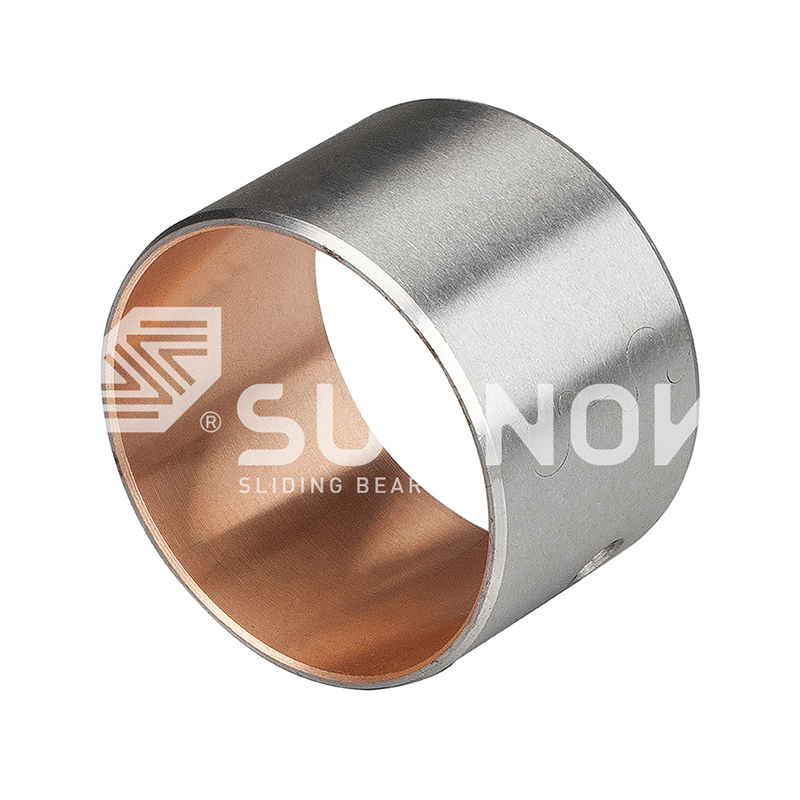 JF-800 Bi-metal Bearing JF-700 Bi-Metal Bearing Heavy Duty Self-Lubricating Sleeve Bushings
 -
-
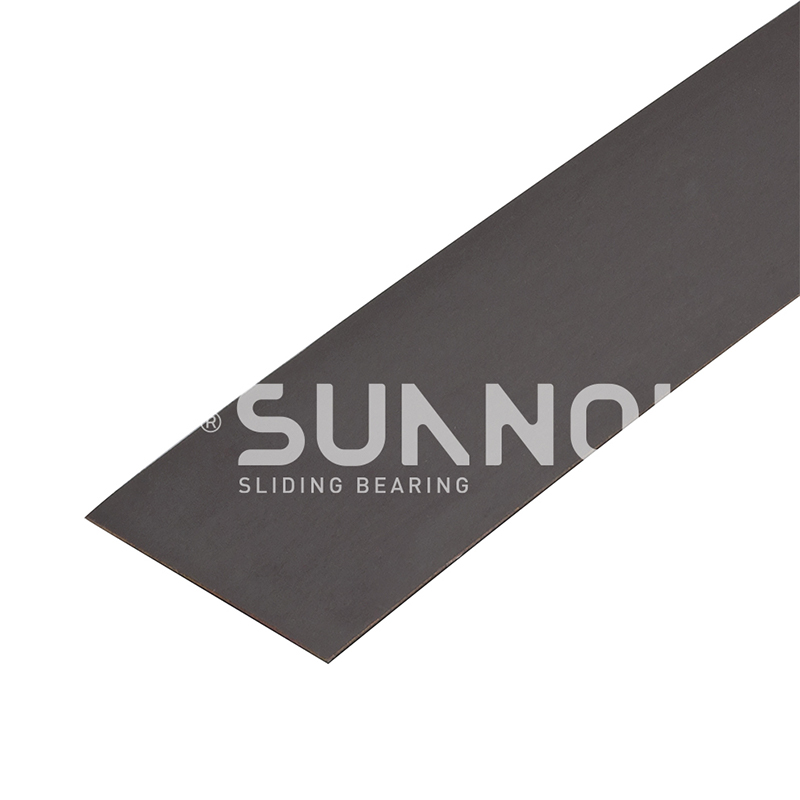 SF-1 Oilless Bearing SF-1SP Strip Standard Metric Size Self-Lubricating Composite Slide Strip
 -
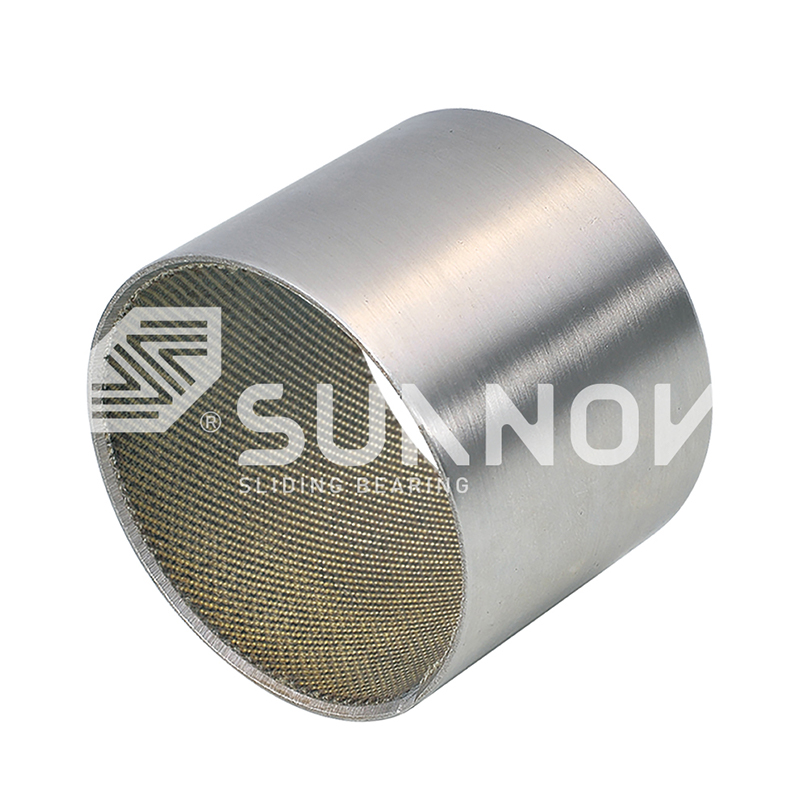
Self-Lubricating Bushings: Benefits, Maintenance & Technical Specs
Industry News-Content
self-lubricating bushings are high-performance plain bearings designed to operate without the need for manual oil or grease application. They contain integrated solid lubricants—such as PTFE, graphite, or oil-impregnated pores—that are released during operation to create a low-friction film between the shaft and the bearing surface. This technology is the primary choice for applications where maintenance is difficult, or where external lubricants could contaminate the environment.
Material Composition and the Role of Bronze
A common technical inquiry is whether bronze bushings are inherently self-lubricating. While standard solid bronze requires external lubrication, "sintered bronze" or "oilite" bushings are a specific class of self-lubricating bushings. These are manufactured through powder metallurgy, creating a porous structure that is vacuum-impregnated with lubricating oil. During rotation, friction generates heat, drawing the oil to the surface; when the motion stops, capillary action pulls the oil back into the pores.
| Bushing Material | Lubrication Type | Operating Environment |
| Sintered Bronze | Internal Oil Reservoir | High-speed, low-load precision motors and appliances. |
| PTFE-Lined Steel | Solid Dry Film | Heavy-duty industrial valves and automotive hinges. |
| Graphite-Plugged Bronze | Solid Graphite Plugs | High-temperature environments (up to 400°C) or submerged use. |
Why Bushings Squeak and How to Fix It
Bushings typically squeak when the lubrication film breaks down, leading to "stick-slip" friction or metal-to-metal contact. This high-pitched noise is a mechanical warning sign of accelerated wear. In self-lubricating bushings, squeaking often occurs if the shaft surface finish is too rough (damaging the lubricant layer) or if the bearing has reached its PV (Pressure-Velocity) limit, causing the internal lubricant to deplete or carbonize.
To eliminate squeaking:
- Check the shaft roughness; a finish of Ra 0.4 to 0.8 μm is usually required for optimal lubricant transfer.
- Ensure the shaft material is harder than the bushing material to prevent scoring.
- Verify that the operating temperature has not exceeded the thermal rating of the integrated lubricant.
The Question of Manual Greasing
Whether you should grease self-lubricating bushings depends strictly on the material type. For dry-film bushings (like PTFE-lined varieties), adding grease can actually be counterproductive. The grease can trap abrasive dust and debris, forming a grinding paste that destroys the thin self-lubricating liner. However, for sintered bronze bushings, a light application of compatible oil during initial installation can assist in the "breaking-in" period without harming the internal reservoir.
Technical Performance Metrics
Engineering a system with self-lubricating bushings requires analyzing the PV value, which is the product of the bearing pressure (P) and the surface velocity (V). This value determines the heat generation rate and the expected service life of the component.
| Metric | Typical Value (Composite) | Impact on Design |
| Max Load (Static) | 250 N/mm² | Determines the maximum weight the bushing can support without deforming. |
| Max Velocity (Dry) | 2.0 m/s | Limits the rotational speed to prevent overheating the lubricant. |
| Friction Coefficient | 0.03 – 0.20 | Indicates the efficiency of the power transmission through the joint. |
Industrial Applications and Practical Use
Because they eliminate the risk of oil leaks, self-lubricating bushings are essential in sensitive sectors. In food processing machinery, they prevent grease from entering the production line. In aerospace, they function in the extreme vacuum of space where traditional liquid oils would evaporate. For standard industrial machinery, they significantly reduce downtime by removing the need for daily or weekly lubrication schedules, allowing for "fit and forget" installations in complex assemblies.
Recommended NEWS:
Self-Lubricating Bronze Bushings: Benefits, Cost Savings, and Selection Guide
SF-1S Self-Lubricating Stainless Steel Bushings: Key Applications and Benefits
The Benefits of Self-Lubricating Copper Alloy Bearings in Reducing Maintenance Costs
Beyond Self-Lubrication: Defining the Performance Limits of Lubricating Bronze Bushings
The Rise of Self-Lubricating Bearings: A Guide to Maintenance-Free Performance
Self-Lubricating Copper Alloy Bearings: Advantages and Applications in Modern Machinery
Recommended LINS:
Contact Us //
Have Questions? Get in Touch!

Zhejiang Shuangnuo Bearing Technology Co., Ltd. specializes in the production of various self-lubricating copper alloy bushing bearings products
Quick Links
Related Products
Contact
- Add: No. 69, Tingyao East Road, Ganyao Town Industrial Zone, Jiashan County, Zhejiang Province, China
- Tel: +86-15957371801
- Fax: +86-0573-84038630
- Email: [email protected]
[email protected]
© 2024 Zhejiang Shuangnuo Bearing Technology Co., Ltd.
Custom Self-Lubricating Copper Alloy Bearings
