


 русский
 Español
-
-
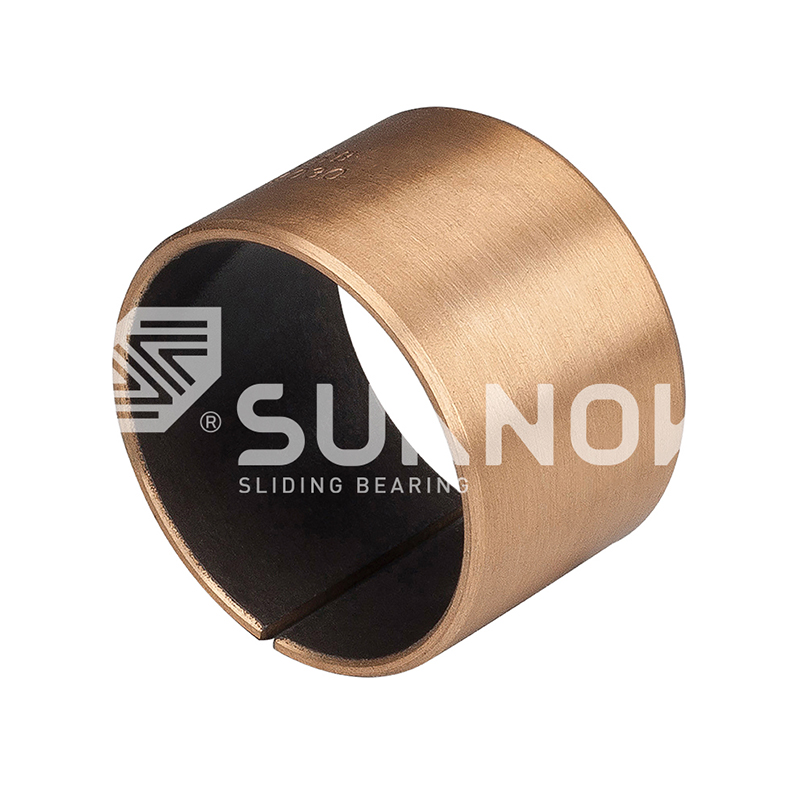
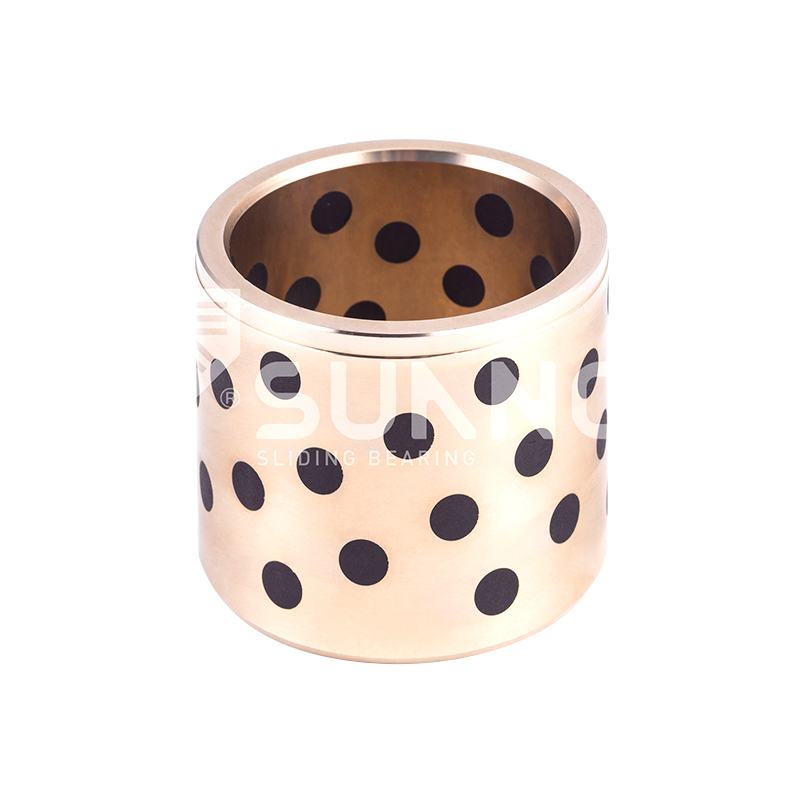 JDB Solid-lubricating Bearing JDB650 Self-Lubricating Brass Bushing Oilless Bearings
 -
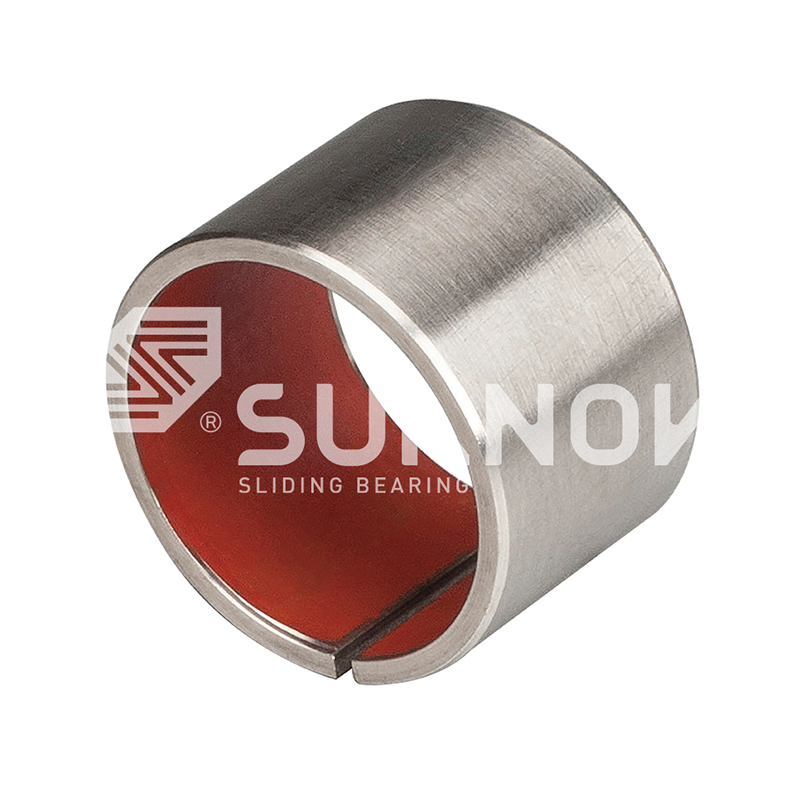
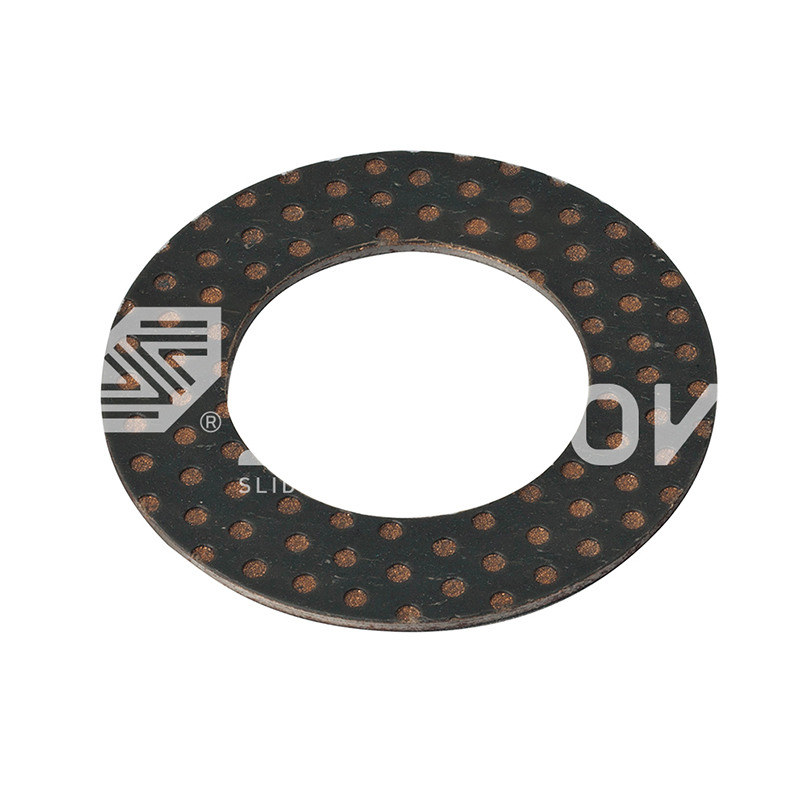 SF-2 Boundary Lubricating Bearing SF-2WC Standard Metric Self-Lubricating Compound Thrust Washer Sliding Washers
 -
-
-
-
-
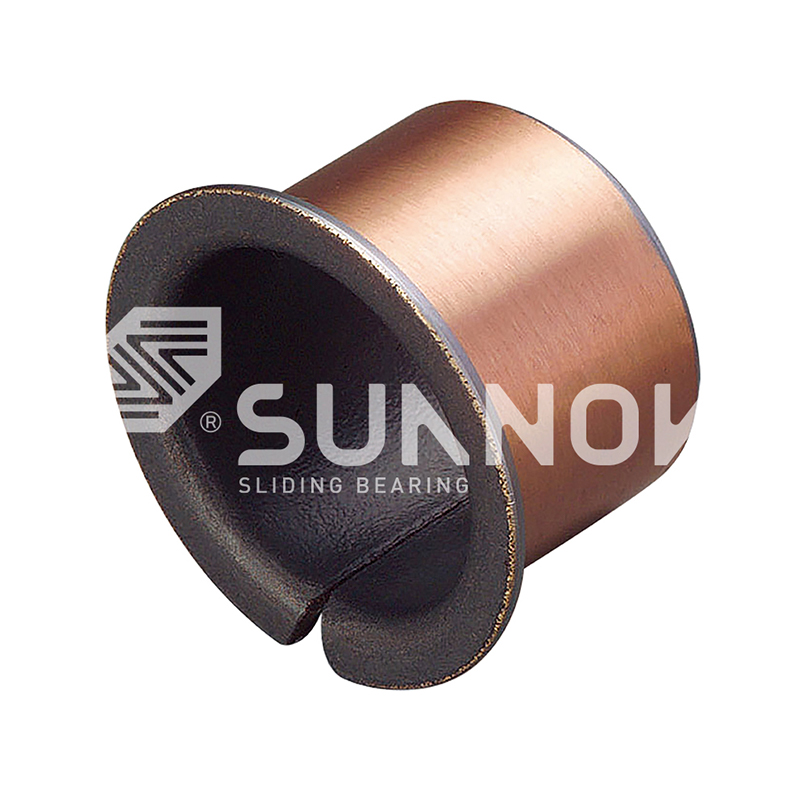
Is a self lubrication bearing more cost-effective than traditional lubricated bushings in corrosive environments?
Industry News-Content
- 1 The Challenge of Lubrication in Corrosive Environments
- 2 Direct Cost vs. Total Cost of Ownership (TCO)
- 3 Performance in High-Load and Chemical Exposure
- 4 Technical Specification: Self-Lubricating vs. Traditional Bushings
- 5 Why Partner with Zhejiang Shuangnuo Bearing Technology?
- 6 Hardcore Technical FAQ
- 7 Technical References
The Challenge of Lubrication in Corrosive Environments
- Lubricant Degradation: In environments involving salt spray, acidic vapors, or high humidity, traditional oil and grease quickly emulsify or wash away. This leaves metal surfaces exposed to direct friction and chemical attack, leading to rapid seizure.
- The Self-Lubricating Solution: A self lubrication bearing utilizes a solid lubricant—typically graphite or PTFE—embedded within a high-strength metal matrix. This design ensures that a lubricating film is maintained even when liquid lubricants fail, significantly extending the service life of the machinery.
- Material Integrity from the Source: Zhejiang Shuangnuo Bearing Technology Co., Ltd. specializes in centrifugal casting and continuous casting of brass, aluminum bronze, and tin bronze. By insisting on independent casting production of raw materials, we ensure the chemical composition is optimized for corrosion resistance from the very beginning.
Direct Cost vs. Total Cost of Ownership (TCO)
- Maintenance-Free Operation: Traditional bushings require regular manual lubrication intervals. In corrosive industrial settings, this often involves hazardous work environments and high labor costs. A self lubrication bearing eliminates the need for external grease systems, reducing labor and lubricant procurement expenses.
- Minimizing Downtime: The primary "hidden cost" of traditional bushings is unplanned downtime caused by bearing failure. Shuangnuo's solid inlaid self-lubricating products are designed for "fit and forget" applications, ensuring consistent mechanical performance and shortening the production cycle for our global clients.
- Advanced Quality Monitoring: To ensure our self-lubricating copper alloy products withstand harsh conditions, we use spectrometers to test material composition three times (before, during, and after the furnace). This level of monitoring guarantees that the mechanical properties of every bearing meet national standards.
Performance in High-Load and Chemical Exposure
- Solid Inlaid Technology: Our solid inlaid products utilize the strength of bronze alloys (like ZCuZn25Al6Fe3Mn3) combined with the low friction of graphite. This combination is particularly cost-effective in corrosive environments where the metal base provides structural support while the solid lubricant protects the shaft from wear.
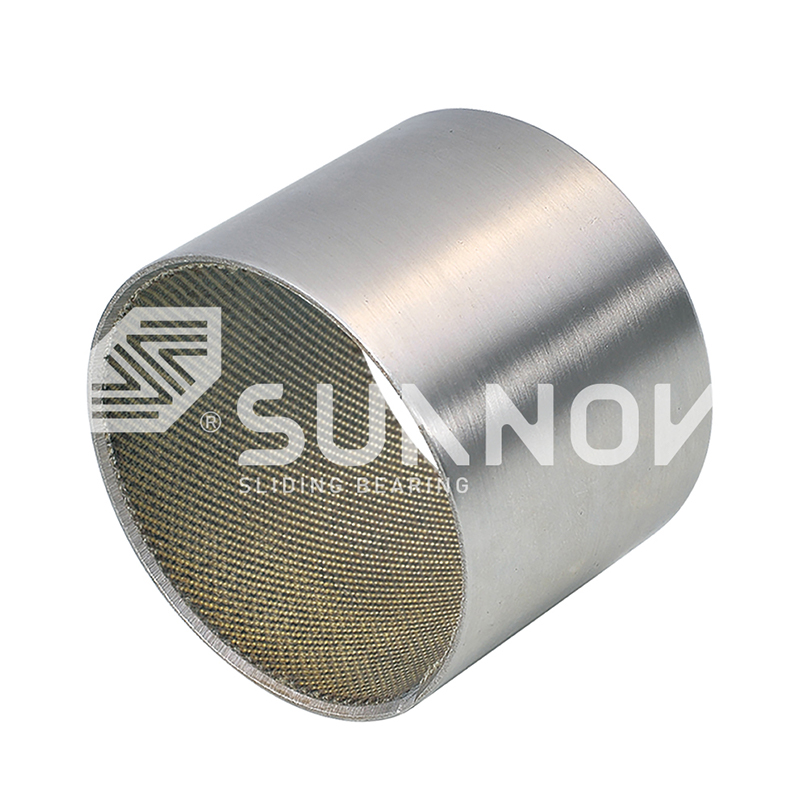
- Bimetallic Sintering: For specific applications, Shuangnuo utilizes sintering technology to produce bimetallic products. These offer a cost-optimized solution for high-volume automotive or industrial parts where a thin layer of specialized alloy provides the necessary corrosion resistance over a steel backing.
- Integrated CNC Processing: With over 80 sets of advanced CNC machine tools and machining centers, we provide integrated production from material to finished product. This ensures precision tolerances that prevent the ingress of corrosive contaminants between the bearing and the shaft.
Technical Specification: Self-Lubricating vs. Traditional Bushings
| Technical Metric | Traditional Grease-Fed Bushing | Shuangnuo Self Lubrication Bearing |
| Lubricant Source | External Oil/Grease | Solid Inlaid Graphite / PTFE |
| Corrosion Sensitivity | High (Grease wash-out) | Very Low (Inert solid lubricant) |
| Maintenance Interval | Frequent (Weekly/Monthly) | Maintenance-Free (Lifetime) |
| Coefficient of Friction | 0.08 - 0.15 (Greased) | 0.03 - 0.12 (Dry) |
| Operating Temp Range | Limited by grease flash point | Up to 300°C (depending on alloy) |
Why Partner with Zhejiang Shuangnuo Bearing Technology?
- 10 Years of R&D Focus: Since our establishment nearly a decade ago, we have focused exclusively on the research and development of new self-lubricating bearings, becoming a "new star" in the domestic industry.
- Customized Design and Customization: We carry out personalized tailor-made design according to the characteristics of your application. Whether it is brass, aluminum bronze, or tin bronze, we select the self-lubricating bearing best suited for your environment.
- Authoritative Certification: We regularly commission national testing agencies to verify our material composition and mechanical properties, providing customers with authoritative test reports for peace of mind in critical infrastructure projects.
Hardcore Technical FAQ
- How does the "solid lubricant" actually work?: As the bearing rotates, a minute amount of the inlaid graphite is transferred to the shaft, creating a smooth, low-friction "transfer film" that prevents metal-to-metal contact.
- Can self-lubricating bearings work underwater?: Yes. Many of our tin bronze and aluminum bronze alloys are specifically designed for marine or submerged applications where liquid grease would be environmentally hazardous or ineffective.
- What is "centrifugal casting" and why is it better?: Centrifugal casting creates a denser, more uniform grain structure in the copper alloy compared to traditional sand casting, resulting in superior wear resistance and higher load-carrying capacity.
- Do these bearings require any initial grease?: While they can run completely dry, a small amount of initial grease during installation can help facilitate the formation of the lubricant transfer film.
- What is the maximum load capacity?: High-strength brass alloys like our JDB series can handle static loads up to 100 N/mm² and dynamic loads up to 60 N/mm².
Technical References
- ISO 4379: Plain bearings — Copper alloy bushes.
- ASTM B505: Standard Specification for Copper Alloy Continuous Castings (relevant for bronze bushings).
- GB/T 18254: National standard for high-carbon chromium bearing steel (reference for bimetallic backing).
Recommended NEWS:
Detailed explanation of oil-containing bimetallic bearings: an efficient choice for self-lubrication, wear resistance and low maintenance
How do self-lubricating copper alloy bearings perform in extreme working environments?
Zhejiang Shuangnuo Bearing Technology Co., Ltd. will be present at the 2025 Shenzhen International Industrial Expo to showcase self-lubricating bearings
The influence of ball bearing cage design on lubrication effect
Innovative application of solid lubrication bearings in new energy vehicles
Oil-containing bimetallic bearings: the key to solving common lubrication problems in heavy equipment
Recommended LINS:
Contact Us //
Have Questions? Get in Touch!

Zhejiang Shuangnuo Bearing Technology Co., Ltd. specializes in the production of various self-lubricating copper alloy bushing bearings products
Quick Links
Related Products
Contact
- Add: No. 69, Tingyao East Road, Ganyao Town Industrial Zone, Jiashan County, Zhejiang Province, China
- Tel: +86-15957371801
- Fax: +86-0573-84038630
- Email: [email protected]
[email protected]
© 2024 Zhejiang Shuangnuo Bearing Technology Co., Ltd.
Custom Self-Lubricating Copper Alloy Bearings
