


 русский
 Español
-
-
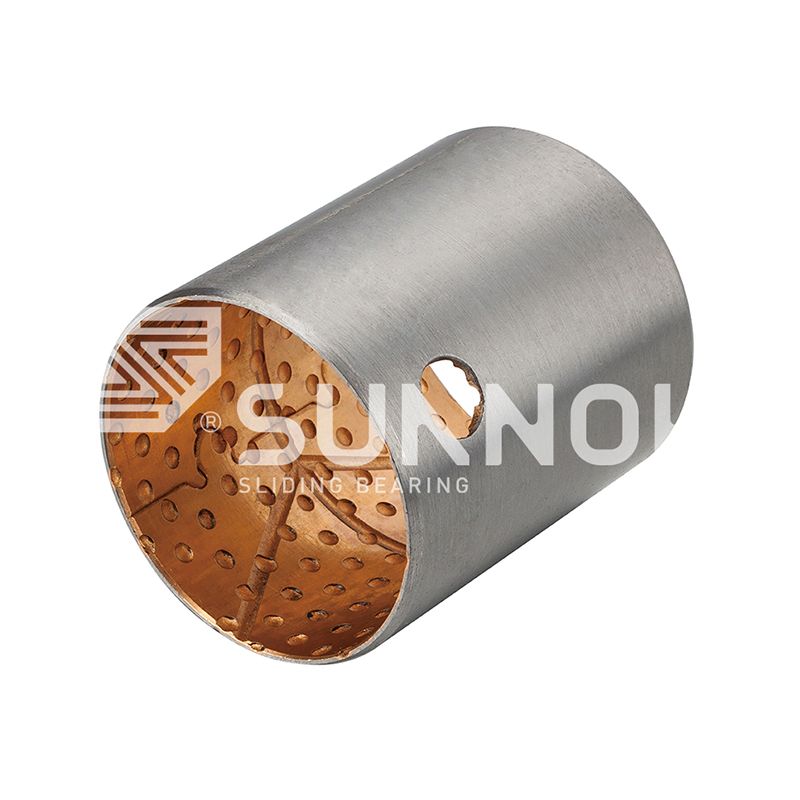 JF-800 Bi-metal Bearing JF-750 Self-Lubricating Lead Free Bi-Metal Bearing for Heavy Duty Engines Low Friction
 -
-
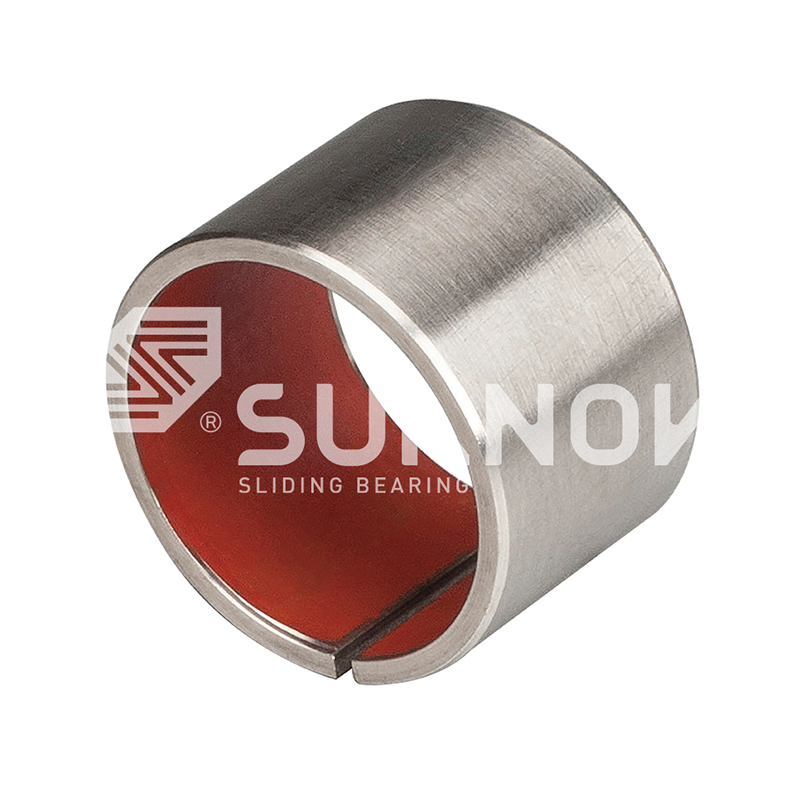
 SF-2 Boundary Lubricating Bearing SF-2Y Boundary Self-lubricating Bearing - Low Friction Dry Lubricant Bushings for Industrial Machinery
 -
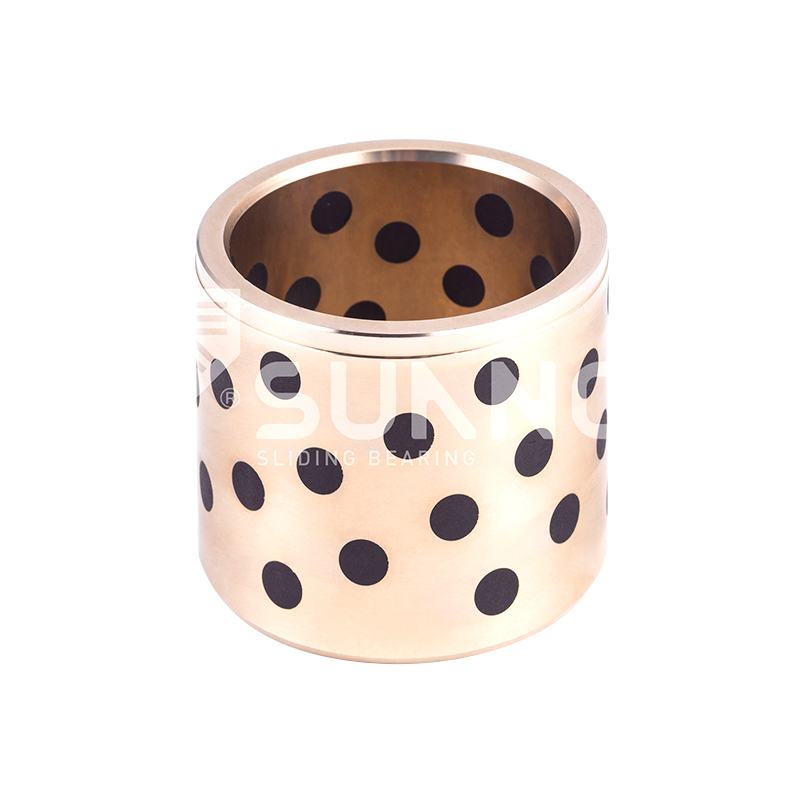 JDB Solid-lubricating Bearing JDB650 Self-Lubricating Brass Bushing Oilless Bearings
 -
-
 SF-1 Oilless Bearing SF-1SP Strip Standard Metric Size Self-Lubricating Composite Slide Strip
 -
 SF-1 Oilless Bearing Maintenance-Free SF-1W Wall Wrapped Lead-Free Bronze Bearing Oilless Bearing Bush
How to Choose Self Lubricating Sleeve Bearings for Industrial Machinery and Maintenance-Free Applications
Industry News-Content
Industrial machinery designers face a recurring tradeoff: bearings that perform well under load often require frequent relubrication, while low-maintenance options can fall short on load capacity or lifespan. A self lubricating sleeve bearing is built to resolve that tradeoff by embedding lubrication directly into the bearing structure, whether through oil-impregnated porous metal, graphite plugs, or composite liners. This removes the need for external grease fittings and scheduled relubrication in many applications, which lowers downtime and simplifies maintenance planning. This guide covers the main bearing types, the applications where each performs best, the technical properties worth comparing before purchase, and the material and design factors that influence long-term service life.
Definition
A self lubricating sleeve bearing is a cylindrical bearing component that retains a lubricant within its own structure, such as oil held in a porous metal matrix or solid graphite embedded in the bearing surface, so it does not require external grease or oil replenishment during normal operation.
Types of Self Lubricating Sleeve Bearings
Selecting the right sleeve bearing starts with understanding how each type stores and delivers its lubricant. The main types of self lubricating sleeve bearings differ in construction, load handling, and the operating conditions they tolerate.
- Oil Impregnated Bearing - a sintered bronze or iron structure with interconnected pores that hold oil, releasing it to the shaft surface as heat and pressure build during operation, common in oil impregnated sleeve bearing applications with moderate loads and speeds.
- Graphite Plugged Bearing - a metal sleeve with solid graphite plugs set into the bore, providing lubrication even at low speeds or intermittent motion where oil films are harder to maintain.
- Bronze Sleeve Bearing - a solid or impregnated bronze alloy body valued for load capacity and machinability, frequently selected for bronze sleeve bearing for heavy load use in industrial equipment.
- Dry Running Bearing - a composite or polymer-lined sleeve designed to operate with no oil or grease at all, suited to environments where contamination from lubricant leakage is unacceptable.
- Composite Sleeve Bearing - layered construction combining a metal backing with a low-friction polymer or PTFE-based liner, offering maintenance free sleeve bearing solutions for lighter to moderate loads.
| Bearing Type | Lubrication Method | Typical Fit |
| Oil Impregnated Bearing | Oil held in porous sintered structure | Moderate speed, continuous rotation |
| Graphite Plugged Bearing | Solid graphite plugs | Low speed, intermittent or oscillating motion |
| Bronze Sleeve Bearing | Impregnated or plugged bronze body | Higher load, industrial machinery |
| Dry Running Bearing | Self-lubricating polymer liner | Contamination-sensitive environments |
| Composite Sleeve Bearing | PTFE or polymer liner layer | Light to moderate load, corrosion exposure |
Applications of Self Lubricating Sleeve Bearings
The value of a maintenance free bearing for machinery becomes most apparent in equipment that runs continuously or sits in locations that are difficult or costly to access for routine servicing.
Motors and Rotating Equipment
A self lubricating sleeve bearing for motors supports the rotor shaft while tolerating the steady rotational loads typical of electric motor operation. Because the bearing does not depend on external grease delivery, it reduces the risk of under-lubrication failures that can occur when maintenance schedules slip.
Pumps and Compressors
In sleeve bearing for pumps and compressors, resistance to fluid ingress and consistent low-friction operation both matter, since these systems often run near process fluids that could wash out conventional grease. Oil-impregnated and composite designs are commonly selected here for their combination of sealed lubrication and chemical tolerance.
Heavy Duty Industrial Machinery
Heavy duty machinery bearings need to handle higher radial loads without excessive wear. A self lubricating bearing for industrial equipment in this category typically favors bronze or bronze-composite construction, which balances load capacity with the embedded lubrication benefit.
Automation and Motion Control
Automation equipment bearings support linear actuators, robotic joints, and conveyor systems where consistent, predictable friction matters for positioning accuracy. Composite sleeve bearings are often favored here for their low and stable friction coefficient across repeated motion cycles.
Motors Continuous rotation, moderate load
Pumps and compressors Fluid exposure, sealed lubrication
Heavy machinery Higher radial load capacity
Automation systems Repeated motion, low friction
Key Performance Properties Buyers Should Evaluate
Choosing between bearing types on application alone is not enough. Buyers should also compare measurable performance properties that directly affect service life and reliability under real operating conditions.
Wear Resistance
Sleeve bearing wear resistance performance depends on the hardness and structure of the bearing surface relative to the shaft material. Harder alloy surfaces and consistent lubricant film formation both reduce material loss over repeated cycles.
Load Capacity
Self lubricating sleeve bearing load capacity is determined by wall thickness, alloy composition, and bearing length relative to shaft diameter. Bronze and composite designs generally offer higher load tolerance than lighter polymer-only constructions.
Friction Coefficient
Oil impregnated bearing friction coefficient tends to be lowest once a stable lubricant film forms at operating speed, while graphite-plugged designs maintain lower friction at startup and low-speed conditions where oil films have not yet developed.
Temperature Tolerance
Graphite sleeve bearing temperature resistance is generally higher than oil-impregnated designs, since graphite lubrication does not depend on a liquid phase that can thin or degrade at elevated temperatures.
Expected Lifespan
Maintenance free bearing lifespan is influenced by load, speed, alignment accuracy, and operating environment, so buyers should evaluate expected service conditions against a supplier's technical documentation rather than assuming uniform performance across bearing types.
Material and Design Considerations
Material selection shapes nearly every performance characteristic of a sleeve bearing, from load capacity to chemical resistance.
Bronze Alloy Bearing
- Higher load capacity
- Good machinability and dimensional stability
- Suited to industrial and heavy machinery use
- Can be oil impregnated or graphite plugged
Composite Sleeve Bearing
- Lower weight, corrosion resistant
- Consistent low friction across cycles
- Well suited to lighter, precision applications
- Less tolerant of very high radial loads
Porous metal bearing structure is central to oil-impregnated designs: the sintering process leaves interconnected voids that act as a reservoir, drawing oil to the surface through capillary action as the shaft rotates and heats the bearing. Composite sleeve bearing design instead relies on a solid low-friction liner bonded or mechanically locked to a metal backing, which removes the dependency on a stored liquid lubricant entirely. Self lubricating bearing material selection should weigh expected load, operating temperature, and exposure to contaminants or process fluids, since no single material performs best across every condition. Dry running bearing structure advantages become most relevant when any lubricant leakage, however small, would be unacceptable in the surrounding process or product environment.
FAQ
What is a self lubricating sleeve bearing
It is a cylindrical bearing that holds its lubricant within its own structure, using methods such as oil-impregnated porous metal, embedded graphite plugs, or a low-friction polymer liner, rather than relying on external grease application.
How does a self lubricating bearing work
Depending on the design, the bearing either releases stored oil to the shaft surface through capillary action as operating temperature rises, or presents a permanently low-friction solid lubricant such as graphite or PTFE directly at the bearing surface.
What materials are used in sleeve bearings
Common materials include sintered bronze, sintered iron, solid bronze alloys, graphite-plugged metal sleeves, and composite constructions combining a metal backing with a PTFE or polymer liner.
Are self lubricating bearings maintenance free
Many self lubricating sleeve bearings substantially reduce or eliminate the need for scheduled relubrication under normal operating conditions, though actual service intervals still depend on load, speed, temperature, and the specific bearing design.
Where are sleeve bearings used
They are used across motors, pumps, compressors, heavy industrial machinery, and automation equipment, wherever a rotating or oscillating shaft needs consistent support with minimal ongoing maintenance.
How long do sleeve bearings last
Service life varies by bearing type, material, load, and operating environment, so buyers should reference the technical specifications for a given bearing rather than assume a fixed lifespan across all applications.
Final Thoughts
Selecting the right bearing comes down to matching lubrication method, material, and load capacity to the actual operating conditions of the equipment. Oil impregnated and graphite plugged designs suit different speed and load profiles, while composite and dry running constructions serve applications where contamination control matters more than raw load capacity. Reviewing these factors against documented specifications, rather than assuming interchangeability, is the most reliable way to choose a self lubricating sleeve bearing that delivers consistent performance and a lower total maintenance burden over its service life.
Recommended NEWS:
The Benefits of Maintenance-Free Solid Lubricant Bearings for Industrial Applications
Self-Lubricating Copper Alloy Bearings: The Future of Solid-Lubricating Bearings and JDB-600 Casting Bronze Bearings
Self-Lubricating Copper Alloy Bearings: A Comparative Analysis with JDB-600 Casting Bronze and Oil-Retaining Bimetallic Bearings
Bronze Wrapped Bushings for Heavy Machinery: Durable Solutions for Demanding Applications
Solid Lubricant Embedded Bushings: The Ultimate Guide to Maintenance-Free Performance
SF-1S Self-Lubricating Stainless Steel Bushings: Key Applications and Benefits
Recommended LINS:
Contact Us //
Have Questions? Get in Touch!

Zhejiang Shuangnuo Bearing Technology Co., Ltd. specializes in the production of various self-lubricating copper alloy bushing bearings products
Quick Links
Related Products
Contact
- Add: No. 69, Tingyao East Road, Ganyao Town Industrial Zone, Jiashan County, Zhejiang Province, China
- Tel: +86-15957371801
- Fax: +86-0573-84038630
- Email: [email protected]
[email protected]
© 2024 Zhejiang Shuangnuo Bearing Technology Co., Ltd.
Custom Self-Lubricating Copper Alloy Bearings
