


 русский
 Español
-
-
-
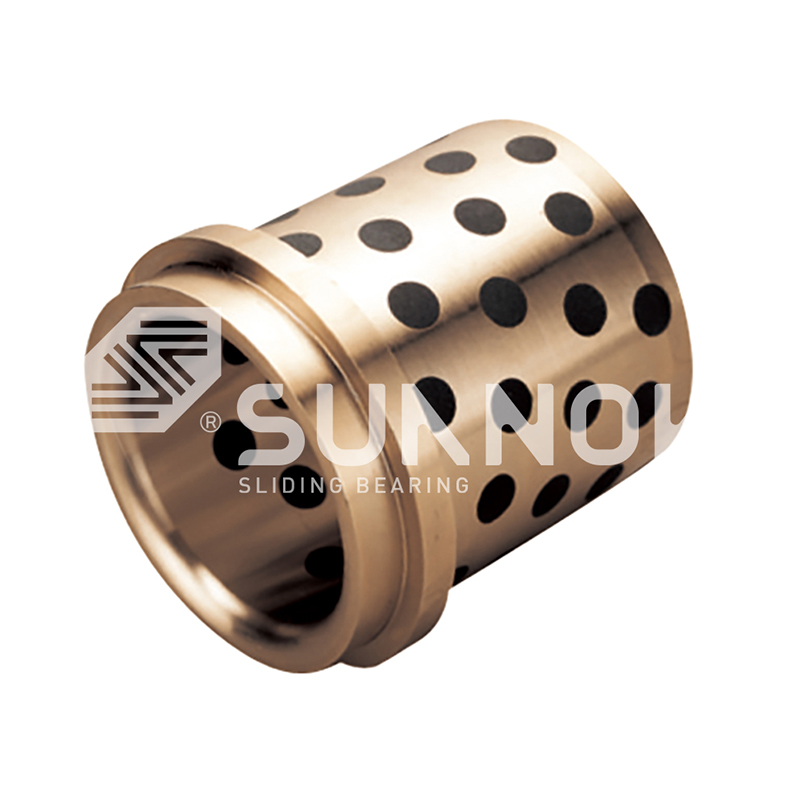 JDB Solid-lubricating Bearing Dual Flange Embedded Graphite Bronze Sleeve Bearing, High Load Maintenance Free Brass Bushing GB61 NAAMS
 -
-
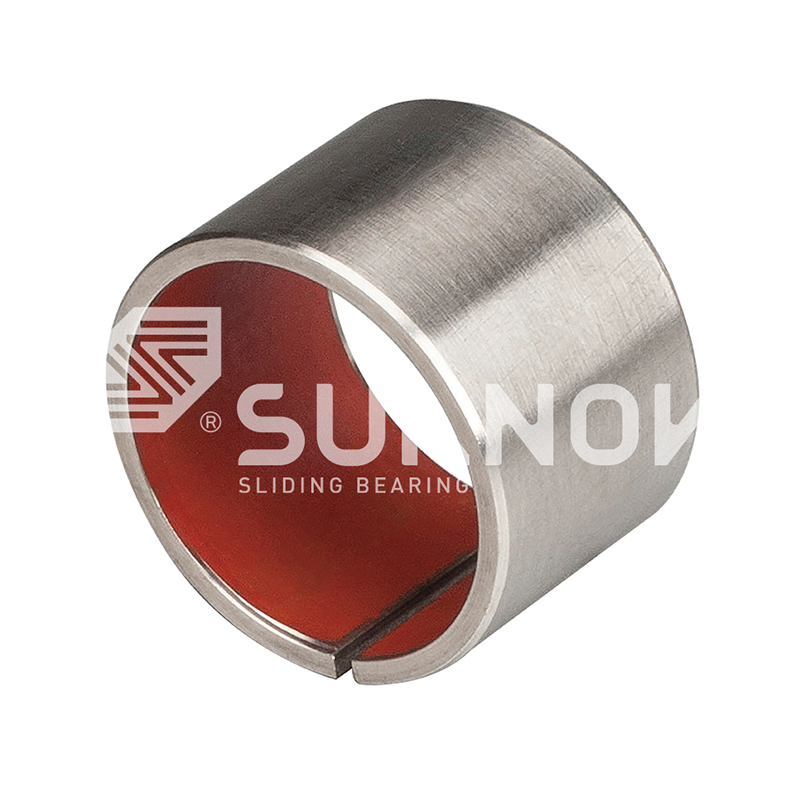
 SF-2 Boundary Lubricating Bearing SF-2Y Boundary Self-lubricating Bearing - Low Friction Dry Lubricant Bushings for Industrial Machinery
 -
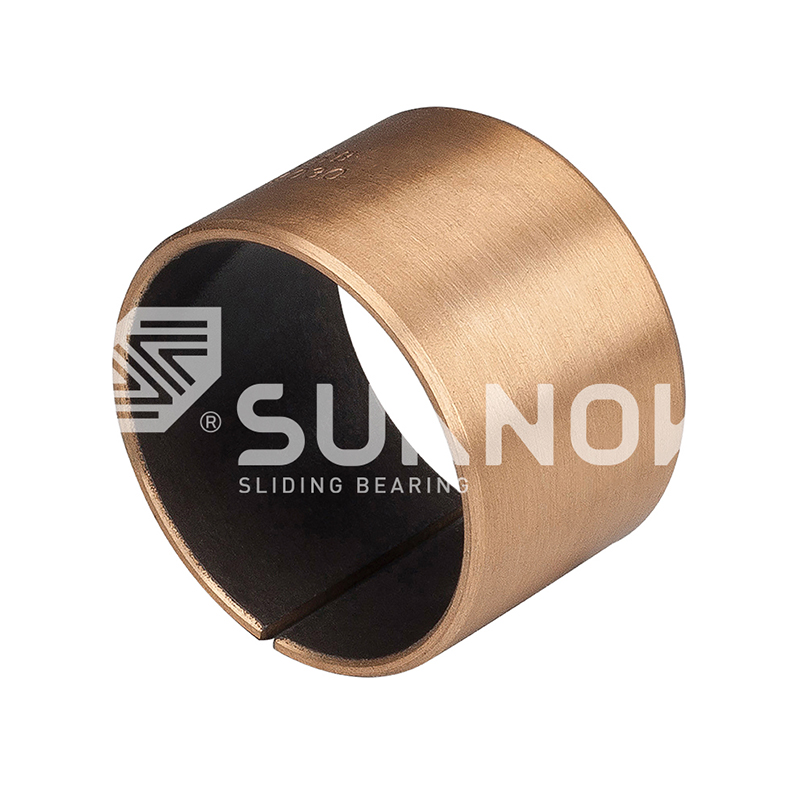
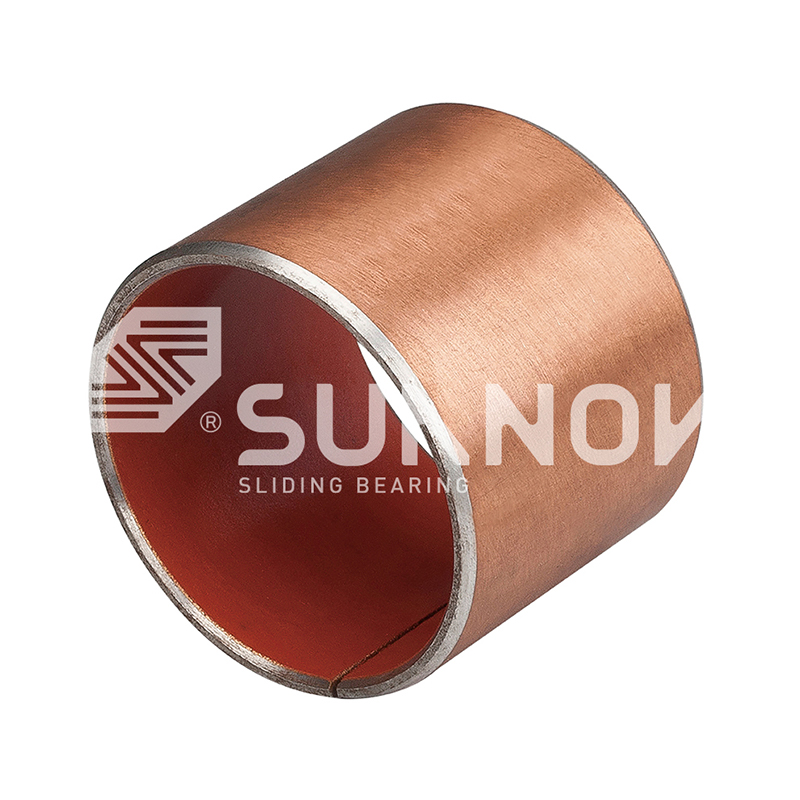 SF-1 Oilless Bearing Maintenance-Free SF-1W Wall Wrapped Lead-Free Bronze Bearing Oilless Bearing Bush
 -
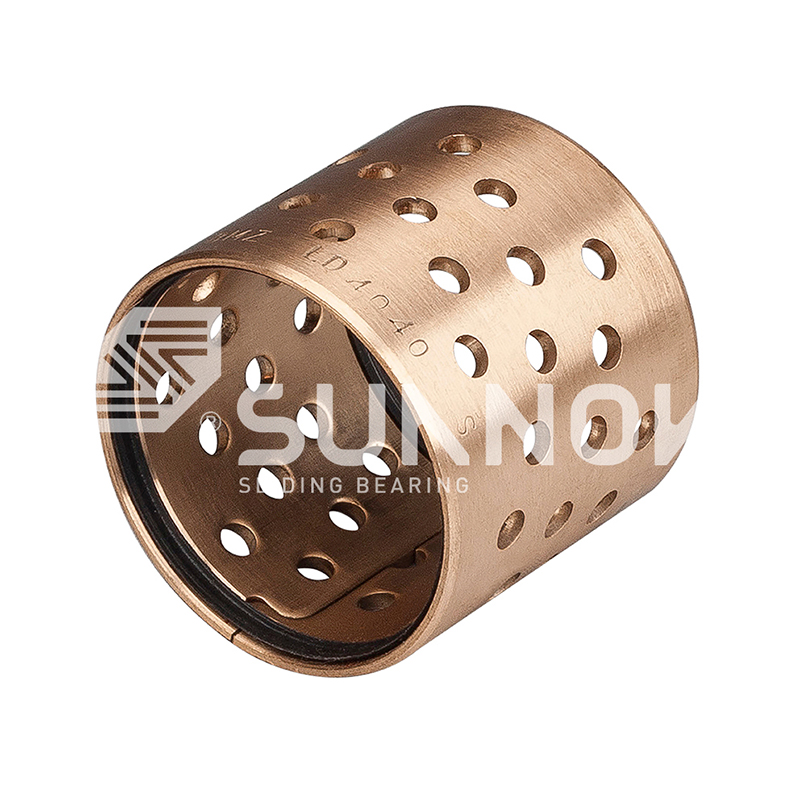 FB090 Bronze Wrapped Bearing FB094 Bronze Wrapped Bearing: Lead-free, High Load Capacity, Self-lubricating
 -
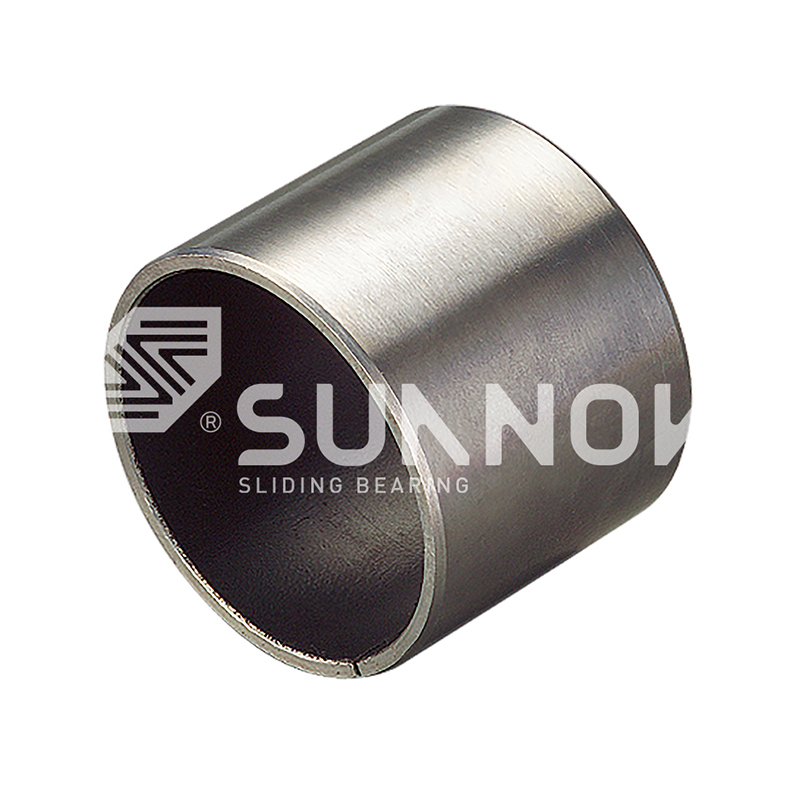 SF-1 Oilless Bearing Self Lubricating SF-1T Metal Gear Pump Bearing Bronze Bushings
Self Lube Bushings for Maintenance-Free and High-Load Applications
Industry News-Content
- 1 Self Lube Bushings Load Capacity: Static, Dynamic, and Edge Loading
- 2 Self Lube Bushings Wear Resistance: How Embedded Lubricant Reduces Friction
- 3 Self Lube Bushings Service Life: What Determines Longevity in the Field
- 4 Self Lube Bushings Material Options: Matching Compound to Condition
- 5 Self Lube Bushings for Industrial Machinery: Application-Specific Requirements
- 6 Self Lube Bushings vs Bronze Bushings: The Maintenance Cost Equation
Self lube bushings are maintenance-free plain bearings engineered with solid lubricant reservoirs embedded directly into the bearing material — eliminating the need for external grease, oil lines, or scheduled lubrication intervals. In industrial machinery where access is restricted, contamination is a risk, or downtime is simply not an option, self-lubricating bushings represent a fundamental shift in how bearing life is managed.
Zero External Lubrication Required
50kN+ Max Radial Load Capacity
3× Service Life vs Grease Bushings
300°C Operating Temp (Graphite Grade)
Self Lube Bushings Load Capacity: Static, Dynamic, and Edge Loading
Self lube bushings load capacity is defined across three operating conditions: static load (sustained pressure without movement), dynamic load (load under continuous rotation or oscillation), and edge load (concentrated pressure at the bushing rim due to shaft misalignment). Each condition produces a different failure mode, and each material responds to them differently.
Composite self-lubricating bushings — steel-backed with a PTFE/lead-free bronze sintered layer — are rated for dynamic loads up to 140 MPa under continuous rotation and static loads exceeding 250 MPa. Solid bronze bushings with graphite plugs handle similar dynamic ratings but outperform composite types under edge loading conditions, where the harder substrate resists deformation at contact edges during misaligned shaft operation.
Bushing Type Static Load (MPa) Dynamic Load (MPa) Edge Load Resistance
Steel-PTFE Composite 250 140 Moderate
Graphite Plug Bronze 300 120 High
Acetal / Nylon Polymer 60 40 Low
Cast Iron + Graphite 350 100 Very High
Shaft hardness is the critical pairing variable for load capacity. Self-lubricating bushings operating under high dynamic loads require a shaft surface hardness of HRC 45 minimum — softer shafts accelerate bushing wear by transferring abrasion from the bushing surface to the shaft, creating a spiral degradation loop that reduces effective load capacity well below the bushing's rated specification.
Self Lube Bushings Wear Resistance: How Embedded Lubricant Reduces Friction
Self lube bushings wear resistance operates through a transfer film mechanism. As the shaft rotates against the bushing surface, embedded PTFE, graphite, or MoS₂ particles are progressively released onto the shaft surface, forming a thin, bonded lubricating film. This film reduces the coefficient of friction at the interface — typically to 0.04–0.12 depending on material — and is continuously replenished from the bushing's lubricant reservoir as it depletes.
The transfer film is self-regulating: under higher load and velocity, more lubricant is released; under lighter conditions, release slows. This adaptive behavior is what differentiates self-lubricating bushings from externally lubricated systems, where lubricant is applied at fixed intervals regardless of actual interface conditions — resulting in either over-lubrication (contamination risk) or under-lubrication (premature wear).
PTFE Composite
μ 0.04–0.08Lowest friction coefficient. Ideal for light-to-medium load, high-speed oscillation, and food-grade applications requiring zero contamination.
Graphite Bronze
μ 0.08–0.15Excellent at elevated temperature. Graphite's lubricity improves above 200°C — uniquely suited for furnace conveyors, glass handling, and hot press tooling.
MoS₂ Filled Nylon
μ 0.10–0.20Cost-effective for light-duty applications. Corrosion-immune and electrically non-conductive — preferred in electronics assembly equipment and wet environments.
Self Lube Bushings Service Life: What Determines Longevity in the Field
Self lube bushings service life is governed by the PV limit — the product of bearing pressure (P, in MPa) and sliding velocity (V, in m/s). Every bushing material has a maximum PV rating beyond which the lubricant transfer film cannot regenerate fast enough to prevent direct metal-to-metal contact. Operating within 70–80% of the rated PV limit is the single most effective measure for maximizing service life in continuous-duty applications.
In controlled field trials comparing maintenance-free composite bushings against grease-lubricated bronze bushings in packaging machinery, the self-lubricating units recorded 22,000 operating hours before replacement versus 7,000 hours for the grease-lubricated equivalent — a 3× service life advantage attributable entirely to consistent lubrication at the contact interface and elimination of contamination-related wear spikes that occur during re-greasing cycles.
Service Life Factors
- Operating within 75% of rated PV limit
- Shaft hardness at or above HRC 45
- Shaft surface finish Ra 0.4–0.8 μm
- Correct housing bore tolerance (H7)
- Operating temperature within material range
Life Reduction Triggers
- Shaft misalignment exceeding 0.5°
- Abrasive contamination in bore clearance
- Thermal cycling beyond material range
- Shaft surface roughness above Ra 1.6 μm
- Overloading during start-stop cycles
Self Lube Bushings Material Options: Matching Compound to Condition
Self lube bushings material options fall into four primary categories, each engineered for a distinct operating environment. The selection decision is driven by load magnitude, operating temperature, chemical exposure, and whether the application permits any shaft surface conditioning.
Steel-PTFE
Composite Multilayer
Steel backing — sintered bronze interlayer — PTFE/polymer surface. The industry workhorse for general industrial use. Operating range -200°C to +280°C. FDA-compliant grades available for food and pharmaceutical equipment.
Bronze + Graphite
High-Temp Solid Bronze
Centrifugally cast or sintered bronze with solid graphite plugs machined into the bore. Rated to 300°C continuous. Preferred for steel mill roll necks, kiln car wheels, and glass annealing lehr conveyors where PTFE would decompose.
Polymer
Acetal / Nylon / PEEK
Fully non-metallic — immune to galvanic corrosion, electrically non-conductive, suitable for wash-down environments. PEEK grades extend the temperature ceiling to 250°C and resist most industrial solvents. Lower load capacity than metallic types.
Cast Iron
Graphite-Filled Cast Iron
The highest static load rating in the self-lubricating category. Used in heavy press tooling, hydraulic cylinder guides, and rolling mill equipment where compressive loads exceed what bronze composites can sustain. Not suitable for high-speed rotation.
Self Lube Bushings for Industrial Machinery: Application-Specific Requirements
Self lube bushings for industrial machinery must address application conditions that standard bearing selection charts do not capture: dust ingress in aggregate processing equipment, chemical wash-down in food production lines, thermal cycling in injection molding clamp units, or vacuum conditions in semiconductor handling equipment where outgassing from the bushing material would contaminate the process environment.
In each case, the bushing's material must be selected not just for its friction and load characteristics, but for its compatibility with the surrounding environment. PTFE composite bushings are FDA-compliant and resistant to most cleaning chemicals — the correct choice for food and pharmaceutical machinery. Graphite bronze bushings are inert to most industrial fluids but react with certain chlorinated solvents — a compatibility check is mandatory before specification in chemical processing equipment.
Packaging Machinery
Steel-PTFE composite at conveyor pivot points and cam follower bushings. Zero lubrication eliminates product contamination risk. Operating speed typically 0.1–1.5 m/s at moderate radial loads.
Agricultural Equipment
Graphite bronze in tillage equipment linkages and planter row unit pivots. Dust, abrasive soil, and seasonal storage make grease lubrication impractical — self-lubricating units survive 3–5 seasons without service.
Injection Molding Clamp Units
Composite bushings in toggle mechanism pivots. Thermal cycling between mold-open and mold-close positions, combined with high cyclic load, demands consistent lubrication that grease cannot maintain under heat.
Steel Mill Auxiliary Equipment
Graphite-plugged cast iron in rolling mill guide bushings and descaler pivot pins. Continuous water spray, scale contamination, and temperatures exceeding 200°C eliminate all alternatives except dry-film lubricant types.
Self Lube Bushings vs Bronze Bushings: The Maintenance Cost Equation
The self lube bushings vs bronze bushings comparison resolves to a lifecycle cost question once the application environment is defined. Plain bronze bushings — CuSn8, CuZn31Si1, or similar alloys — offer excellent compressive strength and reliable performance when correctly lubricated. The operative condition is correctly lubricated: bronze bushings depend entirely on external grease or oil to maintain the hydrodynamic film that prevents metal-to-metal contact. When that film is absent — due to missed lubrication intervals, contamination, or inaccessible lube points — bronze bushings fail rapidly.
In a documented maintenance study across a 48-unit conveyor system, switching from grease-lubricated bronze bushings to self lube bushings reduced maintenance labor by 74% annually, eliminated six unplanned shutdowns per year attributed to lube-point failures, and extended average bushing replacement intervals from 14 months to 42 months. The upfront cost premium of self-lubricating units was recovered within the first operating year.
| Comparison Factor | Self Lube Bushing | Plain Bronze Bushing |
| Lubrication Requirement | None — embedded lubricant | Regular grease / oil intervals |
| Service Life (typical) | 22,000+ operating hours | 7,000–10,000 hours (lubed) |
| Performance Under Neglect | Unaffected — self-regulating | Rapid failure within hours |
| High-Temp Capability | Up to 300°C (graphite grade) | Up to 150°C (oil-lubed limit) |
| Contamination Sensitivity | Low — no external lube ingress | High — grease attracts debris |
| Unit Cost | 15–40% higher | Lower upfront cost |
| 10-Year Total Cost | Lower (labor + downtime saved) | Higher (maintenance overhead) |
Recommended NEWS:
The Benefits of Maintenance-Free Solid Lubricant Bearings for Industrial Applications
The Rise of Self-Lubricating Bearings: A Guide to Maintenance-Free Performance
Solid Lubricant Embedded Bushings: The Ultimate Guide to Maintenance-Free Performance
SF-1S Self-Lubricating Stainless Steel Bushings: Key Applications and Benefits
Self-Lubricating Bronze Bushings: Benefits, Cost Savings, and Selection Guide
Bronze Wrapped Bushings for Heavy Machinery: Durable Solutions for Demanding Applications
Recommended LINS:
Contact Us //
Have Questions? Get in Touch!

Zhejiang Shuangnuo Bearing Technology Co., Ltd. specializes in the production of various self-lubricating copper alloy bushing bearings products
Quick Links
Related Products
Contact
- Add: No. 69, Tingyao East Road, Ganyao Town Industrial Zone, Jiashan County, Zhejiang Province, China
- Tel: +86-15957371801
- Fax: +86-0573-84038630
- Email: [email protected]
[email protected]
© 2024 Zhejiang Shuangnuo Bearing Technology Co., Ltd.
Custom Self-Lubricating Copper Alloy Bearings
