


 русский
 Español
-
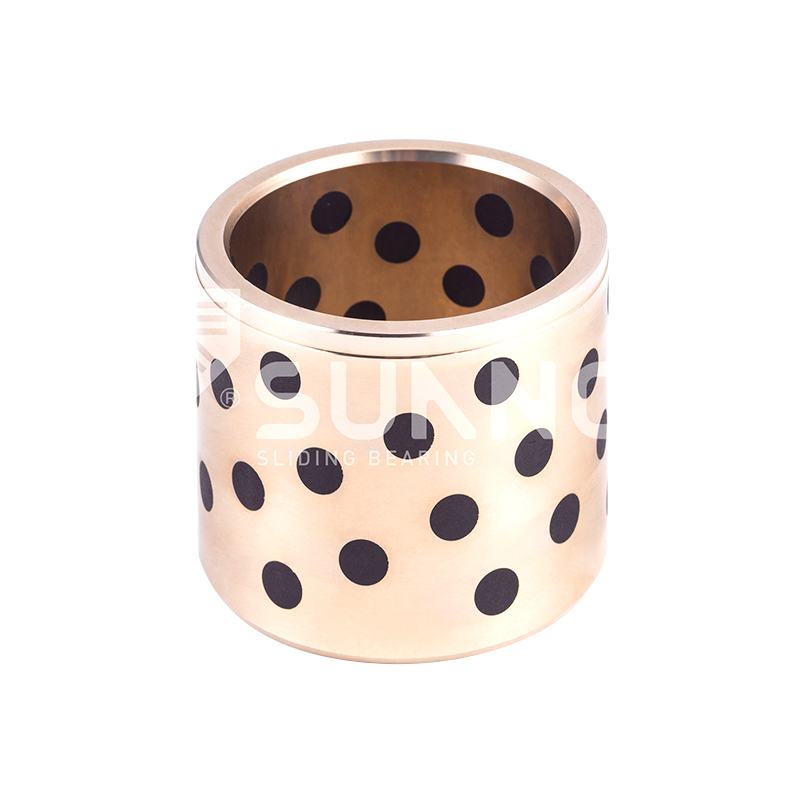 JDB Solid-lubricating Bearing JDB650 Self-Lubricating Brass Bushing Oilless Bearings
 -
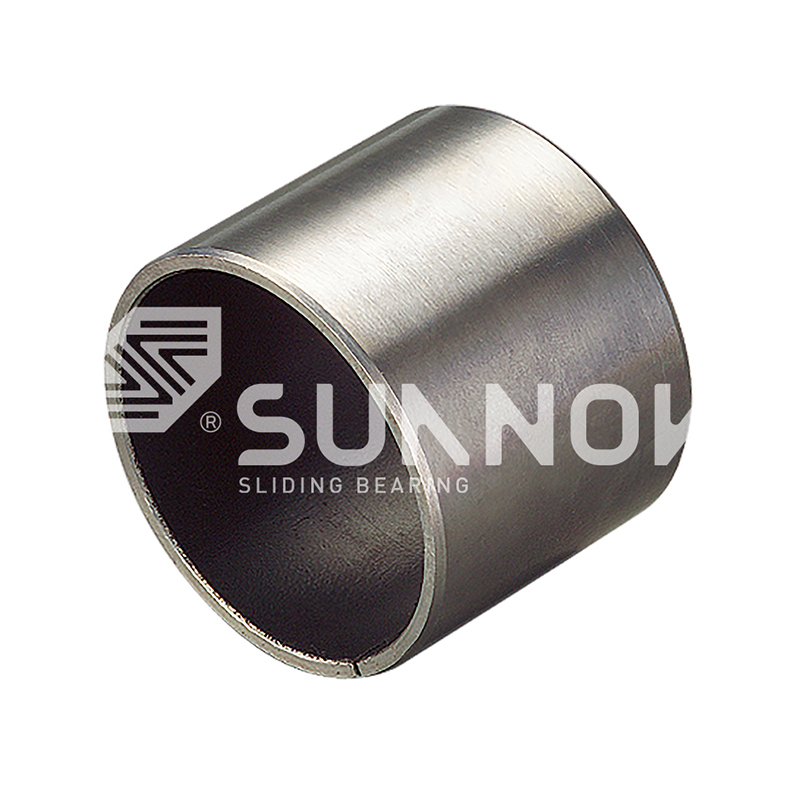 SF-1 Oilless Bearing Self Lubricating SF-1T Metal Gear Pump Bearing Bronze Bushings
 -
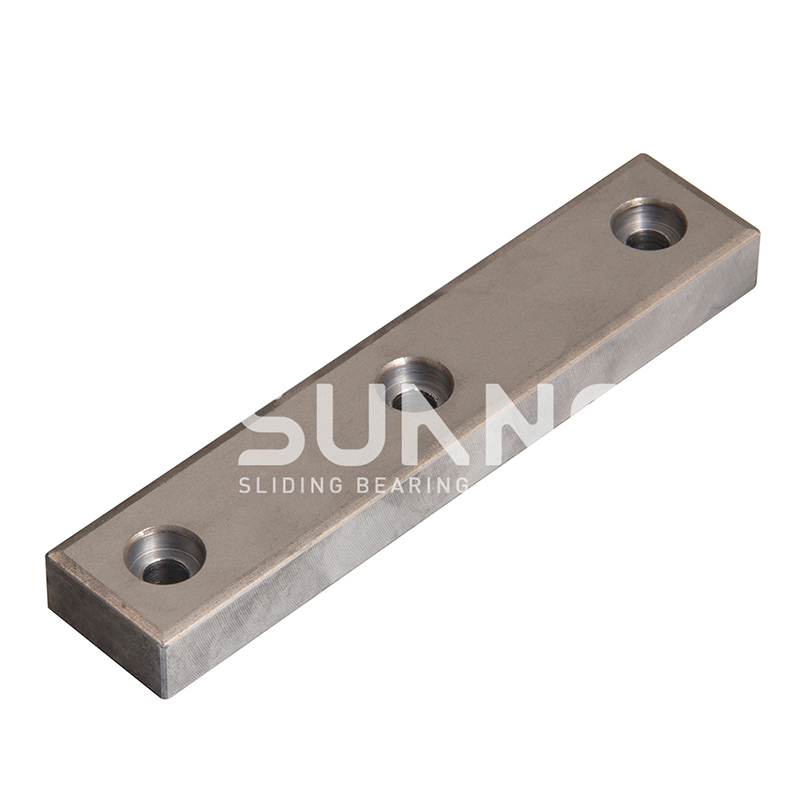 Oil-retaining Bimetallic Bearing Self-Lubricating 200# P20 Steel Graphite Insert Wear Plate / Steel Oilless Wear Strip
 -
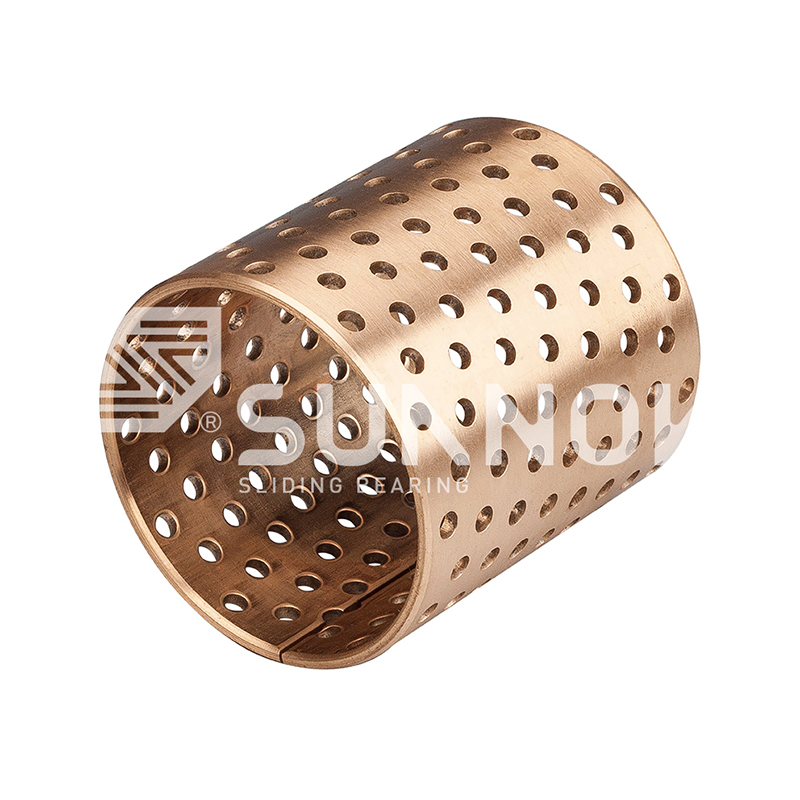 FB090 Bronze Wrapped Bearing FB092 Bronze Wrapped Bearing - Oilless Dry Sliding Bushing Self-Lubricating Bushing
 -
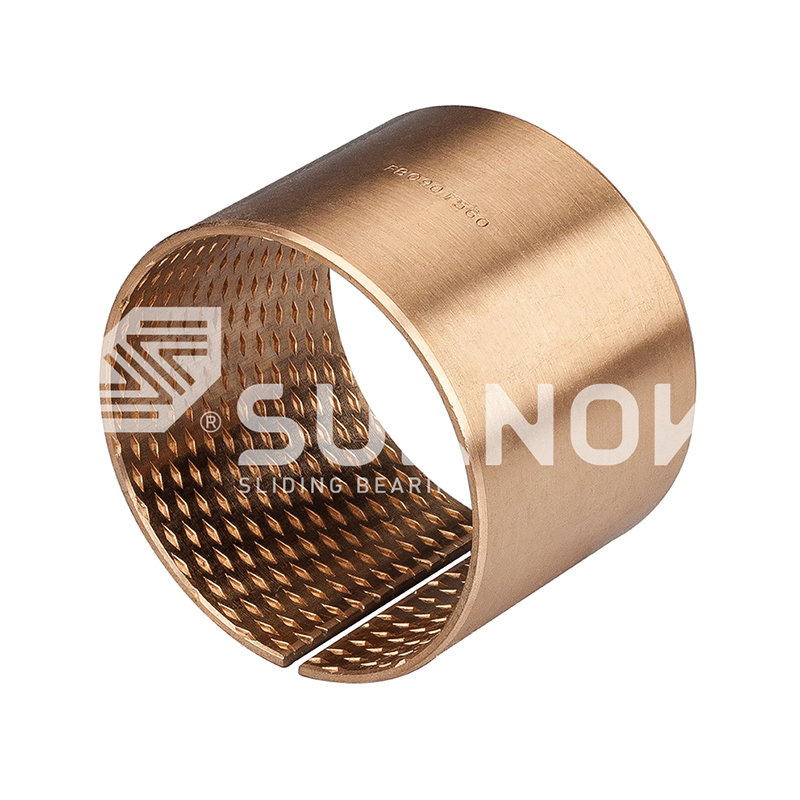 FB090 Bronze Wrapped Bearing FB090 Bronze Wrapped Bearing | Self-Lubricating Bushing & Sleeve
 -
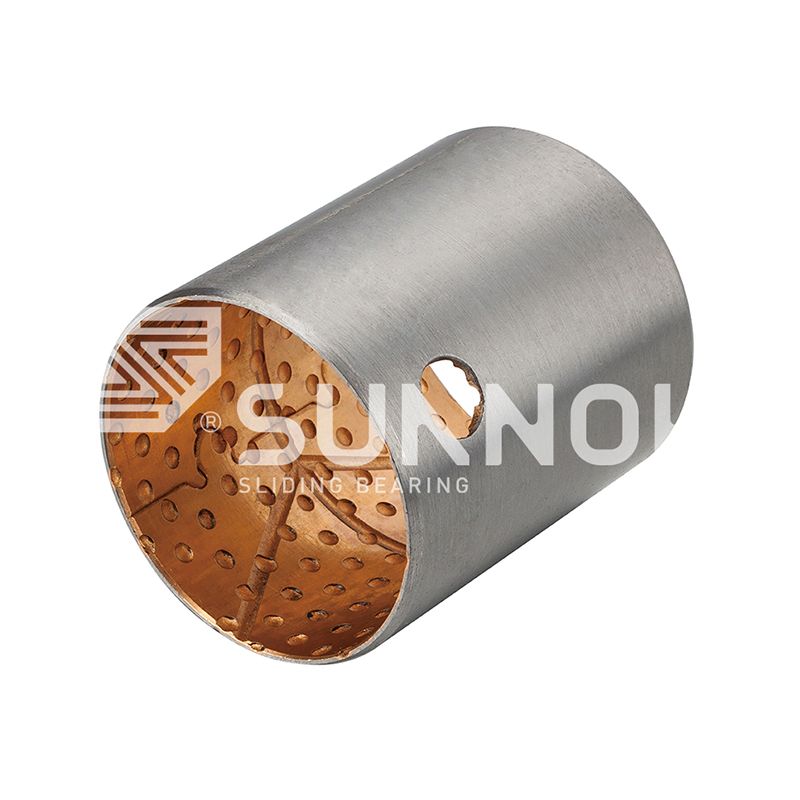 JF-800 Bi-metal Bearing JF-750 Self-Lubricating Lead Free Bi-Metal Bearing for Heavy Duty Engines Low Friction
 -
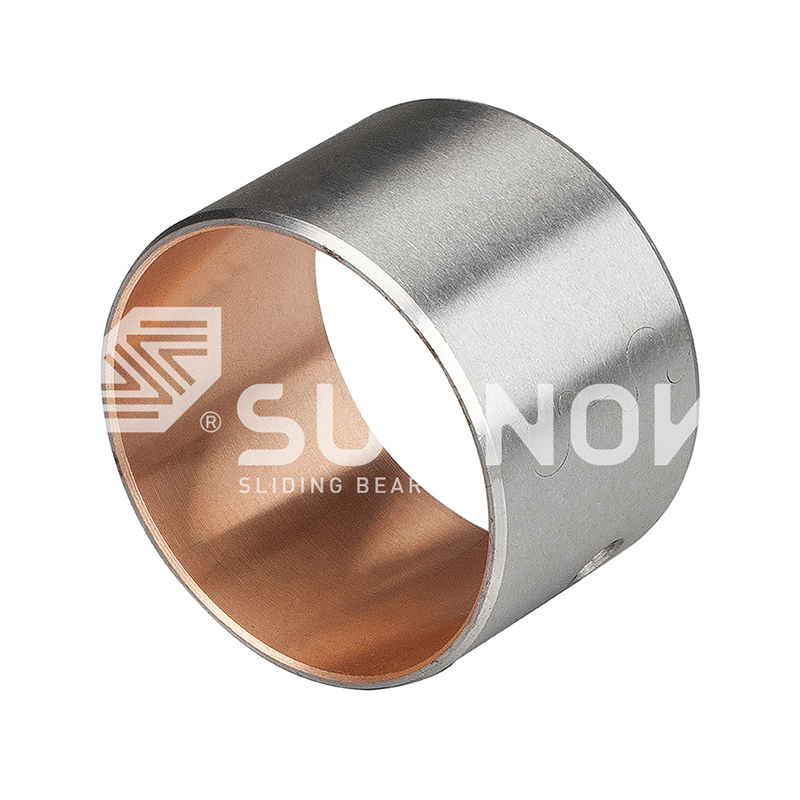 JF-800 Bi-metal Bearing JF-700 Bi-Metal Bearing Heavy Duty Self-Lubricating Sleeve Bushings
 -
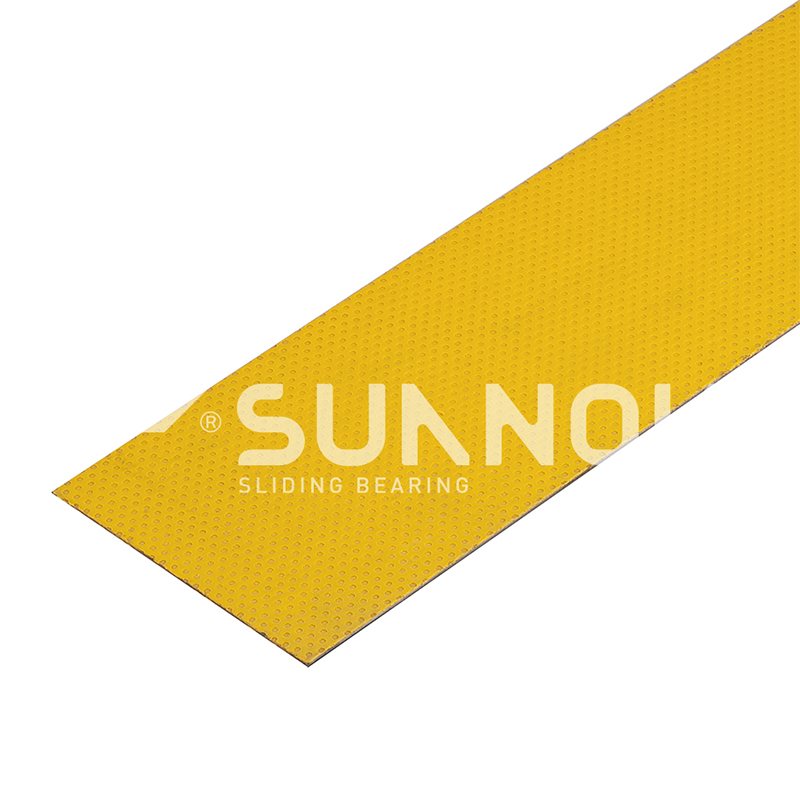 SF-2 Boundary Lubricating Bearing SF-2SP Standard Metric Size Self Lubricating Wear Strip With PTFE
What Are Self-Lubricating Bearings? Types, Uses & Selection
Industry News-Content
- 1 What Self-Lubricating Bearings Are and How They Work
- 2 Are Sleeve Bearings Self-Lubricating?
- 3 Are Ceramic Bearings Self-Lubricating?
- 4 Do Conventional Bearings Need Lubrication?
- 5 Self-Lubricating Bearing Types Compared
- 6 Where Self-Lubricating Bearings Outperform Greased Alternatives
- 7 Key Selection Parameters and Common Sizing Errors
Quick Answer
Self-lubricating bearings are bearing components engineered to supply their own lubrication during operation — eliminating the need for external grease or oil maintenance. They achieve this through embedded solid lubricants (such as PTFE, graphite, or molybdenum disulfide) that transfer a thin film onto the mating surface as the bearing wears in. This makes them the preferred choice in applications where relubrication is impractical, impossible, or would contaminate the process.
To answer the related questions directly: sleeve bearings can be self-lubricating — in fact, sintered bronze sleeve bearings are one of the most common self-lubricating bearing types. Ceramic bearings are not inherently self-lubricating, though their low surface energy reduces lubricant demand. And conventional bearings — ball, roller, or plain — do require lubrication unless they are specifically manufactured with a self-lubricating design.
What Self-Lubricating Bearings Are and How They Work
The defining feature of a self-lubricating bearing is its ability to generate a continuous lubricant film from within the bearing material itself, without any external supply. This occurs through one of three primary mechanisms:
Solid Lubricant Transfer Film
The bearing matrix contains dispersed particles of PTFE, graphite, or MoS2. As the shaft rotates, shear stress causes these particles to smear onto the shaft surface, forming a transfer film typically 0.1 to 1.0 microns thick. Once established, this film reduces the friction coefficient to as low as 0.03 to 0.10 — comparable to a well-lubricated oil bearing.
Oil-Impregnated Sintered Metal
Sintered bronze or iron powder is compacted and sintered to create a porous matrix with 15–30% void volume by total bearing volume. This pore network is vacuum-impregnated with oil. During operation, thermal expansion pumps oil to the surface; when stationary, capillary action draws it back. No external oil reservoir is required.
Composite PTFE Liner
A woven or sintered PTFE-fiber liner is bonded to a steel backing. The PTFE content — commonly 15–25% by weight with glass fiber or bronze fill — provides structural support while the PTFE migrates under load. These liners achieve PV (pressure-velocity) ratings of up to 0.1 MPa·m/s in dry running conditions.
Are Sleeve Bearings Self-Lubricating?
Sleeve bearings (also called plain bearings or journal bearings) can be either conventionally lubricated or self-lubricating depending on their construction material. The distinction matters when selecting for maintenance-free applications.
Sintered bronze sleeve bearings are the most widely used self-lubricating sleeve bearing type. The ISO 2795 and MPIF Standard 35 define oil content requirements for these components — a standard grade contains a minimum of 19% oil by volume. They are found in electric motors, household appliances, office equipment, and automotive auxiliary drives where bearing access is sealed or difficult.
Solid polymer sleeve bearings made from acetal (POM), nylon (PA6/PA66), or PEEK with internal lubricant additives are another self-lubricating sleeve format. These operate without any oil at all, making them suitable for food processing, medical devices, and underwater applications where oil contamination is prohibited.
Hydrodynamic steel-backed sleeve bearings — such as those used in large crankshafts and turbine journals — are not self-lubricating. They require a pressurized oil supply at all times to maintain the hydrodynamic wedge that separates shaft from bearing. Failure of the oil supply causes immediate bearing failure in these designs.
Are Ceramic Bearings Self-Lubricating?
Ceramic bearings are frequently marketed with the phrase "runs dry" — which creates confusion about whether they are truly self-lubricating. The precise answer is: no, ceramic bearings are not self-lubricating, but their material properties significantly reduce lubrication requirements compared to steel.
Silicon nitride (Si3N4), the most common ceramic bearing material, has several properties that reduce lubricant dependency:
- Surface hardness of 1,400–1,600 HV versus 700–800 HV for bearing steel — reducing adhesive wear in marginal lubrication conditions
- Density of 3.2 g/cm³ versus 7.8 g/cm³ for steel — generating lower centrifugal forces on the raceway at high speed, allowing thinner lubricant films to maintain separation
- Low coefficient of thermal expansion (3.2 × 10⁻⁶/°C) — reducing internal clearance variation with temperature swings that would squeeze out lubricant in a steel bearing
- Non-magnetic and electrically non-conductive — preventing the electrostatic discharge lubricant degradation that occurs in steel bearings used in variable frequency drive applications
In practice, full ceramic bearings can survive short periods without lubrication in clean, low-load conditions — particularly at very high speeds where the contact time per revolution is extremely brief. But for sustained operation, a lubricant — even a minimal dry film — is still required to prevent progressive surface fatigue. Hybrid ceramic bearings (ceramic balls, steel rings) almost always require conventional lubrication.
Do Conventional Bearings Need Lubrication?
Yes — all conventional rolling element bearings (ball bearings, cylindrical roller bearings, tapered roller bearings, needle bearings) require lubrication throughout their service life. The lubricant performs four functions that no bearing geometry alone can replicate:
- Elastohydrodynamic film formation: A pressurized film of 0.1 to 1.0 microns separates the rolling elements from the raceway under load, preventing metal-to-metal contact
- Heat dissipation: Circulating oil in large bearings removes heat generated by rolling contact and cage drag — critical when operating above 50% of the bearing's rated dynamic load
- Corrosion protection: Grease and oil displace moisture from contact surfaces; without lubrication, bearing steel corrodes within hours in humid environments
- Contaminant exclusion: Grease packed into the bearing cavity creates a physical barrier against dust and abrasive particles that would otherwise cause three-body wear
The consequence of inadequate lubrication is severe: studies by SKF and NSK indicate that over 36% of premature rolling bearing failures are attributable to lubrication problems — including insufficient quantity, wrong lubricant type, contaminated lubricant, or incorrect relubrication intervals. For comparison, fatigue failures under correct lubrication account for only 14% of field failures.
Self-Lubricating Bearing Types Compared
Selecting the correct self-lubricating bearing type requires matching the operating conditions to the material's specific capabilities. The table below summarizes the key performance parameters:
| Type | Max Load (MPa) | Max Speed (m/s) | Temp Range (°C) | Best For |
|---|---|---|---|---|
| Sintered Bronze (oil-impregnated) | 140 | 2.0 | -30 to +120 | Motors, appliances, pumps |
| PTFE/Bronze Composite Liner | 250 | 0.5 | -200 to +280 | Hydraulic cylinders, aerospace |
| Graphite-Plugged Bronze | 70 | 1.5 | -50 to +400 | Ovens, furnaces, high-temp conveyor |
| Acetal / Nylon Polymer | 60 | 0.8 | -40 to +100 | Food machinery, medical, marine |
| PEEK Polymer (filled) | 100 | 1.0 | -60 to +250 | Chemical processing, sterilizable |
| MoS2-filled Nylon | 80 | 1.2 | -30 to +110 | Gearboxes, automotive linkages |
Where Self-Lubricating Bearings Outperform Greased Alternatives
There are specific operating environments where switching to self-lubricating bearings delivers measurable advantages over conventionally greased bearings:
- Oscillating and slow-rotation applications: Grease-lubricated bearings under slow oscillating motion (less than 1 rpm) never generate a hydrodynamic film — they run boundary-lubricated at best. Solid-lubricant bearings handle these conditions at friction coefficients of 0.05 to 0.15 with no wear mechanism change at low speed.
- Wash-down and submerged environments: Food processing lines, car wash equipment, and marine hardware subject bearings to water ingress that dilutes grease. Sintered polymer bearings and graphite-plugged bronze eliminate this failure mode entirely.
- High-temperature zones: Conventional greases degrade above 180°C; synthetic greases extend this to approximately 260°C. Graphite-plugged bronze bearings operate continuously at up to 400°C in kiln car wheels, conveyor rollers, and glass annealing furnace equipment.
- Vacuum and clean-room environments: Grease outgasses in vacuum, contaminating optical instruments and semiconductor equipment. PTFE-based dry-film bearings are standard in satellite mechanisms and electron microscope stages where vapor pressure below 10⁻⁸ Pa is required.
- Life-cycle cost reduction: A study of municipal water treatment plant bearing replacement programs found that switching gate valve bushings from greased bronze to graphite-impregnated bearings reduced maintenance labor costs by 62% over a 10-year period by eliminating quarterly regreasing rounds.
Key Selection Parameters and Common Sizing Errors
The PV value — the product of bearing pressure (P, in MPa) and sliding velocity (V, in m/s) — is the primary selection parameter for self-lubricating plain bearings. Every bearing material has a maximum PV rating above which the lubricant film cannot be sustained and the bearing surface temperature rises to destructive levels.
Three sizing errors account for the majority of premature self-lubricating bearing failures in the field:
- Ignoring the PV limit under peak load conditions: A bearing rated at PV = 0.10 MPa·m/s may be correctly sized for normal operation but fail during startup or shock loading if the instantaneous PV at those moments is not checked. Peak PV values can be 3 to 5 times the steady-state value in reciprocating machinery.
- Incorrect shaft surface finish specification: Self-lubricating bearings require a shaft roughness of Ra 0.4 to 0.8 microns for optimal transfer film formation. Shafts polished below Ra 0.2 microns do not provide enough asperity texture for the PTFE or graphite to anchor, delaying film formation and increasing early wear. Shafts rougher than Ra 1.6 microns abrade the bearing surface before the film can build.
- Underestimating thermal expansion effects on clearance: Polymer bearings have thermal expansion coefficients 5 to 10 times higher than steel housings. A PEEK bearing with 0.05 mm diametral clearance at 20°C may have zero clearance — or interference — at 150°C if the housing-to-bearing diameter ratio and material combination are not correctly calculated at the design stage.
Recommended NEWS:
Self-Lubricating Copper Alloy Bearings: A Comparative Analysis with JDB-600 Casting Bronze and Oil-Retaining Bimetallic Bearings
Self-Lubricating Copper Alloy Bearings: The Future of Solid-Lubricating Bearings and JDB-600 Casting Bronze Bearings
Self-Lubricating Bronze Bushings: Benefits, Cost Savings, and Selection Guide
The Benefits of Self-Lubricating Copper Alloy Bearings in Reducing Maintenance Costs
JDB650 Oilless Bearings: Advanced Self-Lubricating Brass Bushing Technology
How Self-Lubricating Copper Alloy Bearings Improve Performance and Durability
Recommended LINS:
Contact Us //
Have Questions? Get in Touch!

Zhejiang Shuangnuo Bearing Technology Co., Ltd. specializes in the production of various self-lubricating copper alloy bushing bearings products
Quick Links
Related Products
Contact
- Add: No. 69, Tingyao East Road, Ganyao Town Industrial Zone, Jiashan County, Zhejiang Province, China
- Tel: +86-15957371801
- Fax: +86-0573-84038630
- Email: [email protected]
[email protected]
© 2024 Zhejiang Shuangnuo Bearing Technology Co., Ltd.
Custom Self-Lubricating Copper Alloy Bearings
