


 русский
 Español
-
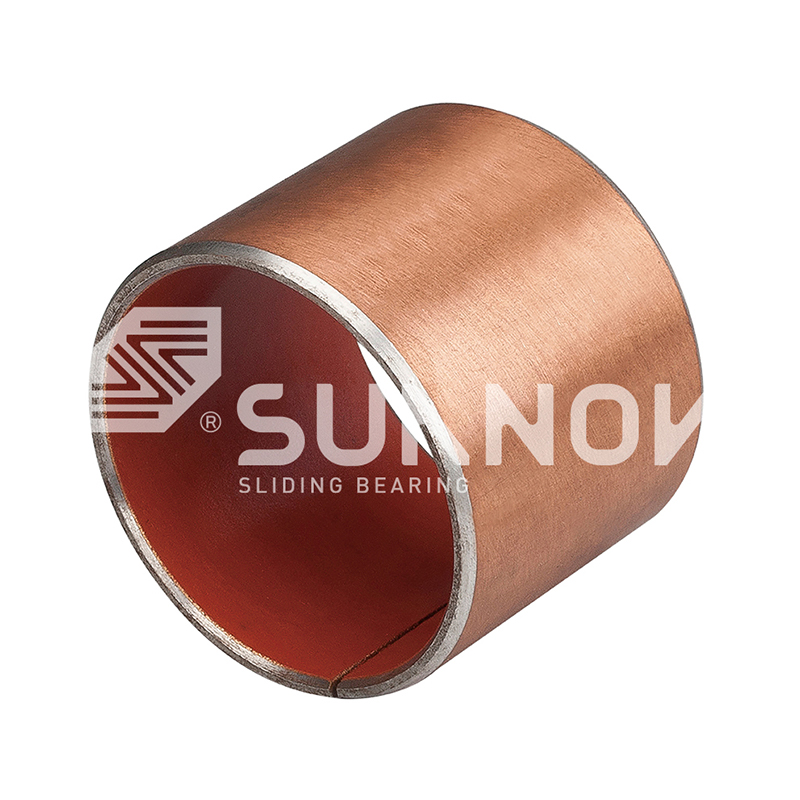 SF-1 Oilless Bearing Maintenance-Free SF-1W Wall Wrapped Lead-Free Bronze Bearing Oilless Bearing Bush
 -
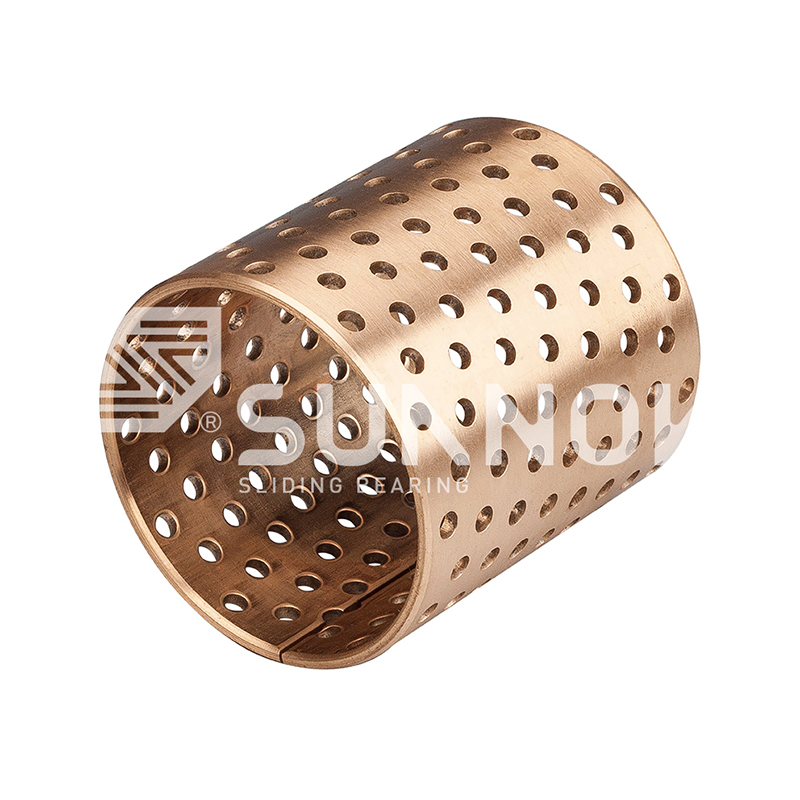 FB090 Bronze Wrapped Bearing FB092 Bronze Wrapped Bearing - Oilless Dry Sliding Bushing Self-Lubricating Bushing
 -
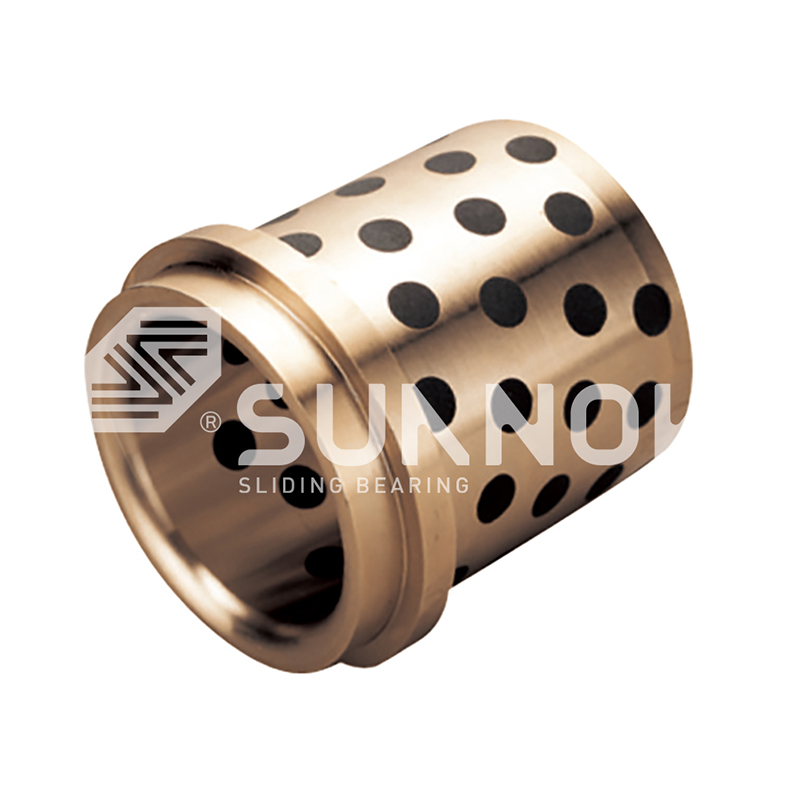 JDB Solid-lubricating Bearing Maintenance-Free With Collar Brass Din9834 Oilless Guide Bushing Bearing
 -
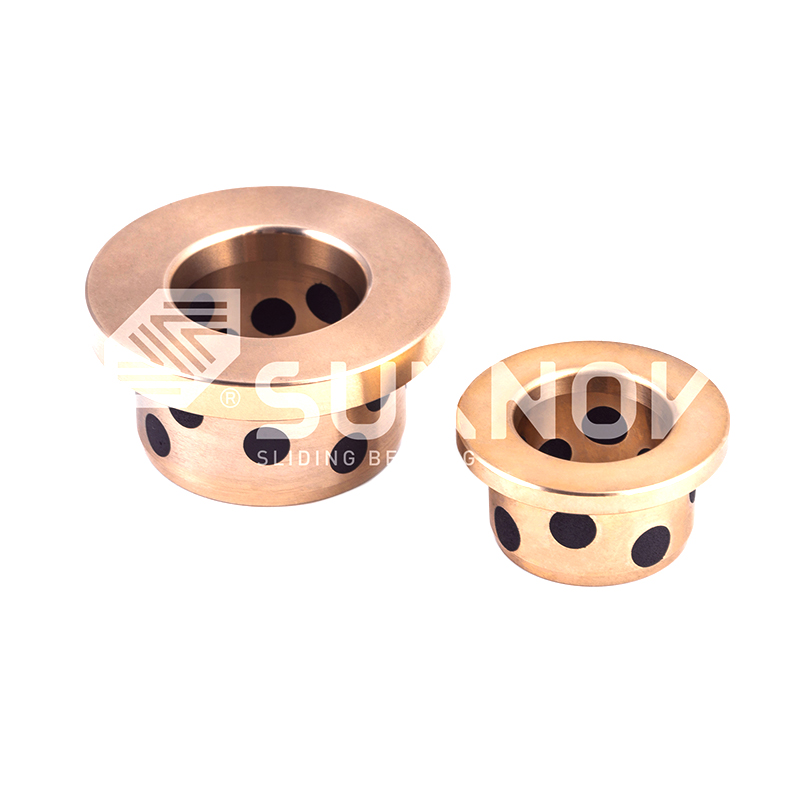 JDB Solid-lubricating Bearing Flanged Graphite Plugged Bronze Bushing, Self Lubricating Oilless Bronze Sleeve Bearing GB71 NAAMS
 -
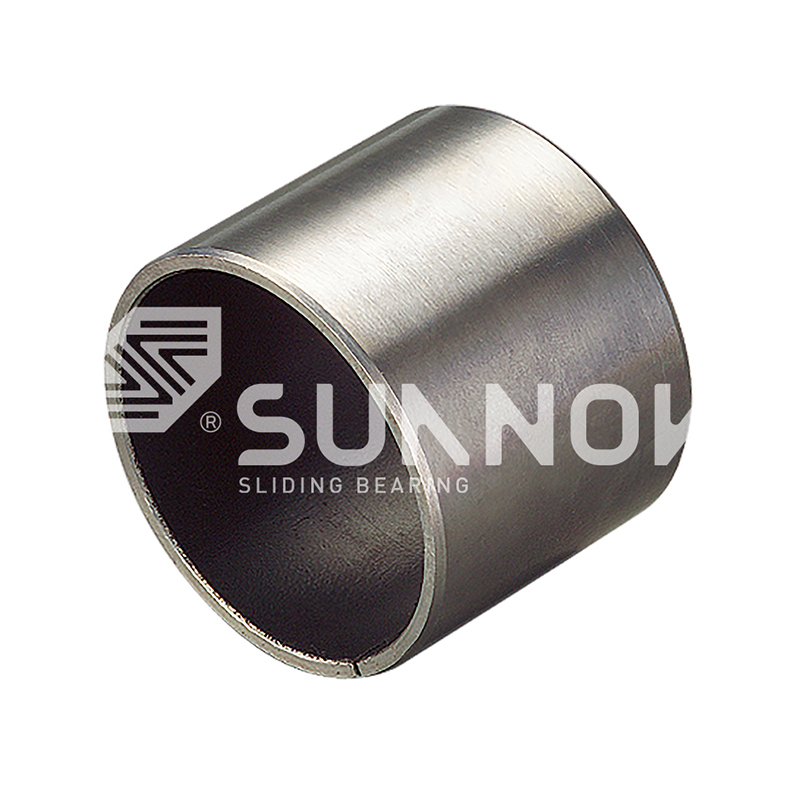 SF-1 Oilless Bearing Self Lubricating SF-1T Metal Gear Pump Bearing Bronze Bushings
 -
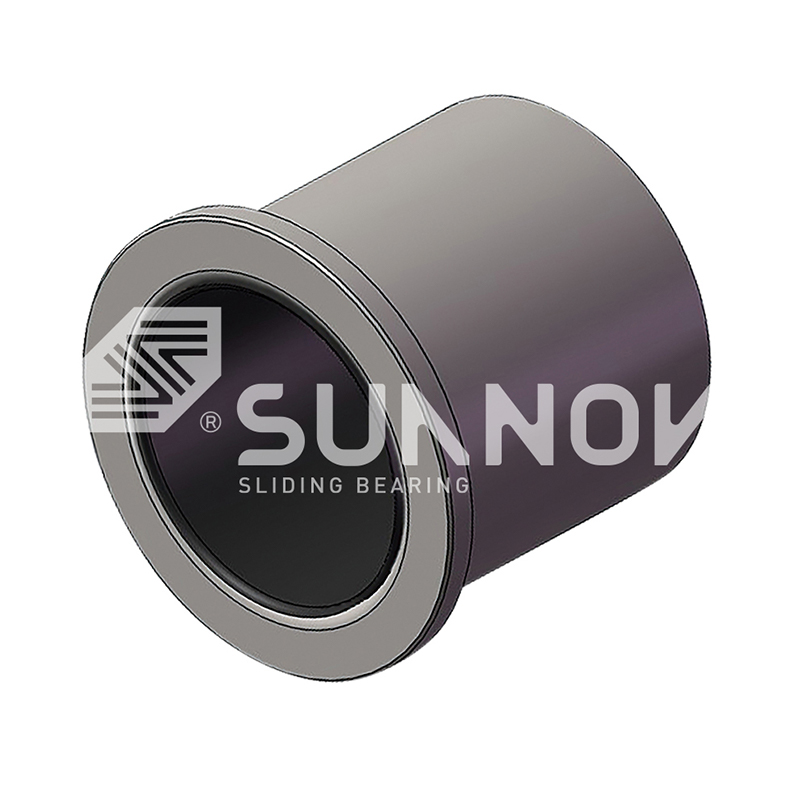 Oil-retaining Bimetallic Bearing Flanged Self-lubricating Composite Bushing, Oilless Flanged Bushing 200#F
 -
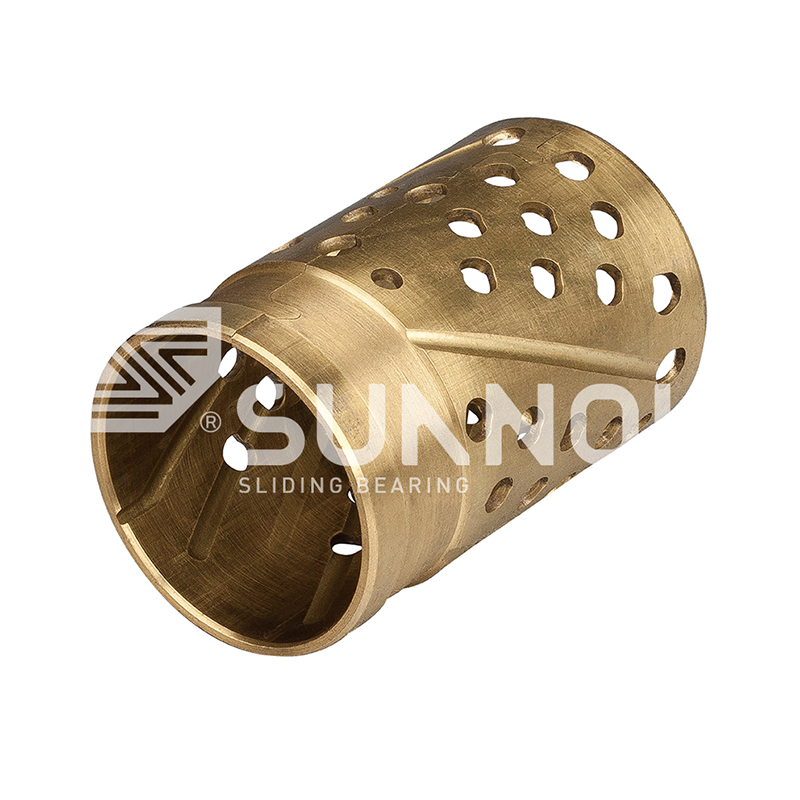 FB090 Bronze Wrapped Bearing FB091 High-Performance Copper Wrapped Bearing & Bushing | Bronze Bush
 -
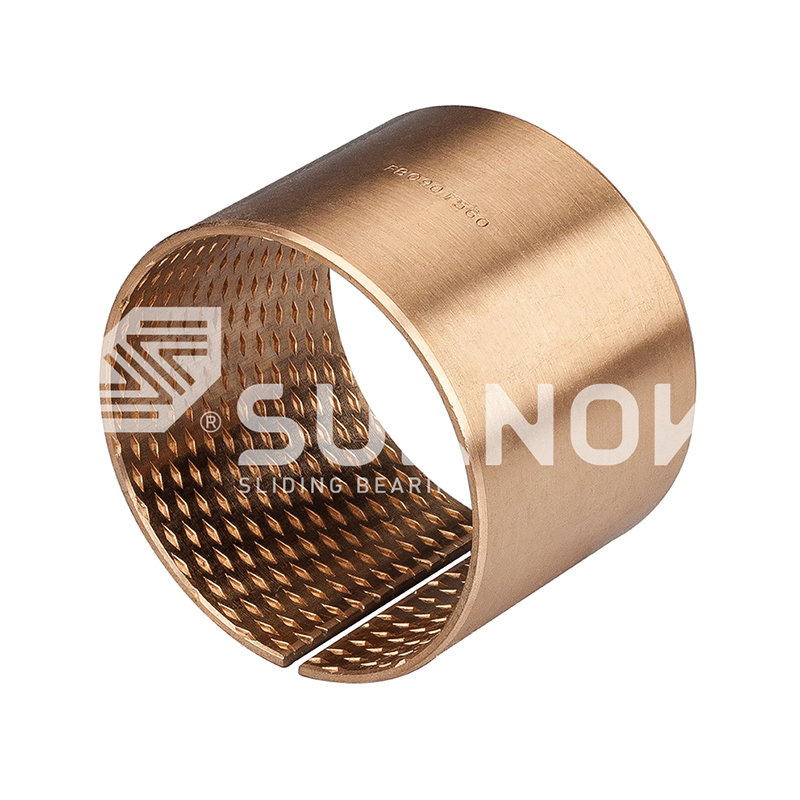 FB090 Bronze Wrapped Bearing FB090 Bronze Wrapped Bearing | Self-Lubricating Bushing & Sleeve
Enhancing Performance of Oilless Bronze Bushing through Self-Lubrication and Maintenance Strategies
Industry News-Content
- 0.1 1. Principles of Self-Lubrication
- 0.2 2. Comparison with Traditional Lubricated Bearings
- 0.3 3. Maintenance and Re-Lubrication Requirements
- 0.4 4. Material Selection and Load Capacity
- 0.5 5. Best Practices for Industrial Applications
- 1 FAQs
- 1.1 1. How does an oilless bronze bushing reduce friction compared to traditional bearings?
- 1.2 2. Are oilless bronze bushings completely maintenance-free?
- 1.3 3. What are the benefits of self-lubricating bronze bearings in industrial machines?
- 1.4 4. How to select material for high-load applications?
- 1.5 5. What inspection routines are recommended for oilless bronze bushings?
1. Principles of Self-Lubrication
Self-lubricating bronze bearing integrates solid lubricants such as graphite or PTFE into the bronze matrix. This reduces friction by forming a continuous lubricating film between the shaft and bearing surface.
| Bearing Type | Friction Coefficient | Lubrication Requirement | Load Capacity |
|---|---|---|---|
| Traditional bronze bearing | 0.08-0.12 | Requires regular oiling | Moderate |
| Oilless bronze bushing | 0.02-0.05 | Maintenance-free or minimal | High |
2. Comparison with Traditional Lubricated Bearings
Compared with traditional lubricated bearings, low-friction bronze bushing reduces downtime, eliminates contamination risk from lubricants, and lowers operational costs.
- Friction reduction improves efficiency and reduces energy consumption.
- Self-lubrication prevents overheating and wear during extended operation.
- Eliminates periodic relubrication schedules.
3. Maintenance and Re-Lubrication Requirements
Although maintenance-free bronze bushing is designed to operate without regular lubrication, periodic inspection is recommended under extreme load or temperature conditions:
| Condition | Recommended Action | Frequency |
|---|---|---|
| High-load operation | Visual inspection for wear and thermal degradation | Every 6-12 months |
| High-temperature environment | Check lubricant integrity in composite bushings | Every 3-6 months |
| Standard conditions | No additional lubrication required | As needed |
4. Material Selection and Load Capacity
High-load bronze sleeve and copper alloy oilless bearing materials must be selected based on operating load, speed, and environmental conditions. Considerations include:
- Embedding solid lubricants in a uniform distribution.
- Optimizing alloy composition for strength and wear resistance.
- Balancing cost with expected service life.
5. Best Practices for Industrial Applications
- Integrate self-lubricating bronze bearing into equipment designs to minimize maintenance intervals.
- Monitor temperature and wear in high-load applications.
- Use precision machining to ensure tight tolerances and optimal contact surfaces.
- Plan inspection schedules based on operational environment and load cycles.
- Choose appropriate alloy and composite configurations for specific industrial requirements.
FAQs
1. How does an oilless bronze bushing reduce friction compared to traditional bearings?
The embedded solid lubricants in oilless bronze bushing form a continuous lubrication film, reducing the friction coefficient from 0.08-0.12 in traditional bronze bearings to 0.02-0.05, leading to higher efficiency and lower wear.
2. Are oilless bronze bushings completely maintenance-free?
Under standard conditions, maintenance-free bronze bushing operates without additional lubrication. However, periodic inspection is advised for high-load or high-temperature environments to ensure longevity.
3. What are the benefits of self-lubricating bronze bearings in industrial machines?
Self-lubricating bronze bearing reduces downtime, eliminates contamination risk from lubricants, lowers operational costs, and extends service life, especially in harsh operating conditions.
4. How to select material for high-load applications?
High-load bronze sleeve or copper alloy oilless bearing materials should be chosen based on load, speed, and temperature. Uniform solid lubricant distribution and wear-resistant alloys are critical for performance.
5. What inspection routines are recommended for oilless bronze bushings?
Visual inspection every 6-12 months for high-load applications and every 3-6 months in high-temperature environments is recommended. Standard conditions typically do not require additional lubrication.
Recommended NEWS:
Self-Lubricating Bronze Bushings: Benefits, Cost Savings, and Selection Guide
Understanding the Features of JDB650 Self-Lubricating Brass Bushing Oilless Bearings
Self-Lubricating Copper Alloy Bearings: The Future of Solid-Lubricating Bearings and JDB-600 Casting Bronze Bearings
Bronze Wrapped Bushings for Heavy Machinery: Durable Solutions for Demanding Applications
Self-Lubricating Copper Alloy Bearings: A Comparative Analysis with JDB-600 Casting Bronze and Oil-Retaining Bimetallic Bearings
JFB650 Oil-free Self-lubricating Bronze Round Flange Bearing: Performance and Application Analysis
Recommended LINS:
Contact Us //
Have Questions? Get in Touch!

Zhejiang Shuangnuo Bearing Technology Co., Ltd. specializes in the production of various self-lubricating copper alloy bushing bearings products
Quick Links
Related Products
Contact
- Add: No. 69, Tingyao East Road, Ganyao Town Industrial Zone, Jiashan County, Zhejiang Province, China
- Tel: +86-15957371801
- Fax: +86-0573-84038630
- Email: [email protected]
[email protected]
© 2024 Zhejiang Shuangnuo Bearing Technology Co., Ltd.
Custom Self-Lubricating Copper Alloy Bearings
