


 русский
 Español
-
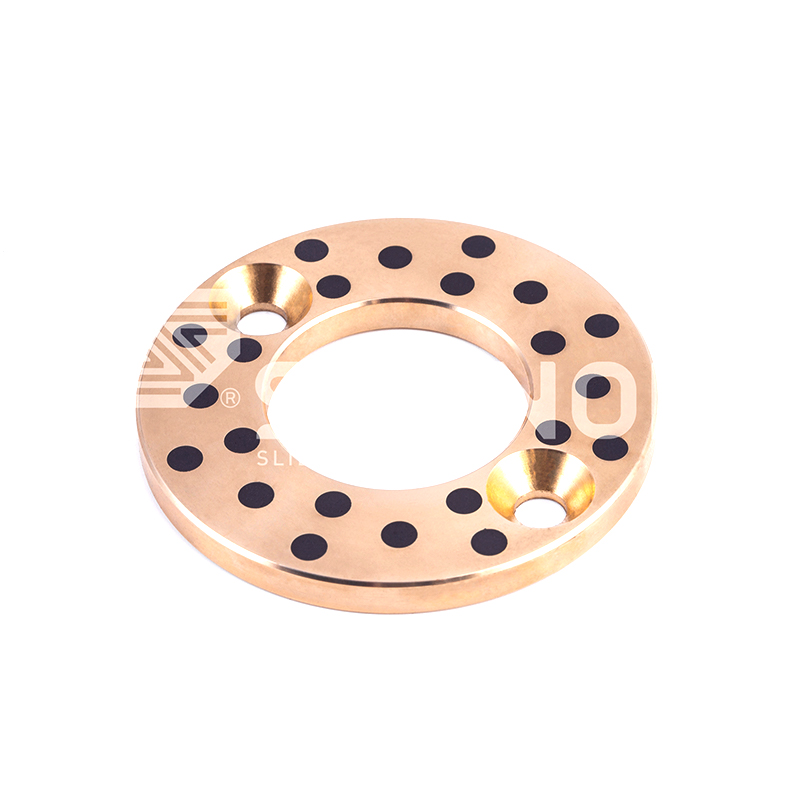 JDB Solid-lubricating Bearing JTW Solid Lubricant Graphite Oilless Bronze Thrust Washer Bearing
 -
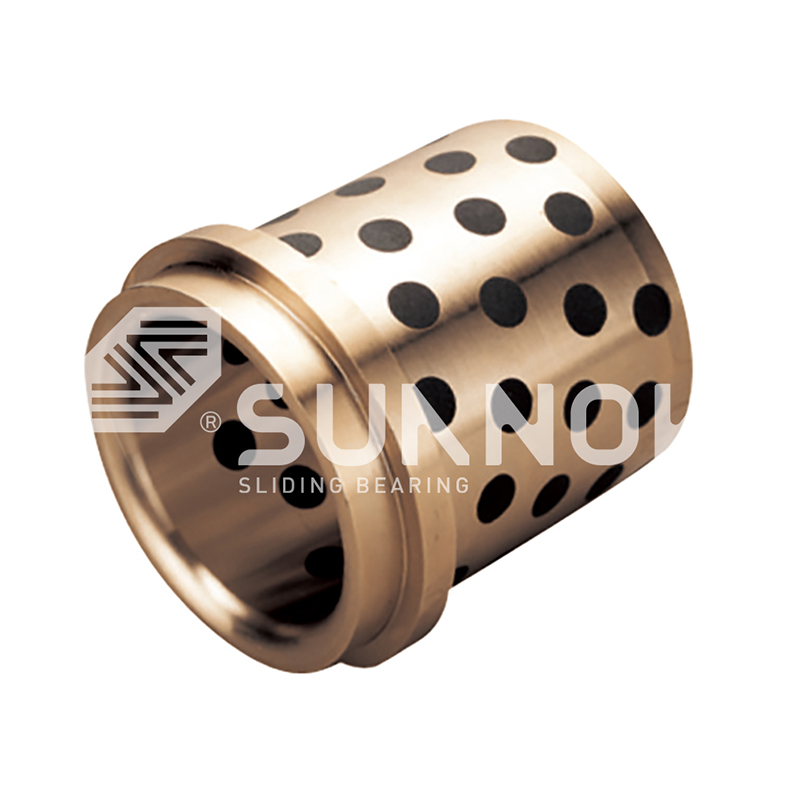 JDB Solid-lubricating Bearing Maintenance-Free With Collar Brass Din9834 Oilless Guide Bushing Bearing
 -
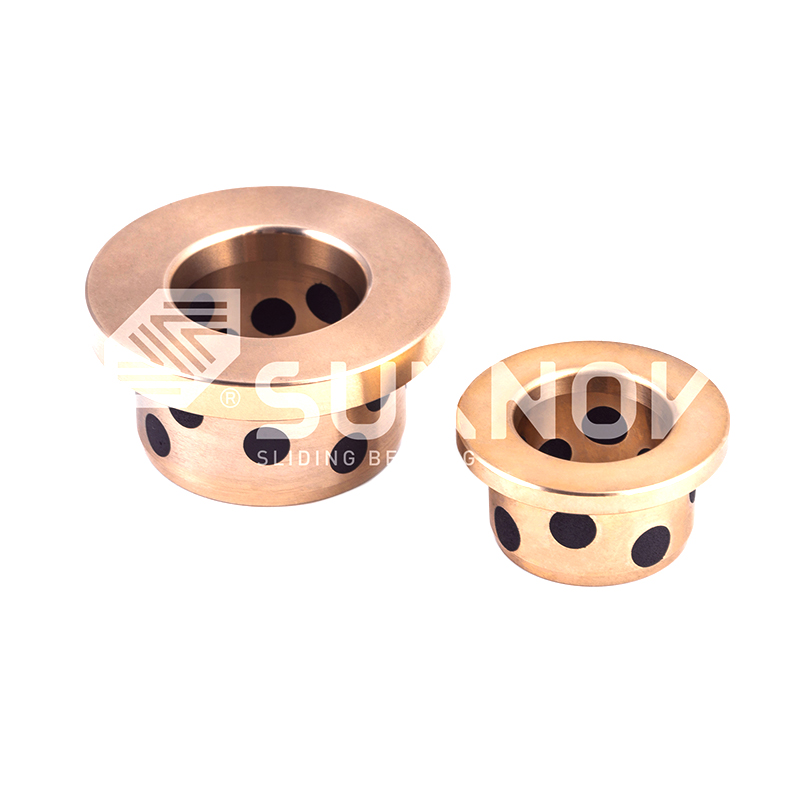 JDB Solid-lubricating Bearing Flanged Graphite Plugged Bronze Bushing, Self Lubricating Oilless Bronze Sleeve Bearing GB71 NAAMS
 -
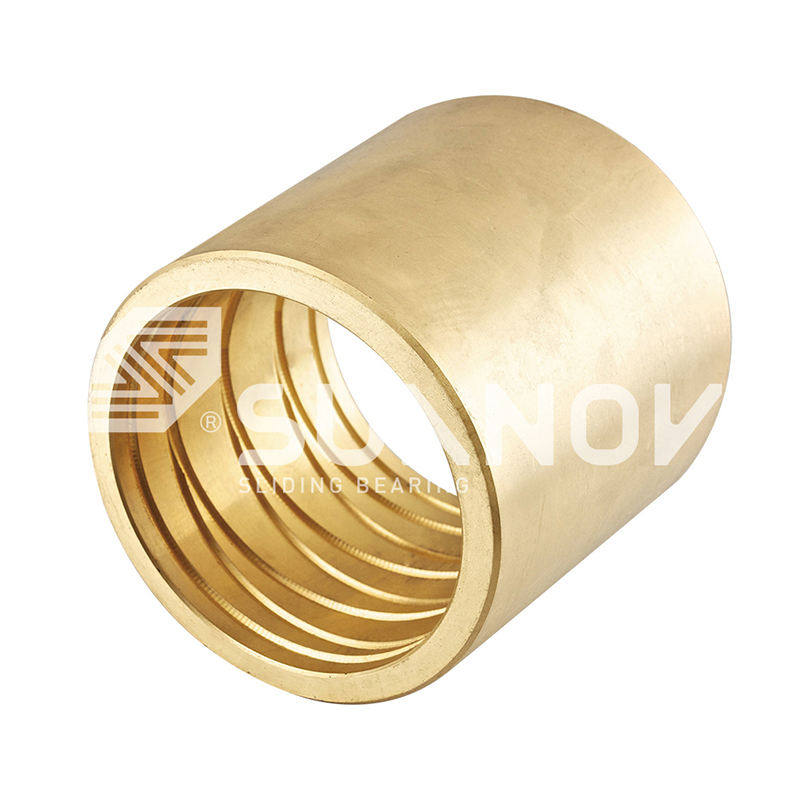 JDB-600 Casting Bronze Bearing JDB-600 Bronze Bushing with Internal Spiral Oil Grooves, Tin Bronze Oil Groove Bushing
 -
 SF-2 Boundary Lubricating Bearing SF-2Y Boundary Self-lubricating Bearing - Low Friction Dry Lubricant Bushings for Industrial Machinery
 -
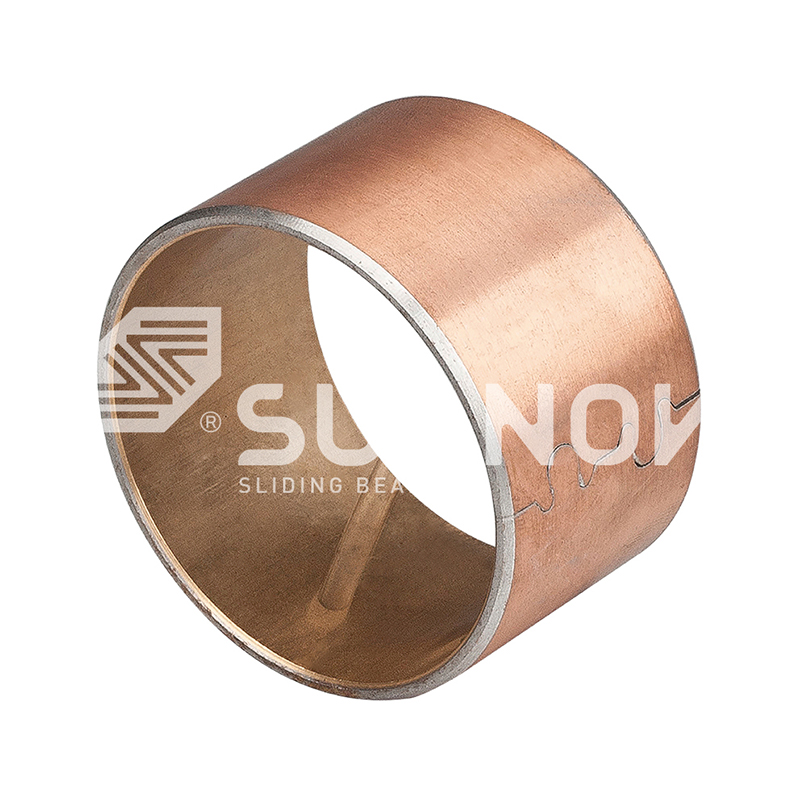 JF-800 Bi-metal Bearing JF-720 Tin Bi-Metal Bearing Bushings Sleeves For Low Friction and Wear-Resistant Applications
 -
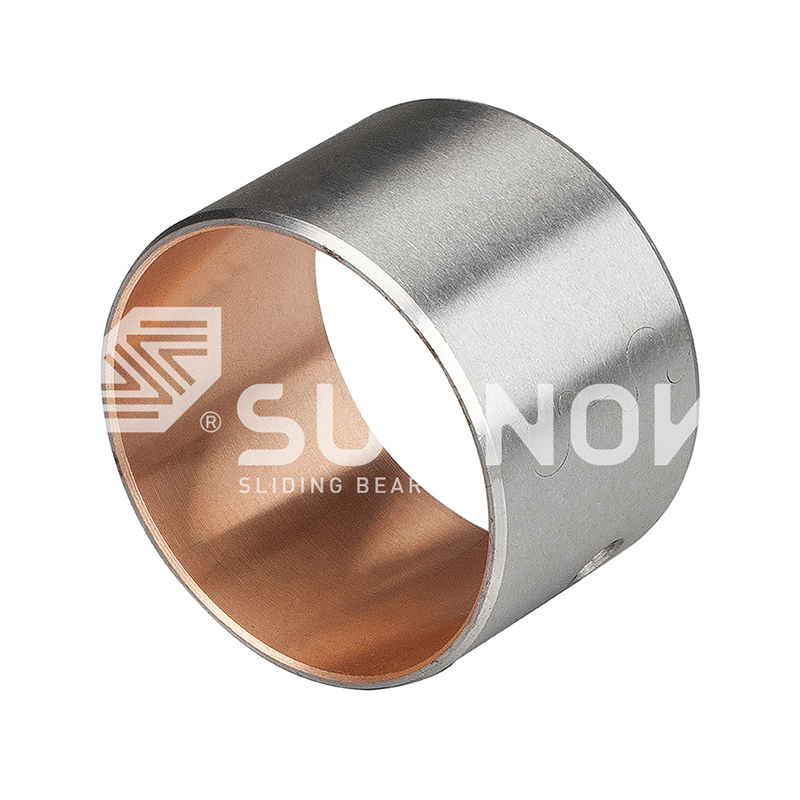 JF-800 Bi-metal Bearing JF-700 Bi-Metal Bearing Heavy Duty Self-Lubricating Sleeve Bushings
 -
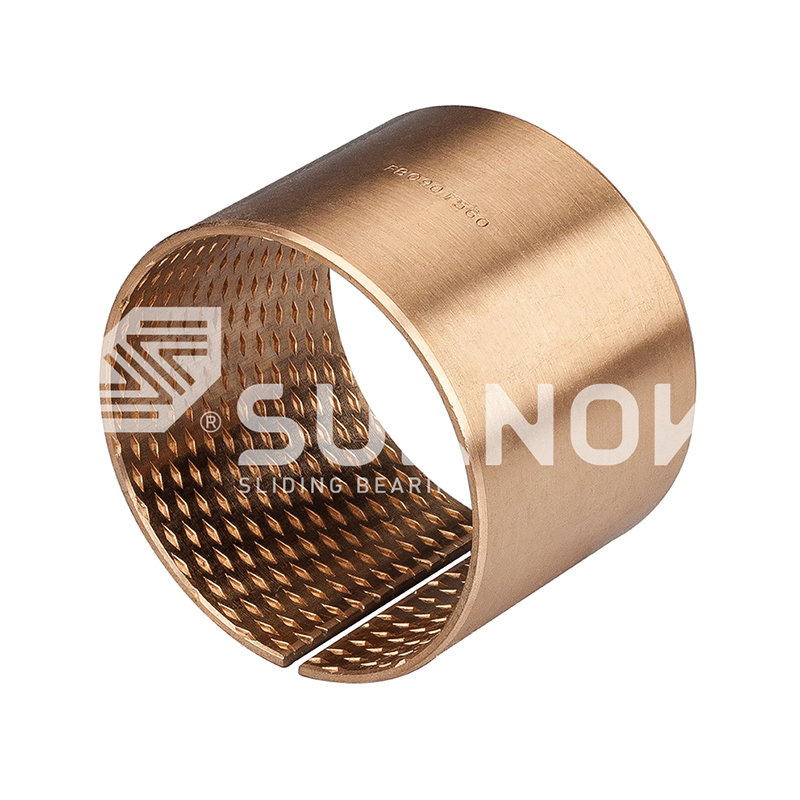 FB090 Bronze Wrapped Bearing FB090 Bronze Wrapped Bearing | Self-Lubricating Bushing & Sleeve
Self Lubricating Bronze Bushings: Complete Industry Guide
Industry News-Content
- 1 How Self Lubricating Bronze Bushings Work Without External Lubrication
- 2 Are Self Lubricating Bronze Bushings Suitable for High Load Industrial Applications
- 3 Advantages of Self Lubricating Bronze Bushings Over Plain Bronze Bushings
- 4 Can Self Lubricating Bronze Bushings Be Used in High Temperature Environments
- 5 How Long Do Self Lubricating Bronze Bushings Last in Continuous Operation
- 6 What Applications Are Best Suited for Self Lubricating Bronze Bushings
- 7 Frequently Asked Questions
Self lubricating bronze bushings eliminate one of the most persistent maintenance liabilities in industrial machinery: the scheduled grease interval. By embedding solid lubricant directly into a sintered or cast bronze matrix, these components deliver a continuous, self-replenishing film of lubrication at the bearing surface — with zero external input required for tens of thousands of operating hours.
350 C Max operating temperature for graphite-plug bronze grades
50,000+ Operating hours typical service life under moderate load
0.04 Coefficient of friction (dry) for graphite-bronze composites
60 MPa Compressive load capacity in high-strength CuSn12 alloys
How Self Lubricating Bronze Bushings Work Without External Lubrication
Self lubricating bronze bushings operate through a tribological transfer mechanism: as the shaft rotates against the bushing bore, frictional heat and contact pressure cause solid lubricant plugs — most commonly graphite, PTFE, or molybdenum disulfide (MoS2) — to shear microscopically and deposit a continuous transfer film onto both the shaft and bore surfaces.
The bronze matrix serves two simultaneous functions. It provides the structural load-bearing frame that resists deformation under compressive stress, while its inherent thermal conductivity (copper-tin alloys conduct heat at approximately 50 W/m·K) dissipates frictional heat before it can degrade the lubricant. The result is a self-sustaining tribological system that does not depend on reservoir oil, grease replenishment, or wicking pads.
A self lubricating bronze bushing is a composite bearing element in which solid lubricant (graphite, PTFE, or MoS2) is permanently embedded into a porous or plug-drilled bronze substrate, releasing a lubricating transfer film at the sliding interface under operating load and temperature — requiring no external grease or oil throughout its service life.
Are Self Lubricating Bronze Bushings Suitable for High Load Industrial Applications
Yes — with the correct alloy and lubricant plug selection. High-tin bronze alloys (CuSn12, CuSn10) reach compressive strengths of 55 to 65 MPa, qualifying self lubricating bronze bushings for continuous heavy-load service in hydraulic presses, steel mill roll necks, injection molding machines, and bridge bearing pads.
Suitable High-Load Conditions
- Static and oscillating loads up to 60 MPa on CuSn12 grade
- Slow-to-medium shaft speeds (0.5 to 2.0 m/s PV range)
- Intermittent high-impact loading in press tooling
- Elevated temperatures where oil would carbonize
- Clean-room or food-grade environments prohibiting grease
Conditions Requiring Specification Review
- Continuous high-speed rotation above 3 m/s surface velocity
- Combined radial and axial thrust exceeding rated PV limits
- Chemically aggressive environments (strong acids, chlorinated solvents)
- Shaft hardness below HRC 30 (accelerates bore wear)
- Thermal cycling beyond alloy's expansion tolerance
Advantages of Self Lubricating Bronze Bushings Over Plain Bronze Bushings
Plain bronze bushings require consistent external lubrication to prevent metal-to-metal contact. When lubrication fails — through missed intervals, contamination, or inaccessibility — plain bushings seize within minutes. Self lubricating bronze bushings remove this single point of failure entirely.
- Elimination of lubrication maintenance — No grease nipples, oil wicks, or lubrication schedules required. In large installations with hundreds of bearings, this translates directly to reduced labor cost and fewer planned shutdowns.
- Operation in inaccessible or sealed locations — Conveyor pivots, buried pivot pins, subsea actuators, and oven chain links all benefit from bearings that cannot be re-greased in service.
- Cleaner operating environments — Graphite-plug or PTFE-filled bushings produce no oil mist, grease migration, or lubricant leachate — critical in food processing, pharmaceutical manufacturing, and semiconductor fabrication.
- Wider temperature operating range — Standard bearing greases degrade above 150 to 180 degrees Celsius. Graphite-impregnated bronze maintains lubrication performance from -200 degrees Celsius to +350 degrees Celsius.
- Consistent friction characteristics — The transfer film coefficient of friction for graphite-bronze composites stabilizes at 0.04 to 0.12 after brief initial run-in, compared to the variable friction of a deteriorating grease film.
Can Self Lubricating Bronze Bushings Be Used in High Temperature Environments
Self lubricating bronze bushings with graphite plugs operate continuously up to 350 degrees Celsius — a temperature at which conventional bearing grease has long since carbonized and petroleum-based oils have flashed off. The practical temperature ceiling is determined by the lubricant filler, not the bronze matrix itself.
| Lubricant Filler | Max Continuous Temp. | Min Operating Temp. | Best Application |
| Graphite (C) | +350 C | -200 C | Furnace conveyors, oven chains, kiln drives |
| PTFE | +260 C | -200 C | Chemical processing, food-grade, pharmaceutical |
| MoS2 | +350 C (dry) | -180 C | Vacuum, aerospace, high-load slow-speed pivots |
| Oil-impregnated (sintered) | +120 C | -30 C | Moderate-temp light machinery, motors, fans |
Bronze alloy selection also matters at elevated temperatures. CuSn12 retains mechanical strength to approximately 250 degrees Celsius. Aluminum-bronze grades (CuAl10Fe) extend structural integrity closer to 400 degrees Celsius for the most demanding thermal environments.
How Long Do Self Lubricating Bronze Bushings Last in Continuous Operation
Under correctly specified conditions — appropriate PV (pressure-velocity) loading, compatible shaft hardness, and operating temperature within alloy limits — self lubricating bronze bushings routinely achieve 20,000 to 50,000 hours of continuous service. Some low-speed, moderate-load applications such as structural bridge bearings record service lives exceeding 25 years without replacement.
The dominant wear mechanism in bronze bushings is abrasive wear at the bore surface. Three factors govern wear rate: shaft surface finish (Ra 0.4 to 0.8 micrometers is optimal), shaft hardness (HRC 40 minimum for most applications), and PV loading relative to the bushing's rated limit. Exceeding the PV limit by 20% reduces bushing life by approximately 60% according to DIN 1850-3 tribological models.
What Applications Are Best Suited for Self Lubricating Bronze Bushings
The defining qualification criterion for selecting self lubricating bronze bushings is any combination of inaccessibility, extreme temperature, contamination sensitivity, or maintenance-free service requirement. The following application categories represent the strongest fit.
Construction Equipment
Excavator bucket pins, crane slew rings, and loader linkages operate in mud, grit, and water — conditions that wash out conventional grease within hours. Self lubricating bushings maintain function through extended field cycles.
Steel and Metal Processing
Rolling mill roll necks, continuous casting guide rolls, and furnace pusher dogs experience radiant heat, scale contamination, and water quench cycles that disqualify standard lubrication systems entirely.
Food and Pharmaceutical
PTFE-filled bronze meets FDA and EU 10/2011 compliance for incidental food contact. Conveyor bearings, filling machine pivots, and packaging line guides run contamination-free with no grease migration risk.
Hydraulic and Press Tooling
Die sets, punch guide bushings, and hydraulic cylinder rod guides require high compressive strength and consistent friction under cyclic load — properties that graphite-bronze composites deliver with dimensional stability.
Marine and Subsea
Seawater-immersed rudder pintles, thruster pivot pins, and offshore crane knuckles cannot be re-lubricated in service. Aluminum-bronze self lubricating grades combine corrosion resistance with maintenance-free bearing function.
Civil and Structural
Bridge expansion bearings, seismic isolation pads, and stadium roof pivot nodes require 20 to 50-year service lives with zero maintenance access. Graphite-plugged bronze is the specified material for most major bridge bearing standards worldwide.
Frequently Asked Questions
Do self lubricating bronze bushings require any break-in period?
Yes — a brief run-in period of 2 to 8 hours at reduced load (typically 25 to 50% of rated capacity) allows the transfer film to develop uniformly across the bore surface. Running at full load from initial startup delays film formation and produces higher friction and wear rates in the early operating period. After run-in, friction coefficients stabilize and wear rates drop to design specification levels.
What shaft material is compatible with self lubricating bronze bushings?
Hardened steel shafts with a surface hardness of HRC 40 to 60 and a ground finish of Ra 0.4 to 0.8 micrometers provide the optimal mating surface. Unhardened mild steel (HRC below 30) wears rapidly against the bronze bore, generating iron oxide particles that act as a third-body abrasive. Stainless steel shafts (316L, 17-4PH) are compatible for corrosion-resistant applications provided they are hardened to HRC 35 minimum.
Can self lubricating bronze bushings be re-machined if worn?
Standard practice is replacement rather than re-machining, because the solid lubricant distribution in the bore wall is integral to the bushing's geometry. Boring or honing a worn bushing removes the surface lubricant layer and exposes unlubricant-free bronze matrix, which will run dry until a new transfer film develops — if one develops at all. Replacement with a new bushing is more reliable and typically cost-effective given the long service intervals involved.
How do I select the correct PV rating for my application?
The PV value (pressure-velocity, expressed in MPa x m/s) for your application is calculated by dividing the radial load by the projected bearing area to get pressure P, then multiplying by shaft surface velocity V. This value must fall below the bushing's rated PV limit — typically 0.1 to 0.5 MPa x m/s for graphite-bronze grades depending on alloy. Operating above 80% of the rated PV limit continuously reduces service life significantly and increases the risk of thermal runaway at the bore surface.
Contact Us //
Have Questions? Get in Touch!

Zhejiang Shuangnuo Bearing Technology Co., Ltd. specializes in the production of various self-lubricating copper alloy bushing bearings products
Quick Links
Related Products
Contact
- Add: No. 69, Tingyao East Road, Ganyao Town Industrial Zone, Jiashan County, Zhejiang Province, China
- Tel: +86-15957371801
- Fax: +86-0573-84038630
- Email: [email protected]
[email protected]
© 2024 Zhejiang Shuangnuo Bearing Technology Co., Ltd.
Custom Self-Lubricating Copper Alloy Bearings
