


 русский
 Español
-
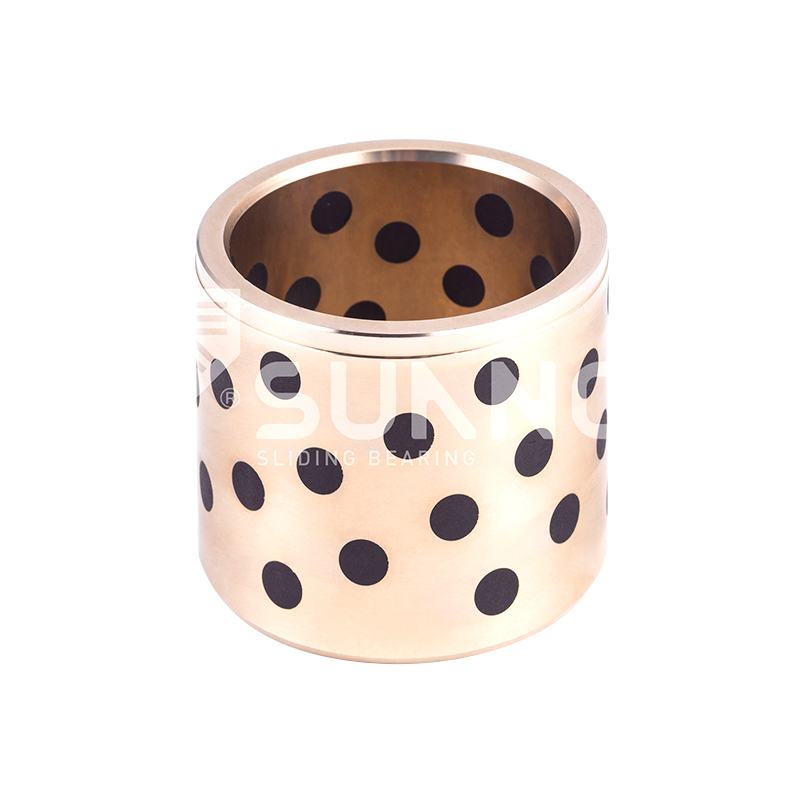 JDB Solid-lubricating Bearing JDB650 Self-Lubricating Brass Bushing Oilless Bearings
 -
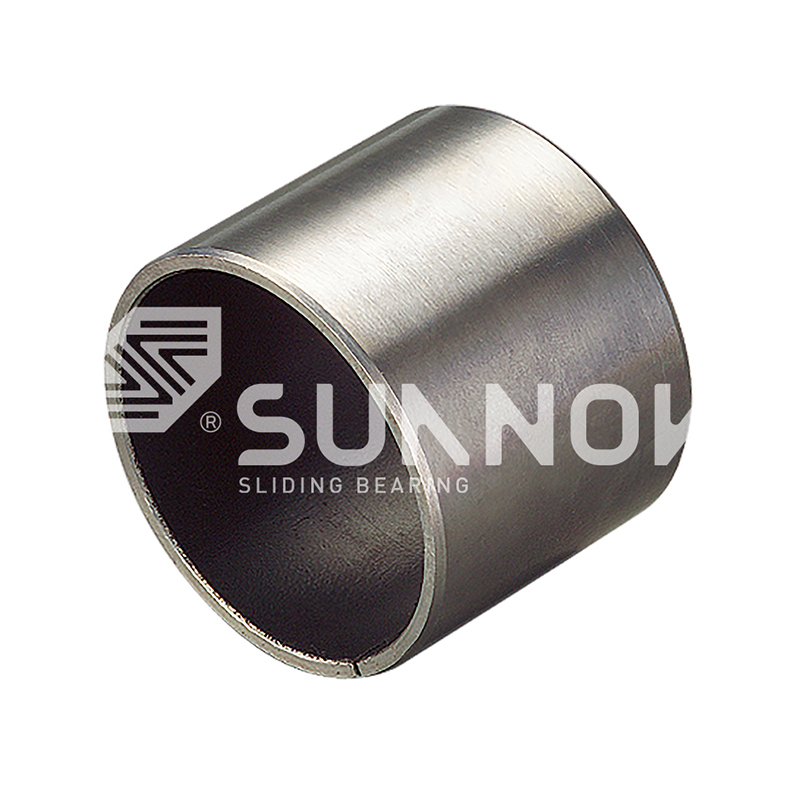 SF-1 Oilless Bearing Self Lubricating SF-1T Metal Gear Pump Bearing Bronze Bushings
 -
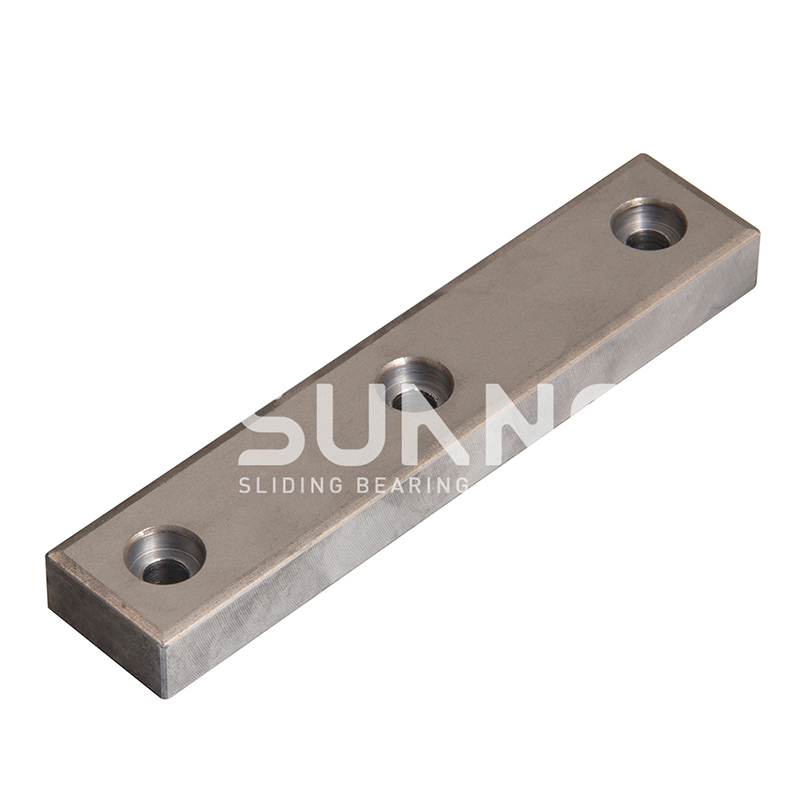 Oil-retaining Bimetallic Bearing Self-Lubricating 200# P20 Steel Graphite Insert Wear Plate / Steel Oilless Wear Strip
 -
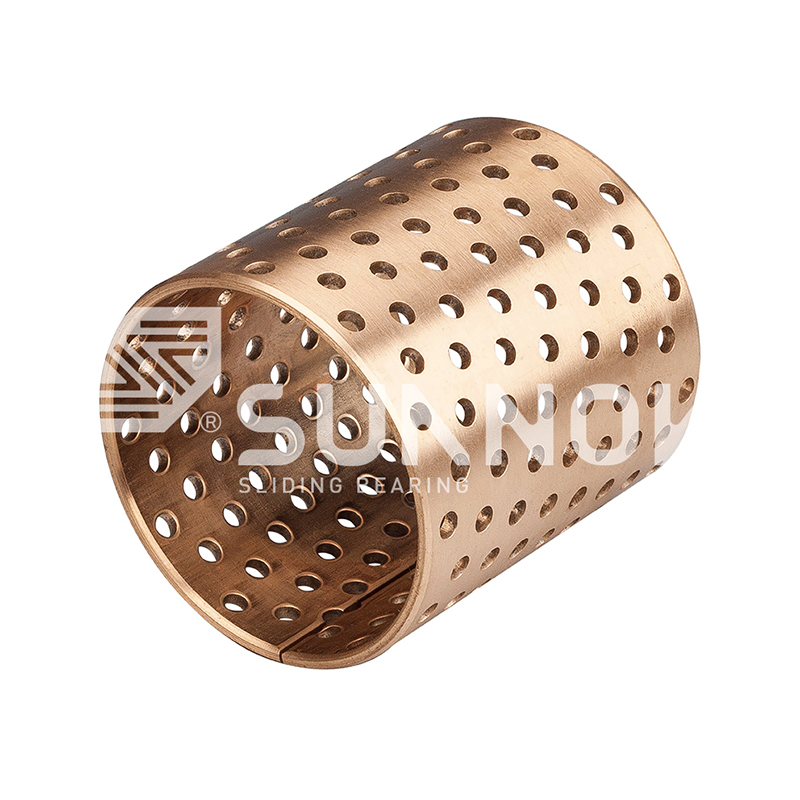 FB090 Bronze Wrapped Bearing FB092 Bronze Wrapped Bearing - Oilless Dry Sliding Bushing Self-Lubricating Bushing
 -
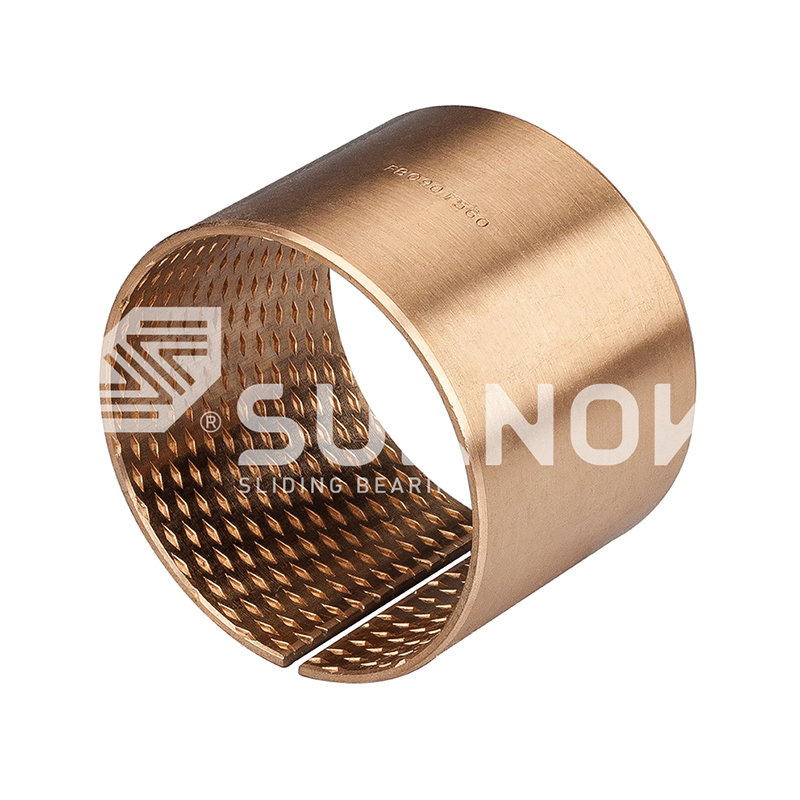 FB090 Bronze Wrapped Bearing FB090 Bronze Wrapped Bearing | Self-Lubricating Bushing & Sleeve
 -
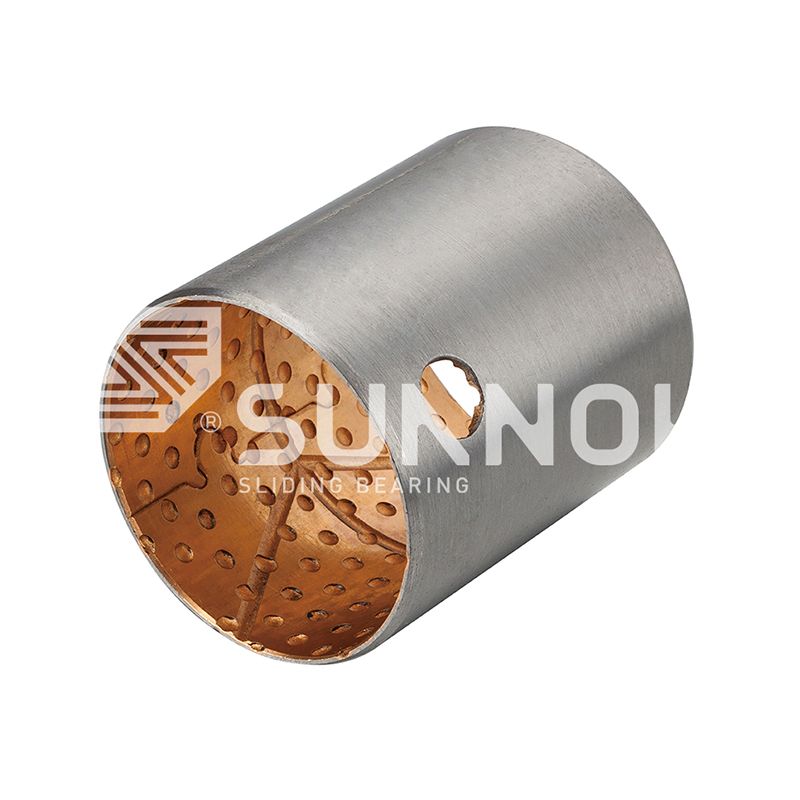 JF-800 Bi-metal Bearing JF-750 Self-Lubricating Lead Free Bi-Metal Bearing for Heavy Duty Engines Low Friction
 -
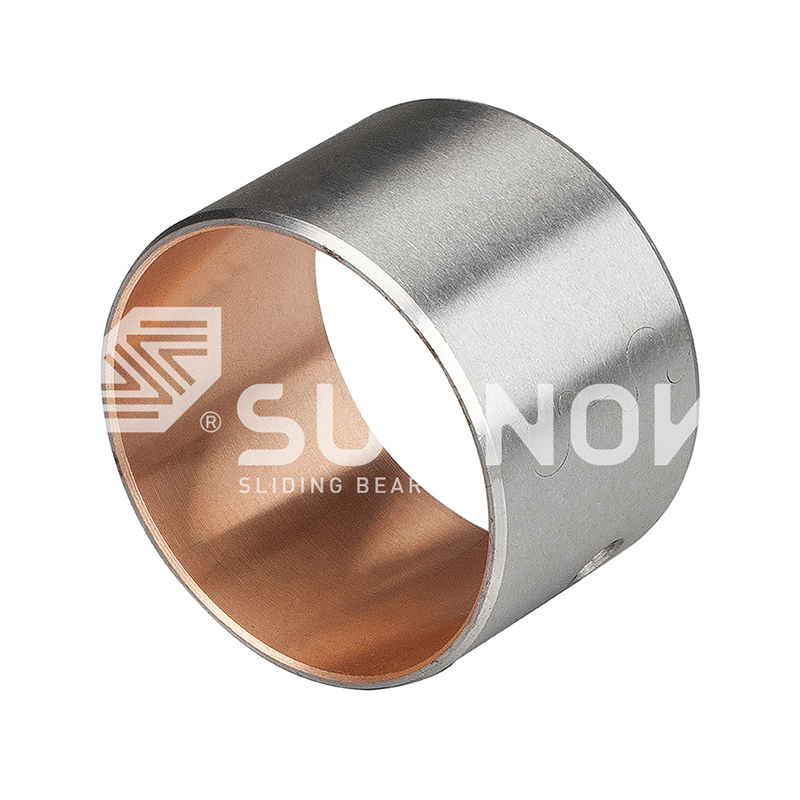 JF-800 Bi-metal Bearing JF-700 Bi-Metal Bearing Heavy Duty Self-Lubricating Sleeve Bushings
 -
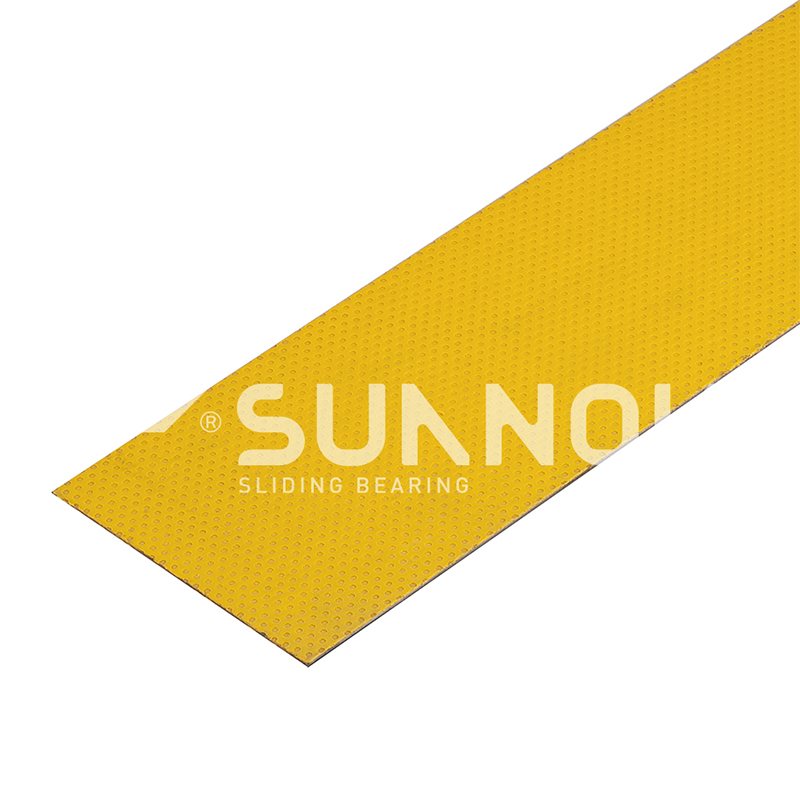 SF-2 Boundary Lubricating Bearing SF-2SP Standard Metric Size Self Lubricating Wear Strip With PTFE
Self-Lubricating Bearings: What They Are & Why They Last
Industry News-Content
- 1 What Is a Self-Lubricating Bearing?
- 2 Do Bearings Need to Be Lubricated?
- 3 Why Bearings Fail: The Six Root Causes
- 4 Frequently Asked Questions
- 4.1 Can self-lubricating bearings be used in high-speed applications?
- 4.2 How do I know when a self-lubricating bearing needs replacement?
- 4.3 Are self-lubricating bearings suitable for food processing applications?
- 4.4 What is the typical service life of a self-lubricating bearing compared to a greased bearing?
In rotating machinery, bearing failure is the leading cause of unplanned downtime — responsible for an estimated 40 to 50 percent of all electric motor failures worldwide, according to the Electric Power Research Institute. Self-lubricating bearings were engineered specifically to eliminate the lubrication errors that drive that statistic. Understanding what they are, how lubrication actually works inside a bearing, and what kills bearings prematurely gives maintenance engineers and equipment designers the foundation to make the right specification decision every time.
40–50%
of motor failures caused by bearing failure
80%
of premature bearing failures are preventable
3x
longer service life with correct lubrication
16x
bearing life reduction per 10°C over rated temp
What Is a Self-Lubricating Bearing?
A self-lubricating bearing is a plain bearing designed to operate without any external lubrication — no grease, no oil, no maintenance intervals. It achieves this by incorporating the lubricant directly into its structure, either as a solid additive within the bearing material, as a porous matrix that releases oil under pressure and heat, or as an embedded liner that transfers a thin lubricating film onto the shaft as it rotates.
The definition that matters in engineering terms: a self-lubricating bearing is any bearing whose tribological performance is sustained entirely by materials or structures internal to the bearing itself, with no dependence on externally applied lubricant for its rated service life.
Type 01
Sintered Metal (Oil-Impregnated)
Porous bronze or iron matrix pre-saturated with oil at 15–30% volume. Heat and pressure during operation draw oil to the surface, forming a hydrodynamic film. Oil migrates back into the pores when the bearing cools. Self-replenishing for life under correct load and speed conditions.
Type 02
PTFE Composite
A bronze backing layer bonded to a PTFE-lead or PTFE-fiber sliding layer. PTFE transfers a thin film onto the mating shaft surface on first run-in, then sustains low friction through continuous micro-transfer. Operates dry from -200°C to +280°C. Used extensively in automotive and aerospace pivot points.
Type 03
Graphite-Plugged Metal
Solid graphite inserts pressed into machined pockets in a metal (bronze, cast iron, or stainless) housing. Under load and heat, graphite releases onto the shaft surface. Preferred for high-temperature applications — steam equipment, glass handling, kilns — where liquid lubricants carbonize or evaporate.
Type 04
Engineered Polymer
Acetal, nylon, PEEK, or UHMWPE with internal lubricant additives (MoS2, PTFE, silicone oil). Low cost, corrosion-immune, electrically non-conductive. Used in food processing, medical devices, and light machinery. Load and speed ratings lower than metal types.
Do Bearings Need to Be Lubricated?
Standard rolling-element bearings — ball bearings, roller bearings, tapered bearings — require lubrication without exception. Without a lubricant film separating the rolling elements from the raceway, metal-to-metal contact occurs within seconds of startup, generating heat, surface pitting, and accelerated wear that leads to failure.
The lubricant in a conventional bearing serves four functions simultaneously:
- Forms a hydrodynamic film that prevents direct metal contact between rolling elements and raceways
- Carries away heat generated by rolling contact and internal friction
- Protects internal surfaces from oxidation, moisture ingress, and corrosive process media
- Suspends and flushes out wear debris and contamination particles before they cause abrasive damage
The critical distinction: self-lubricating bearings fulfill all four of these functions through their material structure rather than through periodic maintenance. A sintered bronze bearing releases stored oil under operating conditions; a PTFE-lined bearing transfers a transfer film to the shaft; a graphite-plugged bearing releases lubricant at high temperatures when conventional grease would fail. The lubrication is built in — not added externally.
Standard Bearing
- Requires greasing every 500–2,000 hours
- Over-lubrication causes 30–40% of failures
- Under-lubrication causes metal contact in minutes
- Lubricant degrades with heat, water, and contamination
- Maintenance access required throughout service life
Self-Lubricating Bearing
- Zero external lubrication required
- No over- or under-lubrication failure modes
- Lubricant released only under operating conditions
- Functions in high heat, wet, and contaminated environments
- Ideal for inaccessible or sealed installations
Why Bearings Fail: The Six Root Causes
The SKF Bearing Failure Analysis program, drawing on over 100 years of field data, attributes approximately 80 percent of premature bearing failures to preventable causes. Understanding these root causes is the first step toward specifying whether a self-lubricating bearing or a conventionally lubricated bearing is the correct choice for a given application.
| Failure Cause | Frequency | Mechanism | Self-Lubricating Bearing Advantage |
| Lubrication failure | 36% | Incorrect type, quantity, or interval; lubricant degradation under heat | Eliminates this failure mode entirely |
| Contamination | 14% | Abrasive particles embed in raceway or rolling elements, scoring surfaces | Solid and PTFE types require no open grease ports |
| Overloading | 11% | Radial or axial loads exceed rated dynamic or static capacity | No direct advantage — requires correct sizing |
| Improper installation | 16% | Misalignment, incorrect fit, installation damage from impact | Plain bearing geometry is more tolerant of minor misalignment |
| Fatigue | 34% | Cyclic stress causes subsurface crack initiation and spalling | Reduced rolling contact stress in plain bearing designs |
| Corrosion | N/A (subset) | Moisture, acidic, or alkaline media attack raceway surfaces | Polymer and graphite types fully corrosion-immune |
Lubrication-related failures alone account for over one-third of all premature bearing failures in the field. This is the primary engineering case for self-lubricating bearings in applications where maintenance access is restricted, lubrication intervals are difficult to enforce, or operating environments (high temperature, high humidity, chemical exposure) degrade conventional lubricants rapidly.
Engineering principle: Every 10°C rise above a bearing's rated operating temperature reduces its expected service life by approximately 50 percent, due to accelerated lubricant oxidation and thermal fatigue. In applications where ambient temperatures exceed 120°C, conventional greases fail entirely — making graphite-plugged or high-temperature PTFE composite self-lubricating bearings the only viable option.
Contamination: the silent failure accelerator
Contamination is the most underestimated bearing failure mode in industrial environments. A single particle of hard debris just 1 micron larger than the bearing's lubricant film thickness is sufficient to initiate surface denting on the raceway. In cement plants, steel mills, and mining operations, airborne silica and metallic debris create contamination conditions that reduce bearing life by 75 percent or more compared to clean-room test conditions — regardless of lubrication quality.
Sealed self-lubricating bearings in polymer or PTFE composite construction offer a structural advantage here: there are no grease nipples, no open ports, and no maintenance intervals that require breaking the seal integrity. The bearing is a closed system from installation to end of life.
Frequently Asked Questions
Can self-lubricating bearings be used in high-speed applications?
It depends on the bearing type. Sintered oil-impregnated bronze bearings perform well at moderate to high speeds (PV values up to 1.8 MPa·m/s for standard grades). PTFE composite bearings are better suited to oscillating or slow-rotating applications where hydrodynamic film formation is limited. Graphite-plugged bearings are generally limited to low speeds but excel in high-temperature environments. Always verify the bearing's rated PV (pressure-velocity) value against your application's combined load and speed before specifying.
How do I know when a self-lubricating bearing needs replacement?
Key indicators include increased operating noise or vibration, measurable shaft play beyond the bearing's specified running clearance, elevated operating temperature above baseline, or visible wear on the shaft contact surface. For sintered metal types, replacement is indicated when the bearing reaches approximately 80 percent of its designed wall thickness. Polymer bearings typically show visible surface wear or dimensional change in the bore before failure.
Are self-lubricating bearings suitable for food processing applications?
Yes — polymer-based self-lubricating bearings in UHMWPE, acetal, or FDA-compliant PTFE are widely used in food and beverage processing precisely because they eliminate the contamination risk of grease or oil entering the product stream. They are corrosion-resistant, easy to clean, non-toxic, and require no lubrication that could create a food safety compliance issue. Always confirm FDA or EU 10/2011 compliance for the specific polymer grade before installation in a food-contact zone.
What is the typical service life of a self-lubricating bearing compared to a greased bearing?
Under ideal conditions with correct lubrication, a high-quality rolling element bearing can outlast a self-lubricating plain bearing on a per-cycle basis. However, in real-world applications with maintenance variability, harsh environments, or inaccessible installation points, self-lubricating bearings consistently deliver longer actual service life. Studies from SKF and NSK field data show that converting from greased bearings to self-lubricating alternatives in mining conveyor applications extended mean time between replacements by 2.5 to 4 times, primarily by eliminating lubrication-failure events.
Recommended NEWS:
Why Solid-Lubricating Bronze Bearings Are the Future of Low-Maintenance Machinery
Self-Lubricating Copper Alloy Bearings: The Future of Solid-Lubricating Bearings and JDB-600 Casting Bronze Bearings
Self-Lubricating Copper Alloy Bearings: Advantages and Applications in Modern Machinery
Self-Lubricating Copper Alloy Bearings: A Comparative Analysis with JDB-600 Casting Bronze and Oil-Retaining Bimetallic Bearings
The Benefits of Self-Lubricating Copper Alloy Bearings in Reducing Maintenance Costs
How Self-Lubricating Copper Alloy Bearings Improve Performance and Durability
Recommended LINS:
Contact Us //
Have Questions? Get in Touch!

Zhejiang Shuangnuo Bearing Technology Co., Ltd. specializes in the production of various self-lubricating copper alloy bushing bearings products
Quick Links
Related Products
Contact
- Add: No. 69, Tingyao East Road, Ganyao Town Industrial Zone, Jiashan County, Zhejiang Province, China
- Tel: +86-15957371801
- Fax: +86-0573-84038630
- Email: [email protected]
[email protected]
© 2024 Zhejiang Shuangnuo Bearing Technology Co., Ltd.
Custom Self-Lubricating Copper Alloy Bearings
