


 русский
 Español
-
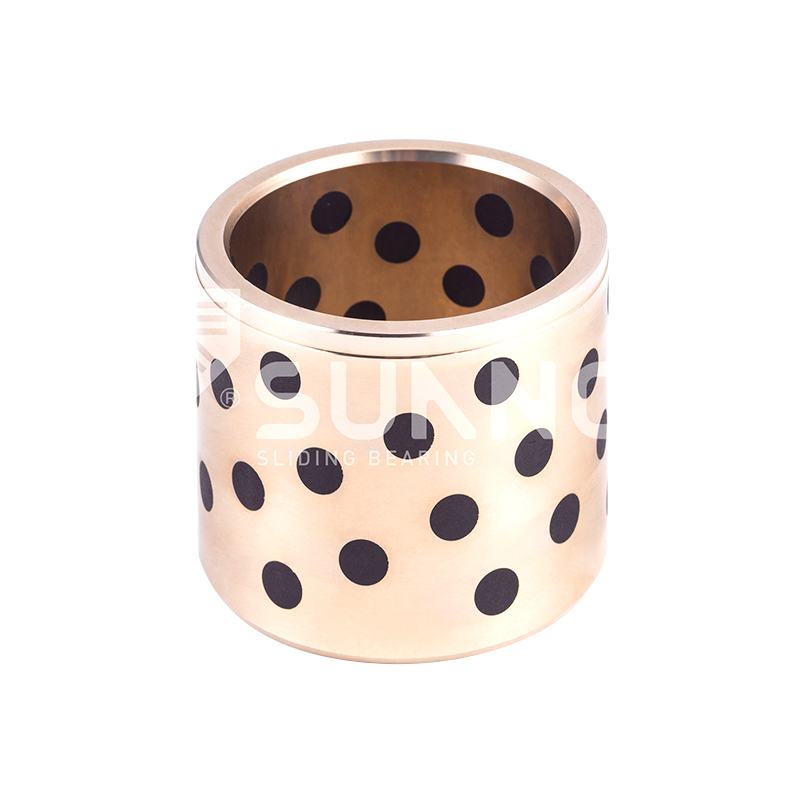 JDB Solid-lubricating Bearing JDB650 Self-Lubricating Brass Bushing Oilless Bearings
 -
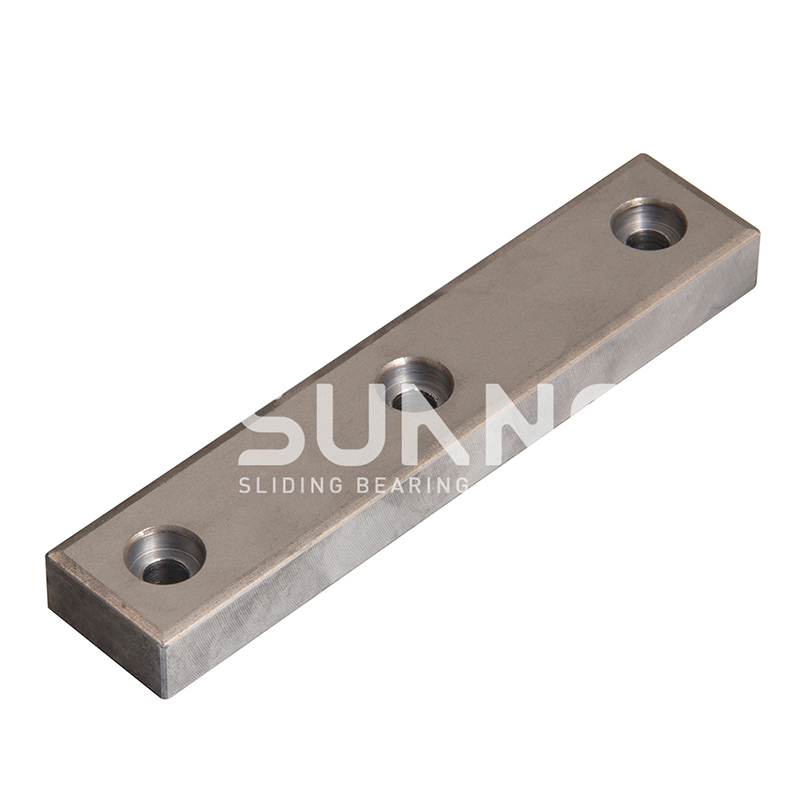 Oil-retaining Bimetallic Bearing Self-Lubricating 200# P20 Steel Graphite Insert Wear Plate / Steel Oilless Wear Strip
 -
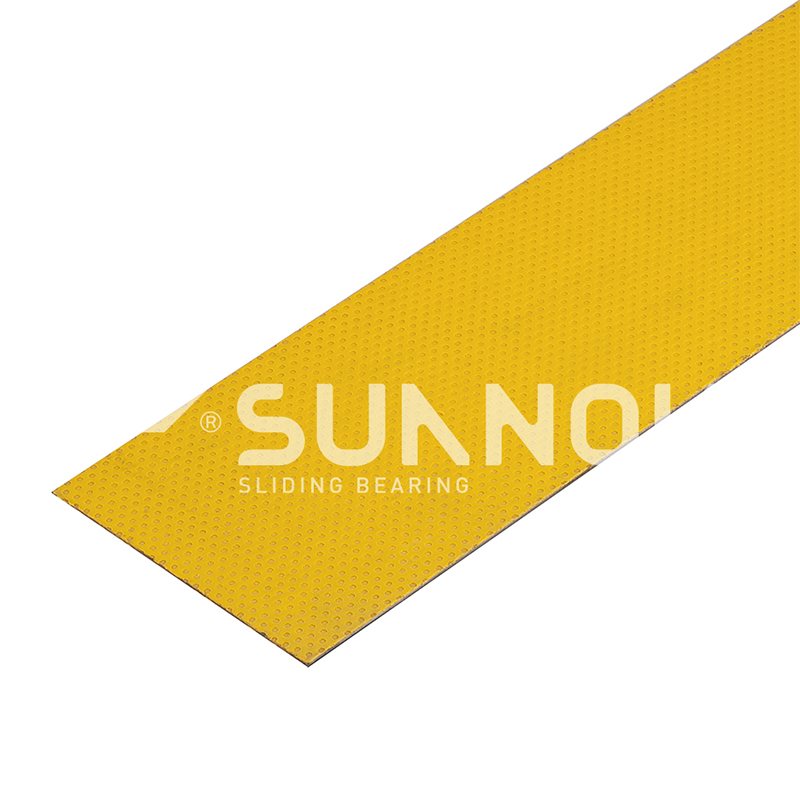 SF-2 Boundary Lubricating Bearing SF-2SP Standard Metric Size Self Lubricating Wear Strip With PTFE
 -
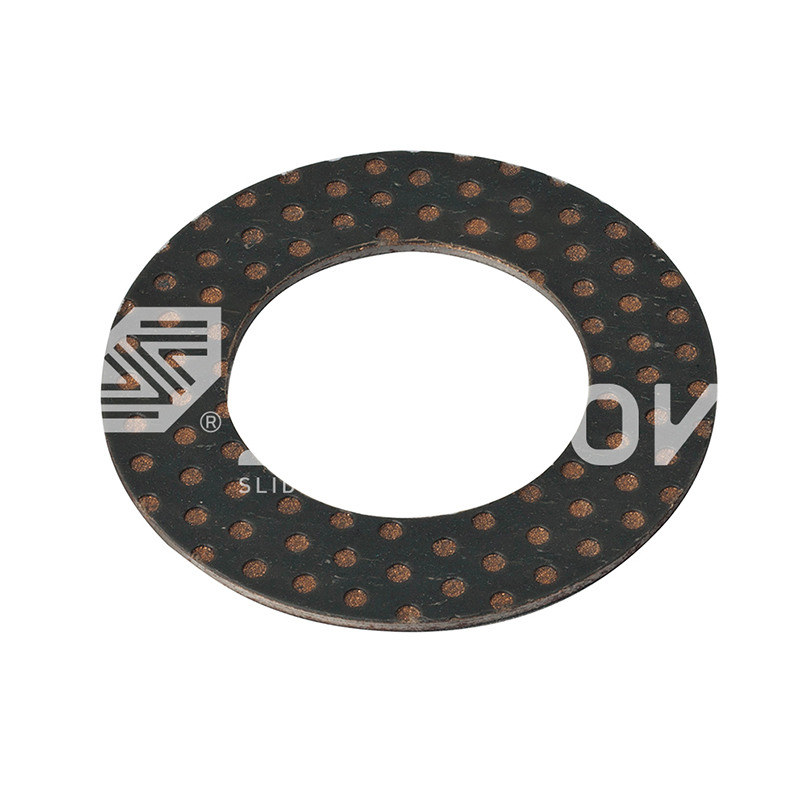 SF-2 Boundary Lubricating Bearing SF-2WC Standard Metric Self-Lubricating Compound Thrust Washer Sliding Washers
 -
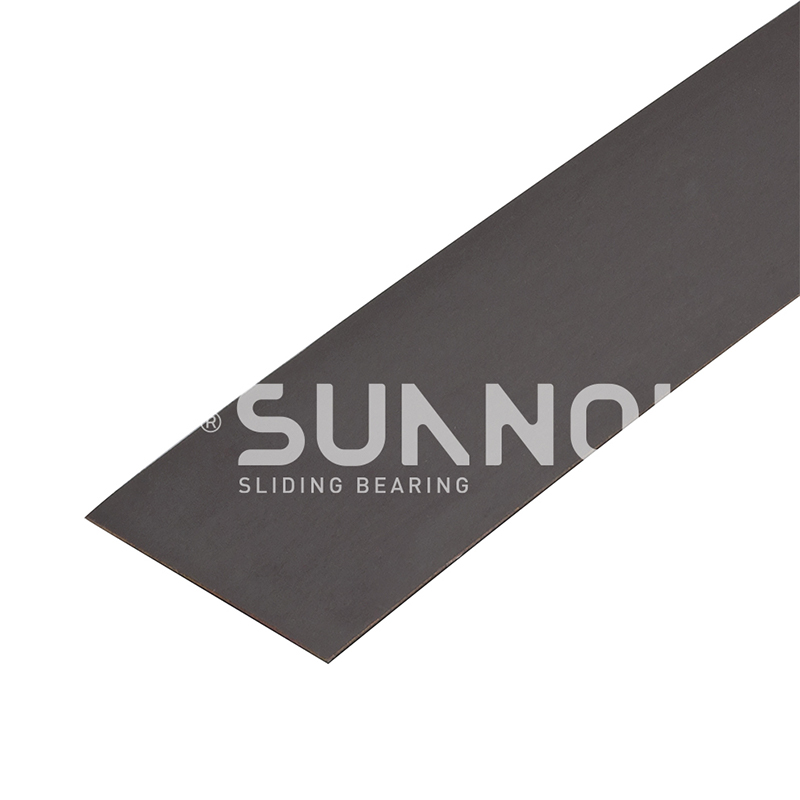 SF-1 Oilless Bearing SF-1SP Strip Standard Metric Size Self-Lubricating Composite Slide Strip
 -
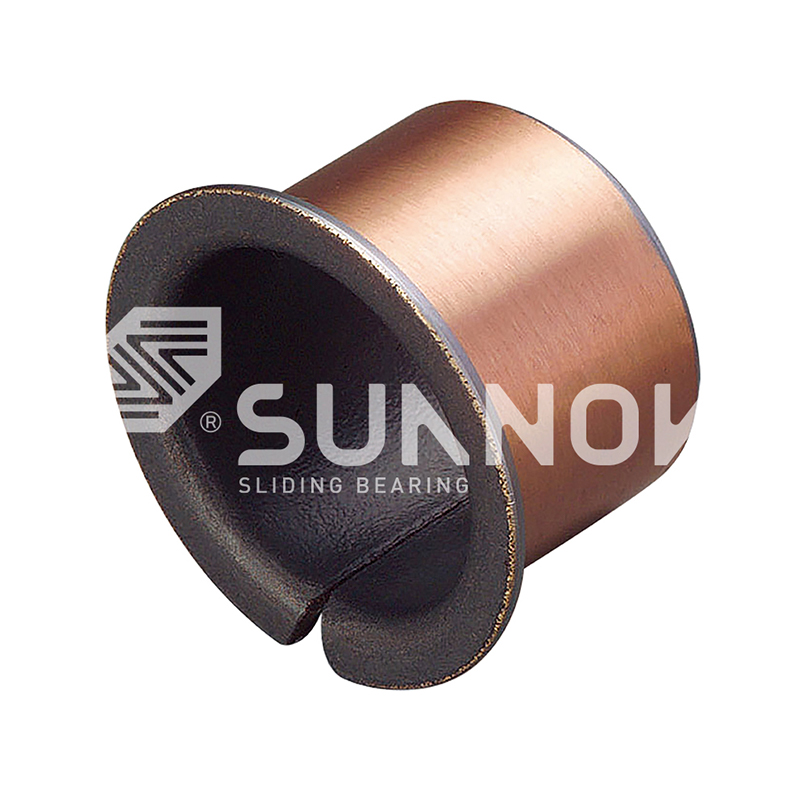
-
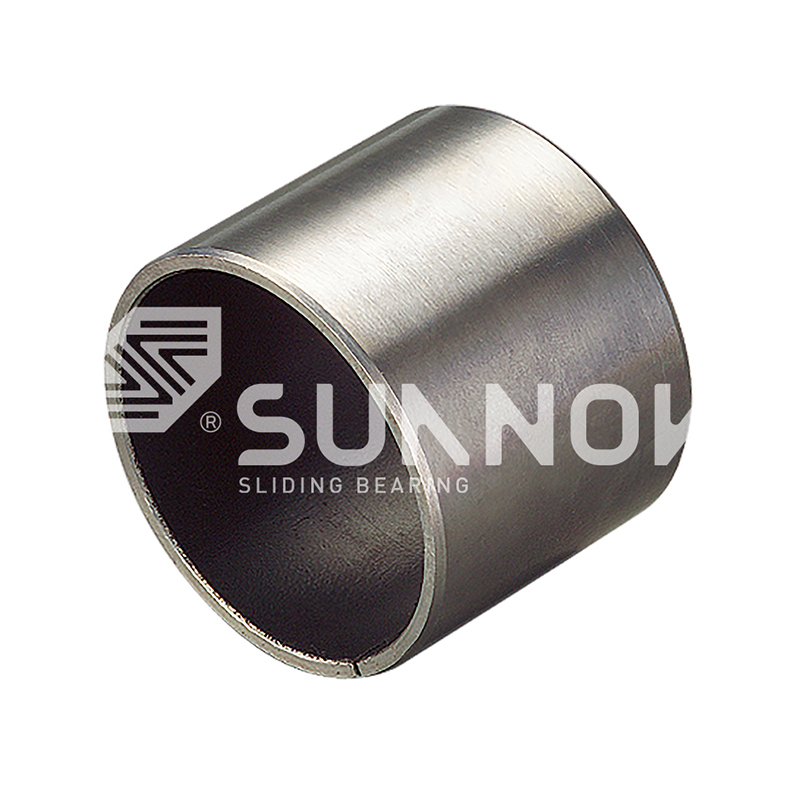 SF-1 Oilless Bearing Self Lubricating SF-1T Metal Gear Pump Bearing Bronze Bushings
 -
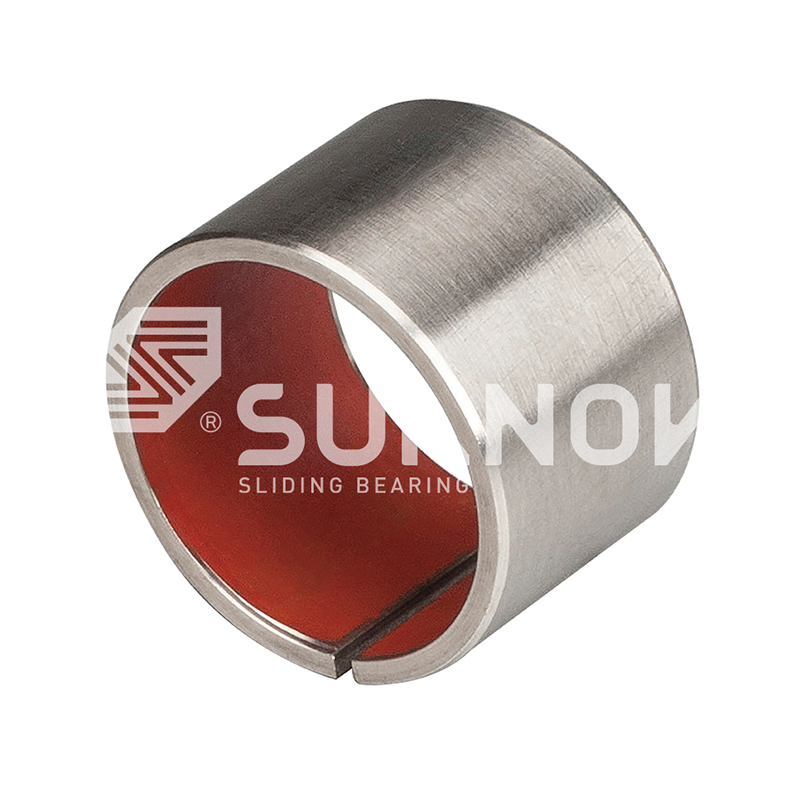
How to Choose Self-Lubricating Bearings: Best Materials, Longevity, Installation, and Use Cases
Industry News-Content
Self-lubricating bearings are engineered components designed to operate without external grease or oil, embedding lubricants directly into the bearing material. Used across heavy machinery, automotive systems, and precision instruments, they reduce maintenance cycles by up to 90% compared to conventional bearings. This guide answers the four most important questions buyers and engineers ask before specifying self-lubricating bearings for a new or existing application.
90% Reduction in maintenance interventions
50,000+ Operating hours in top PTFE designs
-200°C Minimum operating temperature (graphite)
300°C+ High-temp graphite bearing threshold
Which Self-Lubricating Bearing Lasts Longest?
The longest-lasting self-lubricating bearings are composite PTFE-lined and sintered bronze-graphite types, capable of exceeding 50,000 operating hours under correct load and speed conditions.
Longevity depends on the combination of base material, embedded lubricant, load rating, and operating environment. The table below compares the four main types by expected service life under moderate industrial duty:
| Bearing Type | Typical Service Life | Best Environment | Relubrication |
| PTFE composite liner | 40,000 – 60,000 hrs | Low-speed, high-load | Never |
| Sintered bronze-graphite | 30,000 – 50,000 hrs | Medium speed, wet/dry | Never |
| Oil-impregnated sintered iron | 20,000 – 35,000 hrs | Light to medium loads | Rarely |
| Filled nylon/polymer | 10,000 – 25,000 hrs | Light duty, corrosive | Never |
PTFE-lined composite bearings from manufacturers such as SKF, Igus, and GGB routinely achieve PV (pressure-velocity) ratings above 0.10 MPa x m/s, making them the engineering default for long-life, maintenance-free pivots and slides.
What Materials Suit Self-Lubricating Bearings?
Material selection is the single most critical decision when specifying self-lubricating bearings. Four material families cover the vast majority of industrial applications.
PTFE and PTFE Composites
Polytetrafluoroethylene offers the lowest coefficient of friction of any solid material (0.04 – 0.10). When combined with bronze, carbon fiber, or glass fiber filler, PTFE composites resist creep and handle loads up to 250 MPa in static conditions. Ideal for articulating joints, bridge bearings, and aerospace control linkages.
Sintered Bronze with Graphite
A porous bronze matrix infiltrated with graphite or molybdenum disulfide (MoS2) provides reliable dry lubrication from -40°C to +350°C. The graphite migrates to the contact surface under load, forming a self-replenishing film. Common in agricultural equipment, construction machinery, and food-processing lines.
Oil-Impregnated Sintered Metals
Porous iron or bronze matrices are vacuum-impregnated with oil, which exudes under heat and pressure to lubricate the shaft. These bearings suit moderate speeds (up to 3 m/s surface velocity) and are standard in electric motors, fans, and household appliances where periodic relubrication is impractical.
Engineered Polymers
Nylon (PA), acetal (POM), and PEEK filled with PTFE or glass fiber deliver excellent chemical resistance and are electrically non-conductive. They weigh 80% less than metal equivalents and resist corrosion completely, making them the preferred choice in marine, chemical plant, and medical device environments.
How to Install Self-Lubricating Bearings Correctly
Improper installation is the leading cause of premature failure in self-lubricating bearings. Follow these five steps to achieve design life.
- Clean the housing bore — Remove all burrs, chips, and surface contamination. Measure the bore diameter to confirm it matches the bearing's specified interference fit (typically H7 tolerance for pressed-in designs). Any oil or grease in the housing bore will compromise adhesion for PTFE-backed types.
- Use a press or arbor tool — Never use a hammer directly on the bearing face. Apply force evenly through a correctly sized mandrel or hydraulic press. For flanged bushings, press from the flange side to avoid collapsing the bearing wall.
- Verify the ID after pressing — Press-fitting reduces the inside diameter by 0.01 – 0.05 mm depending on wall thickness and housing material. Measure the final bore and ream if required to restore the specified shaft clearance (typically 0.02 – 0.08 mm for sliding bearings).
- Align the shaft carefully — Angular misalignment beyond 0.5 degrees creates edge loading that can reduce bearing life by 60% or more. Use alignment gauges on initial installation. For oscillating applications, confirm the angular movement range stays within the bearing's specified arc.
- Run-in at reduced load — For graphite or PTFE composite types, operate at 30–50% of rated load for the first 4–8 hours. This allows the lubricant film to transfer to the shaft surface and establish a protective layer before full duty begins.
Which Applications Require Self-Lubricating Bearings?
Certain operating environments make conventional greased bearings impractical or unsafe. Self-lubricating bearings are the standard specification in six major application categories.
- Food and beverage processing — Lubricant contamination is a food safety violation. PTFE and polymer bearings operate grease-free in washdown environments, meeting FDA and EU food contact regulations without compromise.
- Aerospace and defense — Weight, maintenance access, and extreme temperature swings (-55°C to +260°C) rule out grease. PTFE-lined spherical bearings are standard in flight control surfaces, landing gear doors, and engine pylons.
- Construction and mining equipment — Excavator booms, loader arms, and crusher pivot pins operate in abrasive, dust-laden conditions that flush conventional grease within hours. Bronze-graphite bushings tolerate this environment and require no re-greasing between overhauls.
- Marine and offshore — Salt water destroys standard metal bearings rapidly. Glass-filled nylon and PEEK bushings resist seawater corrosion completely and are used in rudder pintles, stabilizer fins, and anchor windlass systems.
- Medical and cleanroom equipment — MRI machines, surgical robots, and semiconductor fabrication tools require zero particle contamination. PTFE composite bearings meet ISO 14644 cleanroom standards without emitting lubricant vapors.
- Agricultural machinery — Combine harvesters, planters, and irrigation pivots cycle through field seasons with minimal downtime windows. Sintered bronze-graphite bearings in linkages and pivot points eliminate seasonal regreasing entirely.
Engineering definition A self-lubricating bearing is a tribological component in which the lubricating medium — solid (graphite, PTFE, MoS2), liquid (impregnated oil), or composite — is an intrinsic part of the bearing structure, eliminating the need for external lubrication throughout the component's design life.
Frequently Asked Questions
Can self-lubricating bearings be used with external grease?
In most cases, adding grease to a self-lubricating bearing does no harm but provides no benefit under normal operating conditions. For sintered bronze types, occasional light oiling can extend life in high-speed or high-temperature applications where the base oil reservoir is partially depleted. PTFE-lined bearings should never be greased, as contamination disrupts the transfer film that provides lubrication.
What is the maximum load a self-lubricating bearing can handle?
Static load capacity varies widely by material: sintered bronze-graphite bearings typically handle 60 – 100 MPa, PTFE composites up to 250 MPa in static conditions, and polymer types 20 – 60 MPa. Dynamic load ratings are 30 – 50% lower. Always select based on the PV value (pressure x velocity), not load alone, to account for heat generation at the interface.
How do I know when a self-lubricating bearing needs replacement?
The primary replacement indicators are measurable wear exceeding the design clearance (typically 0.1 – 0.3 mm beyond the new-part clearance), visible scoring or delamination of the liner, shaft play or vibration in previously smooth pivots, and unusual noise during operation. Unlike greased bearings, there is no lubrication schedule — replacement is triggered by wear measurement or condition monitoring alone.
Are self-lubricating bearings suitable for high-speed applications?
Speed limits vary significantly by material. Oil-impregnated sintered bronze handles surface speeds up to 3 m/s reliably. PTFE composite liners are optimized for oscillating or low-speed continuous rotation below 0.5 m/s. For high-speed continuous rotation above 5 m/s, polymer bearings with PTFE filler or specialty carbon-graphite grades are the appropriate choice. Always verify the manufacturer's PV limit before specifying any self-lubricating bearing in a high-speed duty.
Recommended NEWS:
Self-Lubricating Copper Alloy Bearings: The Future of Solid-Lubricating Bearings and JDB-600 Casting Bronze Bearings
Self-Lubricating Copper Alloy Bearings: A Comparative Analysis with JDB-600 Casting Bronze and Oil-Retaining Bimetallic Bearings
The Rise of Self-Lubricating Bearings: A Guide to Maintenance-Free Performance
Self-Lubricating Bronze Bushings: Benefits, Cost Savings, and Selection Guide
Understanding the Features of JDB650 Self-Lubricating Brass Bushing Oilless Bearings
Solid-Lubricating Bronze Bearings: Critical Applications and Technical Analysis
Recommended LINS:
Contact Us //
Have Questions? Get in Touch!

Zhejiang Shuangnuo Bearing Technology Co., Ltd. specializes in the production of various self-lubricating copper alloy bushing bearings products
Quick Links
Related Products
Contact
- Add: No. 69, Tingyao East Road, Ganyao Town Industrial Zone, Jiashan County, Zhejiang Province, China
- Tel: +86-15957371801
- Fax: +86-0573-84038630
- Email: [email protected]
[email protected]
© 2024 Zhejiang Shuangnuo Bearing Technology Co., Ltd.
Custom Self-Lubricating Copper Alloy Bearings
