


 русский
 Español
-
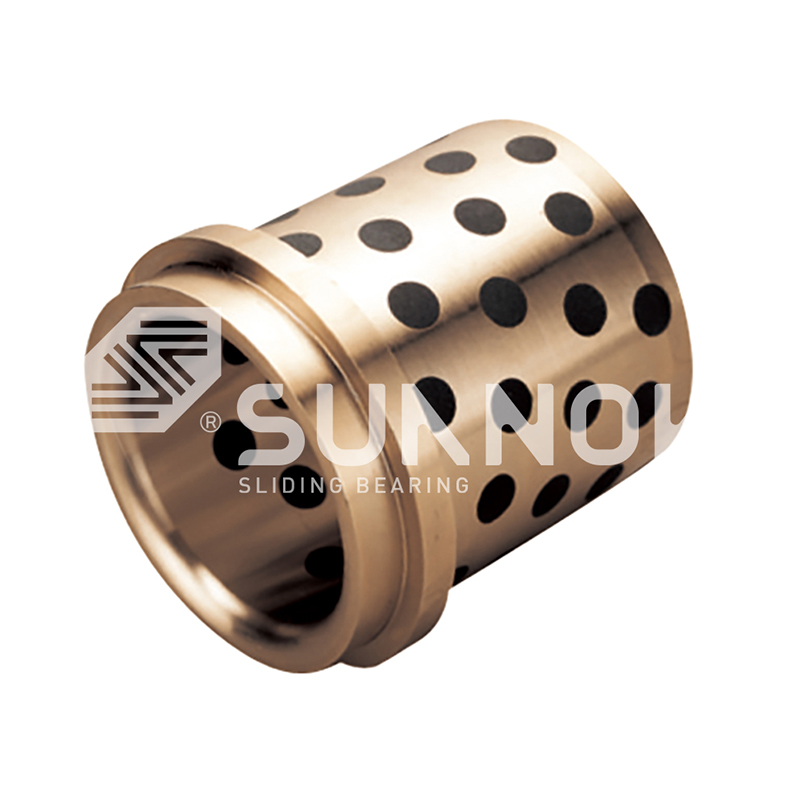 JDB Solid-lubricating Bearing Dual Flange Embedded Graphite Bronze Sleeve Bearing, High Load Maintenance Free Brass Bushing GB61 NAAMS
 -
-
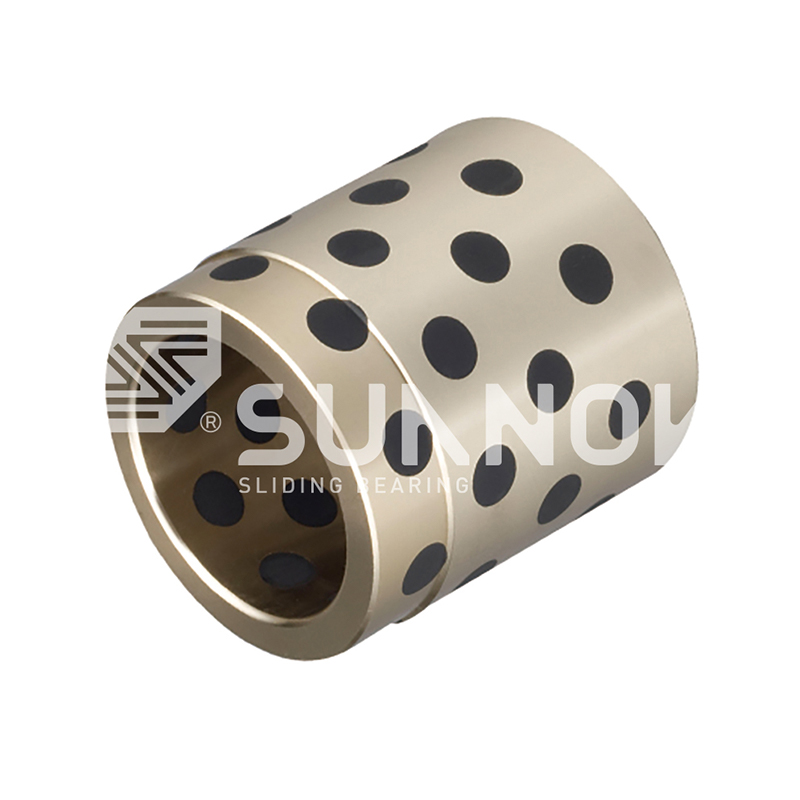 JDB Solid-lubricating Bearing Tubular Self-lubricating Bronze Bushing Graphite Plugged Sliding Sleeve Bearing JPBW, JPBF
 -
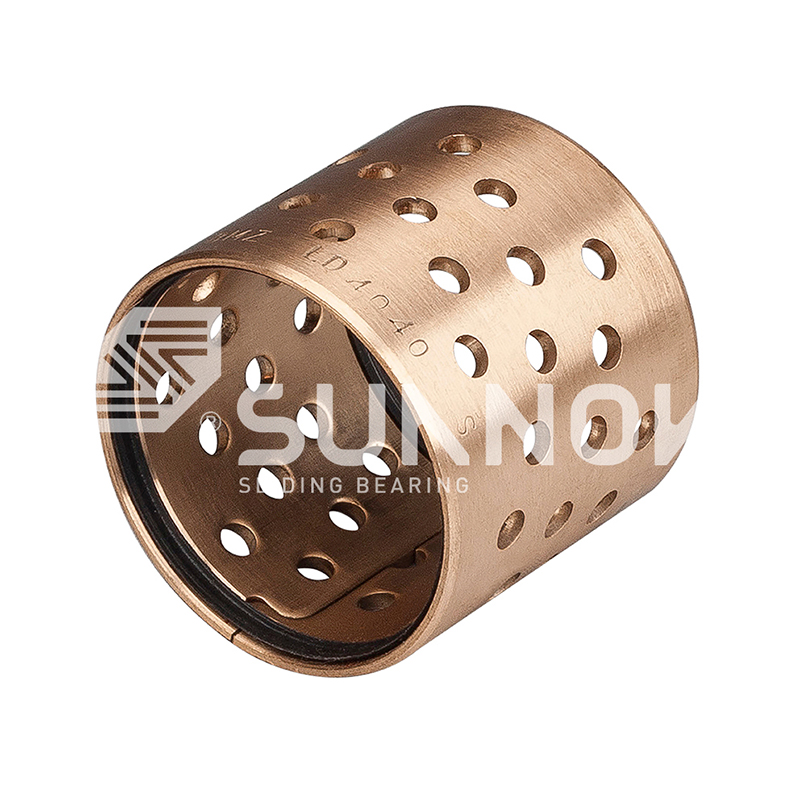 FB090 Bronze Wrapped Bearing FB094 Bronze Wrapped Bearing: Lead-free, High Load Capacity, Self-lubricating
 -
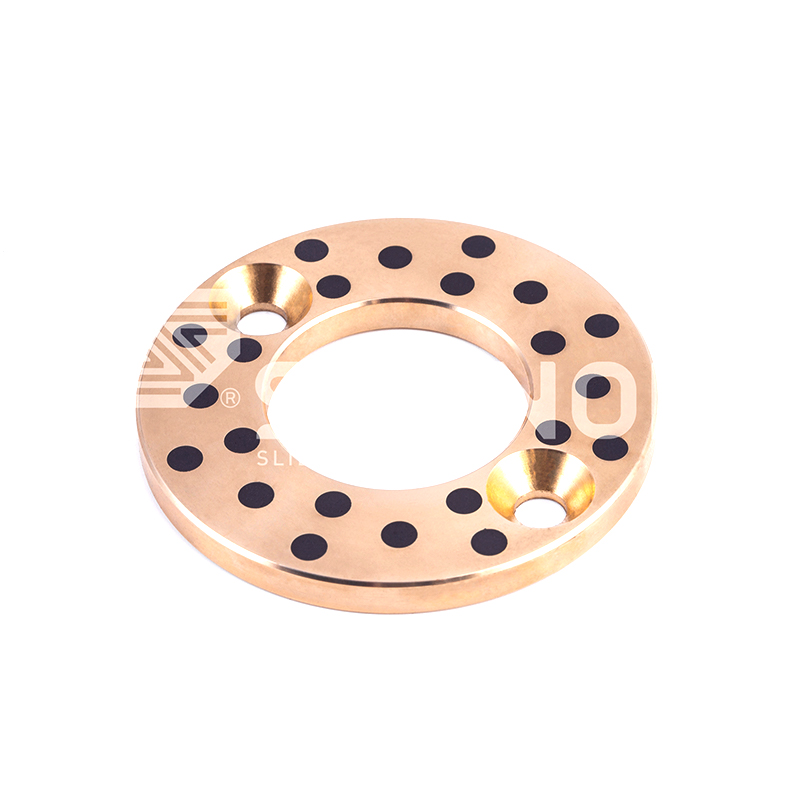 JDB Solid-lubricating Bearing JTW Solid Lubricant Graphite Oilless Bronze Thrust Washer Bearing
 -
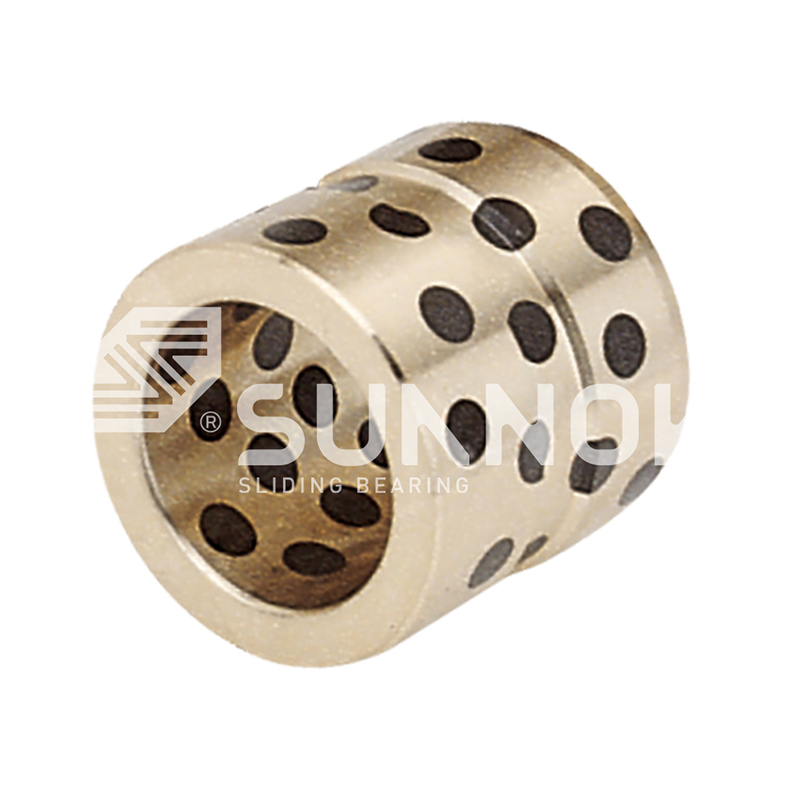 JDB Solid-lubricating Bearing High Temperature Brass JGB Oilless Ejector Guide Bearings
 -
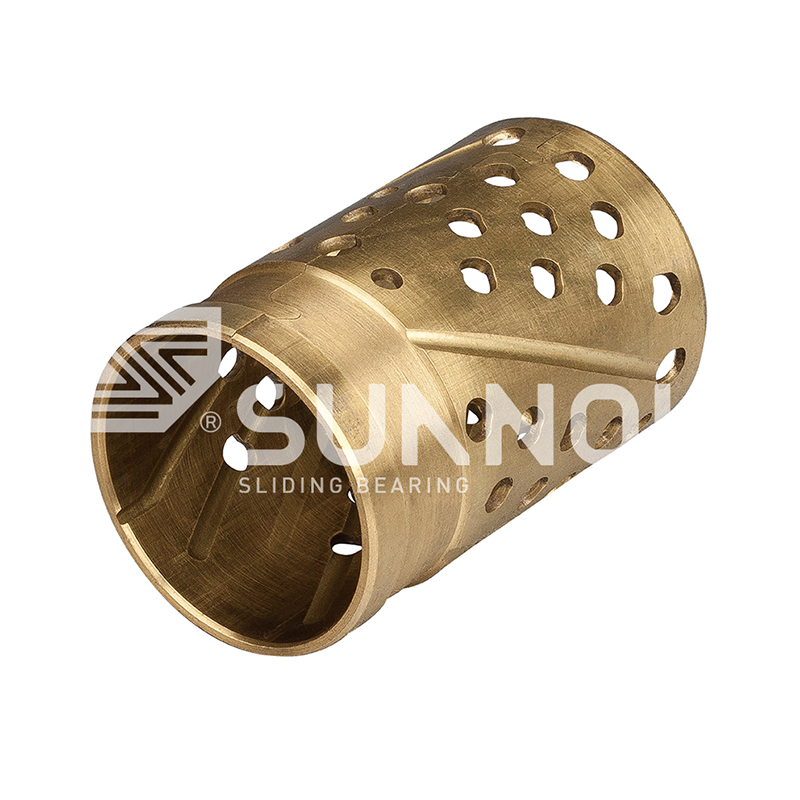 FB090 Bronze Wrapped Bearing FB091 High-Performance Copper Wrapped Bearing & Bushing | Bronze Bush
 -
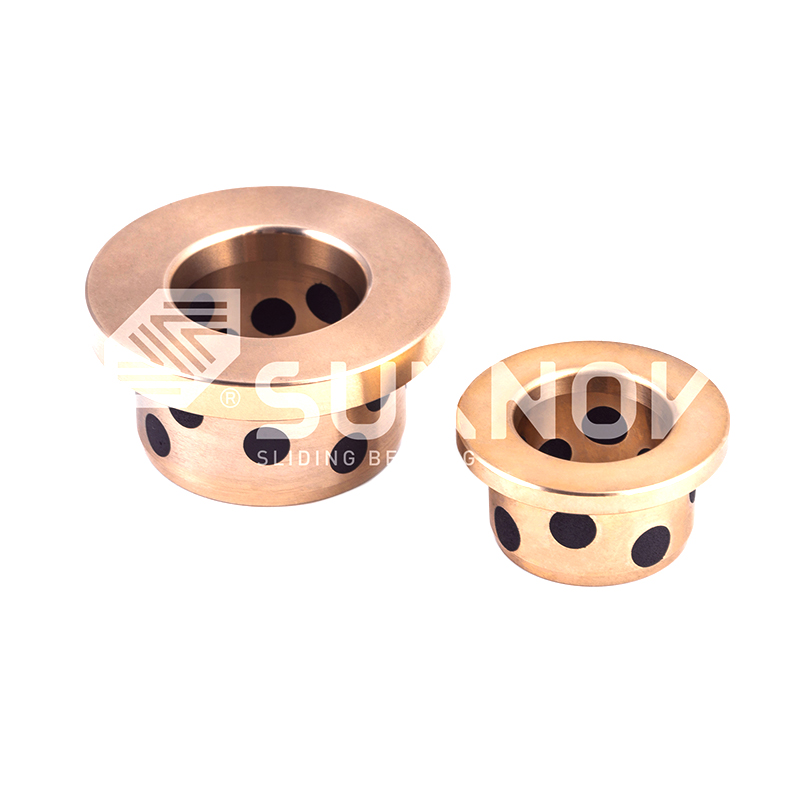 JDB Solid-lubricating Bearing Flanged Graphite Plugged Bronze Bushing, Self Lubricating Oilless Bronze Sleeve Bearing GB71 NAAMS
Tribological and Metallurgical Comparison: Tin Bronze vs High-Tensile Brass in the Manufacturing of a Bronze Graphite Bearing
Industry News-Content
Zhejiang Shuangnuo Bearing Technology Co., Ltd. is a specialized manufacturer of self-lubricating copper alloy products, utilizing advanced centrifugal casting, continuous casting, and metal mold casting processes. For nearly a decade, we have focused on the R&D of solid-inlaid self-lubricating solutions, producing national standard grades of brass, aluminum bronze, and tin bronze. By maintaining independent casting production of raw materials, we ensure metallurgical integrity from the source. Our facility is equipped with over 80 sets of CNC machine tools and machining centers, supported by triple-spectrometer testing (before, during, and after the furnace). This integrated production model allows us to provide personalized tailor-made designs for a high-performance bronze graphite bearing. Selecting the correct base alloy is the primary engineering decision that determines the load-bearing capacity and wear lifecycle of the component.
Mechanical Properties and Load-Bearing Capacity of High-Tensile Brass
High-tensile brass, often classified under grades like ZCuZn25Al6Fe3Mn3, is frequently selected for a bronze graphite bearing due to its exceptional mechanical strength. The addition of aluminum and manganese significantly increases the hardness, typically reaching HB 210-250. Why use high-tensile brass for heavy-duty bearings is answered by its ability to support high static loads exceeding 100 N/mm2. In high-load low-speed bearing applications, such as hydraulic support systems or construction machinery joints, brass provides the necessary structural rigidity to prevent plastic deformation. However, How high-tensile brass handles friction depends heavily on the precision of the graphite plug arrangement, as the base metal itself has lower inherent lubricity compared to tin-based alloys. The spectrometer-monitored casting process at Shuangnuo ensures that the alloying elements are perfectly distributed to maintain a consistent tensile strength of over 750 MPa.
Corrosion Resistance and Lubricity of Tin Bronze Alloys
Tin bronze (e.g., ZCuSn10P1) is the historical industry standard for environments where chemical stability and anti-friction properties are paramount. What is the wear resistance of tin bronze vs brass? While tin bronze has lower hardness (HB 70-100) than high-tensile brass, its coefficient of friction for bronze graphite bearings is naturally lower due to the presence of tin, which forms a protective oxide film. This makes tin bronze bearings suitable for marine environments or applications involving corrosive fluids, as the material is highly resistant to cavitation and sea-water corrosion. For a self-lubricating bronze graphite bearing, the tin bronze matrix allows for a smoother "smearing" of the solid lubricant across the sliding surface. When evaluating Why choose tin bronze for high-speed bearings, engineers focus on its superior thermal conductivity, which dissipates heat more effectively than brass, preventing thermal seizure in continuous-motion cycles.
Spectrometer Testing and Casting Precision Standards
The reliability of self-lubricating copper alloys is guaranteed through our rigorous whole-process monitoring. During the centrifugal casting of bronze bearings, we eliminate gas porosity and slag inclusions, resulting in a dense grain structure that enhances the fatigue strength of graphite-inlaid bearings. Our CNC machining centers maintain a Ra surface finish for copper bearings of less than 0.8 um, which is essential for the initial "run-in" period. To ensure the mechanical properties of custom bearings, we commission national testing agencies to verify chemical compositions and tensile parameters. This commitment to "integrity-based" manufacturing ensures that whether you require a high-precision brass graphite bearing or a specialized tin bronze bushing, the material meets the exact ASTM or DIN standards required for your specific industrial application.
| Technical Parameter | Tin Bronze (ZCuSn10P1) | High-Tensile Brass (ZCuZn25Al6Fe3Mn3) |
| Brinell Hardness (HB) | 80 - 110 | 210 - 260 |
| Tensile Strength (MPa) | > 260 | > 750 |
| Max. Static Load (N/mm2) | Approx. 60 | > 100 |
| Max. Linear Speed (m/s) | 2.0 | 0.5 |
| Corrosion Resistance | Excellent (Marine/Acid) | Moderate |
Application Selection: Finding the Optimal Material Solution
The choice between these alloys involves a trade-off between "load" and "speed." How to select the best alloy for graphite bearings depends on the PV value (Pressure x Velocity) of the application. For impact-resistant bronze graphite bearings used in mining equipment, the high hardness of brass is mandatory to resist surface bruising. Conversely, Why tin bronze is better for water turbines relates to its long-term electrochemical stability. At Zhejiang Shuangnuo, we provide professional product application solutions that shorten the production cycle by integrating material casting and finished machining. By analyzing the physical characteristics of self-lubricating bearings, we tailor the plug-in graphite volume—typically 20% to 30% of the surface area—to match the specific alloy's friction profile, ensuring customer satisfaction through first-class products and durable engineering performance.
Industrial Hardcore FAQ
Q1: Can high-tensile brass be used in submerged water applications?
A1: It is not recommended for long-term submersion in saltwater due to the risk of "dezincification." Tin bronze or aluminum bronze is a far superior choice for such corrosive environments.
Q2: Why does the graphite need to be "inlaid" rather than mixed into the melt?
A2: Inlaid graphite (solid lubricant) allows for a higher concentration of lubricant at the contact surface without compromising the structural load-bearing capacity of the copper alloy matrix.
Q3: What is the maximum operating temperature for a bronze graphite bearing?
A3: Generally, these bearings can operate up to 300°C. Above this, the oxidation of the copper matrix and the degradation of the graphite binder can lead to increased wear rates.
Q4: How does centrifugal casting improve the bearing quality?
A4: The centrifugal force drives out impurities and gases toward the center (which is machined away), resulting in a much denser and more uniform grain structure than traditional sand casting.
Q5: Is a "run-in" period necessary for these self-lubricating bearings?
A5: Yes. During the first few hours of operation, a thin film of graphite must be transferred from the plugs to the shaft surface to establish the low-friction interface.
Technical References
- ASTM B505/B505M: Standard Specification for Copper Alloy Continuous Castings.
- ISO 4379: Plain bearings — Copper alloy bushes.
- DIN 1705: Copper-tin and copper-tin-zinc casting alloys (historical reference for tin bronze).
Recommended NEWS:
Self-Lubricating Copper Alloy Bearings: The Future of Solid-Lubricating Bearings and JDB-600 Casting Bronze Bearings
Bronze Bushing Bearing FB090: Key Features & Benefits for Industrial Applications
Casting Bronze Bearing: The perfect fusion of ancient craftsmanship and modern industry
Understanding the Features of JDB650 Self-Lubricating Brass Bushing Oilless Bearings
Bronze Wrapped Bushings for Heavy Machinery: Durable Solutions for Demanding Applications
Why Solid-Lubricating Bronze Bearings Are the Future of Low-Maintenance Machinery
Recommended LINS:
Contact Us //
Have Questions? Get in Touch!

Zhejiang Shuangnuo Bearing Technology Co., Ltd. specializes in the production of various self-lubricating copper alloy bushing bearings products
Quick Links
Related Products
Contact
- Add: No. 69, Tingyao East Road, Ganyao Town Industrial Zone, Jiashan County, Zhejiang Province, China
- Tel: +86-15957371801
- Fax: +86-0573-84038630
- Email: [email protected]
[email protected]
© 2024 Zhejiang Shuangnuo Bearing Technology Co., Ltd.
Custom Self-Lubricating Copper Alloy Bearings
