


 русский
 Español
-
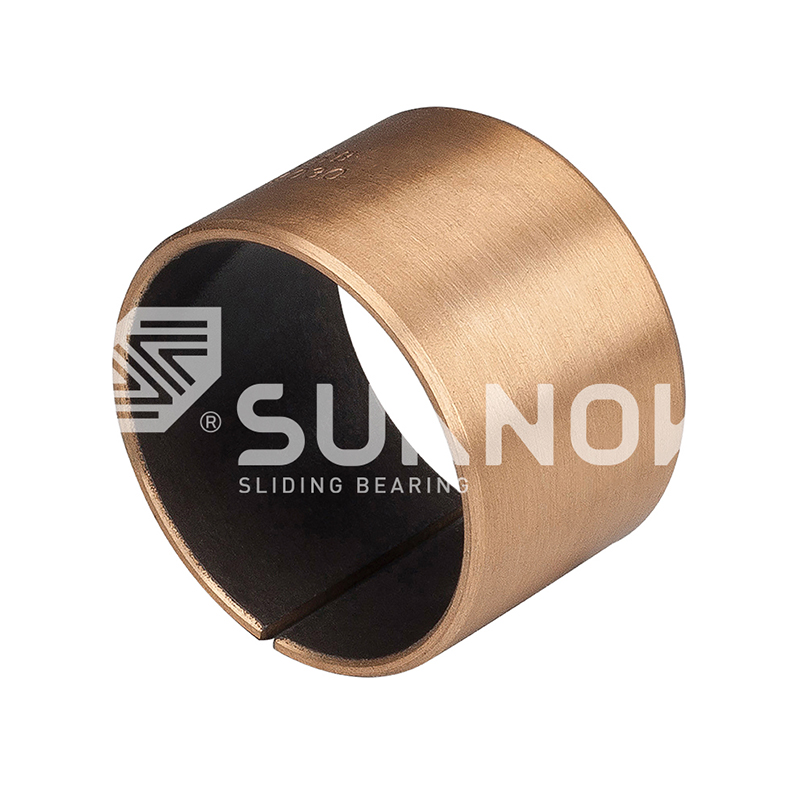
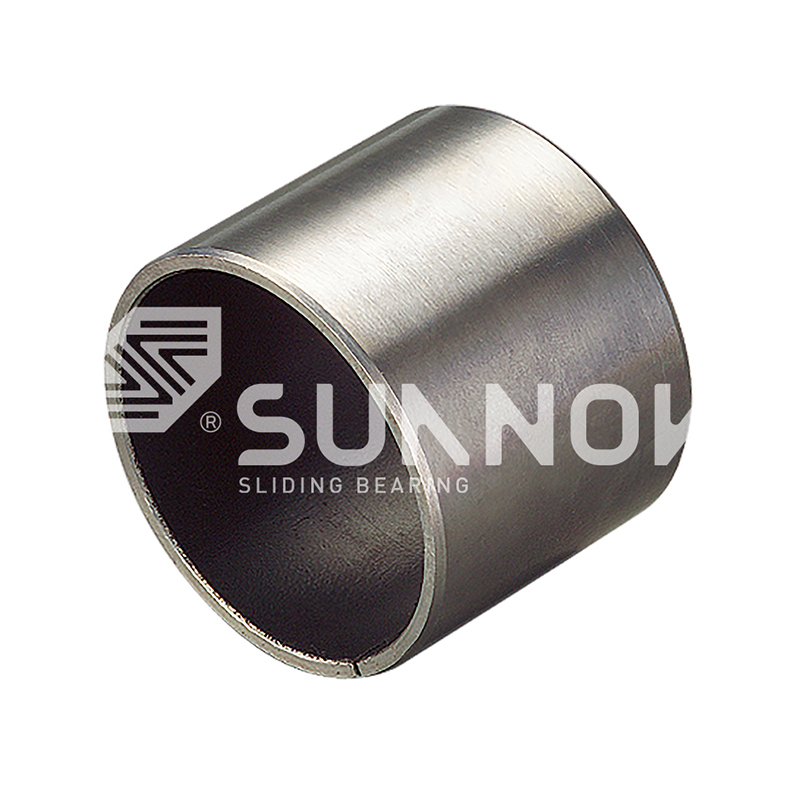 SF-1 Oilless Bearing Self Lubricating SF-1T Metal Gear Pump Bearing Bronze Bushings
 -
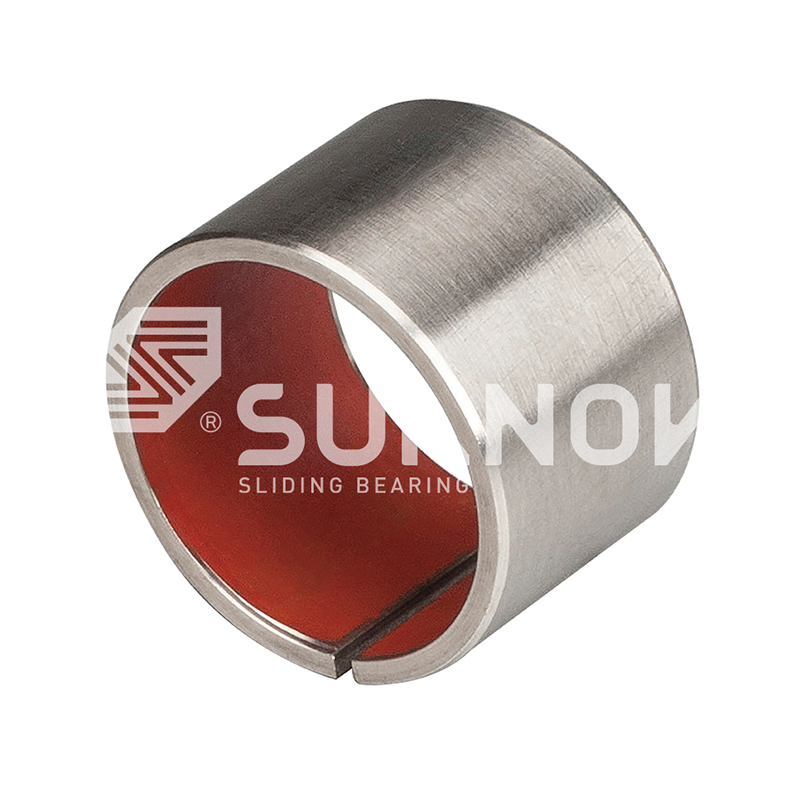
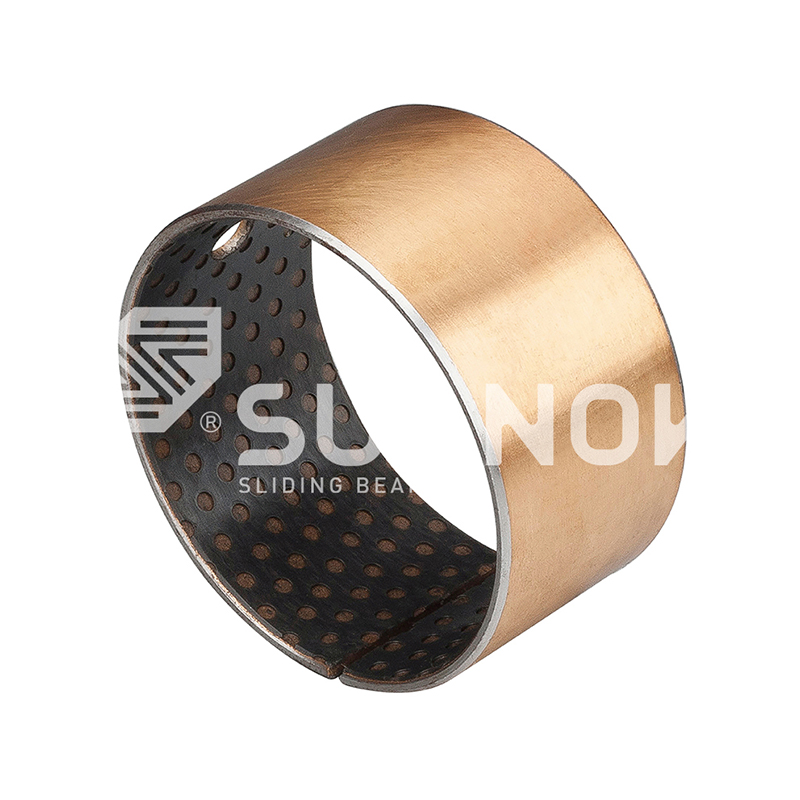 SF-2 Boundary Lubricating Bearing SF-2 Boundary Self-Lubricating Oilless Sliding Bushing Bearing, Lead-Free Boundary Bush
 -
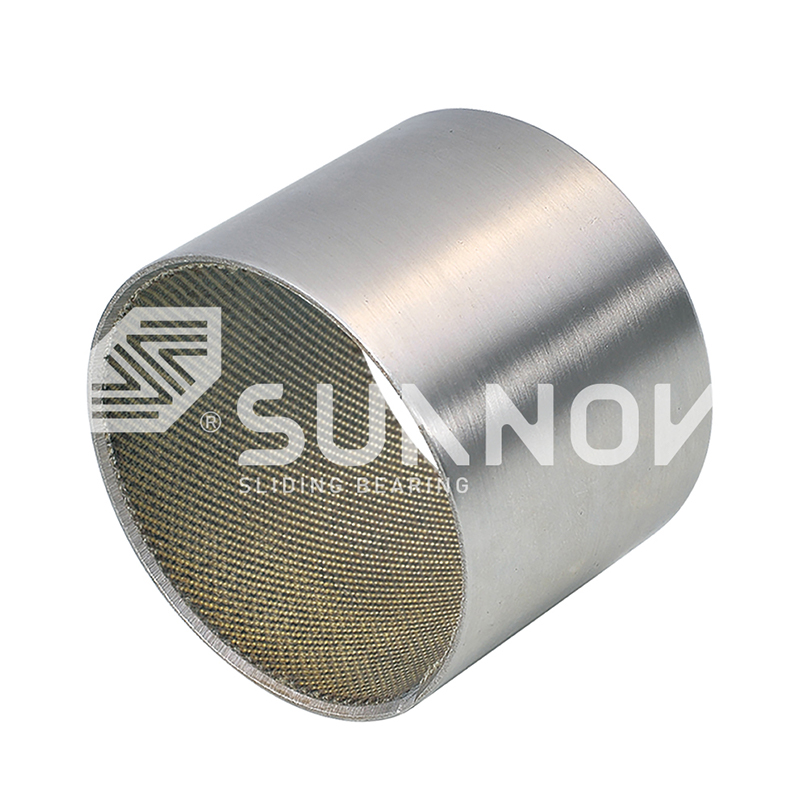
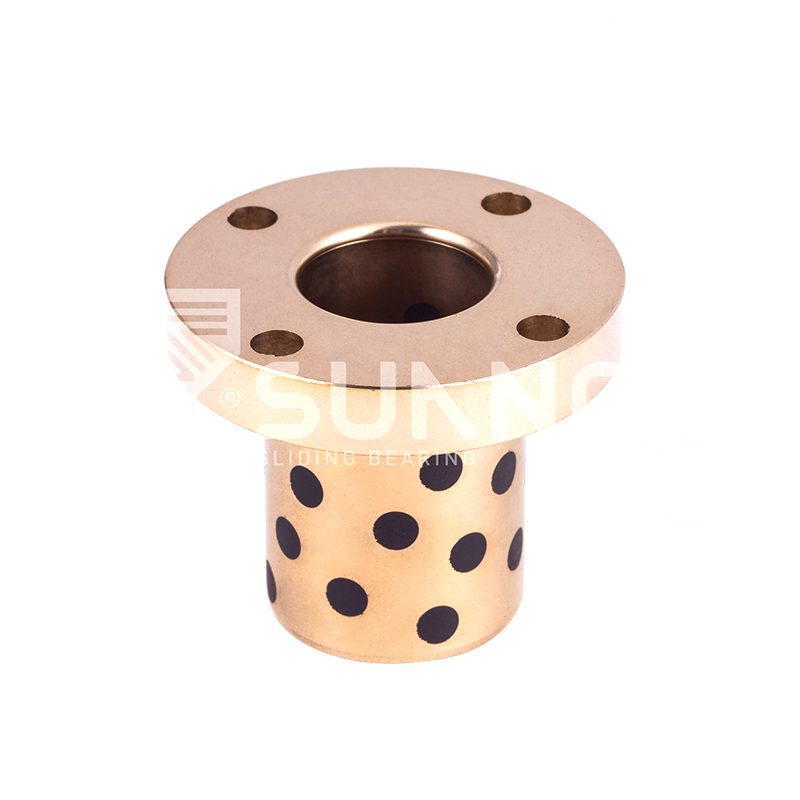 JDB Solid-lubricating Bearing JFB650 Metric Oil Free Self Lubricating Bronze Round Flanged Bearing
 -
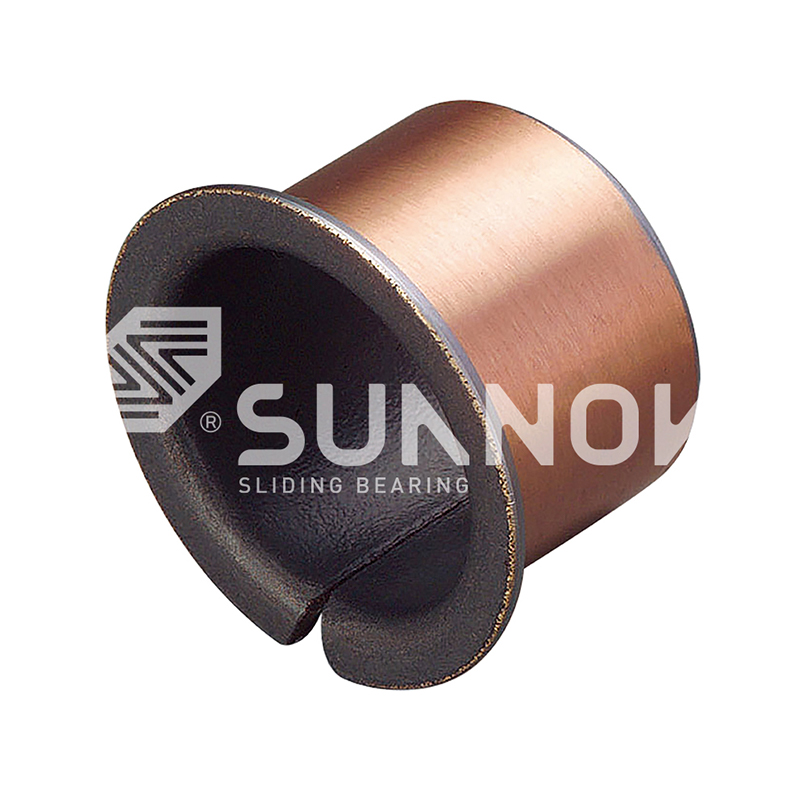
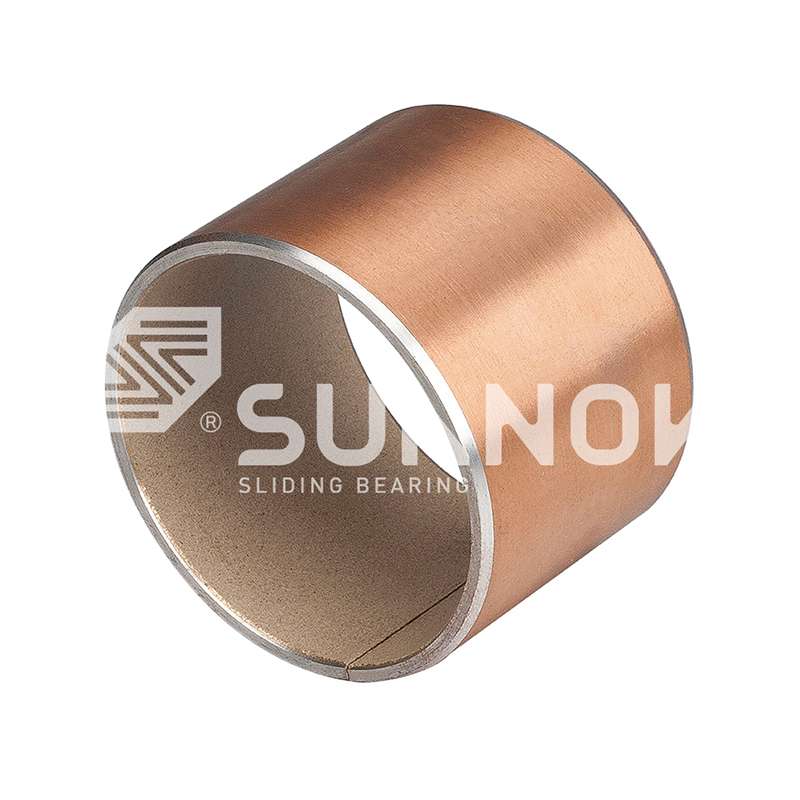 SF-1 Oilless Bearing SF-1P Reciprocating Motion Bronze Self-Lubricating Composite Bearing Bushing
 -
-
-
-
What are the Specific Shaft Requirements to Maximize the Performance of a Self Lubrication Bearing?
Industry News-Content
- 1 1. Surface Roughness: The Foundation of the Transfer Film
- 2 2. Shaft Hardness and Material Compatibility
- 3 3. Geometric Tolerances and Alignment
- 4 Conclusion: A Synergistic Approach to Friction
- 4.1 Frequently Asked Questions (FAQ)
- 4.1.1 1. Can I use a soft shaft with a self lubrication bearing?
- 4.1.2 2. Why is the self lubricating bearing surface finish so specific?
- 4.1.3 3. Do solid lubricant inlaid bearings require initial greasing?
- 4.1.4 4. What are the best self lubricating bearings for high loads?
- 4.1.5 5. How do I solve self lubricating bearing troubleshooting issues involving high heat?
- 4.2 Industry References
- 4.1 Frequently Asked Questions (FAQ)
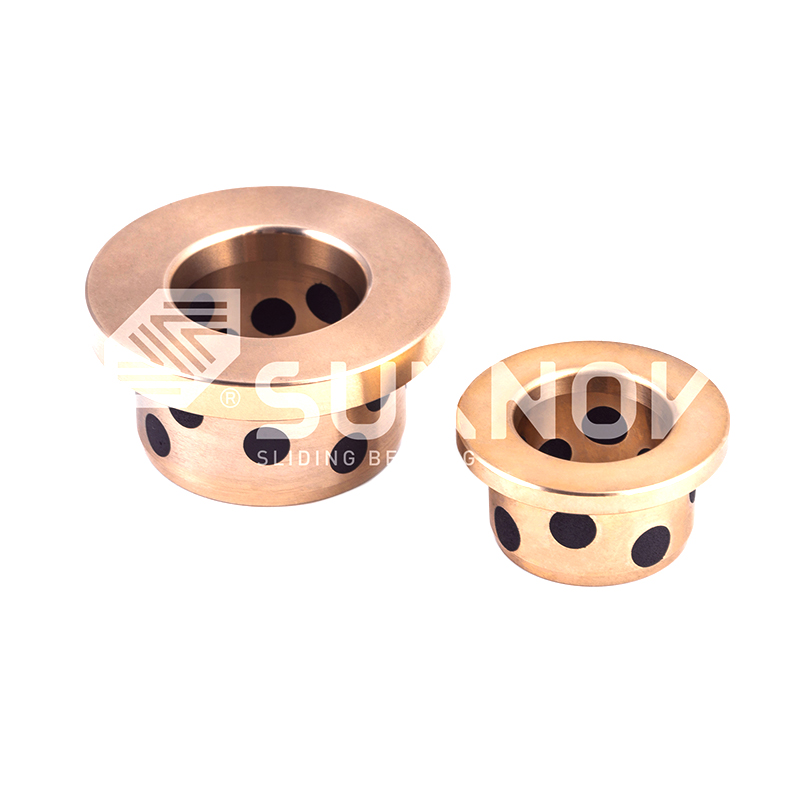
In the field of high-load, low-speed mechanical engineering, the efficiency of a tribological system is not solely dependent on the bushing itself. To achieve the full potential of a self lubrication bearing, the mating shaft must be engineered with precise metallurgical and surface characteristics. Zhejiang Shuangnuo Bearing Technology Co., Ltd. has spent nearly a decade perfecting the centrifugal and continuous casting of high-grade copper alloys, producing premium solid lubricant inlaid bearings. By controlling the production from raw material casting to final CNC machining, we ensure that our components meet rigorous national standards. However, even the best self lubricating bearings for high loads can fail prematurely if the shaft interface is neglected. This article outlines the critical shaft requirements for self lubrication bearings to ensure a stable lubricating film and extended service life.
1. Surface Roughness: The Foundation of the Transfer Film
The core mechanism of a self lubrication bearing involves the transfer of solid lubricants (such as graphite or PTFE) from the bearing matrix to the shaft surface. For this transfer film to bond effectively, the shaft surface finish must be within a specific range. If the shaft is too smooth, the lubricant cannot "grip" the surface; conversely, if it is too rough, the asperities will act as a cutting tool, accelerating self lubricating bearing wear rate. When comparing ground vs polished shafts for bearings, a ground finish with controlled cross-hatching typically provides a superior reservoir for solid lubricants compared to a mirror-polished surface. Mastering the self lubricating bearing surface finish requirements is the first step in reducing friction coefficients.
Surface Texture Guidelines
- Optimal Range: For most oilless bearings for industrial machinery, a roughness of Ra 0.2 to 0.8 µm is recommended.
- Directionality: Grinding marks should ideally be perpendicular to the direction of motion to facilitate lubricant entrapment.
| Surface Condition | Impact on Lubrication Film | Typical Result |
| Too Rough (> Ra 1.6) | Abrasive wear of the bronze matrix | Rapid failure and high heat |
| Too Smooth (< Ra 0.1) | Poor adhesion of the transfer film | Metal-to-metal contact (Galling) |
| Optimal (Ra 0.4) | Stable, continuous solid lubricant layer | Lowest friction and maximum life |
2. Shaft Hardness and Material Compatibility
The hardness differential between the shaft and the self lubrication bearing is a critical factor in preventing adhesive wear. Generally, the shaft should be significantly harder than the bearing material to ensure that any inevitable wear occurs on the replaceable bushing rather than the expensive drive shaft. When evaluating how to choose shaft material for oilless bearings, stainless steel or hardened carbon steel (HRC 45-60) is often preferred. Comparing stainless steel vs carbon steel shafts, stainless steel offers better corrosion resistance but requires careful attention to surface treatment to prevent "work hardening" issues. At Zhejiang Shuangnuo, we provide custom self lubricating bearing solutions that take into account the specific metallurgy of your mating components.
Recommended Material Sequence
- Selection: Choose a shaft material with a hardness at least 100 HB higher than the bearing matrix.
- Treatment: Apply induction hardening or carburizing to achieve a deep case hardness.
- Coating: For corrosive environments, consider hard chrome plating to enhance the maintenance free bearing performance.
| Shaft Material | Hardness (Typical) | Compatibility with Self Lubrication Bearing |
| Mild Steel (Un硬化) | 150 - 200 HB | Poor; prone to scoring under high loads |
| Hardened 45# Steel | HRC 45 - 55 | Excellent for heavy-duty industrial use |
| Hard Chrome Plated | > HV 800 | Best for graphite plugged bronze bushings |
3. Geometric Tolerances and Alignment
Proper fitment is essential to avoid localized pressure spikes. The bearing clearance for self lubricating types must account for thermal expansion, especially since composite self lubricating bearings and copper alloys have higher expansion coefficients than steel. Misalignment is a primary cause of self lubricating bearing troubleshooting issues, as it forces the load onto the edge of the bearing, exceeding the localized yield strength of the material. By utilizing our 80 sets of CNC machine tools, Zhejiang Shuangnuo ensures the concentricity of the bearing, but the installer must ensure the shaft's cylindricity and alignment. Understanding how to install self lubricating bearings correctly begins with a perfectly straight and round shaft.
Critical Geometric Factors
- Cylindricity: Shaft taper or out-of-roundness should be kept within IT6 or IT7 tolerances.
- Edge Preparation: Shaft ends should be chamfered and burr-free to prevent damaging the solid lubricant inlaid bearings during assembly.
Conclusion: A Synergistic Approach to Friction
Maximizing the performance of a self lubrication bearing requires a holistic view of the bearing-shaft system. By adhering to strict shaft requirements for self lubrication bearings—specifically regarding surface roughness, hardness, and geometric precision—engineers can drastically reduce the self lubricating bearing wear rate. Zhejiang Shuangnuo Bearing Technology Co., Ltd. remains committed to providing professional product application solutions and high-quality casting to ensure your machinery operates with "moderation and harmony."
Frequently Asked Questions (FAQ)
1. Can I use a soft shaft with a self lubrication bearing?
It is not recommended for high-load applications. A soft shaft will likely suffer from scoring and "plowing" by the harder bronze matrix or the solid lubricant particles, leading to system failure.
2. Why is the self lubricating bearing surface finish so specific?
The surface finish acts as a microscopic "anchor" for the solid lubricant. Too smooth and the lubricant won't stick; too rough and it shreds the lubricant before a film can form.
3. Do solid lubricant inlaid bearings require initial greasing?
While they are designed for dry operation, a thin layer of start-up lubricant can help the initial transfer film formation, which is a key part of how to install self lubricating bearings.
4. What are the best self lubricating bearings for high loads?
Solid inlaid copper alloy bearings (like those from Zhejiang Shuangnuo) are generally the best for high-load, low-speed applications due to the high load-bearing capacity of the bronze matrix.
5. How do I solve self lubricating bearing troubleshooting issues involving high heat?
High heat is usually a sign of excessive friction. Check if the shaft roughness is within the Ra 0.4-0.8 µm range and ensure the bearing clearance for self lubricating types is sufficient for thermal expansion.
Industry References
- ISO 4381: Plain bearings — Lead and tin casting alloys for multilayer plain bearings.
- ASTM B271: Standard Specification for Copper-Base Alloy Centrifugal Castings.
- DIN 1850: Bushings for Plain Bearings.
- Shuangnuo Bearing Technology: "Internal Research on Spectrometer Testing in Bronze Casting Quality" (2024).
Recommended NEWS:
What are the characteristics of industrial automation's demand for solid lubricant bearings?
What are the main drivers of the growth of the solid lubricant bearing market in 2025?
How to improve mechanical efficiency? What is the role of oil retained bimetal bearings in high load applications?
Understanding the Features of JDB650 Self-Lubricating Brass Bushing Oilless Bearings
Zhejiang Shuangnuo Bearing Technology Co., Ltd. will be present at the 2025 Shenzhen International Industrial Expo to showcase self-lubricating bearings
What is the difference between a bearing and a bushing?
Recommended LINS:
Contact Us //
Have Questions? Get in Touch!

Zhejiang Shuangnuo Bearing Technology Co., Ltd. specializes in the production of various self-lubricating copper alloy bushing bearings products
Quick Links
Related Products
Contact
- Add: No. 69, Tingyao East Road, Ganyao Town Industrial Zone, Jiashan County, Zhejiang Province, China
- Tel: +86-15957371801
- Fax: +86-0573-84038630
- Email: [email protected]
[email protected]
© 2024 Zhejiang Shuangnuo Bearing Technology Co., Ltd.
Custom Self-Lubricating Copper Alloy Bearings
