


 русский
 Español
-
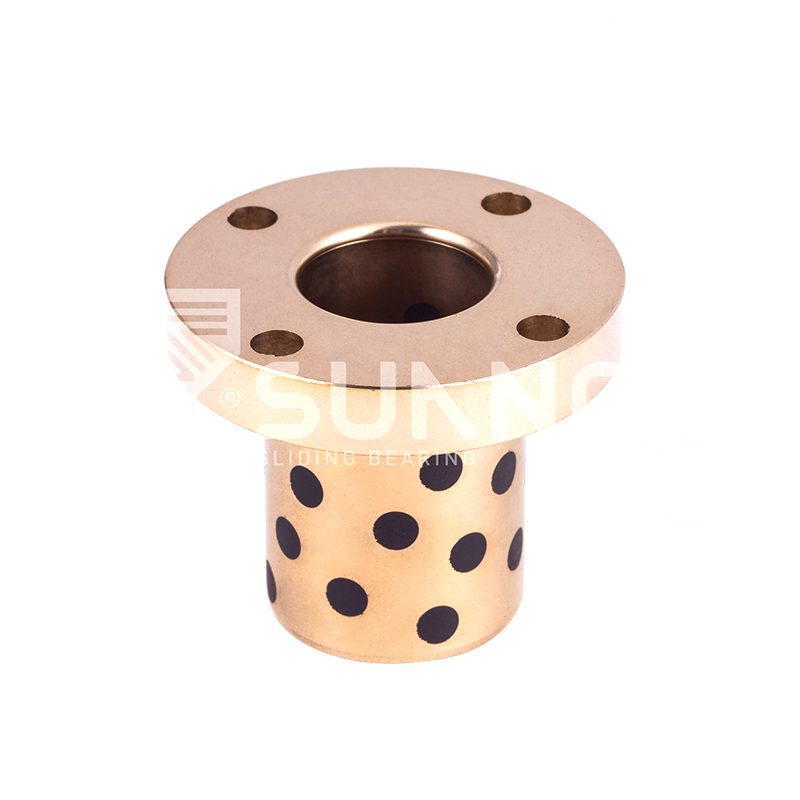 JDB Solid-lubricating Bearing JFB650 Metric Oil Free Self Lubricating Bronze Round Flanged Bearing
 -
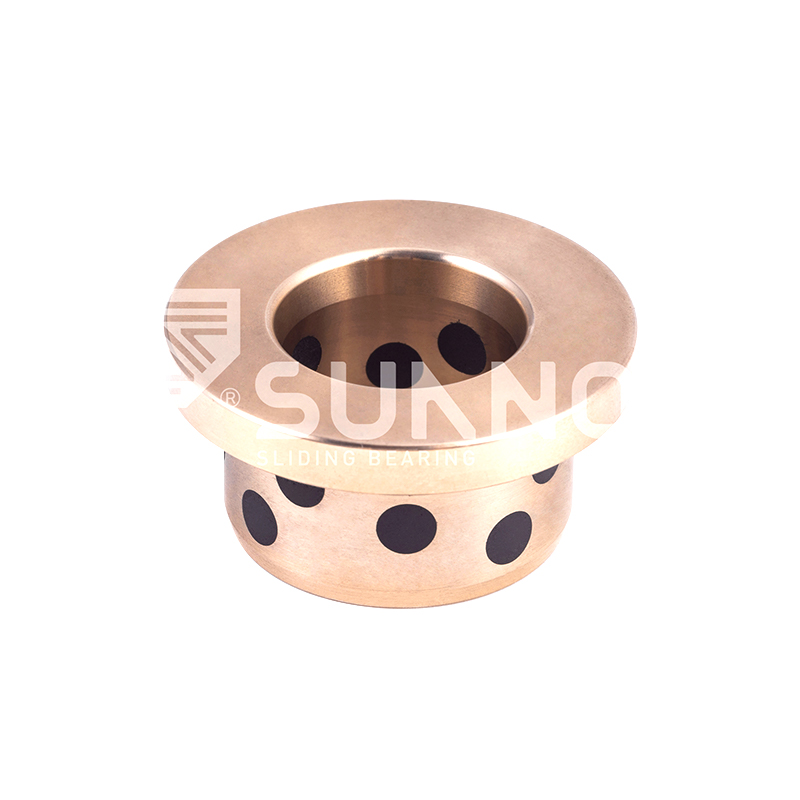 JDB Solid-lubricating Bearing JFBB Metric Self-lubricating Oilless Graphite Flanged Bearings Bushings
 -
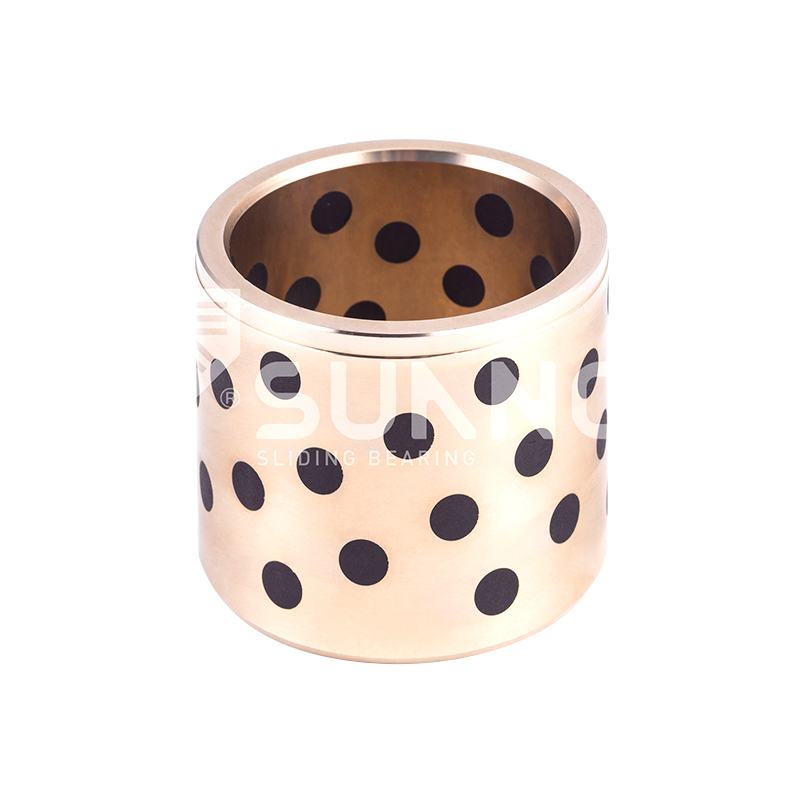 JDB Solid-lubricating Bearing JDB650 Self-Lubricating Brass Bushing Oilless Bearings
 -
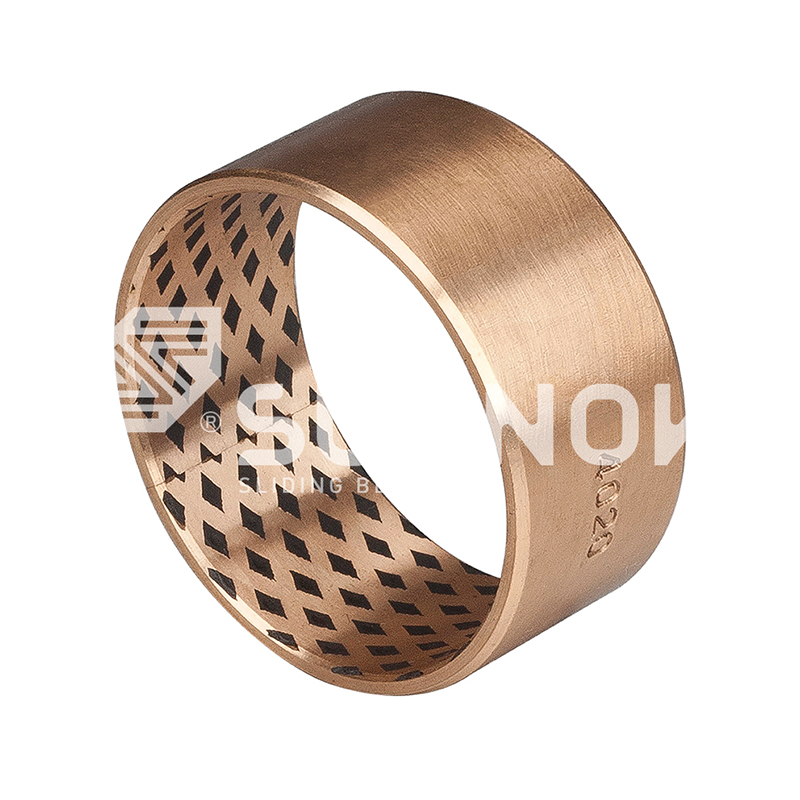 FB090 Bronze Wrapped Bearing FB09G Bronze Wrapped Bearing | Industrial Bronze Wrapped Bearing Bushing
 -
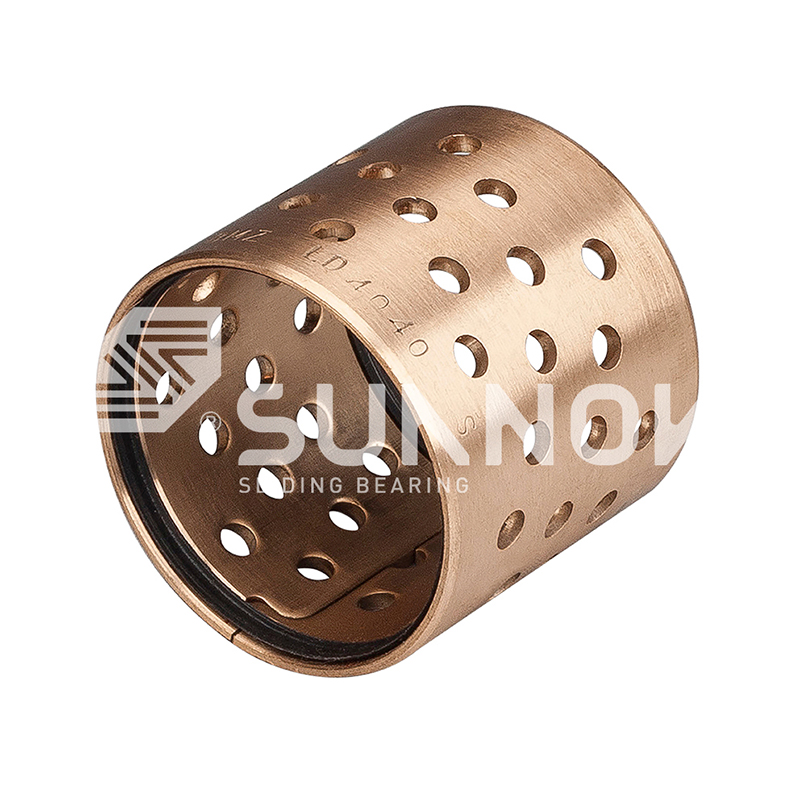 FB090 Bronze Wrapped Bearing FB094 Bronze Wrapped Bearing: Lead-free, High Load Capacity, Self-lubricating
 -
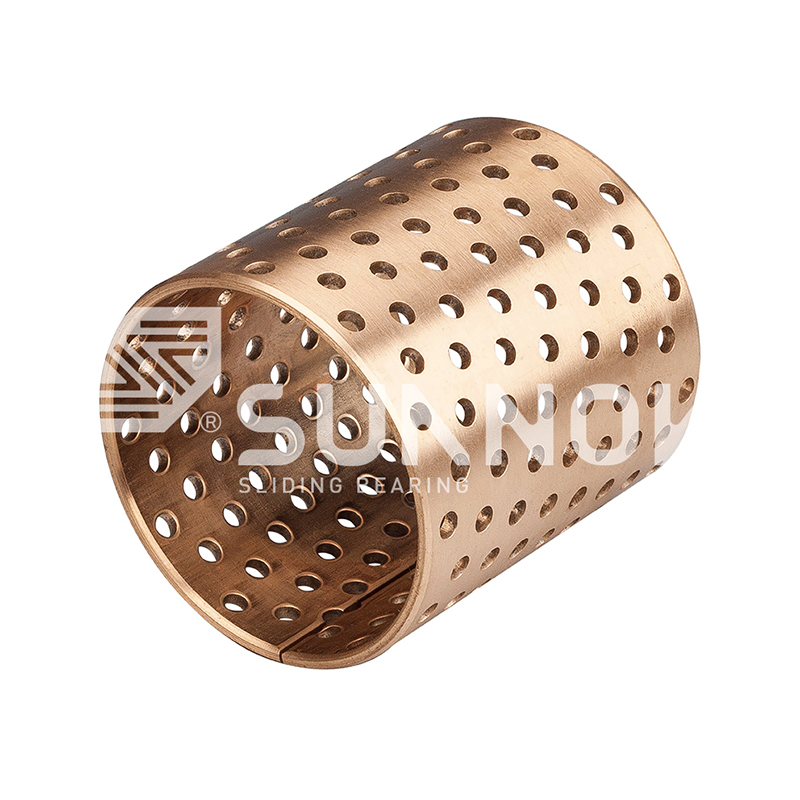 FB090 Bronze Wrapped Bearing FB092 Bronze Wrapped Bearing - Oilless Dry Sliding Bushing Self-Lubricating Bushing
 -
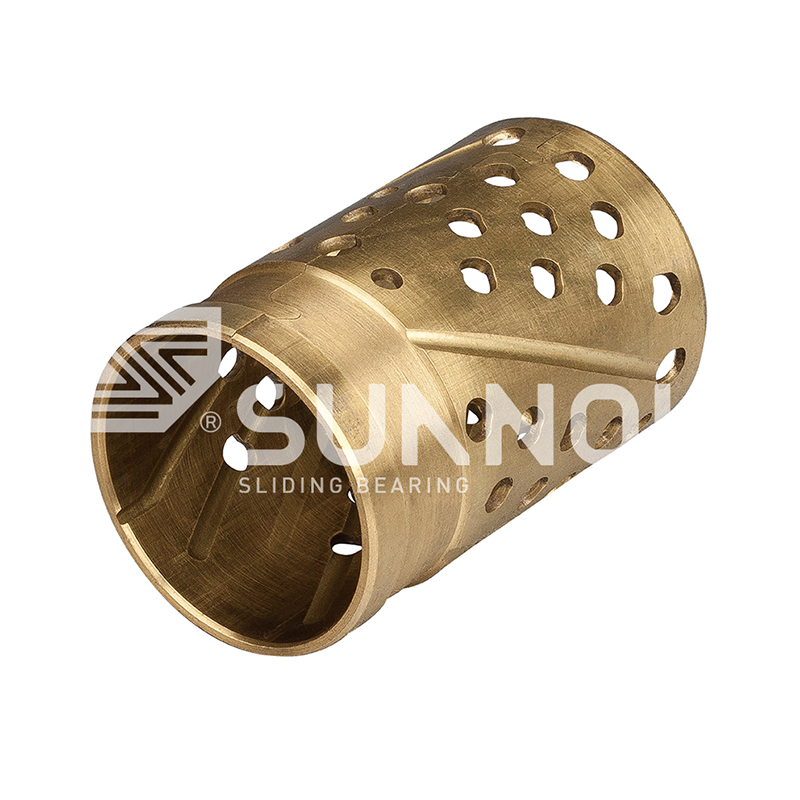 FB090 Bronze Wrapped Bearing FB091 High-Performance Copper Wrapped Bearing & Bushing | Bronze Bush
 -
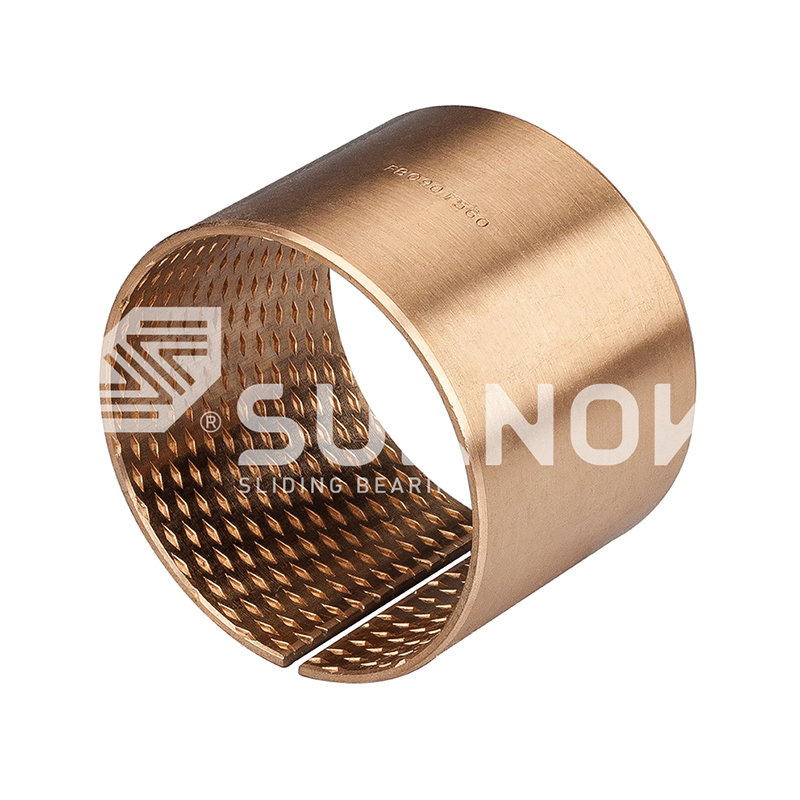 FB090 Bronze Wrapped Bearing FB090 Bronze Wrapped Bearing | Self-Lubricating Bushing & Sleeve
Sintered vs. Cast: Which Material of Metric Bronze Bearings Offers the Best Longevity?
Industry News-Content
Sintered Bronze: The Self-Lubricating Powerhouse
- Porosity and Oil Impregnation: Sintered metric bronze bearings are manufactured through powder metallurgy. The bronze powder is compressed and heated below its melting point, creating a porous structure (typically 18%–25% by volume). These pores are vacuum-impregnated with lubricating oil, allowing the bearing to create its own hydrodynamic oil film during operation.
- Longevity in High-Speed, Low-Load Apps: In applications where external lubrication is difficult to maintain, sintered bearings offer superior longevity. The "wicking" action ensures a constant supply of oil to the shaft, reducing start-up wear.
- Advanced Sintering Technology: Zhejiang Shuangnuo Bearing Technology Co., Ltd. utilizes advanced sintering processes to produce bimetallic products and specialized self-lubricating components, focusing on new material research to extend wear life.
Cast Bronze: Maximum Strength and Heavy-Duty Durability
- High Load-Bearing Capacity: Cast metric bronze bearings (including tin bronze and aluminum bronze) are solid, dense structures. Unlike sintered versions, they can withstand extreme PV (Pressure-Velocity) levels and heavy shock loads without deforming. This makes them the primary choice for heavy machinery and construction equipment.
- Inlaid Solid Lubricants: To achieve self-lubrication in cast materials, Shuangnuo specializes in solid inlaid self-lubricating bearings. By embedding graphite or PTFE plugs into a cast bronze matrix, the bearing gains the strength of a solid metal with the friction-reducing benefits of a dry lubricant.
- Strict Material Control: We insist on independent casting—using centrifugal, continuous, and metal mold casting. To ensure longevity, the material composition is tested by spectrometer three times (before, during, and after the furnace) to confirm the national standard grade.
Material Comparison: Impact on Service Life
- Wear Resistance and Hardness: Cast aluminum bronze typically offers higher HRC hardness than sintered variants, making it more resistant to abrasive wear in dirty environments. However, sintered bearings excel in clean, high-speed environments where a consistent oil film is critical.
- Production Integrated Quality: Longevity starts at the source. Shuangnuo implements integrated production from raw material to finished processing with over 80 sets of CNC machine tools and machining centers. This ensures that the dimensional tolerances of our metric bronze bearings are precise, preventing premature failure due to misalignment.
- Mechanical Property Validation: We regularly commission national testing agencies to verify mechanical properties, providing customers with authoritative reports that guarantee the long-term reliability of our self-lubricating solutions.
Technical Specification: Sintered vs. Cast Performance
| Technical Metric | Sintered Bronze Bearing | Cast Bronze (Inlaid) Bearing |
| Material Density | Porous (75-80% Theoretical) | Solid (99%+ Theoretical) |
| Max Dynamic Load | ~10 - 20 N/mm² | ~70 - 100+ N/mm² |
| Max Surface Speed | Up to 2.5 m/s | Up to 0.5 m/s (Inlaid) / 2.0 m/s (Oil) |
| Lubrication Type | Internal Oil Impregnation | Solid Graphite Inlays / External |
| Typical Longevity Factor | Superior for Start/Stop cycles | Superior for Heavy/Impact loads |
Personalized Design and Customization
- Tailor-Made Solutions: Adhering to the philosophy of "moderation and harmony," Shuangnuo carries out personalized design according to the specific characteristics of the customer's application. We don't just sell bearings; we create self-lubricating systems suitable for your unique environment.
- Industry New Star: With nearly 10 years of experience, we have developed a unique business model that combines independent casting with high-precision CNC finishing, making us a leading star in the domestic self-lubricating bearing industry.
- Shortened Production Cycles: Our strong production capacity ensures that materials are organized and processed quickly, allowing us to deliver high-quality self-lubricating bronze products to our global clients with minimal lead times.
Hardcore Technical FAQ
- Can a sintered bearing be machined to a different size?: It is not recommended. Machining can smear the pores, closing off the oil supply and significantly reducing the bearing's longevity. Cast bronze bearings, however, are ideal for precision CNC machining to custom metric dimensions.
- Why use aluminum bronze over tin bronze?: Aluminum bronze offers superior corrosion resistance and higher tensile strength, making it better for maritime or heavy-duty chemical applications.
- What is the benefit of "spectrometer testing" during casting?: It ensures the alloying elements (like Tin, Lead, or Aluminum) are within 0.1% of the target specification. Incorrect ratios can lead to "soft" bearings that wear prematurely or "brittle" ones that crack under load.
- Do solid inlaid bearings require a break-in period?: Yes. During the initial operation, a small amount of the solid lubricant is transferred to the shaft, creating a low-friction film that is essential for long-term wear resistance.
- Which is better for high temperatures?: Cast bronze with graphite inlays is superior for high temperatures (up to 300°C or more), as the oil in sintered bearings would eventually oxidize or evaporate.
Technical References
- ISO 2795: Plain bearings — Sintered bushes — Dimensions and tolerances.
- ASTM B438: Standard Specification for Bronze-Base Powder Metallurgy (PM) Bearings (Oil-Impregnated).
- DIN 1850: Standard for Cast Copper Alloy Bushes.
Recommended NEWS:
Self-Lubricating Copper Alloy Bearings: The Future of Solid-Lubricating Bearings and JDB-600 Casting Bronze Bearings
Why Solid-Lubricating Bronze Bearings Are the Future of Low-Maintenance Machinery
Casting Bronze Bearing: The perfect fusion of ancient craftsmanship and modern industry
Understanding the Features of JDB650 Self-Lubricating Brass Bushing Oilless Bearings
Self-Lubricating Copper Alloy Bearings: A Comparative Analysis with JDB-600 Casting Bronze and Oil-Retaining Bimetallic Bearings
Bronze Wrapped Bushings for Heavy Machinery: Durable Solutions for Demanding Applications
Recommended LINS:
Contact Us //
Have Questions? Get in Touch!

Zhejiang Shuangnuo Bearing Technology Co., Ltd. specializes in the production of various self-lubricating copper alloy bushing bearings products
Quick Links
Related Products
Contact
- Add: No. 69, Tingyao East Road, Ganyao Town Industrial Zone, Jiashan County, Zhejiang Province, China
- Tel: +86-15957371801
- Fax: +86-0573-84038630
- Email: [email protected]
[email protected]
© 2024 Zhejiang Shuangnuo Bearing Technology Co., Ltd.
Custom Self-Lubricating Copper Alloy Bearings
