


 русский
 Español
-
 SF-2 Boundary Lubricating Bearing SF-2Y Boundary Self-lubricating Bearing - Low Friction Dry Lubricant Bushings for Industrial Machinery
 -
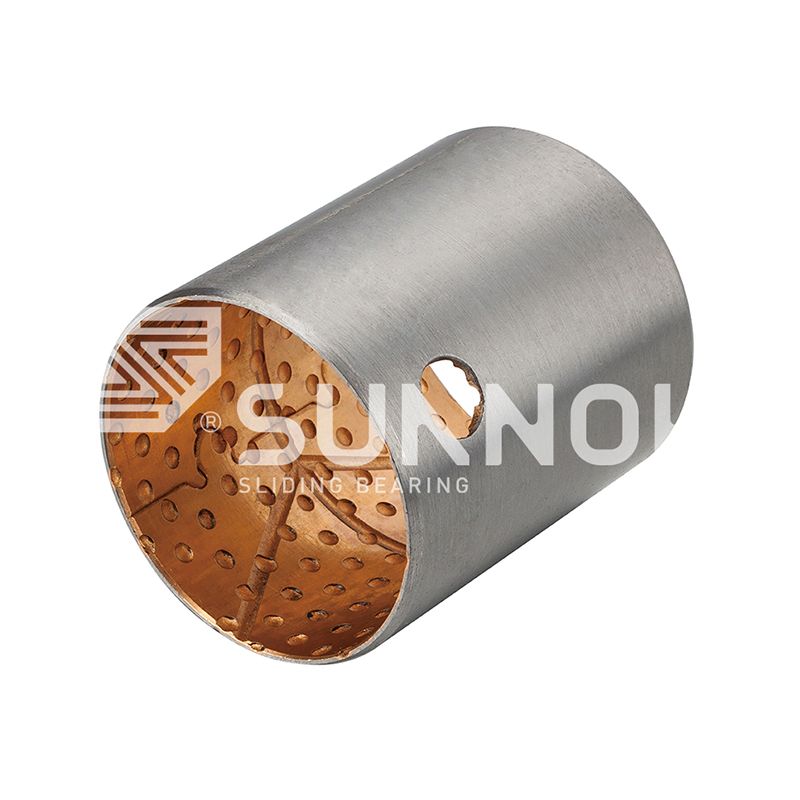 JF-800 Bi-metal Bearing JF-750 Self-Lubricating Lead Free Bi-Metal Bearing for Heavy Duty Engines Low Friction
 -
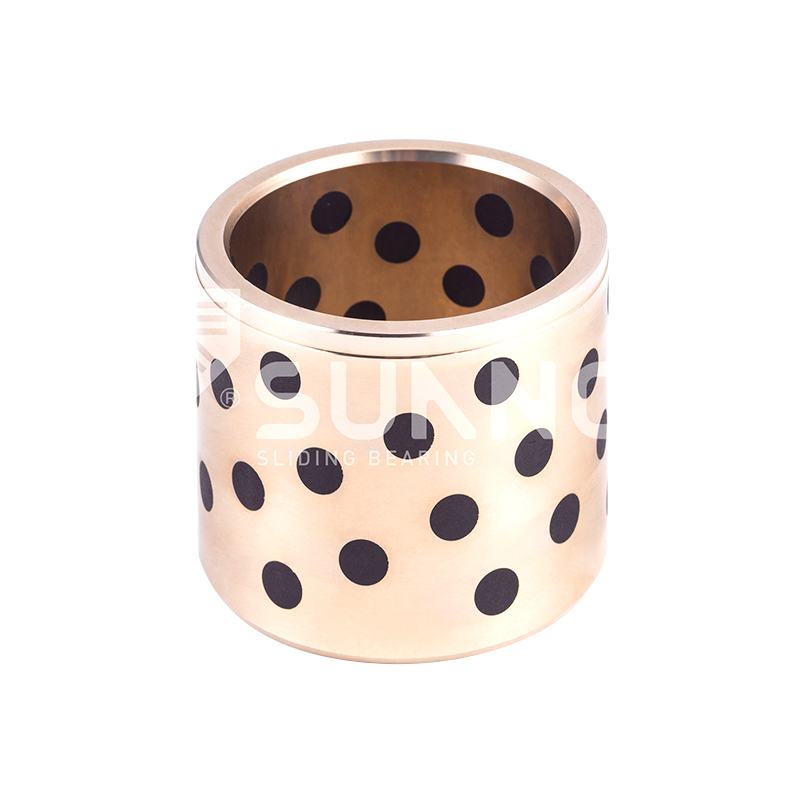 JDB Solid-lubricating Bearing JDB650 Self-Lubricating Brass Bushing Oilless Bearings
 -
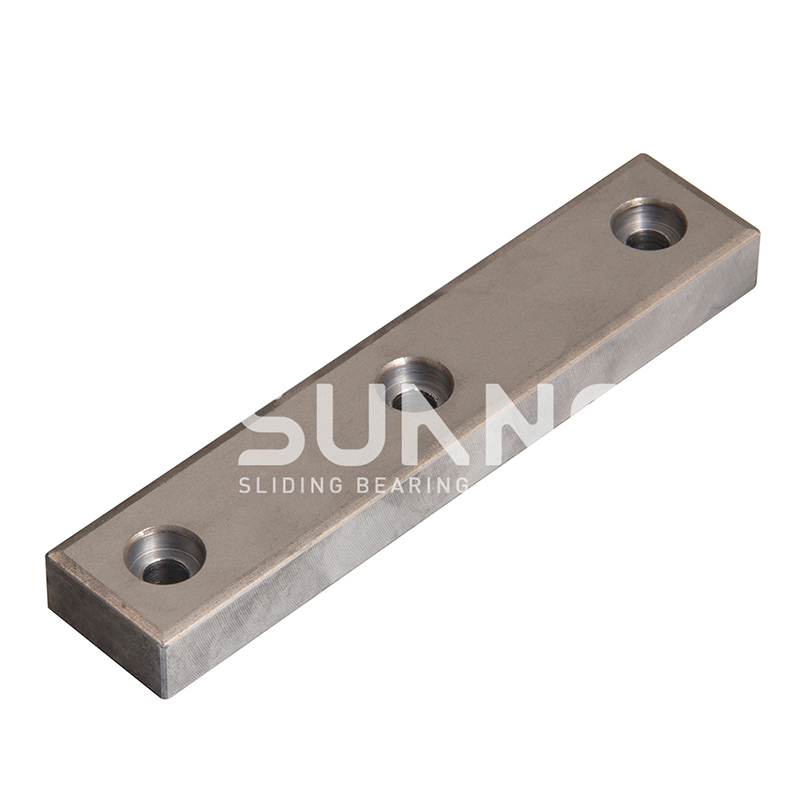 Oil-retaining Bimetallic Bearing Self-Lubricating 200# P20 Steel Graphite Insert Wear Plate / Steel Oilless Wear Strip
 -
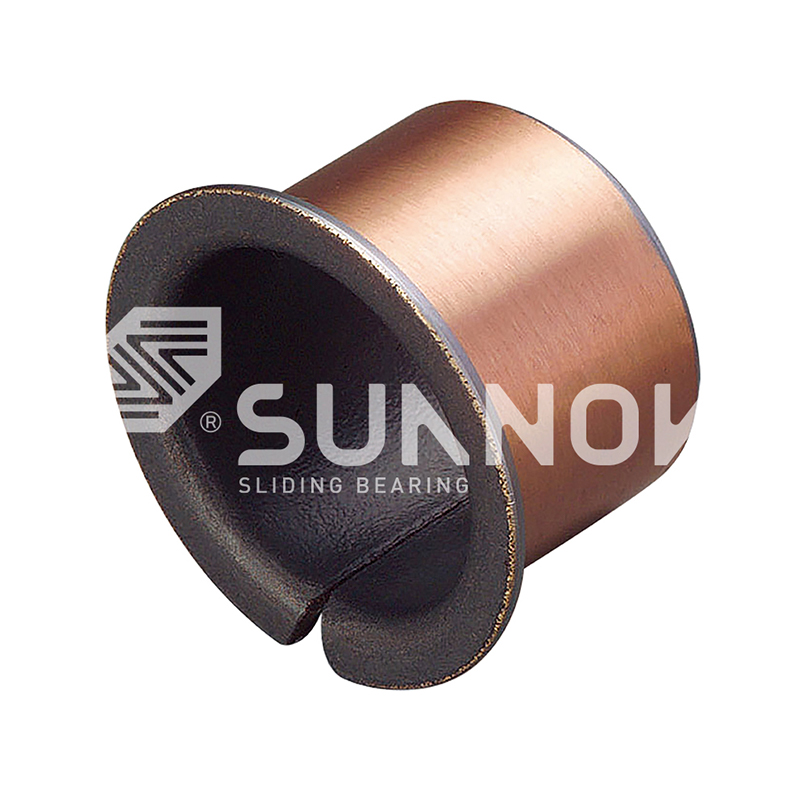
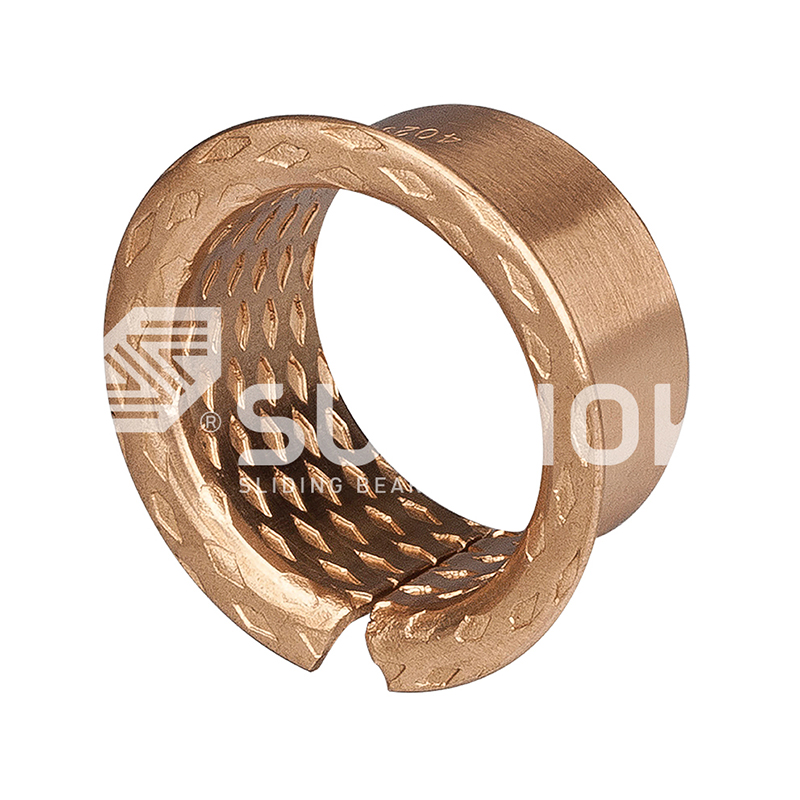 FB090 Bronze Wrapped Bearing FB090F Metric Flange Bearing - High-Precision & Self-Lubricating
 -
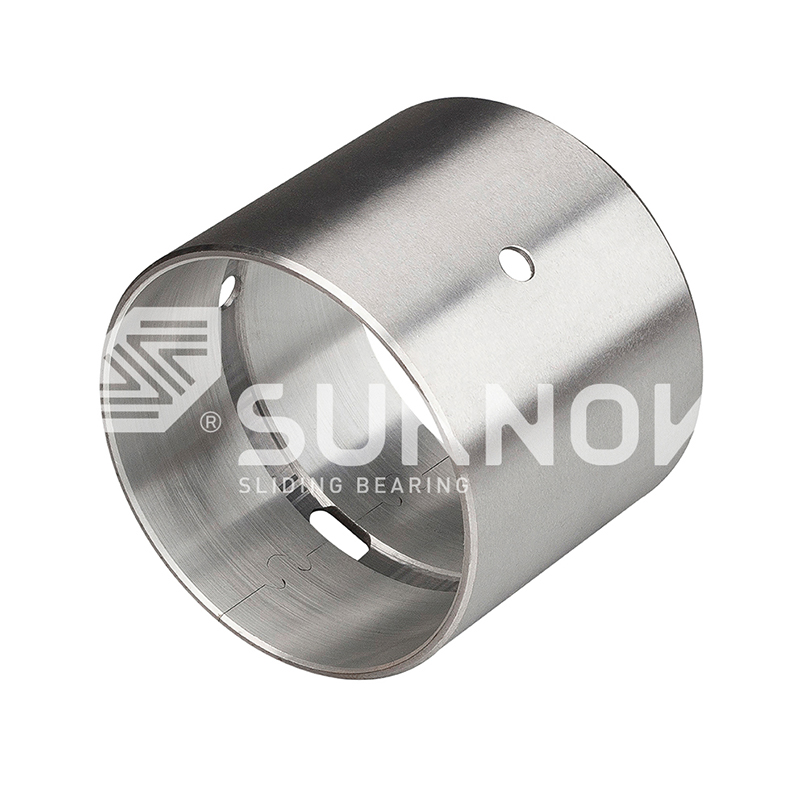 JF-800 Bi-metal Bearing JF-20 High-Performance Aluminum + Carbon Steel Alloy Bearing for Industrial Machinery
 -
-
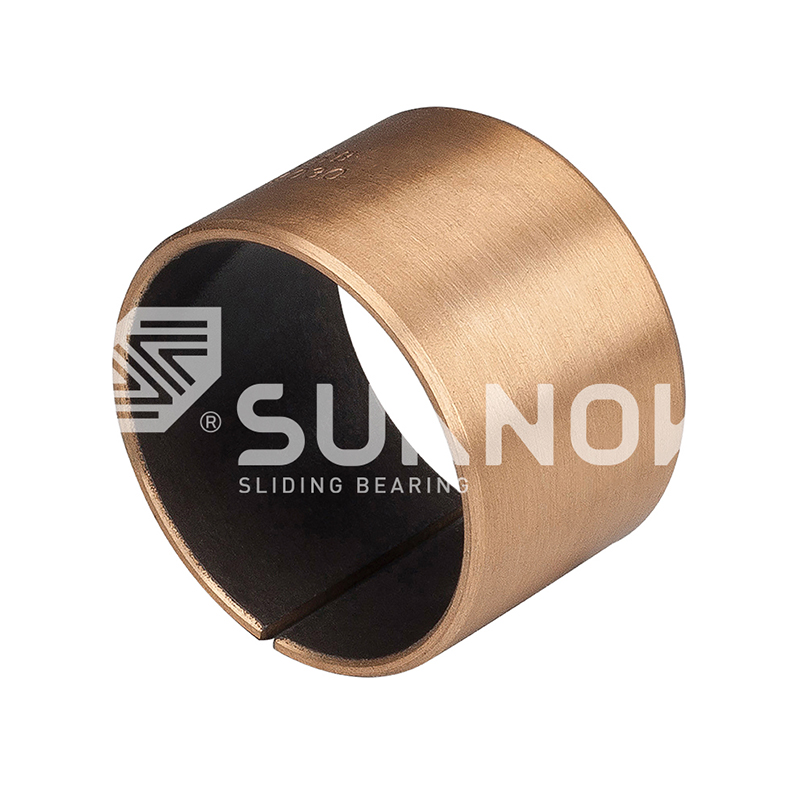
Which Material Composition of Self Lube Bearings Offers the Lowest Coefficient of Friction for Precision Machinery?
Industry News-Content
- 1 1. The Role of Solid Lubricant Inlays in Copper Alloys
- 2 2. Advanced Sintering and Bimetallic Technology
- 3 3. Customization and Application-Specific Solutions
- 4 Conclusion: Selecting the Right Tribological Partner
- 4.1 Frequently Asked Questions (FAQ)
- 4.1.1 1. Which material provides the absolute lowest friction in self lube bearings?
- 4.1.2 2. Why is self-lubricating bearing spectrometer testing important?
- 4.1.3 3. Comparing bronze vs bimetallic self lube bearings: which is better for high speeds?
- 4.1.4 4. How does the casting process of copper alloy bearings affect performance?
- 4.1.5 5. Can I get customized self-lubricating bearing design for my specific machine?
- 4.2 Industry References
- 4.1 Frequently Asked Questions (FAQ)
In the field of high-end mechanical engineering, minimizing parasitic energy loss through friction is a primary design objective. Self lube bearings have revolutionized precision machinery by eliminating the need for external oil or grease lubrication systems, which are often prone to contamination and leakage. However, the efficiency of these components is entirely dependent on their tribological properties. Zhejiang Shuangnuo Bearing Technology Co., Ltd. has spent nearly a decade specializing in the research development and production of new self-lubricating bearings. By utilizing advanced centrifugal and continuous casting for our copper alloys and integrating sintering technologies for bimetallic products, we ensure structural integrity from the raw material source. This article provides a technical analysis of material composition of self lube bearings and identifies which configurations yield the lowest coefficient of friction (CoF) for precision applications.
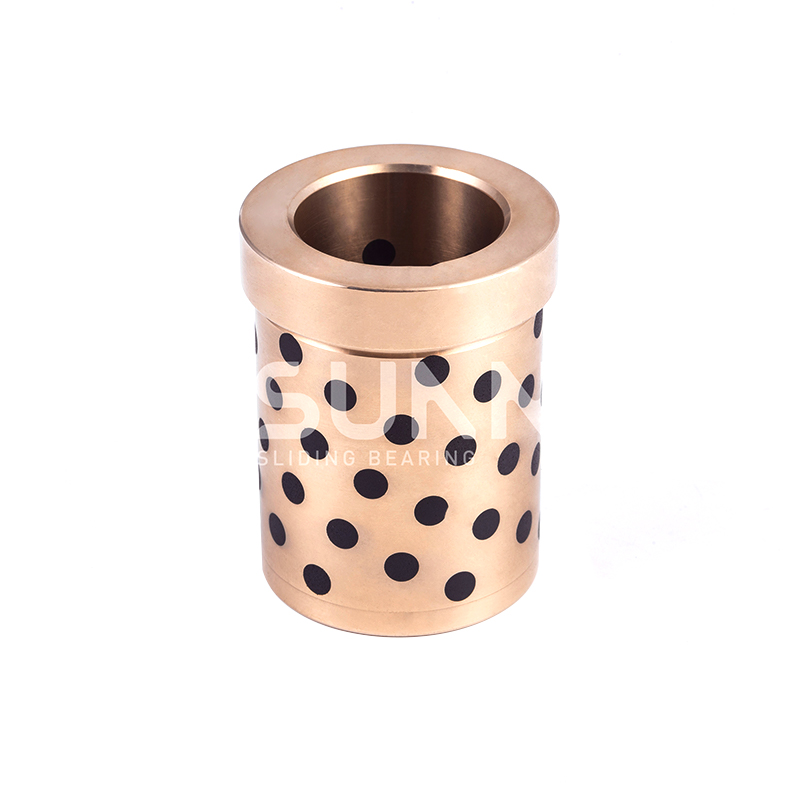
1. The Role of Solid Lubricant Inlays in Copper Alloys
For heavy-duty precision machinery, the best self lube bearings for high load applications often utilize a high-strength bronze base—such as aluminum bronze or tin bronze—embedded with solid lubricants. The most common inlays are graphite and PTFE (Polytetrafluoroethylene). While graphite is superior in high-temperature environments, PTFE offers a significantly lower static and dynamic coefficient of friction at moderate temperatures. When comparing bronze vs bimetallic self lube bearings, the bimetallic version often provides a thinner lubricating film that reduces the "stick-slip" effect. At Shuangnuo, our self-lubricating bearing spectrometer testing ensures the alloying elements are precise, as even minor deviations in tin or lead content can alter the coefficient of friction for self-lubricating bearings.
Tribological Comparison of Solid Lubricants
- Graphite Inlays: Best for oscillating movements and high temperatures (up to 400°C), but with a slightly higher CoF (0.08 - 0.15).
- PTFE-based Composites: Offers the absolute lowest CoF (as low as 0.02) under stable loads, making them the lowest friction self lube bearings for precision.
| Material Composition | Coefficient of Friction (μ) | Primary Advantage |
| Solid Inlaid Brass + Graphite | 0.10 - 0.18 | High load capacity & Wear resistance |
| Tin Bronze + PTFE Plugs | 0.02 - 0.08 | Lowest friction in precision motion |
| Sintered Bimetallic (Steel/Bronze) | 0.05 - 0.12 | Excellent fatigue strength |
2. Advanced Sintering and Bimetallic Technology
For precision machinery requiring compact designs, sintered bimetallic self-lubricating products are often the preferred choice. These consist of a steel backing for structural rigidity and a sintered bronze layer impregnated with a self-lubricating bearing PTFE coating. This material composition creates a microscopic transfer film on the mating shaft, effectively allowing the shaft to "glide" on a layer of fluoropolymer. Understanding how self lube bearings work in precision machinery involves looking at this transfer film; if the film is uniform, the friction remains low and stable. Because Shuangnuo implements integrated production from material to finished product, we can control the porosity of the sintered layer, which is a key factor in extending self lube bearing service life.
Factors Influencing Frictional Stability
- Surface Roughness: A smoother mating surface (Ra < 0.4 μm) is required to maximize the performance of PTFE lined self lube bearings.
- Load Distribution: Precision CNC machining of the self lube bearings inner diameter prevents edge loading, which can spike friction levels.
- Thermal Conductivity: Copper alloys produced via centrifugal casting provide excellent heat dissipation, preventing thermal expansion from tightening clearances.
3. Customization and Application-Specific Solutions
There is no "one-size-fits-all" when it comes to the lowest friction self lube bearings for precision. The material composition of self lube bearings must be "tailor-made" based on the PV (Pressure-Velocity) value of the application. For instance, aluminum bronze self-lubricating bearings are used when high corrosion resistance is required alongside low friction. Zhejiang Shuangnuo provides self lube bearings designed through personalized design protocols. We monitor the casting process of copper alloy bearings through three-stage spectrometer testing—before, during, and after the furnace—to confirm that the mechanical properties of self-lubricating bearings meet international standards. This rigorous control is why our components are trusted in high-precision Machining Centers and automated assembly lines.
| Environment | Recommended Composition | Frictional Outcome |
| Dry / High Precision | PTFE Lined Bimetallic | Ultra-low starting torque |
| Wet / Corrosive | Aluminum Bronze + Graphite | Stable friction; no rust-bonding |
| High Load / Low Speed | Tin Bronze + Solid Lubricant | Prevents metal-to-metal contact |
Conclusion: Selecting the Right Tribological Partner
In conclusion, for precision machinery requiring the lowest possible coefficient of friction, material compositions incorporating PTFE-based solid lubricants or sintered bimetallic layers offer the best performance. However, the reliability of these self lube bearings depends on the quality of the base alloy and the precision of the manufacturing process. Zhejiang Shuangnuo Bearing Technology Co., Ltd. stands as a new star in the industry, offering customized self-lubricating bearing design backed by independent casting and advanced CNC processing. By ensuring the material composition is verified by authoritative test reports, we provide the "moderation and harmony" of high performance and long-term integrity required for the next generation of precision engineering.
Frequently Asked Questions (FAQ)
1. Which material provides the absolute lowest friction in self lube bearings?
PTFE-based compositions generally offer the lowest coefficient of friction (typically 0.02 to 0.10). When used as a liner in precision machinery bearings, it provides an exceptionally smooth gliding surface.
2. Why is self-lubricating bearing spectrometer testing important?
The spectrometer confirms the exact percentage of elements like Copper, Tin, and Lead. Correct material composition is essential for both the mechanical strength and the ability of the bearing to hold solid lubricants effectively.
3. Comparing bronze vs bimetallic self lube bearings: which is better for high speeds?
Bimetallic bearings with a sintered bronze/PTFE layer are generally better for higher speeds because the steel backing handles the heat and stress better, while the thin PTFE layer keeps friction at a minimum.
4. How does the casting process of copper alloy bearings affect performance?
Centrifugal casting creates a denser, more uniform grain structure compared to standard sand casting. This results in better wear resistance and a more stable surface for the material composition of self lube bearings.
5. Can I get customized self-lubricating bearing design for my specific machine?
Yes. Zhejiang Shuangnuo specializes in tailor-made designs. We analyze your product's load, speed, and environment to select the optimal alloy and solid lubricant combination.
Industry References
- ISO 3547: Plain bearings — Wrapped bushes — Part 1: Dimensions.
- ASTM B271/B271M: Standard Specification for Copper-Base Alloy Centrifugal Castings.
- Tribology International: "Friction and wear properties of PTFE-based composite bearings."
- Shuangnuo Technical Lab: "Comparative Analysis of Tin Bronze vs. Aluminum Bronze in Solid Inlaid Bearings" (2025).
Recommended NEWS:
Self-Lubricating Copper Alloy Bearings: The Future of Solid-Lubricating Bearings and JDB-600 Casting Bronze Bearings
Why Solid-Lubricating Bronze Bearings Are the Future of Low-Maintenance Machinery
Understanding the Features of JDB650 Self-Lubricating Brass Bushing Oilless Bearings
The Benefits of Maintenance-Free Solid Lubricant Bearings for Industrial Applications
SF-1 Oilless Bearings: The Future of Frictionless Motion
What are the characteristics of industrial automation's demand for solid lubricant bearings?
Recommended LINS:
Contact Us //
Have Questions? Get in Touch!

Zhejiang Shuangnuo Bearing Technology Co., Ltd. specializes in the production of various self-lubricating copper alloy bushing bearings products
Quick Links
Related Products
Contact
- Add: No. 69, Tingyao East Road, Ganyao Town Industrial Zone, Jiashan County, Zhejiang Province, China
- Tel: +86-15957371801
- Fax: +86-0573-84038630
- Email: [email protected]
[email protected]
© 2024 Zhejiang Shuangnuo Bearing Technology Co., Ltd.
Custom Self-Lubricating Copper Alloy Bearings
