


 русский
 Español
-
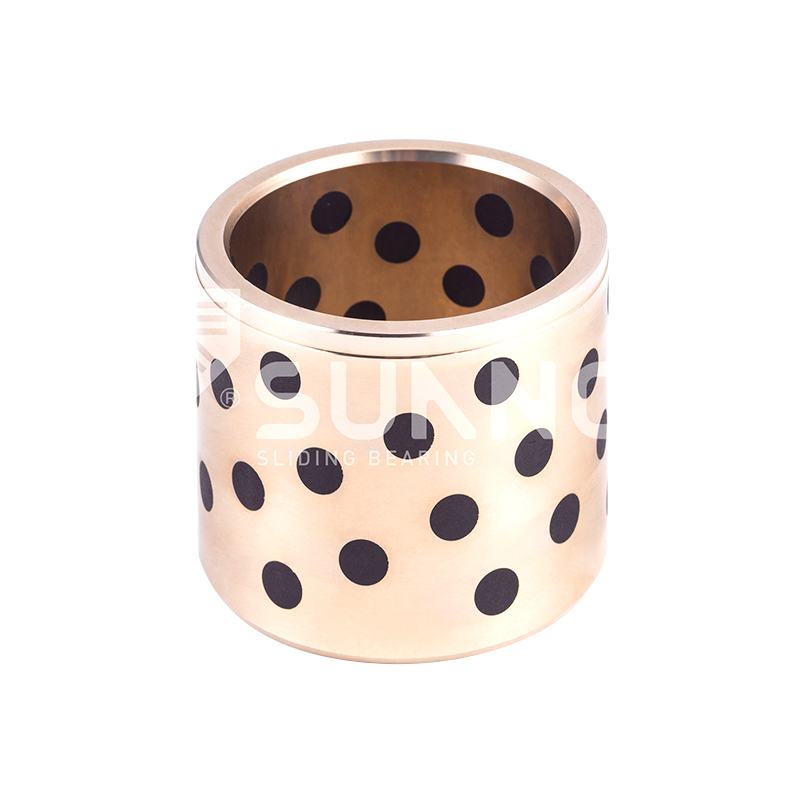 JDB Solid-lubricating Bearing JDB650 Self-Lubricating Brass Bushing Oilless Bearings
 -
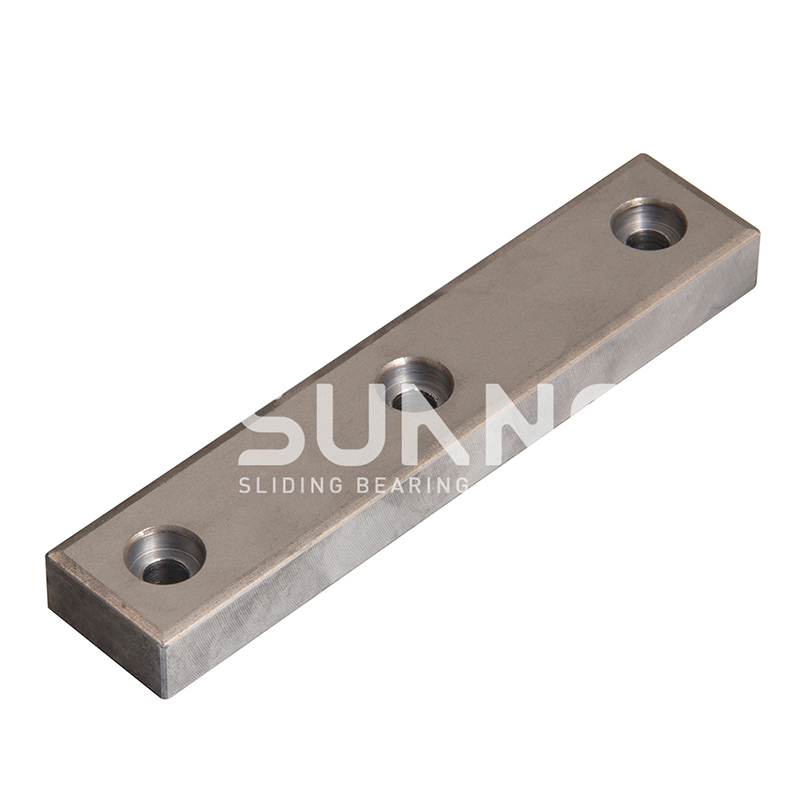 Oil-retaining Bimetallic Bearing Self-Lubricating 200# P20 Steel Graphite Insert Wear Plate / Steel Oilless Wear Strip
 -
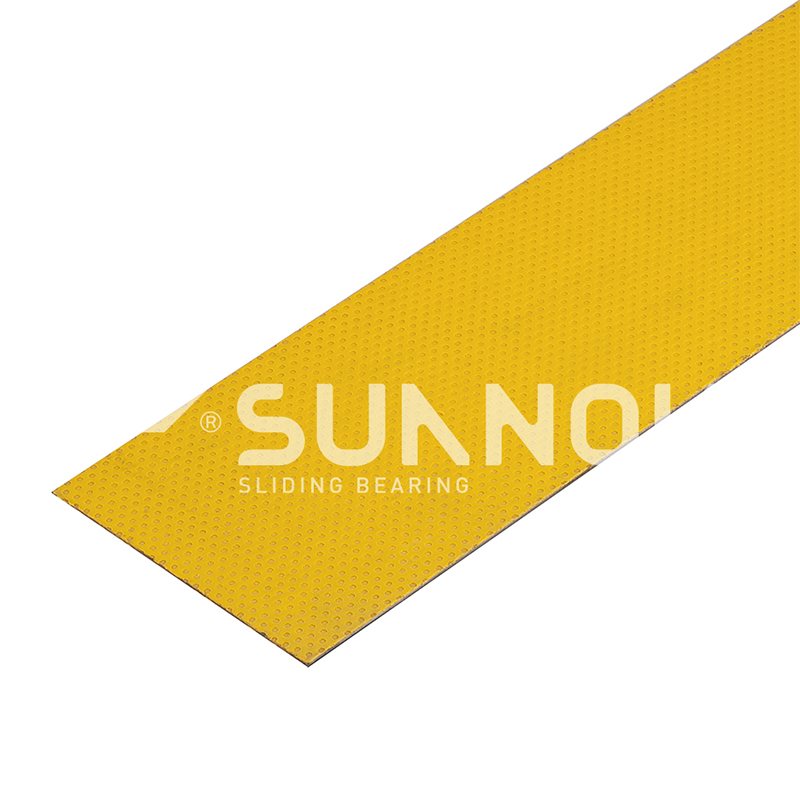 SF-2 Boundary Lubricating Bearing SF-2SP Standard Metric Size Self Lubricating Wear Strip With PTFE
 -
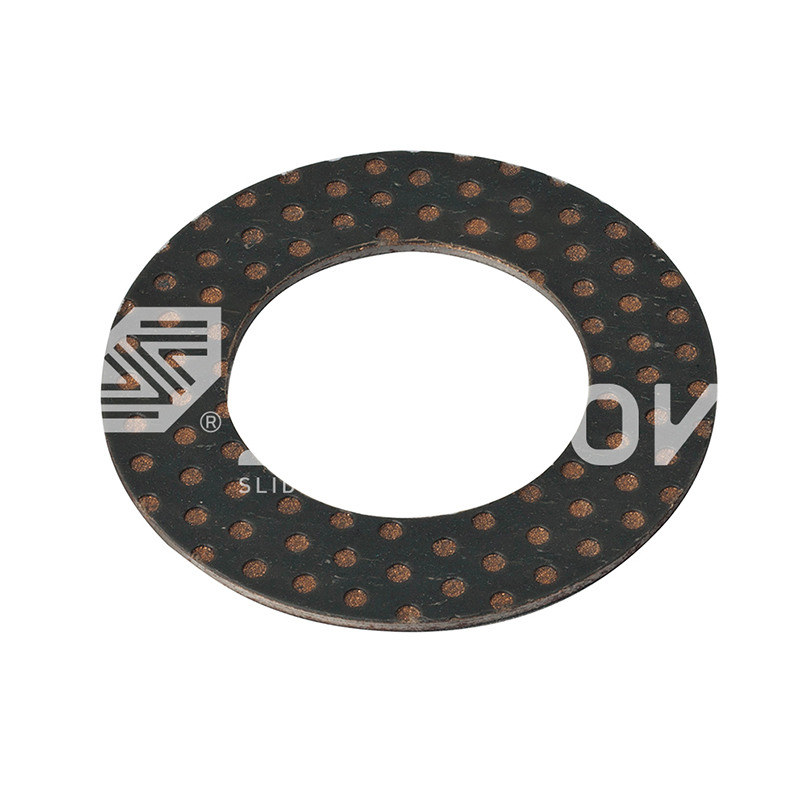 SF-2 Boundary Lubricating Bearing SF-2WC Standard Metric Self-Lubricating Compound Thrust Washer Sliding Washers
 -
 SF-2 Boundary Lubricating Bearing SF-2Y Boundary Self-lubricating Bearing - Low Friction Dry Lubricant Bushings for Industrial Machinery
 -
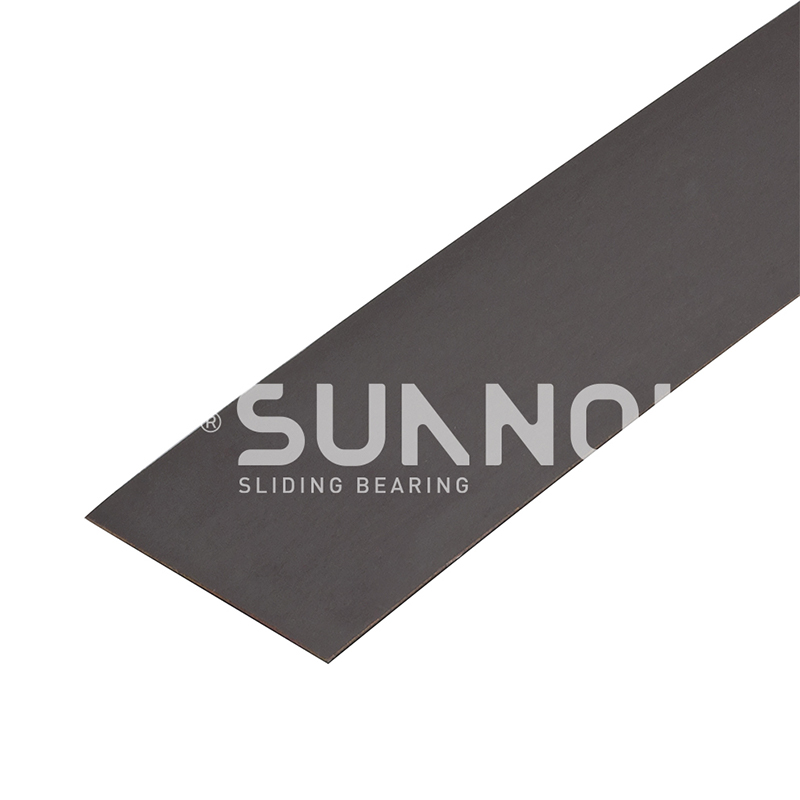 SF-1 Oilless Bearing SF-1SP Strip Standard Metric Size Self-Lubricating Composite Slide Strip
 -
-
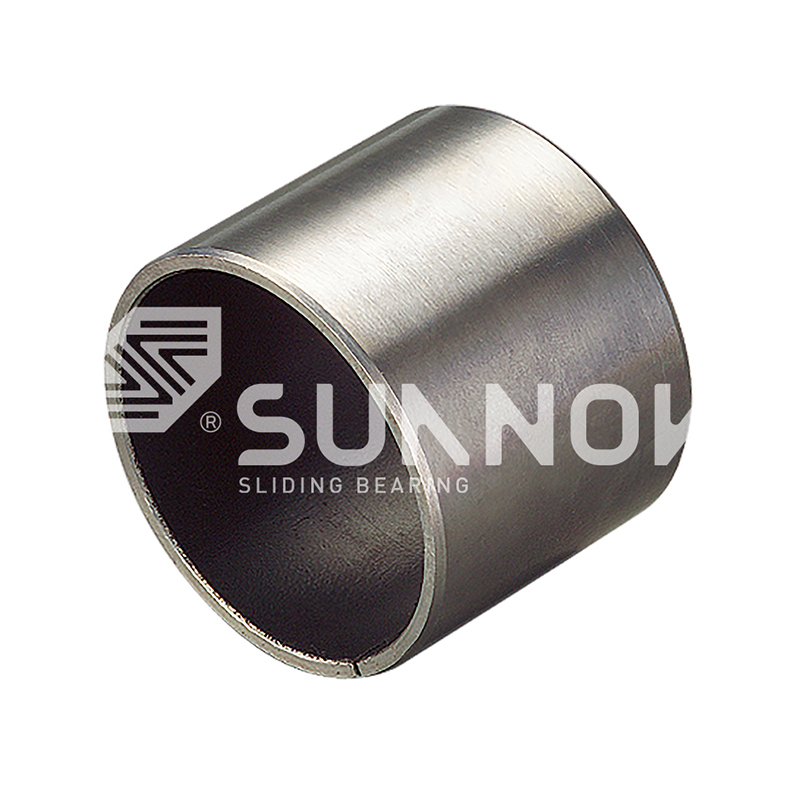 SF-1 Oilless Bearing Self Lubricating SF-1T Metal Gear Pump Bearing Bronze Bushings
Where Are Self-Lubricating Bearings Used in Industrial Machinery and Equipment?
Industry News-Content
- 1 01What Are Self-Lubricating Bearings and How Do They Work?
- 2 02Key Advantages of Self-Lubricating Bearings
- 3 03Where Are Self-Lubricating Bearings Used?
- 4 04Common Types of Self-Lubricating Bearings
- 5 05Self-Lubricating Bearings vs Ball and Bronze Bearings
- 6 06Factors to Consider When Choosing Self-Lubricating Bearings
- 7 07Frequently Asked Questions
Machinery that runs in hard-to-reach locations, cleanrooms, or continuous-duty cycles cannot always be stopped for routine oiling — which is why self-lubricating bearings have become the standard choice wherever scheduled lubrication is impractical or too costly. Embedded solid lubricants release gradually under load, eliminating the need for grease fittings entirely.
01What Are Self-Lubricating Bearings and How Do They Work?
A self-lubricating bearing carries its lubricant inside the bearing material itself, rather than requiring external grease or oil. Oil-impregnated sintered metal releases oil as temperature and pressure rise; PTFE and graphite composites embed solid lubricant directly into the bearing surface, forming a low-friction film as the shaft rotates. The result is consistent performance without a maintenance technician ever opening an access panel.
02Key Advantages of Self-Lubricating Bearings
-
Reduced maintenance
No scheduled greasing, fewer service interruptions, lower labor cost over the equipment lifecycle.
-
Improved wear resistance
Solid lubricant film reduces metal-to-metal contact, extending service life under continuous load.
-
Stable performance in harsh conditions
Resists temperature swings, dust, and moisture better than grease-dependent bearings.
-
Energy efficiency
Lower friction coefficient reduces drive power required to overcome resistance.
03Where Are Self-Lubricating Bearings Used?
Self-lubricating bearings are now specified across sectors where downtime for lubrication is either impossible or economically unacceptable: automotive production lines, robotics and automation equipment, injection molding machines, food processing and packaging lines requiring hygienic design, textile machinery, agricultural equipment, heavy construction machinery, and hydraulic or pneumatic systems where oil contamination must be avoided.
Traditional Lubricated Bearing
Requires scheduled grease intervals
Performance drops if maintenance is missed
Risk of oil contamination in clean environments
Self-Lubricating Bearing
Lubricant embedded in bearing material
Stable performance without service intervals
Suitable for food, textile, and cleanroom equipment
04Common Types of Self-Lubricating Bearings
Buyers typically select between oil-impregnated sintered bearings for general industrial use, PTFE composite bearings for low-friction precision applications, graphite bearings for high-temperature service, and plastic or metal-polymer composite bearings for lightweight, corrosion-resistant designs.
Bearings engineered without a reliable lubricant film typically fail from wear long before fatigue becomes the limiting factor — material selection matters as much as dimensional accuracy.
05Self-Lubricating Bearings vs Ball and Bronze Bearings
| Bearing Type | Maintenance | Load Capacity | Best Environment |
| Self-Lubricating | None required | Moderate-High | Dry, hygienic, hard-to-access |
| Ball Bearings | Periodic grease | High | General industrial |
| Bronze Bearings | Regular oiling | Moderate | Low-speed, heavy load |
06Factors to Consider When Choosing Self-Lubricating Bearings
Selection should start with load capacity and operating speed, followed by the expected temperature range and environmental exposure, such as dust, chemicals, or moisture. Material compatibility with the shaft and housing matters just as much as the lubrication mechanism itself, and buyers sourcing self-lubricating bearings for critical equipment should confirm service-life data against their actual duty cycle rather than catalog averages.
07Frequently Asked Questions
How long do self-lubricating bearings last without maintenance?
Service life varies by load and speed, but many industrial applications run for years without intervention when correctly sized.
Are self-lubricating bearings suitable for food processing equipment?
Yes, since they eliminate external grease that could contaminate food-contact surfaces, making them a common hygienic design choice.
Can self-lubricating bearings handle high temperatures?
Graphite and certain metal-polymer composite variants are specifically rated for high-temperature continuous duty.
Are self-lubricating bearings more expensive than standard bearings?
Upfront cost is often higher, but reduced maintenance labor and downtime typically lower total cost of ownership.
Recommended NEWS:
Self-Lubricating Copper Alloy Bearings: The Future of Solid-Lubricating Bearings and JDB-600 Casting Bronze Bearings
Self-Lubricating Copper Alloy Bearings: A Comparative Analysis with JDB-600 Casting Bronze and Oil-Retaining Bimetallic Bearings
Why Solid-Lubricating Bronze Bearings Are the Future of Low-Maintenance Machinery
Self-Lubricating Bronze Bushings: Benefits, Cost Savings, and Selection Guide
Understanding the Features of JDB650 Self-Lubricating Brass Bushing Oilless Bearings
JDB650 Oilless Bearings: Advanced Self-Lubricating Brass Bushing Technology
Recommended LINS:
Contact Us //
Have Questions? Get in Touch!

Zhejiang Shuangnuo Bearing Technology Co., Ltd. specializes in the production of various self-lubricating copper alloy bushing bearings products
Quick Links
Related Products
Contact
- Add: No. 69, Tingyao East Road, Ganyao Town Industrial Zone, Jiashan County, Zhejiang Province, China
- Tel: +86-15957371801
- Fax: +86-0573-84038630
- Email: [email protected]
[email protected]
© 2024 Zhejiang Shuangnuo Bearing Technology Co., Ltd.
Custom Self-Lubricating Copper Alloy Bearings
