


 русский
 Español
-
-
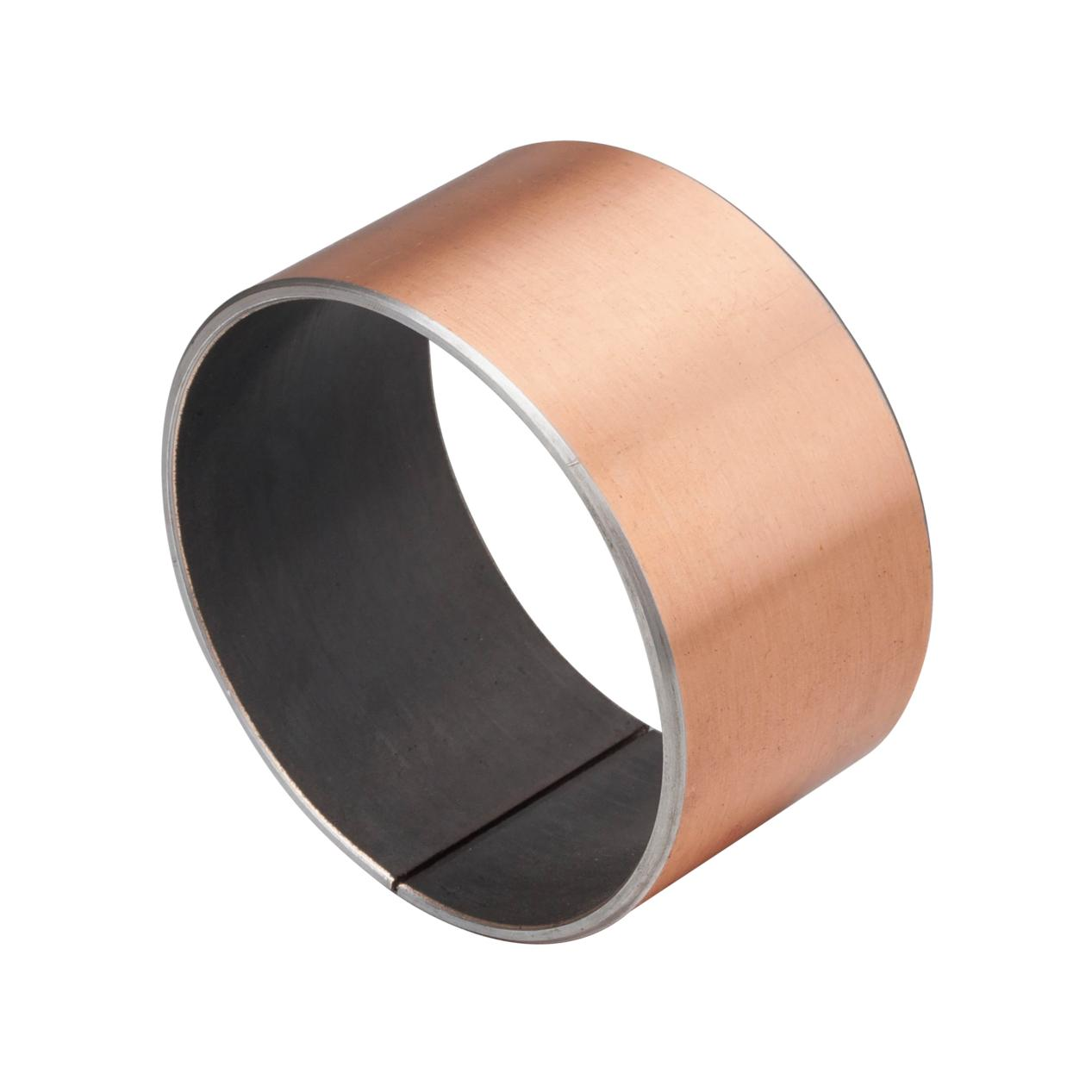
 SF-2 Boundary Lubricating Bearing SF-2Y Boundary Self-lubricating Bearing - Low Friction Dry Lubricant Bushings for Industrial Machinery
 -
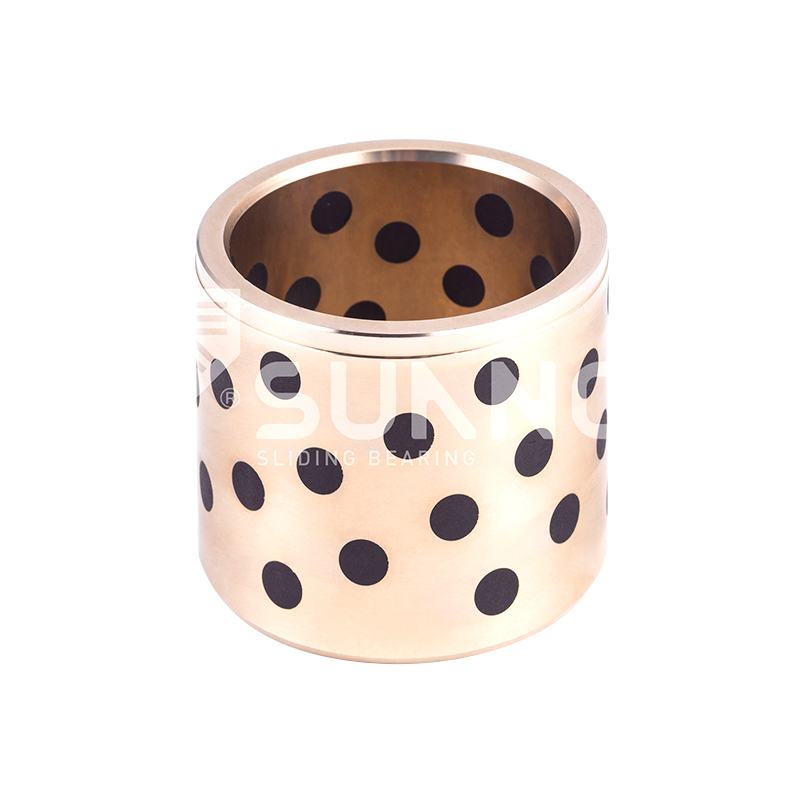 JDB Solid-lubricating Bearing JDB650 Self-Lubricating Brass Bushing Oilless Bearings
 -
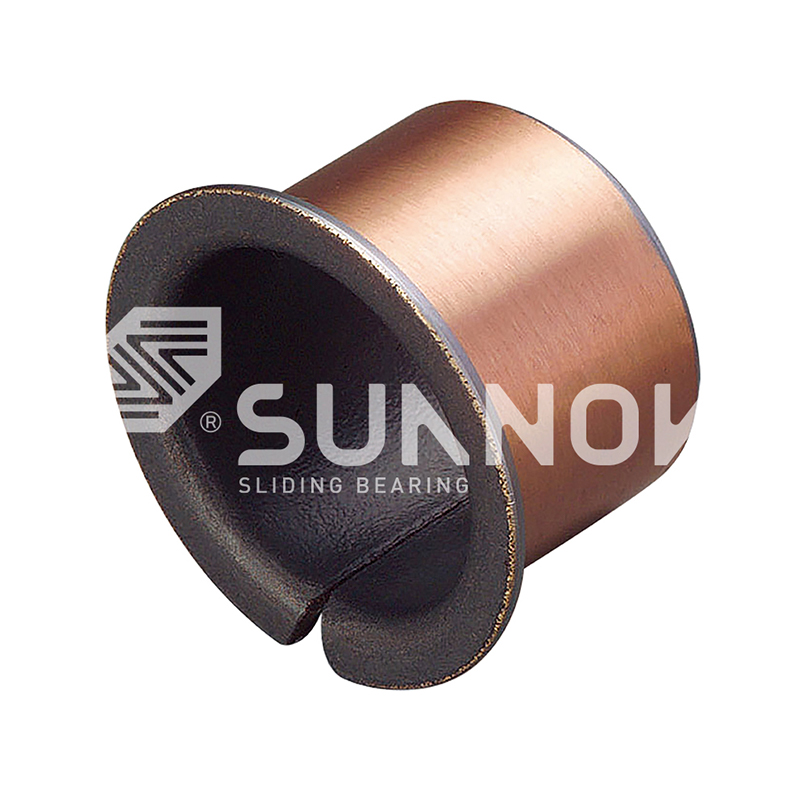
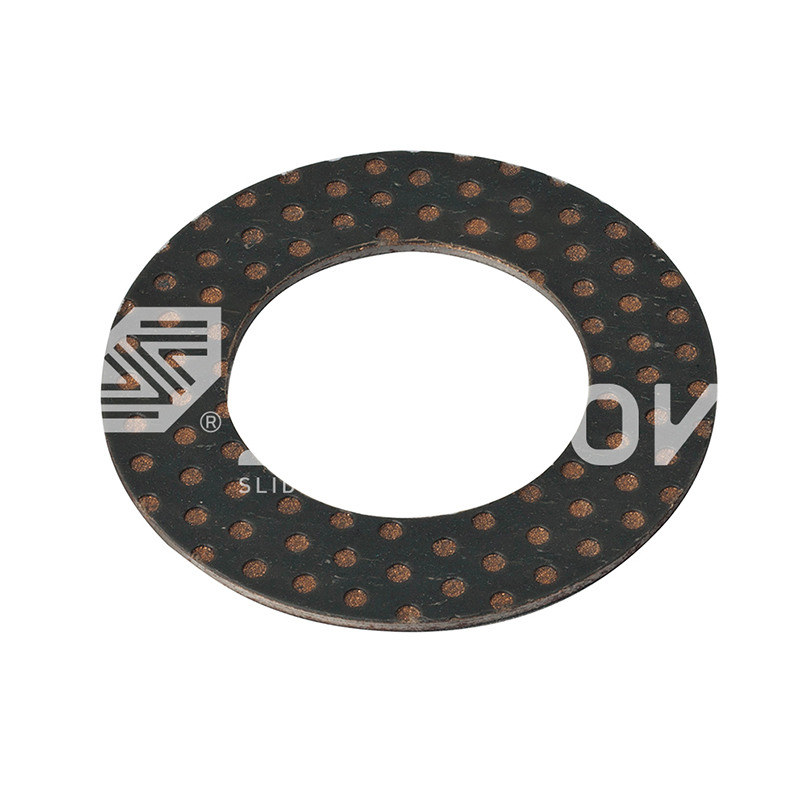 SF-2 Boundary Lubricating Bearing SF-2WC Standard Metric Self-Lubricating Compound Thrust Washer Sliding Washers
 -
-
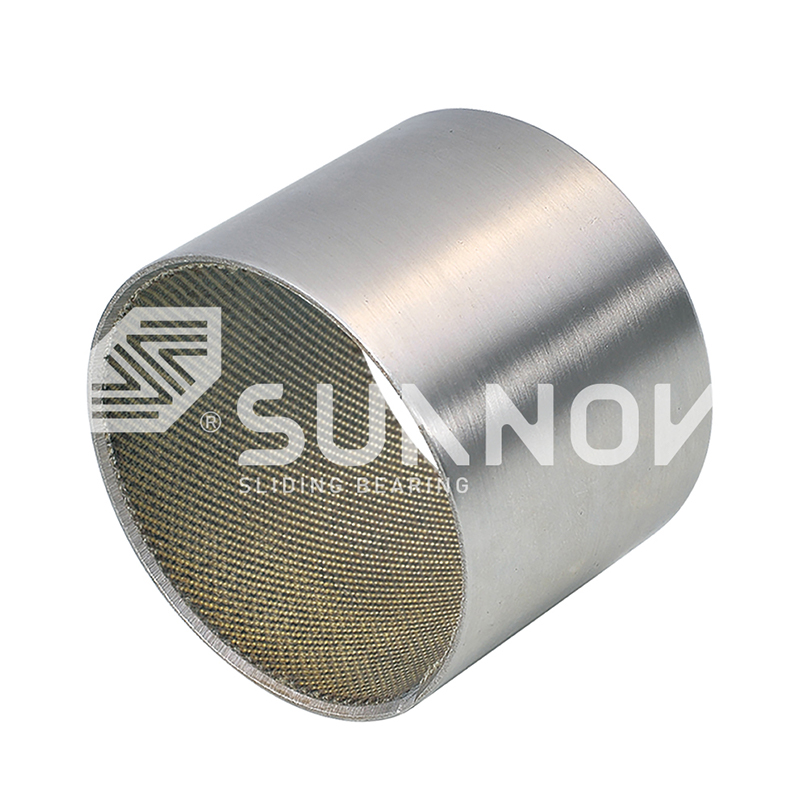
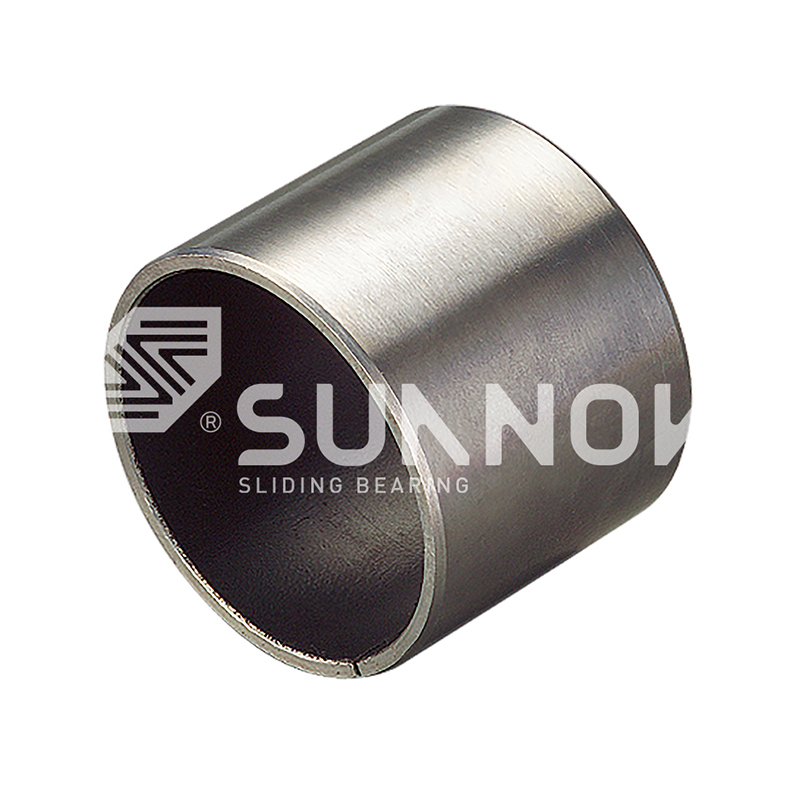 SF-1 Oilless Bearing Self Lubricating SF-1T Metal Gear Pump Bearing Bronze Bushings
 -
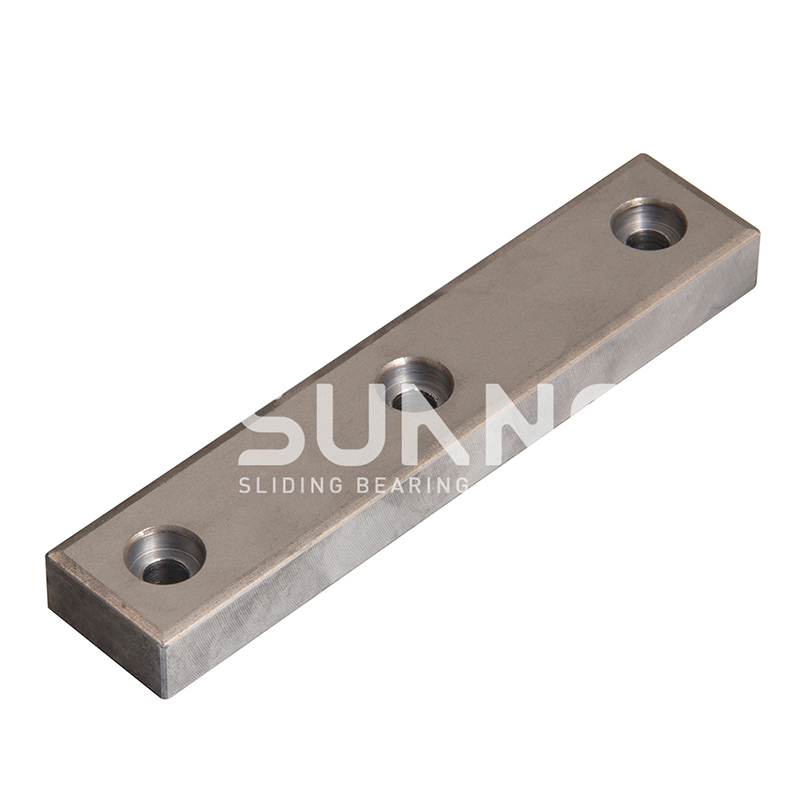 Oil-retaining Bimetallic Bearing Self-Lubricating 200# P20 Steel Graphite Insert Wear Plate / Steel Oilless Wear Strip
 -
What Makes Self-Lubricating Bearings an Efficient Solution for Industrial Equipment?
Industry News-Content
- 1 What Are Self-Lubricating Bearings and How Do They Work
- 2 Key Features That Make Self-Lubricating Bearings Suitable for Industrial Equipment
- 3 Applications of Self-Lubricating Bearings in Industrial Equipment
- 4 Types of Self-Lubricating Bearings and Material Options
- 5 How Self-Lubricating Bearings Are Manufactured
- 6 Factors to Consider When Selecting Self-Lubricating Bearings
- 7 Self-Lubricating Bearings Compared With Traditional Lubricated Bearings
- 8 Future Trends in Self-Lubricating Bearing Technology
Industrial equipment loses production hours every year to a single recurring cause: bearing failure from inadequate lubrication. Self-lubricating bearings solve this at the material level, embedding lubrication directly into the bearing structure so machines run reliably without scheduled grease cycles or oil top-offs.
What Are Self-Lubricating Bearings and How Do They Work
A self-lubricating bearing is a bearing component engineered with a built-in lubricating element, either a solid polymer liner, embedded solid lubricant, or an oil-impregnated porous metal structure, so the interface between moving parts stays low-friction without external grease or oil supply. Instead of relying on a technician to reapply lubricant on a schedule, the bearing releases or exposes lubricant gradually as it operates.
Structure and Working Principle
Most designs use a metal backing, typically steel or bronze, bonded to a low-friction working layer. That working layer is where the lubrication happens: it may contain PTFE, graphite, molybdenum disulfide, or oil trapped in a sintered metal matrix. As the shaft rotates or slides, microscopic amounts of lubricant transfer to the contact surface, forming a thin film that separates the metal parts.
How It Differs From Traditional Bearings
Traditional plain bearings depend on an external supply of grease or oil delivered through fittings, wicks, or drip systems. If that supply is interrupted, even briefly, friction spikes and wear accelerates rapidly. A self-lubricating bearing removes that dependency, which is why plants with hard-to-reach or hard-to-monitor equipment increasingly specify them by default.
Key Features That Make Self-Lubricating Bearings Suitable for Industrial Equipment
Four characteristics explain why these bearings have become the default choice across so many equipment categories: reduced friction, extended maintenance intervals, stability under harsh conditions, and independence from external lubrication systems.
- Reduced friction and higher efficiency: a consistent lubricating film lowers energy loss at the shaft interface, which matters most in equipment that runs continuously.
- Maintenance reduction and longer service life: without relubrication intervals to track, maintenance teams remove one more item from preventive maintenance checklists.
- Stable performance in harsh conditions: solid lubricants do not wash out under moisture, do not attract dust the way wet grease does, and hold up across a wide temperature band.
- No continuous external lubrication required: this is critical in enclosed housings, submerged applications, or locations where a grease fitting simply cannot be reached safely during operation.
Applications of Self-Lubricating Bearings in Industrial Equipment
The same core technology adapts to very different operating environments, from precision automation to heavy manufacturing floors.
Automation Equipment
Precision machinery and robotic assemblies benefit from consistent, low-friction motion without the contamination risk that grease introduces near sensors and optics.
Heavy Machinery
Manufacturing equipment with high load cycling relies on wear-resistant liners that hold up under repeated shock loading between scheduled shutdowns.
Food Processing
Clean manufacturing systems require components that will not leak oil or grease into a product stream, making dry-running liners a practical fit.
Transportation Equipment
Automotive and transportation components operate across wide temperature swings where solid lubricants outperform grease that thins or hardens with heat.
Types of Self-Lubricating Bearings and Material Options
Selecting the right bearing starts with understanding the four common material families and where each performs best.
| PTFE-lined bearings | Very low friction coefficient, good chemical resistance | Precision and clean environments |
| Metal-based sintered bearings | High load capacity, durable under shock | Heavy machinery and structural joints |
| Composite polymer bearings | Lightweight, corrosion resistant, dampens vibration | Automation and moderate-load equipment |
| Oil-impregnated porous metal | Internal oil reservoir feeds the surface over time | Continuous-duty rotating shafts |
How Self-Lubricating Bearings Are Manufactured
Production moves through four distinct stages, each affecting final bearing performance.
- Material selection and design: engineers match backing metal and lubricating layer to expected load, speed, and environment.
- Forming and machining: the backing is shaped and the lubricating layer is bonded or impregnated, then machined to precise tolerances.
- Lubricant integration and testing: the finished liner is tested under simulated load and speed to confirm friction and wear behavior.
- Quality control: dimensional checks and reliability testing confirm the bearing meets specification before it ships.
Factors to Consider When Selecting Self-Lubricating Bearings
Choosing the right bearing means matching five variables to the application rather than defaulting to a single material across every use case.
- Load capacity and operating speed of the shaft or joint
- Ambient temperature and environmental exposure, including moisture and dust
- Required friction coefficient and expected service life
- Chemical and material compatibility with surrounding components
- Installation clearance and long-term maintenance access
Self-Lubricating Bearings Compared With Traditional Lubricated Bearings
Self-Lubricating
No external lubrication needed. Maintenance limited to periodic inspection. Stable performance in dirty or wet environments. Slightly lower maximum load ceiling in some material types.
Traditional Lubricated
Requires scheduled grease or oil delivery. Higher long-term labor cost. Performance depends on lubrication discipline. Often supports higher peak loads with the right lubricant.
Future Trends in Self-Lubricating Bearing Technology
Demand for industrial bearings that require less hands-on attention continues to grow alongside broader automation adoption. Composite materials are being refined for higher load tolerance, and manufacturers are extending self-lubricating designs into precision, energy-efficient machinery where every point of friction affects overall system efficiency.
Takeaway
Self-lubricating bearings trade a dependency on scheduled lubrication for a built-in material solution, cutting maintenance labor, reducing unplanned downtime, and holding up in environments where grease systems struggle. For equipment operators weighing long-term operating cost against upfront material choice, that trade generally favors the self-lubricating option.
Recommended NEWS:
Self-Lubricating Copper Alloy Bearings: The Future of Solid-Lubricating Bearings and JDB-600 Casting Bronze Bearings
Self-Lubricating Copper Alloy Bearings: A Comparative Analysis with JDB-600 Casting Bronze and Oil-Retaining Bimetallic Bearings
SF-2 Boundary Self-Lubricating Bearing: High-Performance Lubrication Solution
Understanding the Features of JDB650 Self-Lubricating Brass Bushing Oilless Bearings
Zhejiang Shuangnuo Bearing Technology Co., Ltd. to Showcase Advanced Self-Lubricating Bearing Solutions at Kunshan Exhibition 2025
What are the characteristics of industrial automation's demand for solid lubricant bearings?
Recommended LINS:
Contact Us //
Have Questions? Get in Touch!

Zhejiang Shuangnuo Bearing Technology Co., Ltd. specializes in the production of various self-lubricating copper alloy bushing bearings products
Quick Links
Related Products
Contact
- Add: No. 69, Tingyao East Road, Ganyao Town Industrial Zone, Jiashan County, Zhejiang Province, China
- Tel: +86-15957371801
- Fax: +86-0573-84038630
- Email: [email protected]
[email protected]
© 2024 Zhejiang Shuangnuo Bearing Technology Co., Ltd.
Custom Self-Lubricating Copper Alloy Bearings
