


 русский
 Español
-
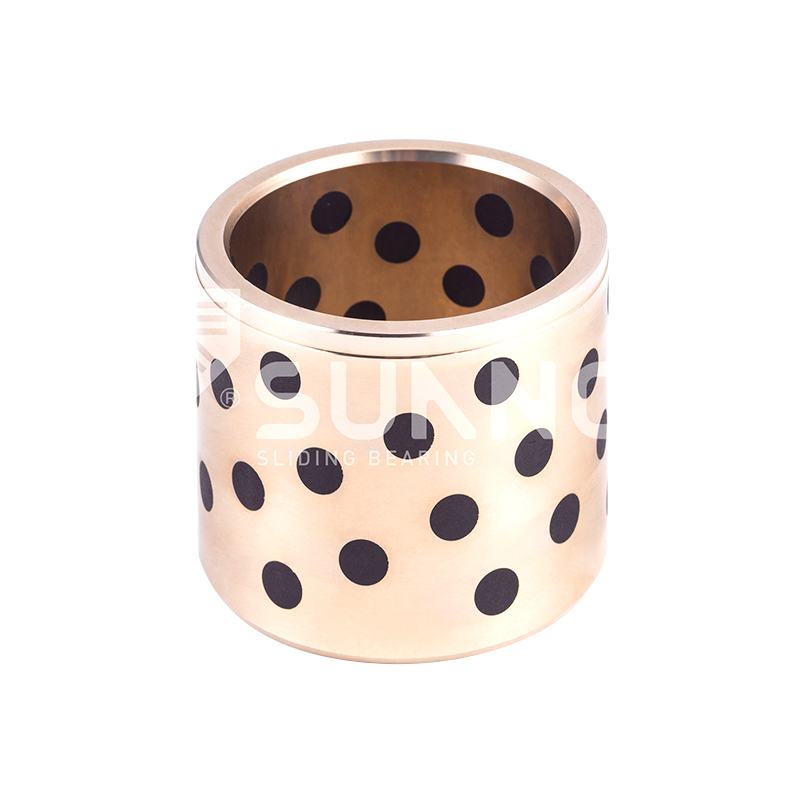 JDB Solid-lubricating Bearing JDB650 Self-Lubricating Brass Bushing Oilless Bearings
 -
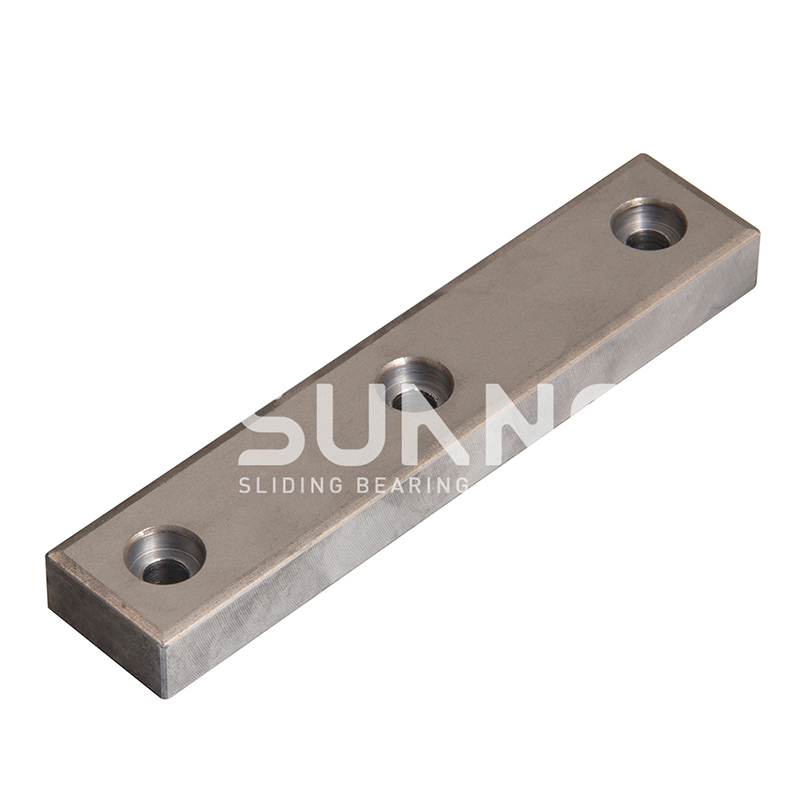 Oil-retaining Bimetallic Bearing Self-Lubricating 200# P20 Steel Graphite Insert Wear Plate / Steel Oilless Wear Strip
 -
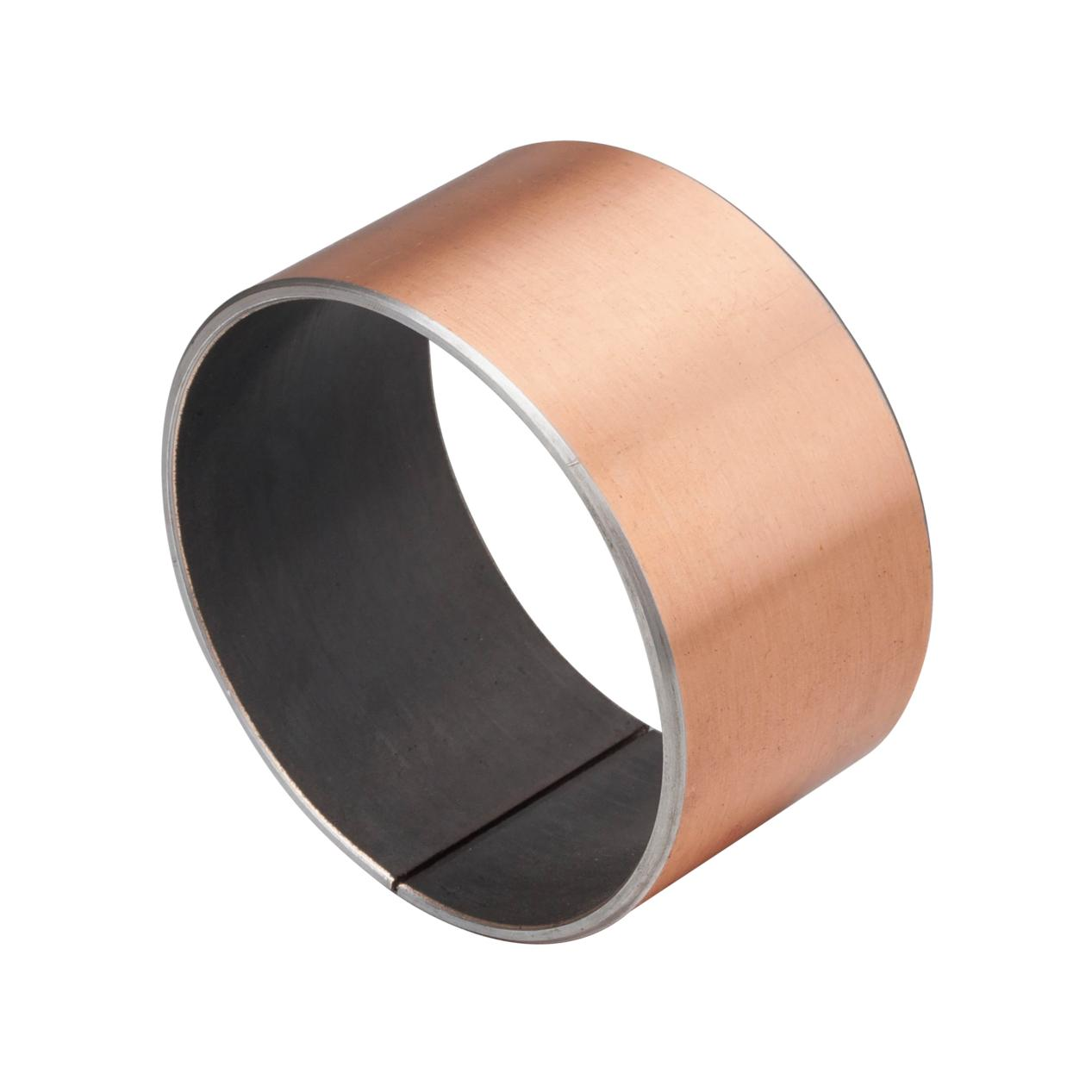
-
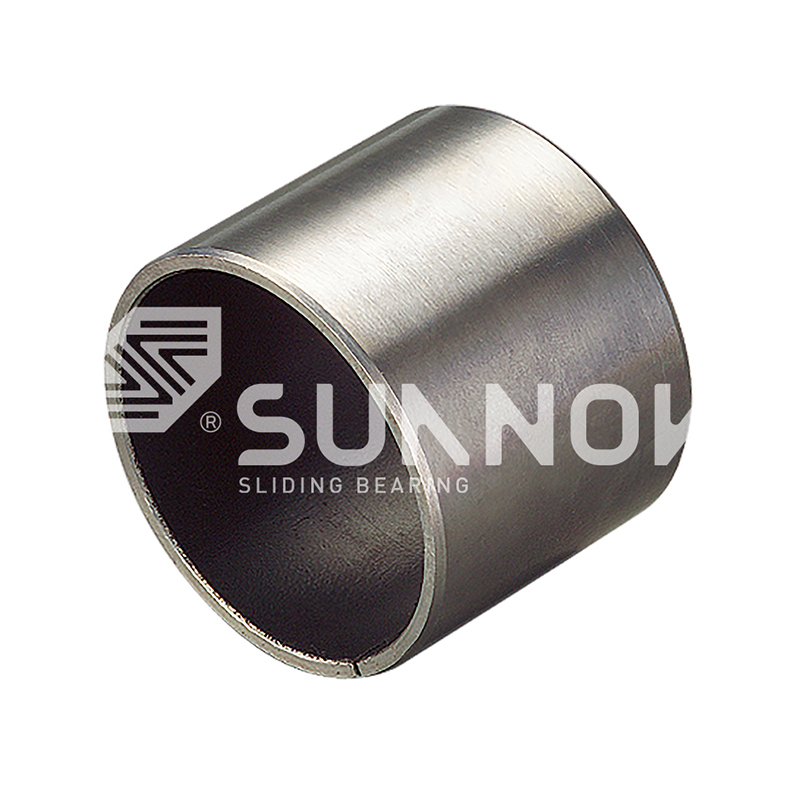 SF-1 Oilless Bearing Self Lubricating SF-1T Metal Gear Pump Bearing Bronze Bushings
 -
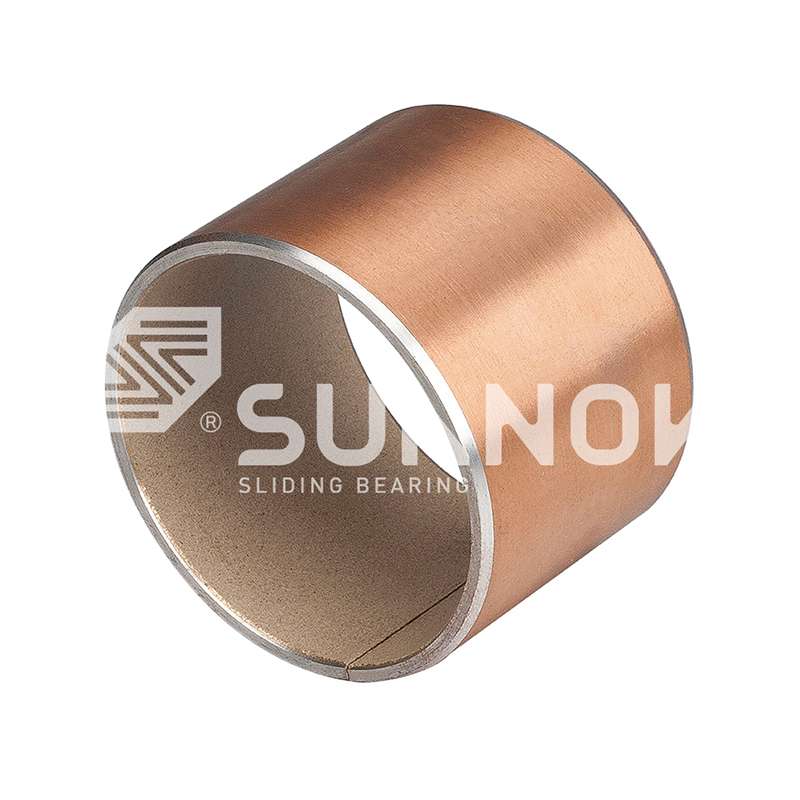 SF-1 Oilless Bearing SF-1P Reciprocating Motion Bronze Self-Lubricating Composite Bearing Bushing
 -
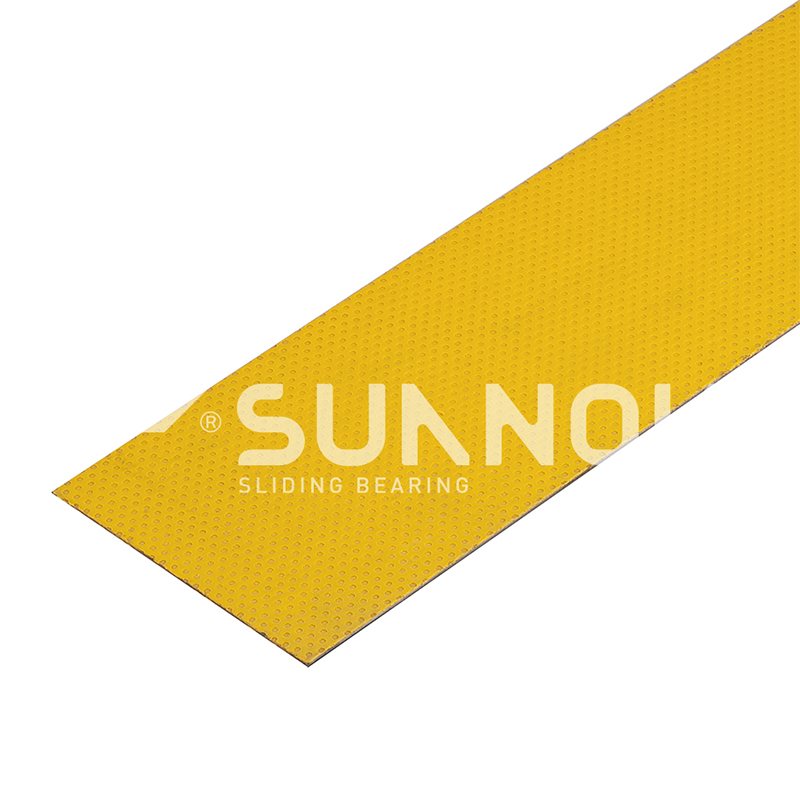 SF-2 Boundary Lubricating Bearing SF-2SP Standard Metric Size Self Lubricating Wear Strip With PTFE
 -
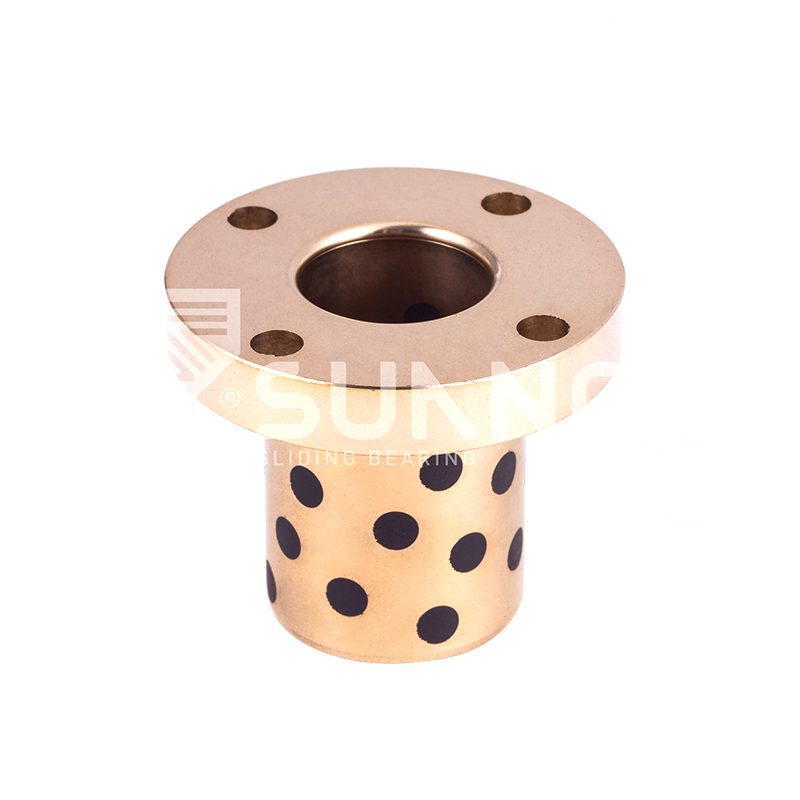 JDB Solid-lubricating Bearing JFB650 Metric Oil Free Self Lubricating Bronze Round Flanged Bearing
 -
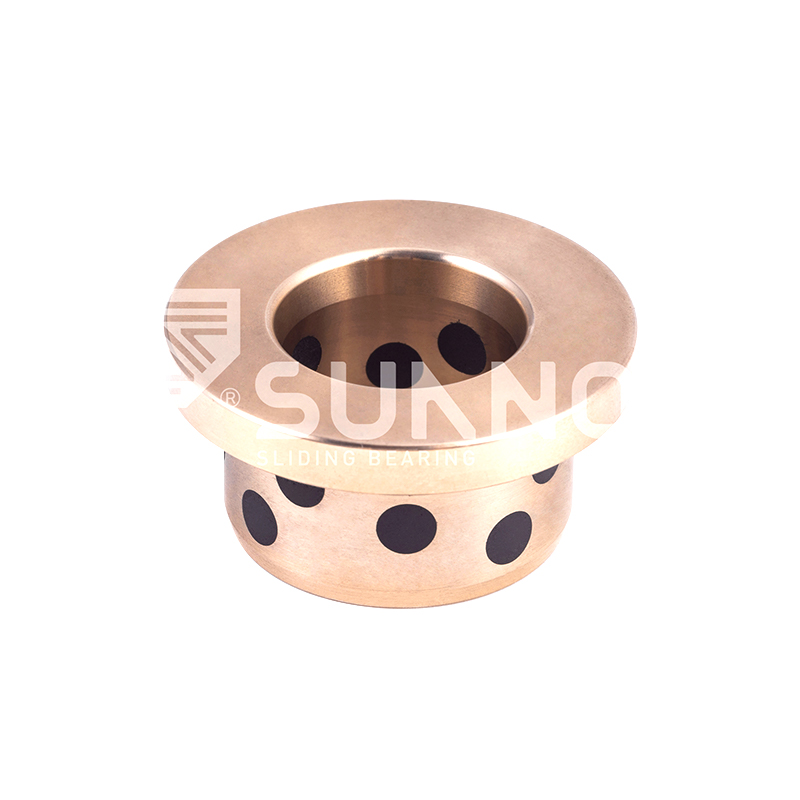 JDB Solid-lubricating Bearing JFBB Metric Self-lubricating Oilless Graphite Flanged Bearings Bushings
Why Self-Lubricating Bearings Are Becoming More Popular in Modern Industrial Applications
Industry News-Content
- 1 What Are Self-Lubricating Bearings and How Do They Work?
- 2 Why Are Self-Lubricating Bearings Becoming Popular in Industrial Applications?
- 3 What Are the Key Advantages of Self-Lubricating Bearings?
- 4 Where Are Self-Lubricating Bearings Commonly Used?
- 5 Why Are Self-Lubricating Bearings Suitable for Harsh Working Environments?
- 6 What Materials Are Used in Self-Lubricating Bearings?
- 7 How Do Self-Lubricating Bearings Reduce Maintenance Costs?
- 8 Self-Lubricating Bearings vs Traditional Lubricated Bearings
- 9 How to Choose the Right Self-Lubricating Bearing for Industrial Applications?
- 10 How Are Self-Lubricating Bearings Manufactured and Tested?
- 11 What Are the Future Trends of Self-Lubricating Bearing Technology?
- 12 Frequently Asked Questions
- 12.1 What are self-lubricating bearings used for?
- 12.2 Do self-lubricating bearings require oil or grease?
- 12.3 What materials are used in self-lubricating bearings?
- 12.4 Are self-lubricating bearings suitable for heavy loads?
- 12.5 How long do self-lubricating bearings last?
- 12.6 How do I choose the right self-lubricating bearing?
Industrial equipment that runs continuously cannot always be pulled offline for a grease fitting. That single constraint is why Self-Lubricating Bearings have moved from a specialty component into a mainstream choice across automation, automotive, and heavy manufacturing, replacing traditional lubricated bearings wherever downtime and maintenance access are limiting factors.
01
What Are Self-Lubricating Bearings and How Do They Work?
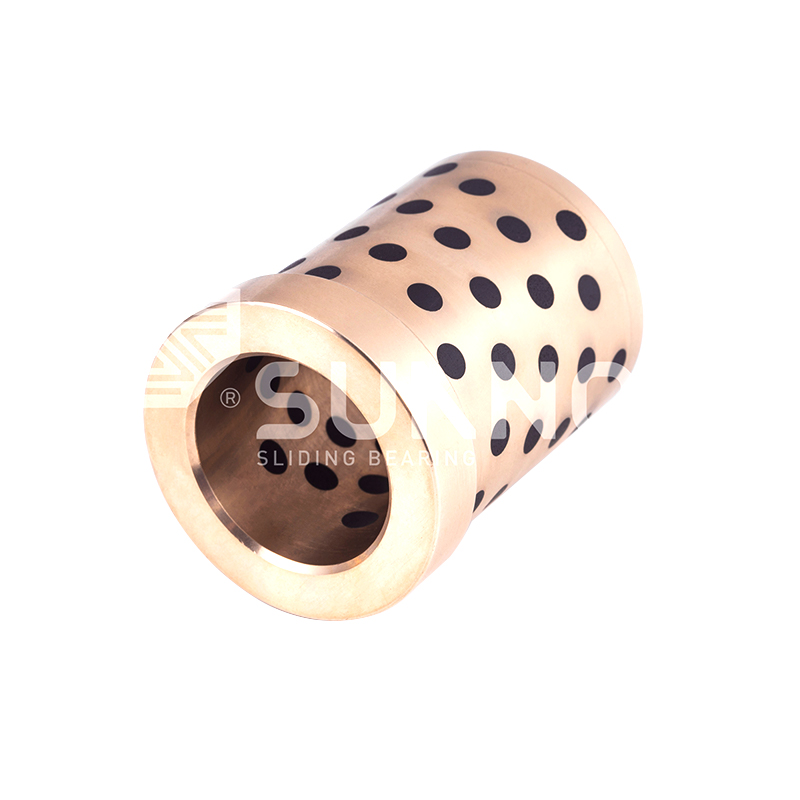
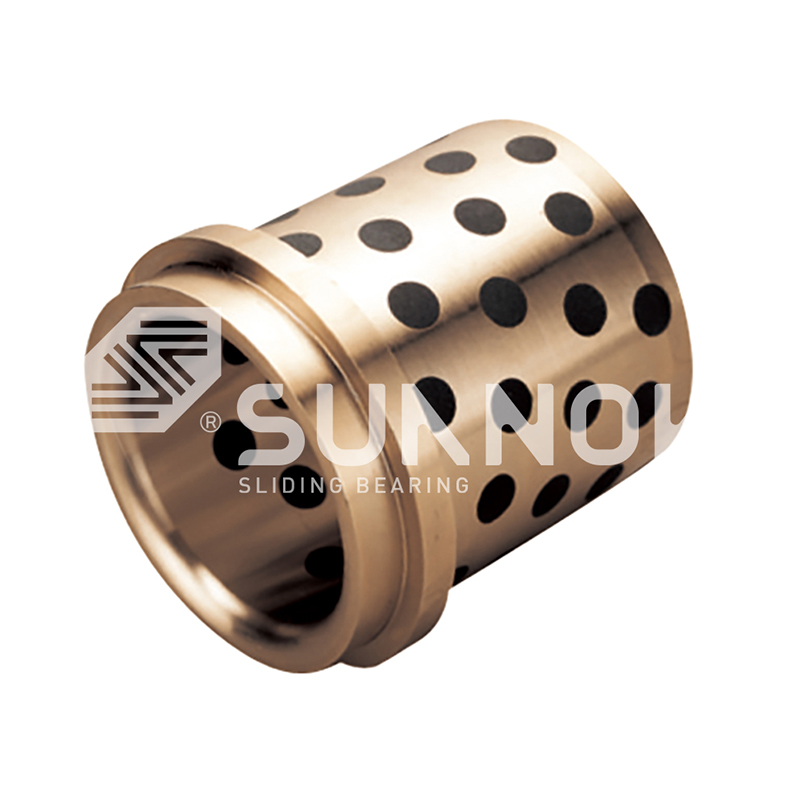
Self-lubricating bearings are engineered to operate with reduced or no external lubrication, using specialized materials or internal structures that provide continuous lubrication during operation. This makes them a defining category of maintenance free bearings for industrial equipment where reducing upkeep requirements is a priority.
The working principle is straightforward: self-lubricating materials release lubricating substances as the bearing moves, which reduces friction between contacting surfaces and supports smoother, more consistent mechanical operation over time.
02
Why Are Self-Lubricating Bearings Becoming Popular in Industrial Applications?
Adoption is accelerating alongside growing demand for low-maintenance equipment, higher machine reliability expectations, and a broader industry focus on operational efficiency. Lubrication free bearings are especially valuable in environments where regular lubrication is physically difficult or operationally costly to perform.
The core value proposition comes down to three outcomes manufacturers consistently report: reduced downtime, lower maintenance costs, and improved equipment performance over the life of the machine.
03
What Are the Key Advantages of Self-Lubricating Bearings?
A
Reduced Maintenance Requirements
Minimizes regular lubrication work and suits hard-to-reach installation locations.
B
Low Friction Performance
Reduces energy loss and improves overall mechanical efficiency.
C
Wear Resistance
Withstands continuous operation and extends service life significantly.
D
Stable Operation
Maintains consistent performance even under demanding operating conditions.
04
Where Are Self-Lubricating Bearings Commonly Used?
| Industry | Applications | Key Advantage |
| Automation Equipment | Robotic systems, automated production lines | Reduced maintenance interruption, reliable movement |
| Automotive | Vehicle components, mechanical systems | Durability and stable operation |
| Industrial Machinery | Manufacturing equipment, processing machines | Suitable for continuous operation |
| Other Sectors | Textile, packaging, agricultural, construction equipment | Broad mechanical component compatibility |
05
Why Are Self-Lubricating Bearings Suitable for Harsh Working Environments?
Industrial bearings that depend on external lubrication struggle in dusty environments, high temperature conditions, difficult-to-access maintenance areas, and contaminated environments where grease attracts debris. Self-lubricating designs reduce dependence on external lubrication entirely, delivering stable performance and longer maintenance intervals in exactly these conditions.
Field Insight
Equipment operating in dusty or high-heat conditions often sees the largest maintenance savings after switching to self-lubricating bearings, since fewer lubrication points mean fewer opportunities for contamination.
06
What Materials Are Used in Self-Lubricating Bearings?
| Material | Characteristics |
| PTFE Composite | Low friction, chemical resistance, suitable for various applications |
| Bronze-Based | Strong mechanical performance, suitable for heavy loads |
| Polymer Materials | Lightweight, corrosion resistant |
Material selection directly affects load capacity, temperature resistance, and overall service life, which is why matching material to application is a critical sourcing decision.
07
How Do Self-Lubricating Bearings Reduce Maintenance Costs?
Traditional lubricated bearings require regular lubrication and ongoing maintenance scheduling to stay reliable. Self-lubricating bearings reduce lubrication frequency, decrease downtime, and simplify maintenance processes overall, which makes them especially well suited to automated systems and continuous production equipment where stopping for service carries a real cost.
08
Self-Lubricating Bearings vs Traditional Lubricated Bearings
Self-Lubricating Bearings
- Reduced lubrication requirements
- Lower ongoing maintenance needs
- Suitable for special or harsh environments
Traditional Lubricated Bearings
- Require external lubrication
- Widely used in general applications
- Need regular scheduled maintenance
The right choice depends on application conditions, load requirements, and the maintenance strategy a facility is equipped to support.
09
How to Choose the Right Self-Lubricating Bearing for Industrial Applications?
Selecting the correct Self-Lubricating Bearings for an application requires evaluating four core factors together rather than in isolation.
- Load RequirementsAssess both static load and dynamic load conditions
- Operating SpeedConsider rotation speed and movement frequency
- Working EnvironmentAccount for temperature, humidity, chemicals, and dust exposure
- Material CompatibilityMatch material properties to application requirements and equipment design
10
How Are Self-Lubricating Bearings Manufactured and Tested?
Material Prep
Forming
Machining
Surface Treatment
Assembly
Inspection
Testing at the final stage typically covers dimensional accuracy, friction testing, wear testing, and load testing to confirm the bearing meets its specified performance profile before shipment.
11
What Are the Future Trends of Self-Lubricating Bearing Technology?
Bearing technology is advancing toward improved material formulations, higher load capacity, and longer service life. Expect wider adoption across automation applications and continued growth in customized bearing solutions engineered for specific operating environments.
 |
 |
Frequently Asked Questions
What are self-lubricating bearings used for?
They are used across automation equipment, automotive systems, industrial machinery, and other applications where reduced maintenance and reliable operation are priorities.
Do self-lubricating bearings require oil or grease?
No, they are designed to operate with reduced or no external lubrication using materials that provide lubrication internally.
What materials are used in self-lubricating bearings?
Common materials include PTFE composites, bronze-based alloys, and various polymer materials, each suited to different load and environmental conditions.
Are self-lubricating bearings suitable for heavy loads?
Bronze-based self-lubricating bearings in particular are engineered for strong mechanical performance under heavy load conditions.
How long do self-lubricating bearings last?
Service life depends on material selection, load conditions, and operating environment, but wear-resistant designs are built to extend service life significantly.
How do I choose the right self-lubricating bearing?
Evaluate load requirements, operating speed, working environment, and material compatibility together to match the bearing to the application.
Recommended NEWS:
Why Solid-Lubricating Bronze Bearings Are the Future of Low-Maintenance Machinery
Self-Lubricating Copper Alloy Bearings: A Comparative Analysis with JDB-600 Casting Bronze and Oil-Retaining Bimetallic Bearings
Self-Lubricating Copper Alloy Bearings: The Future of Solid-Lubricating Bearings and JDB-600 Casting Bronze Bearings
The Benefits of Maintenance-Free Solid Lubricant Bearings for Industrial Applications
Understanding the Features of JDB650 Self-Lubricating Brass Bushing Oilless Bearings
Self-Lubricating Bronze Bushings: Benefits, Cost Savings, and Selection Guide
Recommended LINS:
Contact Us //
Have Questions? Get in Touch!

Zhejiang Shuangnuo Bearing Technology Co., Ltd. specializes in the production of various self-lubricating copper alloy bushing bearings products
Quick Links
Related Products
Contact
- Add: No. 69, Tingyao East Road, Ganyao Town Industrial Zone, Jiashan County, Zhejiang Province, China
- Tel: +86-15957371801
- Fax: +86-0573-84038630
- Email: [email protected]
[email protected]
© 2024 Zhejiang Shuangnuo Bearing Technology Co., Ltd.
Custom Self-Lubricating Copper Alloy Bearings
