


 русский
 Español
-
-
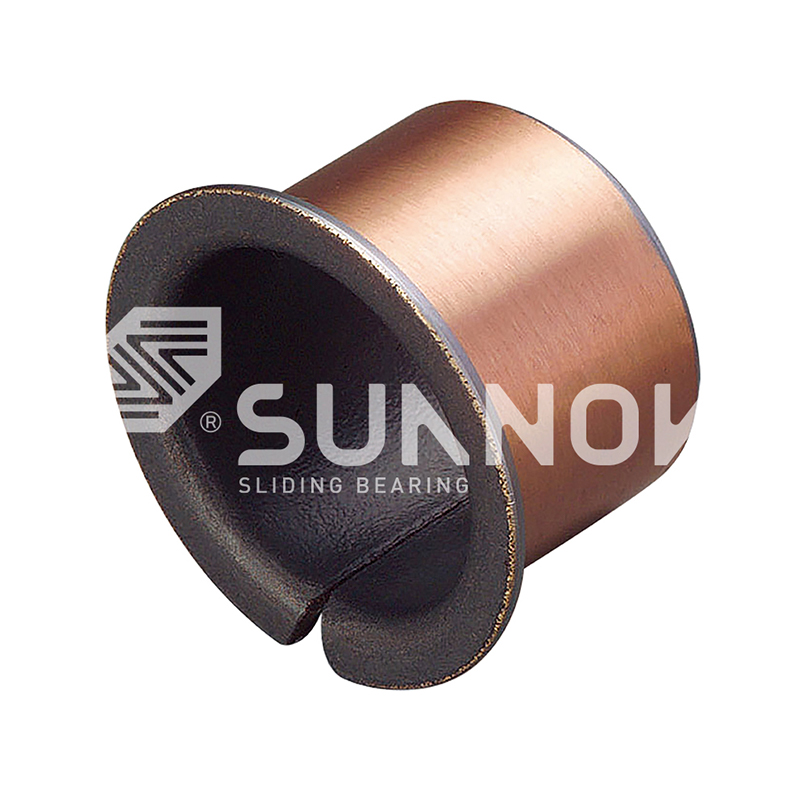
 SF-1 Oilless Bearing Self Lubricating SF-1T Metal Gear Pump Bearing Bronze Bushings
 -
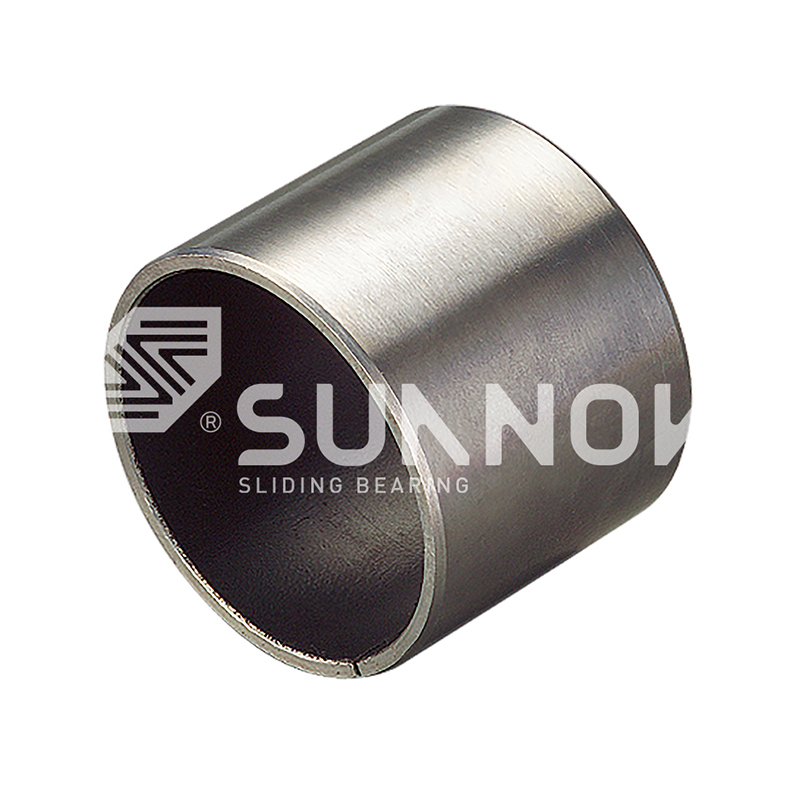
 SF-2 Boundary Lubricating Bearing SF-2 Boundary Self-Lubricating Oilless Sliding Bushing Bearing, Lead-Free Boundary Bush
 -
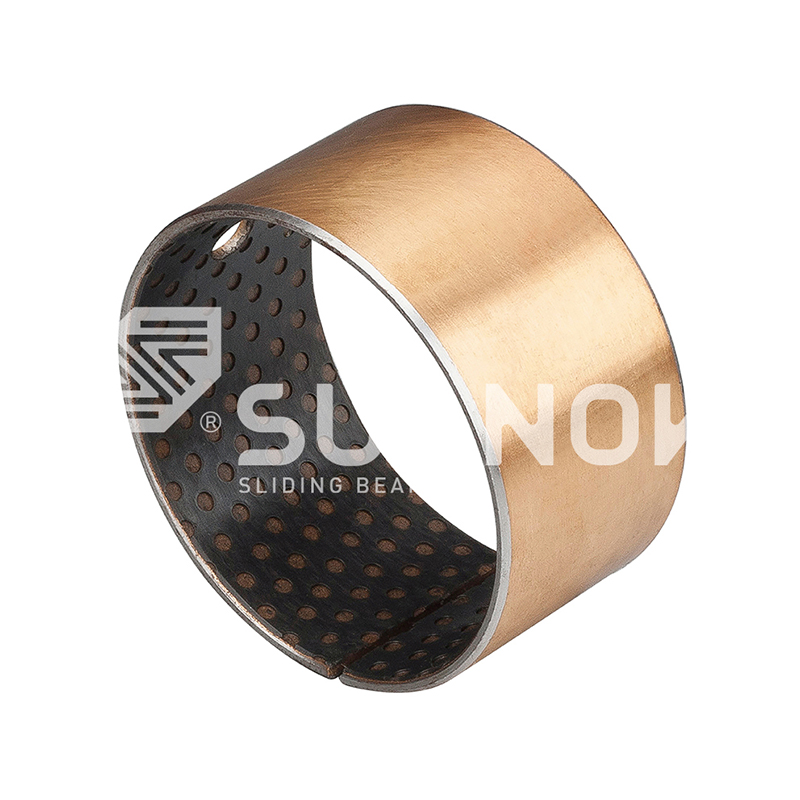
 SF-1 Oilless Bearing SF-1P Reciprocating Motion Bronze Self-Lubricating Composite Bearing Bushing
 -
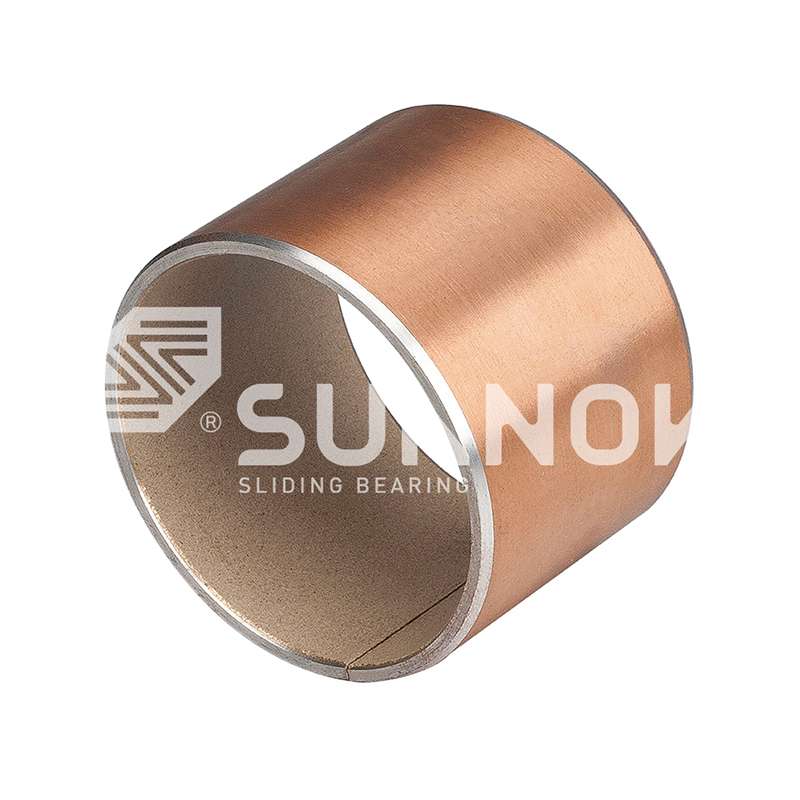
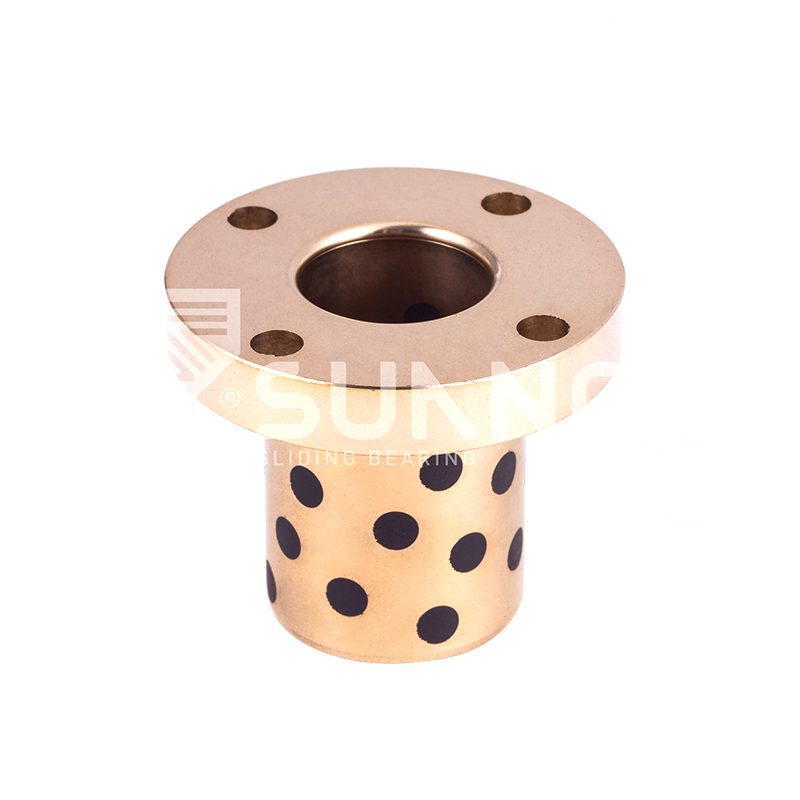 JDB Solid-lubricating Bearing JFB650 Metric Oil Free Self Lubricating Bronze Round Flanged Bearing
 -
-
-
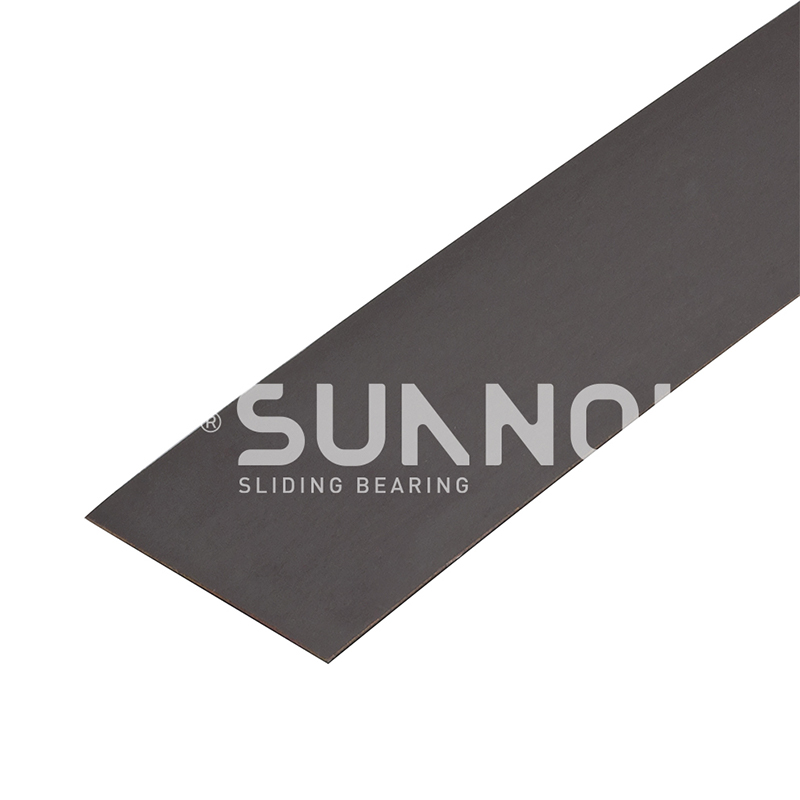 SF-1 Oilless Bearing SF-1SP Strip Standard Metric Size Self-Lubricating Composite Slide Strip
How Self-Lubricating Bearing Materials Improve Performance and Durability
Industry News-Content
Material selection is what separates a self-lubricating bearing that runs maintenance-free for a decade from one that wears out within a single production cycle. Unlike bearings that depend on continuous grease or oil delivery, these components are engineered with lubricating structures built directly into the material itself, releasing a protective layer as the bearing moves. The material chosen determines friction, wear resistance, load capacity, and how the bearing behaves under heat or chemical exposure, and that choice shapes maintenance intervals for years afterward.
70%Lower Friction Loss
3xLonger Service Intervals
0Grease Re-Applications Needed
What Are Self-Lubricating Bearing Materials
Self-lubricating bearing materials are engineered structures that provide lubrication during movement without requiring frequent external lubricant supply. They typically combine solid lubricants, low-friction polymers, lubricating additives, and composite reinforcement within a single material system. As the bearing operates, the lubricating component is gradually released or transferred to the contact surface, forming a thin protective film that keeps friction and wear low across the operating life of the part.
Relative low-friction performance across four common bearing material families
Common Self-Lubricating Bearing Materials Compared
PTFE-based materials deliver an extremely low friction coefficient and strong chemical resistance, making them a fit for medical equipment, food processing machinery, and precision instruments where clean, smooth operation matters more than raw strength. Bronze-based materials trade some friction performance for high mechanical strength and load capacity, which suits heavy industrial and hydraulic systems that run continuously under pressure. Polymer composites blend engineering plastics with solid lubricants and reinforcing fibers for a lightweight, corrosion-resistant option that also reduces operating noise, a useful trait in automation and electrical machinery. Graphite-based materials hold their lubrication properties at high temperatures where conventional greases and oils break down or evaporate entirely, keeping furnaces and specialized processing equipment running without dry-running damage.
| Material | Main Advantage | Typical Application |
| PTFE | Low friction, chemical resistance | Precision equipment, food machinery |
| Bronze | High strength, high load capacity | Heavy machinery, hydraulic systems |
| Polymer Composite | Lightweight, corrosion resistant | Automation equipment |
| Graphite | High temperature resistance | Special industrial equipment |
Relative load capacity across bearing material families, bronze indexed as reference maximum
How These Materials Improve Performance and Durability
The value of self-lubricating materials compounds over the operating life of the equipment. Lower friction reduces energy consumption and heat generation, which matters most in high-speed equipment and continuous production systems where every degree of unwanted heat shortens component life. Wear-resistant surfaces maintain dimensional stability far longer than untreated metal, extending the interval between replacements and reducing unplanned downtime. Stable lubrication under harsh conditions, including dust, moisture, and chemical exposure, keeps bearings functioning reliably in locations where manual maintenance would be difficult, expensive, or simply impractical to perform on a regular schedule.
Modeled wear accumulation, self-lubricating versus traditional grease-lubricated bearings
“
A self-lubricating bearing is defined by its ability to sustain a protective friction-reducing film for the entire service life of the part, without external grease or oil replenishment at any point during normal operation.
Choosing the Right Material for Your Application
Material choice should follow the operating conditions rather than habit or unit cost. Load, environment, speed, and access for maintenance each push the decision toward a different family of materials, and getting even one of these variables wrong can shorten the expected service life significantly, regardless of how well the material performs on the others.
Strengths To Match
- High static or dynamic load favors bronze or reinforced composites
- Corrosive or wet environments favor PTFE or polymer composites
- Extreme heat or dry running favors graphite-based materials
Considerations To Watch
- High-speed operation needs strong heat dissipation, not just low friction
- Difficult-to-access installs need long lubrication life over raw strength
- Clean or precision applications need low-contamination material choices
PTFE and bronze compared across four selection dimensions
Frequently Asked Questions
What makes a bearing material self-lubricating?
It contains a built-in source of lubrication, such as solid lubricants or low-friction polymers, that transfers to the contact surface during operation instead of relying on external grease or oil.
Which material is best for heavy industrial loads?
Bronze-based self-lubricating materials typically handle the highest static and dynamic loads, making them the standard choice for hydraulic systems and heavy construction machinery.
Can self-lubricating bearings work in high-temperature environments?
Yes, graphite-based materials are specifically suited to high-temperature and dry-running conditions where conventional lubricants would break down or evaporate.
Do self-lubricating bearings really eliminate maintenance?
They eliminate routine grease application, though inspection is still recommended. Choosing the right self-lubricating bearing material for the load and environment is what determines how long that maintenance-free period lasts.
 |
 |
Recommended NEWS:
Self-Lubricating Copper Alloy Bearings: The Future of Solid-Lubricating Bearings and JDB-600 Casting Bronze Bearings
Self-Lubricating Copper Alloy Bearings: A Comparative Analysis with JDB-600 Casting Bronze and Oil-Retaining Bimetallic Bearings
Self-Lubricating Bronze Bushings: Benefits, Cost Savings, and Selection Guide
JFB650 Oil-free Self-lubricating Bronze Round Flange Bearing: Performance and Application Analysis
SF-2 Boundary Self-Lubricating Bearing: High-Performance Lubrication Solution
Understanding the Features of JDB650 Self-Lubricating Brass Bushing Oilless Bearings
Recommended LINS:
Contact Us //
Have Questions? Get in Touch!

Zhejiang Shuangnuo Bearing Technology Co., Ltd. specializes in the production of various self-lubricating copper alloy bushing bearings products
Quick Links
Related Products
Contact
- Add: No. 69, Tingyao East Road, Ganyao Town Industrial Zone, Jiashan County, Zhejiang Province, China
- Tel: +86-15957371801
- Fax: +86-0573-84038630
- Email: [email protected]
[email protected]
© 2024 Zhejiang Shuangnuo Bearing Technology Co., Ltd.
Custom Self-Lubricating Copper Alloy Bearings
