


 русский
 Español
-
-
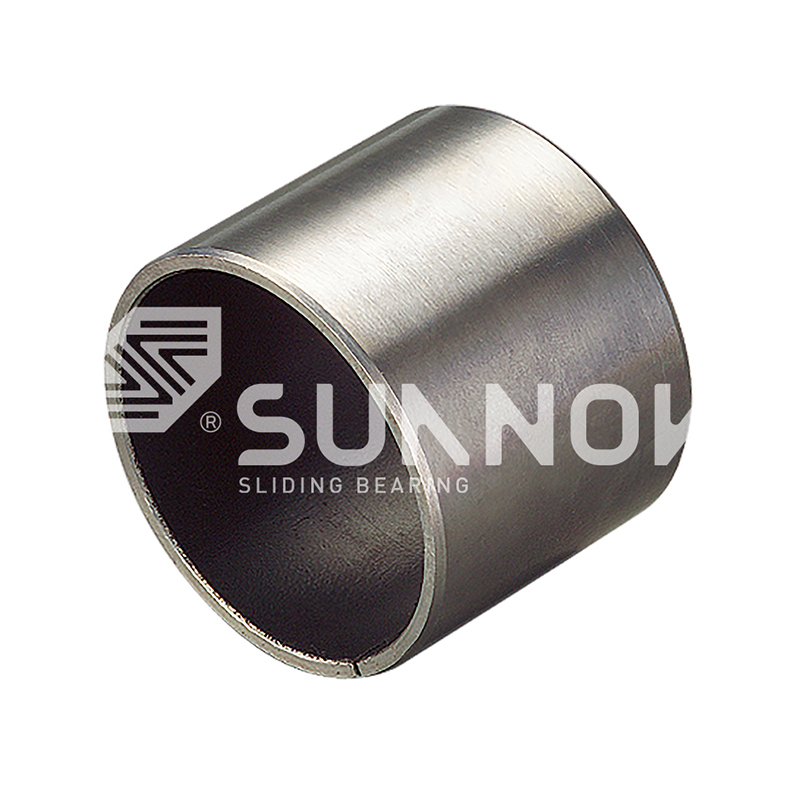 SF-1 Oilless Bearing Self Lubricating SF-1T Metal Gear Pump Bearing Bronze Bushings
 -
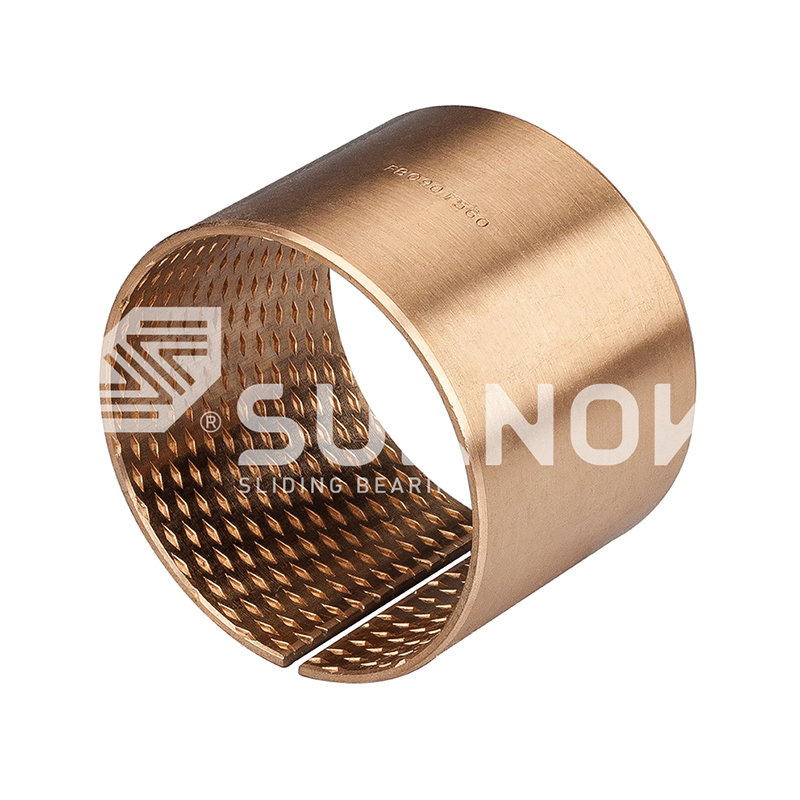 FB090 Bronze Wrapped Bearing FB090 Bronze Wrapped Bearing | Self-Lubricating Bushing & Sleeve
 -
-
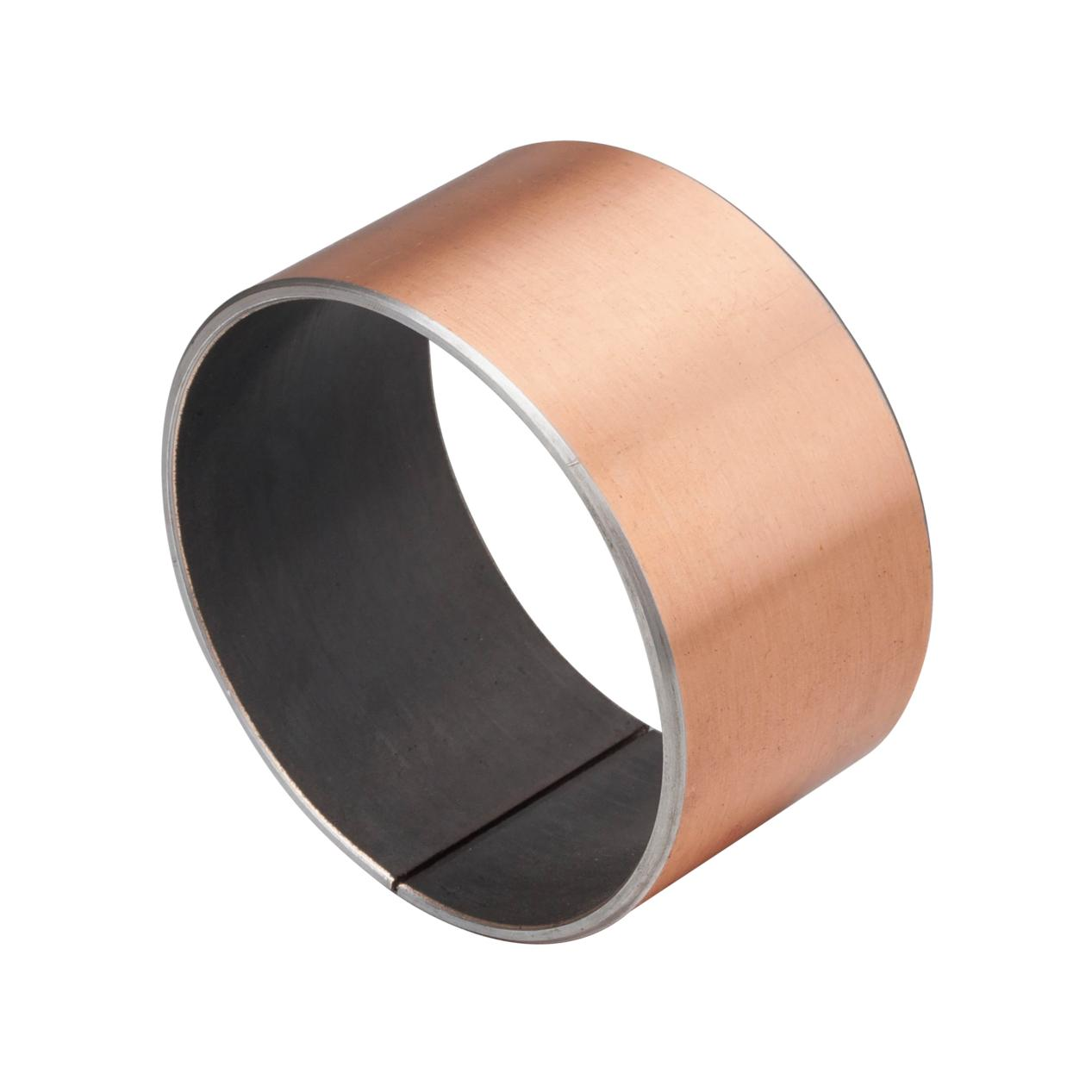
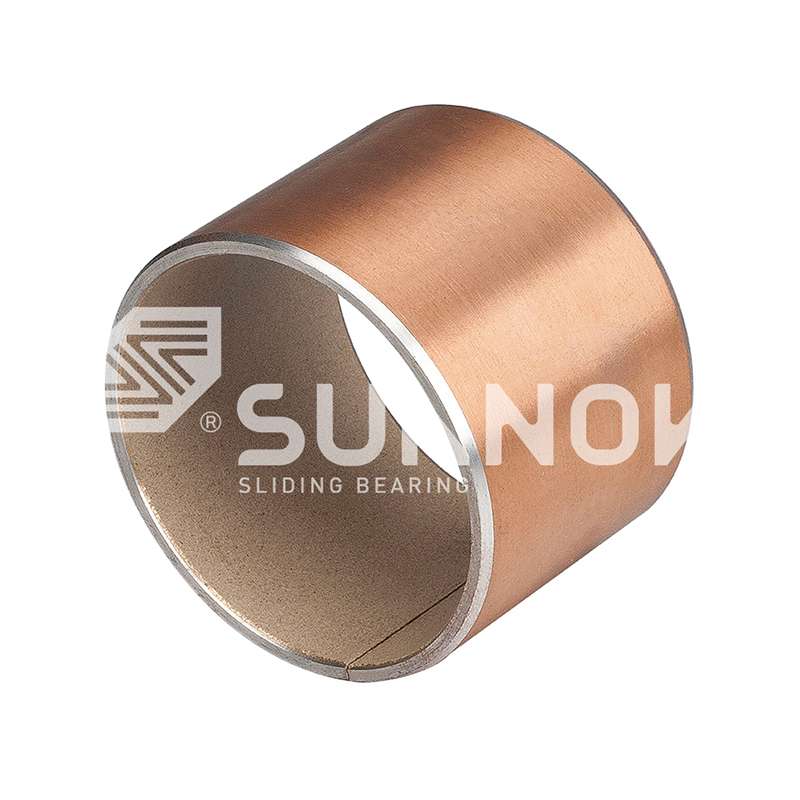 SF-1 Oilless Bearing SF-1P Reciprocating Motion Bronze Self-Lubricating Composite Bearing Bushing
 -
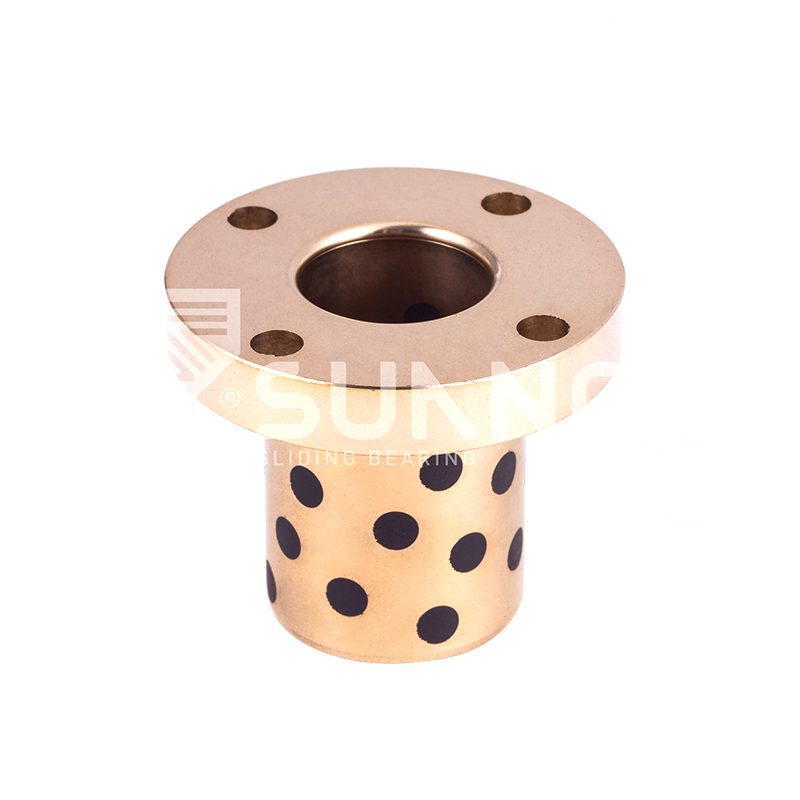 JDB Solid-lubricating Bearing JFB650 Metric Oil Free Self Lubricating Bronze Round Flanged Bearing
 -
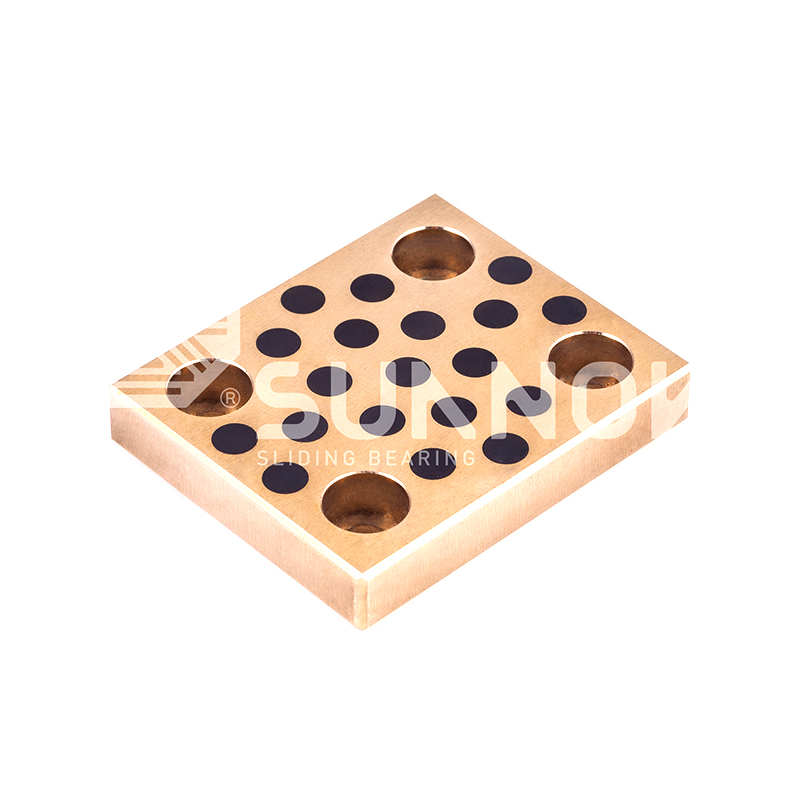 JDB Solid-lubricating Bearing Flangeless Graphite Bronze Wear Block, Square Self Lubricating Bronze Guide Plate JESW
 -
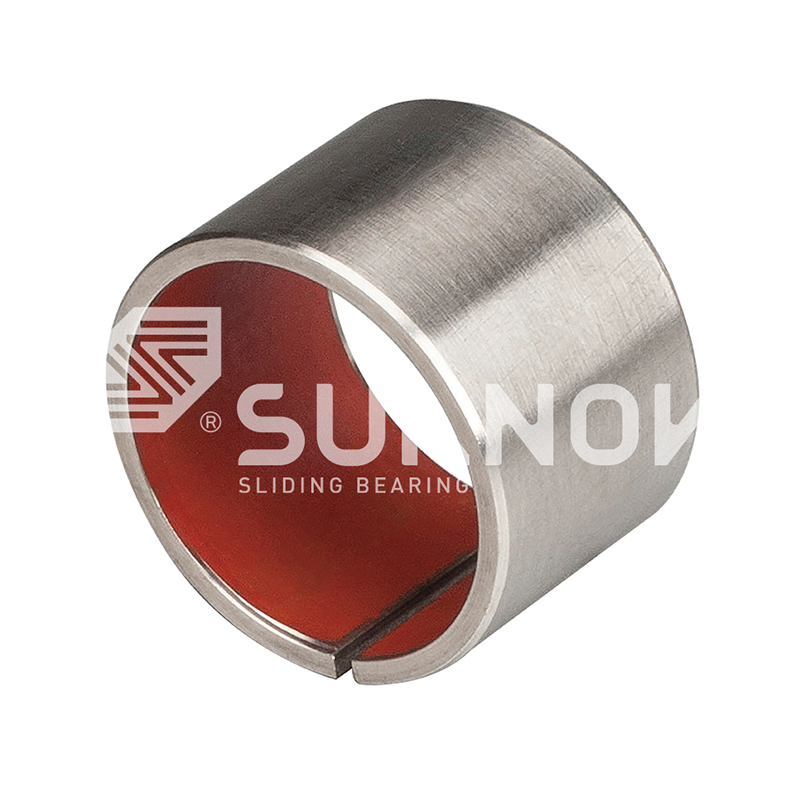
What Makes High Quality Self-Lubricating Bronze Bushings? Key Factors Explained
Industry News-Content
- 1 The Real Difference Between a Quality Bronze Bushing and a Cheap One
- 2 Base Alloy: Why "Bronze" Alone Is Not a Specification
- 3 Solid Lubricant: What Makes the Bushing Self-Lubricating
- 4 Manufacturing Process: Casting, Sintering, or Wrapping
- 5 PV Limits and Application Matching
- 6 Dimensional Accuracy and Installation Tolerance
- 7 Quality Control and Supply Chain Transparency
- 8 What This Means for Your Next Purchase
The Real Difference Between a Quality Bronze Bushing and a Cheap One
What makes high-quality self-lubricating bronze bushings different is not a single feature. It is how the base alloy, solid lubricant, manufacturing route, dimensional control, and quality verification work together. The ones that last in real machines share five measurable characteristics: a controlled base alloy, a deliberately dosed solid lubricant, a manufacturing process matched to the load profile, tight dimensional tolerances, and verifiable quality control.
That conclusion is not just theoretical. A bushing that fails after a few hundred hours can look identical to one that runs for years. Both have the same external shape and the same graphite plugs. The difference is in how the alloy is melted, how the lubricant is positioned, and how carefully the final bore is machined. When a bushing fails early, the cost is rarely the bushing itself; it is the scored shaft, the unscheduled shutdown, and the labour time spent tearing down an assembly.
Understanding those factors keeps purchasing decisions focused on measurable performance instead of surface appearance.
Base Alloy: Why "Bronze" Alone Is Not a Specification
The base alloy determines load capacity, resistance to deformation, corrosion behaviour, and how well the bushing beds in against a steel shaft. A high-quality bushing starts with a controlled copper alloy, not with whatever scrap metal was available that day. Trace elements, porosity, and inclusions matter because they change how the bushing behaves under shock loads and edge pressure.
In self-lubricating bronze bushings, the most common base materials are tin bronze, aluminum bronze, and, in some lighter-duty components, brass. Tin bronze offers a proven balance of strength and conformability. Aluminum bronze provides higher strength and better wear resistance in abrasive or heavily loaded conditions. Brass is more often used for guided components and wear plates where loads are moderate and machinability is important.
| Alloy type | Typical characteristics | Best suited for |
|---|---|---|
| Tin bronze | Good corrosion resistance, stable under moderate loads | General rotating shafts, bushings in damp or mildly corrosive environments |
| Aluminum bronze | Higher strength and wear resistance | Heavy loads, abrasive conditions, high edge loading |
| Brass | Good machinability, lower cost | Guide bearings, wear plates, ejector systems with moderate loads |
For heavy-duty applications, a cast copper alloy base is usually preferred. A good example is the JDB600 cast bronze self-lubricating bearing, which combines a cast bronze base with embedded solid lubricant and is designed for high-load, low-speed conditions.
 Wholesale JDB-600 Cast Self-Lubricating Bronze Guide Bushing Bearing Suppliers, Zhejiang Shuangnuo Bearing Technology Co., Ltd. Is China JDB-600 Cast Self-Lubricating Bronze Guide Bushing Bearing Suppliers, Company, W...View Product →
Solid Lubricant: What Makes the Bushing Self-Lubricating
A self-lubricating bronze bushing works because a solid lubricant, usually graphite, molybdenum disulfide or PTFE, transfers a thin film onto the shaft. The film reduces metal-to-metal contact and allows the bushing to run without an external oil supply. In a graphite-filled bronze bushing, graphite is pressed into holes or grooves in the alloy, then worn in during initial running.
High quality is about distribution, not just presence. The amount of graphite, the size of the lubricant pockets, and the consistency of the fill all affect how quickly a stable film forms and how long it lasts. Poorly filled pockets create uneven contact, and the shaft may wear before the film has a chance to develop. This transfer film mechanism behind self-lubrication is why two bushings with the same dimensions can have very different service lives.
For applications that run with little movement, such as pivots and oscillating joints, the ability to maintain a film under high static pressure is more important than low initial friction. That is why graphite content and load-bearing area need to be matched to the actual operating cycle.
Manufacturing Process: Casting, Sintering, or Wrapping
The manufacturing route determines the bushing's density, lubricant retention, and cost. No single process is best for every application, but each process must be matched to the load, speed, shaft hardness and housing design.
Cast bronze bushings
Cast bronze bushings are made by pouring molten copper alloy around a pattern or by centrifugal casting, then machining the bore and outer diameter. The dense structure gives high load capacity and allows precise final machining. Casting is the right choice when the load is heavy, the diameter is large, or the bushing must absorb shock without deforming.
Sintered bronze and bimetallic bushings
Sintered bimetallic bushings use a steel backing with an inner layer of bronze powder that is sintered and then impregnated with oil or solid lubricant. The steel backing carries the structural load, while the porous bronze layer stores lubricant. This construction works well for high-volume components such as hydraulic pump bearings, gearbox bushings, and automotive applications. The 200-B oil-retaining bimetallic bearing with steel backing and copper sinter layer is an example of this approach.
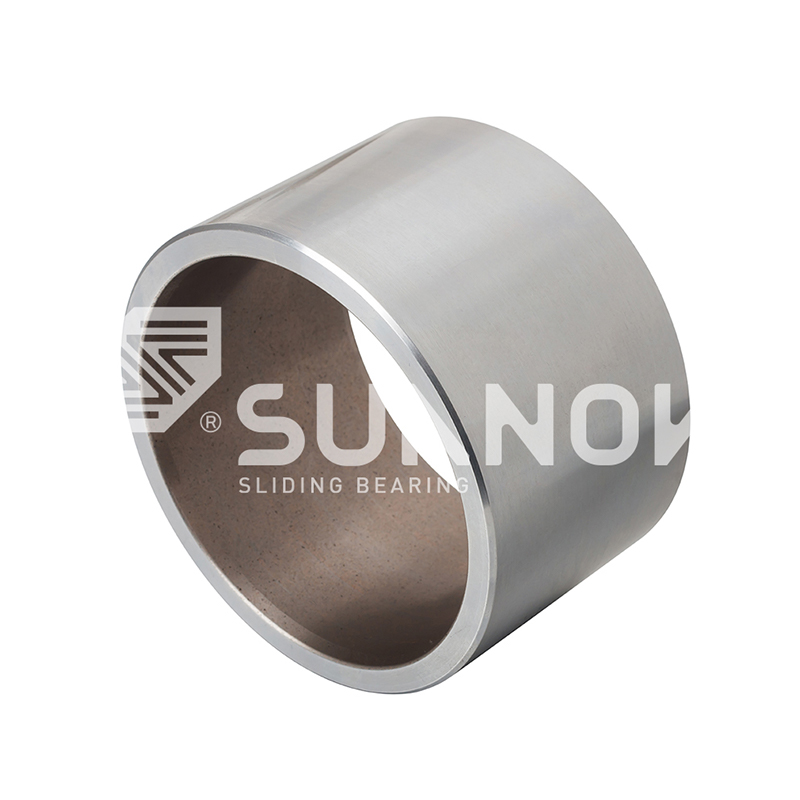 Wholesale 200#B Oil-Retaining Bimetallic Bearing (Steel Backing+Copper Sinter WiZhejiang Shuangnuo Bearing Technology Co., Ltd. Is China 200#B Oil-Retaining Bimetallic Bearing (Steel Backing+Copper Sinter With Solid L...View Product →
Wrapped bronze bushings
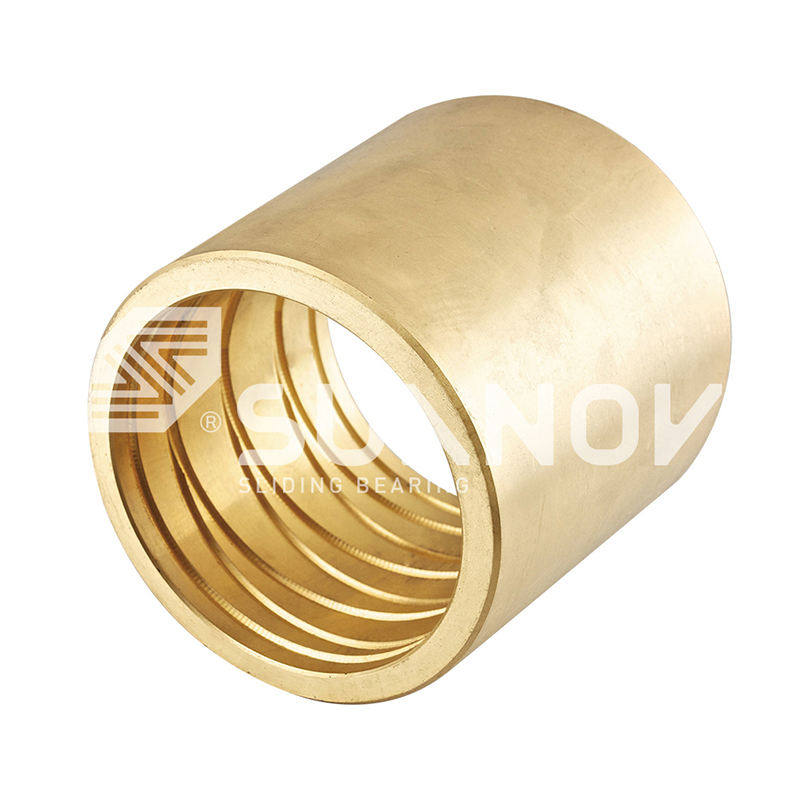
Wrapped bushings are formed from bronze strip, usually with a steel shell or a layer of bronze rolled into a cylinder. They have thin walls, low cost, and good conformability, making them popular for automotive and general machinery applications where the housing provides enough support. A representative example is the FB090 bronze wrapped bushing, which offers a compact, maintenance-friendly solution for moderate loads.
 Wholesale FB090 Bronze Wrapped Bearing | Self-Lubricating Bushing & Sleeve SupplZhejiang Shuangnuo Bearing Technology Co., Ltd. Is China FB090 Bronze Wrapped Bearing | Self-Lubricating Bushing & Sleeve Suppliers, Comp...View Product →
| Process | Base structure | Main advantage | Limitation |
|---|---|---|---|
| Casting | Dense copper alloy | High load capacity, tight machining tolerance | Higher raw material and machining cost |
| Sintering on steel | Steel backing with porous bronze layer | Good lubricant storage, consistent properties | Limited to moderate loads and wall thickness |
| Wrapping from strip | Rolled bronze or steel-backed strip | Low cost, thin wall, good conformability | Lower structural strength, requires clean housing |
PV Limits and Application Matching
A high-quality bushing is only high quality if it is applied within its pressure-velocity envelope. The PV value, the product of specific load and surface speed, is a practical way to compare designs. Exceeding the PV limit causes rapid overheating and lubricant breakdown, no matter how good the alloy is.
Manufacturers publish PV limits for their materials, but the numbers are only meaningful if you know the test conditions. Temperature, shaft roughness, edge loading and lubrication conditions all change the practical limit. Before selecting a bushing, check whether the published limit is for dry running, intermittent operation, or with initial grease. This PV limit and wear rate analysis for self-lubricating bronze bushings explains how to use those numbers in sizing decisions.
For most industrial applications, the safest approach is to leave margin: choose a material whose PV envelope is well above the actual peak condition, not just the average condition.
Dimensional Accuracy and Installation Tolerance
The best alloy and lubricant will still fail if the bushing is installed with the wrong interference fit or if the bore is not machined to the specified tolerance. High-quality bronze bushings are measured in micrometres, not just by whether they fit an approximate shaft size.
Interference fit, bore tolerance, surface finish and edge break all affect lubrication film formation. A bushing pressed into an oversized housing may lose its inner diameter after installation; a bushing with too much clearance will hammer under load and quickly wear. Manufacturers that machine their own finished bores can control tolerances more consistently than suppliers who rely on standard stock. The practical details are covered in the metric bronze bearing tolerance selection guide.
When ordering non-standard sizes, quote the housing bore, shaft diameter, operating temperature and expected fit. That information forces the manufacturer to calculate the installed clearance instead of selling you a catalogue part that only looks close enough.
Quality Control and Supply Chain Transparency
Because the quality of a self-lubricating bronze bushing is invisible in a photo, the best way to assess it is to ask how the supplier controls the material. A manufacturer that melts its own copper alloy, monitors the melt in front of a spectroscope, and machines the bushing in the same plant is more likely to produce a consistent part than a trading company assembling parts from different subcontractors.
Zhejiang Shuangnuo Bearing Technology, for example, casts its own copper alloys, runs inline spectroscopy checks during melting, and can provide third-party test reports for material composition and mechanical properties. That kind of traceability matters when a bushing is going into a hydraulic pump, a press die, or a production line where a single premature failure stops everything.
Key checks to include in your supplier review:
- Ask for the reference standard, whether it is the national alloy grade, DIN, or NAAMS, and verify the chemical composition.
- Confirm the solid lubricant type, fill pattern and graphite content rather than assuming all "self-lubricating" grades are the same.
- Check whether the supplier machines the final bore in-house or relies on a separate subcontractor; this affects tolerance consistency and lead time.
What This Means for Your Next Purchase
A high-quality self-lubricating bronze bushing is the result of material, lubricant, process, tolerance and verification. When those five elements are controlled, the bushing can run for years without external lubrication. When one of them is compromised, the entire application pays the price.
Start with the operating conditions and work backwards: choose a genuine bronze alloy, confirm the lubricant system, match the manufacturing process to the load profile, specify realistic tolerances, and ask the supplier to prove their material quality. That is what separates a bushing that happens to be bronze from a bushing that was engineered to be self-lubricating.
Recommended NEWS:
Self-Lubricating Bronze Bushings: Benefits, Cost Savings, and Selection Guide
Self-Lubricating Copper Alloy Bearings: The Future of Solid-Lubricating Bearings and JDB-600 Casting Bronze Bearings
Self-Lubricating Copper Alloy Bearings: A Comparative Analysis with JDB-600 Casting Bronze and Oil-Retaining Bimetallic Bearings
SF-1S Self-Lubricating Stainless Steel Bushings: Key Applications and Benefits
Bronze Wrapped Bushings for Heavy Machinery: Durable Solutions for Demanding Applications
SF-2 Boundary Self-Lubricating Bearing: High-Performance Lubrication Solution
Recommended LINS:
Contact Us //
Have Questions? Get in Touch!

Zhejiang Shuangnuo Bearing Technology Co., Ltd. specializes in the production of various self-lubricating copper alloy bushing bearings products
Quick Links
Related Products
Contact
- Add: No. 69, Tingyao East Road, Ganyao Town Industrial Zone, Jiashan County, Zhejiang Province, China
- Tel: +86-15957371801
- Fax: +86-0573-84038630
- Email: [email protected]
[email protected]
© 2024 Zhejiang Shuangnuo Bearing Technology Co., Ltd.
Custom Self-Lubricating Copper Alloy Bearings
