


 русский
 Español
-
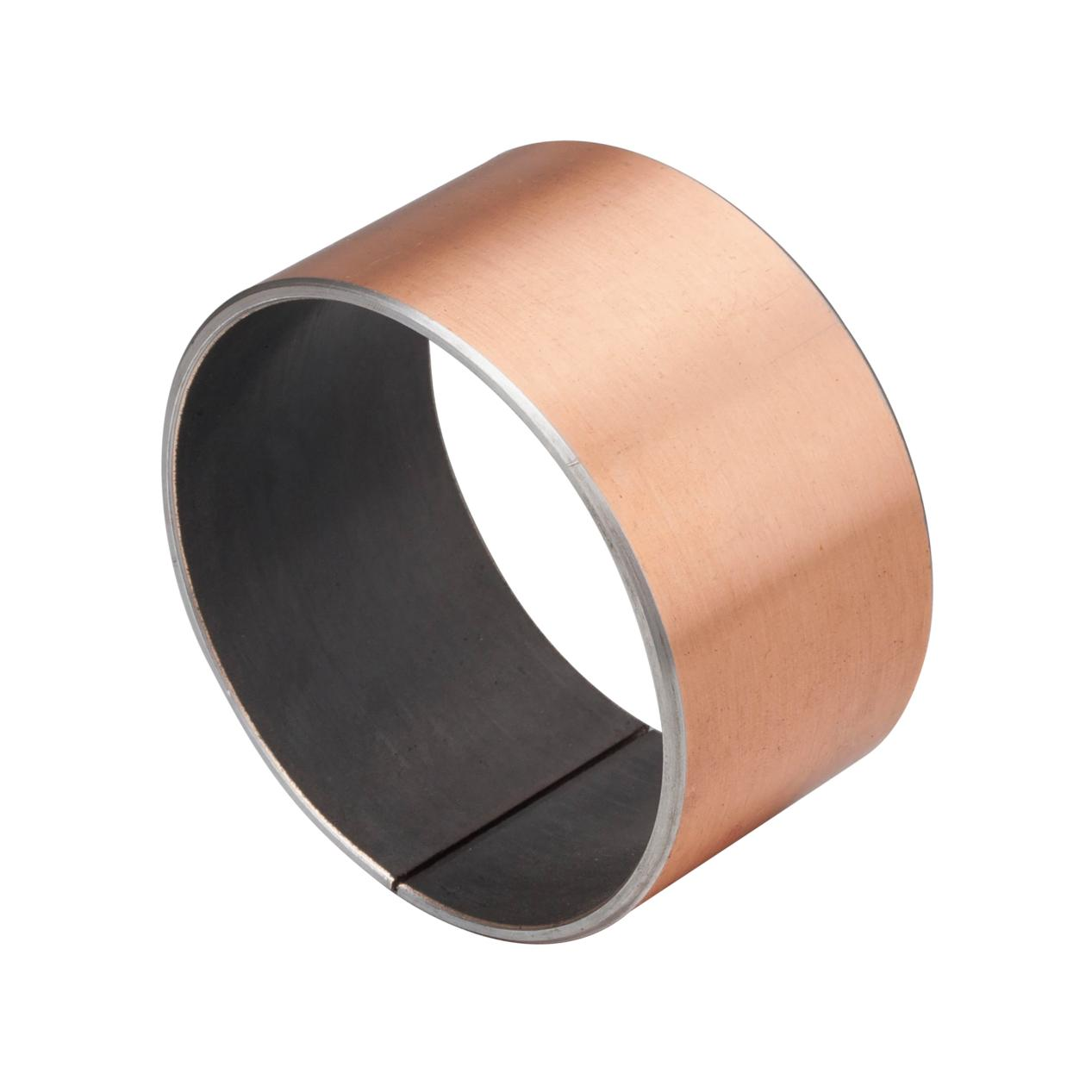
-
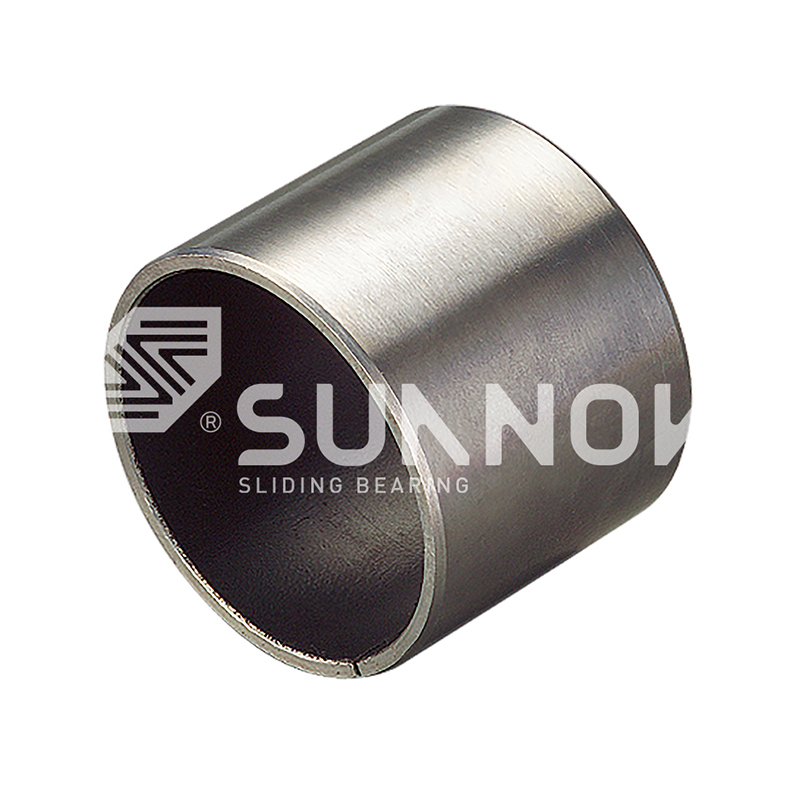 SF-1 Oilless Bearing Self Lubricating SF-1T Metal Gear Pump Bearing Bronze Bushings
 -
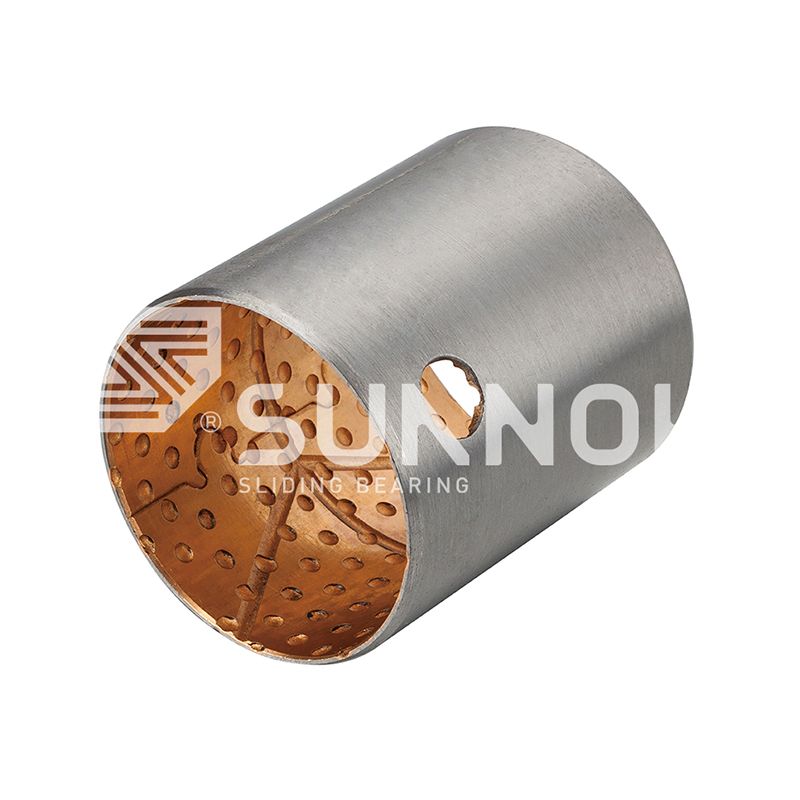 JF-800 Bi-metal Bearing JF-750 Self-Lubricating Lead Free Bi-Metal Bearing for Heavy Duty Engines Low Friction
 -
 SF-2 Boundary Lubricating Bearing SF-2Y Boundary Self-lubricating Bearing - Low Friction Dry Lubricant Bushings for Industrial Machinery
 -
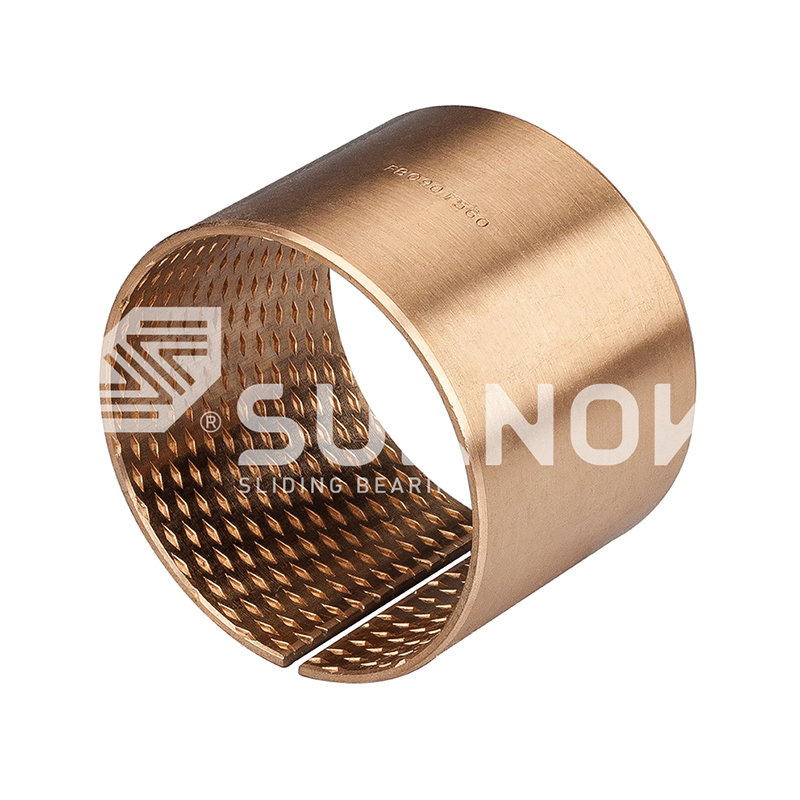 FB090 Bronze Wrapped Bearing FB090 Bronze Wrapped Bearing | Self-Lubricating Bushing & Sleeve
 -
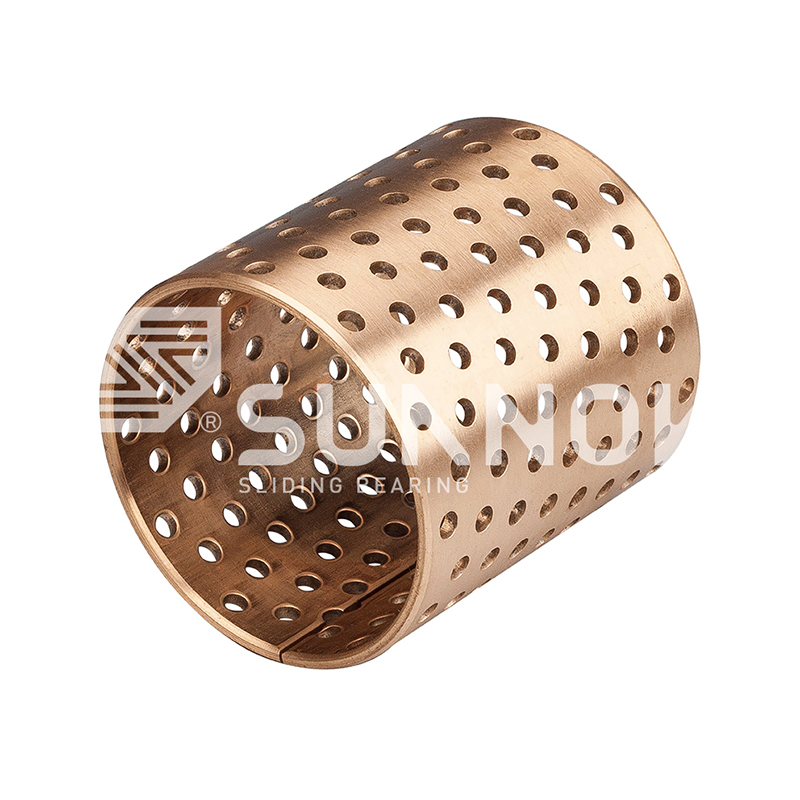 FB090 Bronze Wrapped Bearing FB092 Bronze Wrapped Bearing - Oilless Dry Sliding Bushing Self-Lubricating Bushing
 -
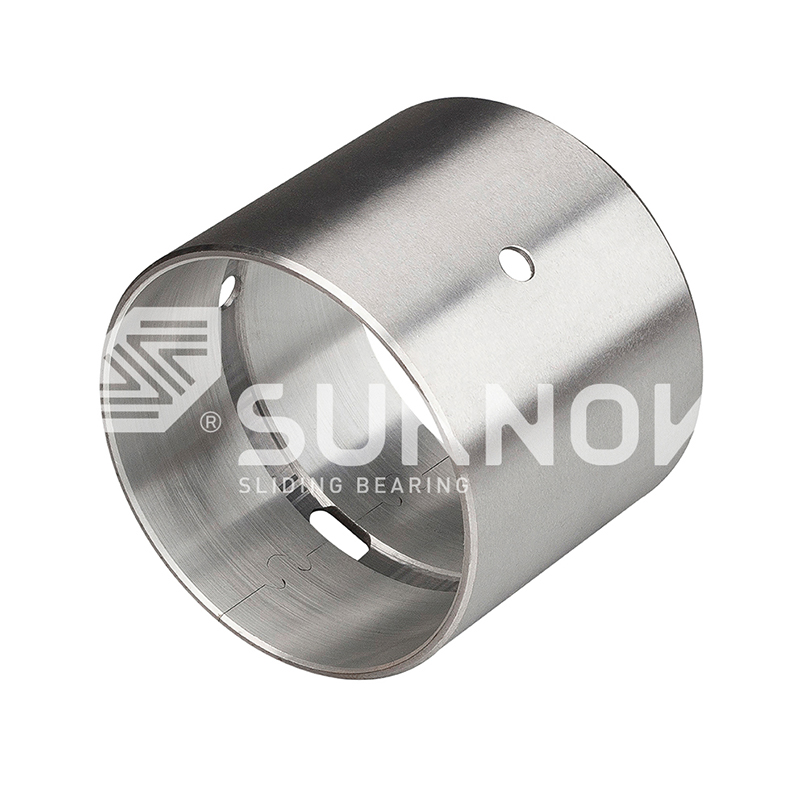 JF-800 Bi-metal Bearing JF-20 High-Performance Aluminum + Carbon Steel Alloy Bearing for Industrial Machinery
 -
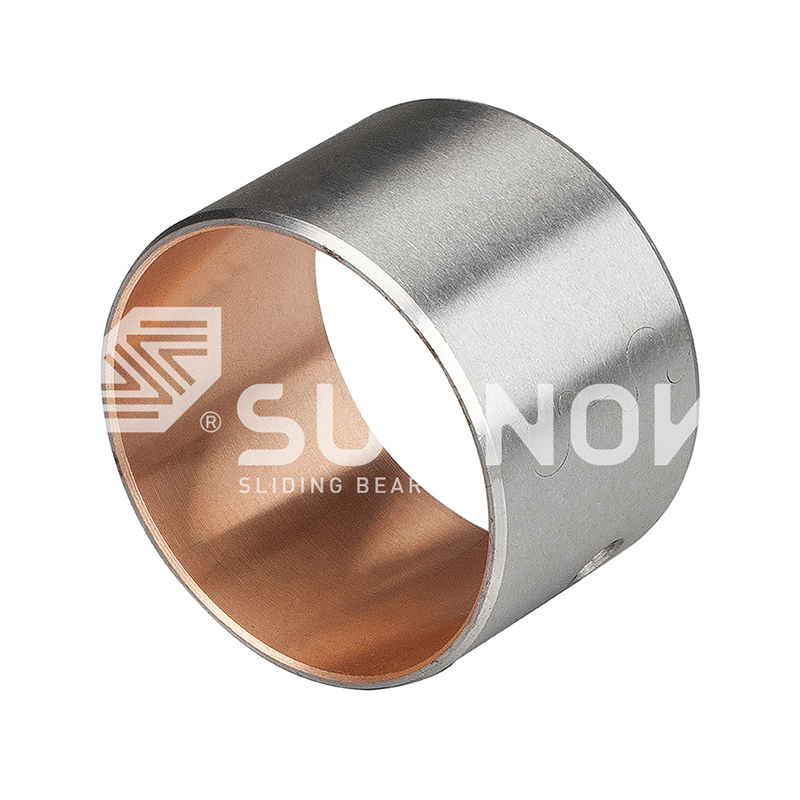 JF-800 Bi-metal Bearing JF-700 Bi-Metal Bearing Heavy Duty Self-Lubricating Sleeve Bushings
How to Choose the Right Self-Lubricating Bearing for Industrial Applications
Industry News-Content
Manual lubrication schedules are easy to skip and expensive to enforce across a plant floor. A properly specified self-lubricating bearing removes that dependency entirely, releasing lubricant from within its own structure so equipment keeps running reliably with far less maintenance overhead.
1How Self-Lubricating Bearings Work
Instead of relying on external grease or oil, a self-lubricating bearing draws on solid lubricants, oil-impregnated structures, or composite materials embedded directly in the bearing itself. As the bearing operates, these materials gradually release lubricating substances at the friction surface, maintaining a low-friction interface without a maintenance technician ever opening an access panel.
ZeroScheduled re-greasing required
3Core material families to choose from
4Key selection factors
2What to Check Before Choosing One
| Factor | Why It Matters |
| Load capacity | Radial, axial, impact, and static loads all affect material choice |
| Operating speed | Higher speeds raise friction coefficient and heat generation |
| Temperature range | Affects lubricant performance and material stability |
| Working environment | Dust, water, chemicals, or clean-room conditions change material needs |
3Material Options Compared
Metal-Based (Bronze, Sintered)
High load capacity and wear resistance, suited to industrial machinery and hydraulic equipment.
Polymer (PTFE Composites)
Low friction, corrosion resistant, lightweight — a strong fit for medical and food processing equipment.
Composite (Layered Materials)
Balances low friction with high wear resistance for precision and automation equipment.
4Bearing Structures to Know
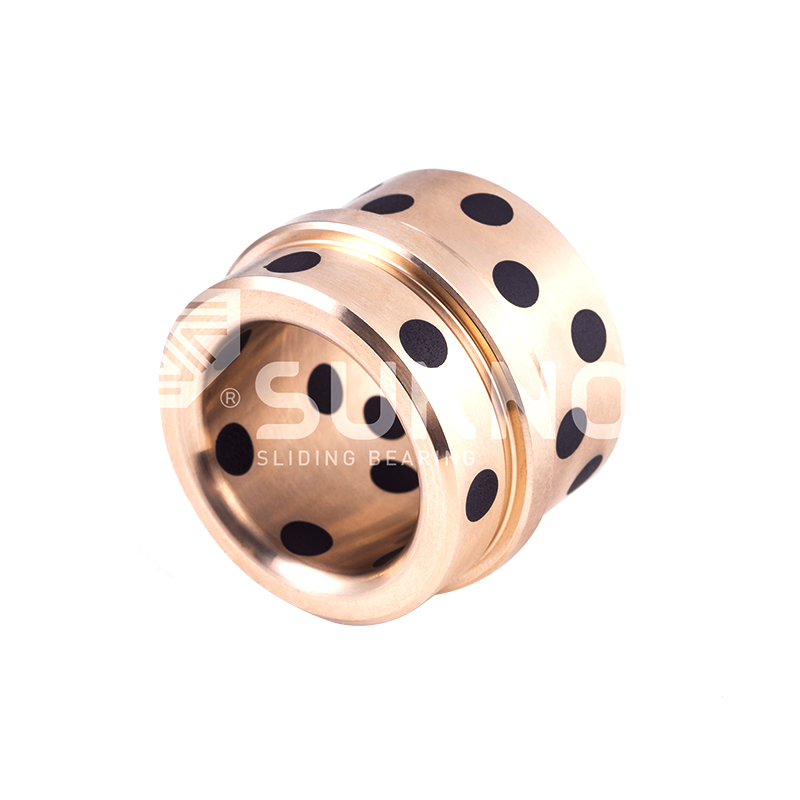
- Self-lubricating bushings — compact, simple to install, common in mechanical joints and sliding mechanisms
- Sliding bearings — handle heavy loads and oscillating motion in hydraulic and linkage systems
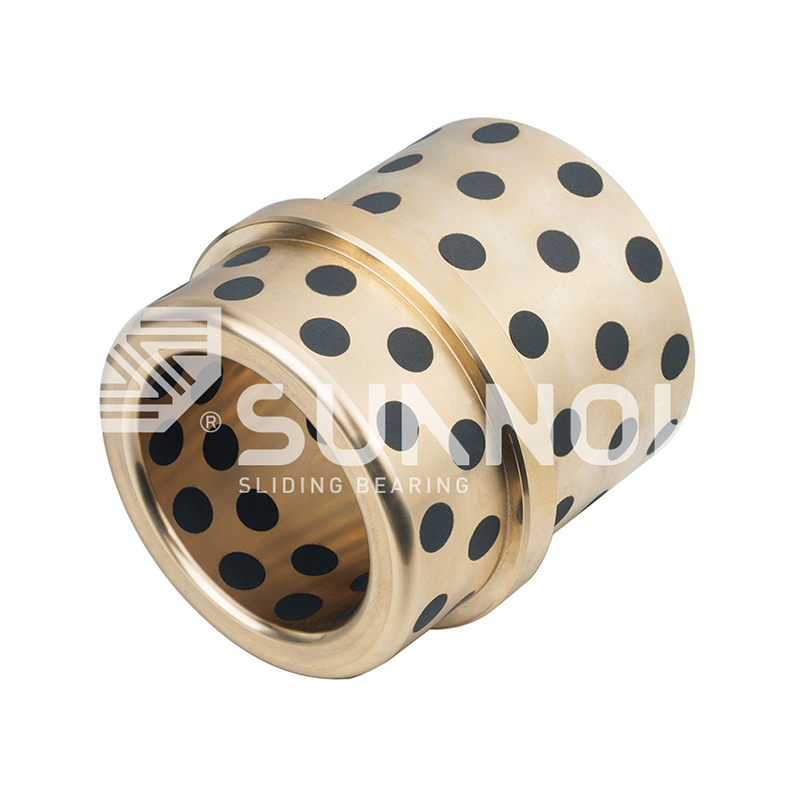
- Bearings with lubricating inserts — continuous lubricant supply built for high-temperature, harsh-environment equipment
A bearing sized correctly but matched to the wrong material still fails — load, speed, temperature, and environment all have to line up together.
5Where They Get Used
Automotive
Suspension, steering, and transmission components needing low friction and durability.
Industrial Machinery
Production equipment, robotics, and conveyors needing long service life.
Food Processing
Corrosion-resistant, clean-operating bearings for hygienic environments.
Aerospace & Precision
Lightweight, highly reliable bearings for demanding tolerances.
6Selection Mistakes to Avoid
Sizing a bearing correctly is only half the job — material, load rating, speed tolerance, and environmental resistance all have to match the actual operating conditions, not just the physical dimensions. A bearing built for normal indoor conditions will underperform quickly in dusty, wet, or chemically exposed environments, and choosing on price alone tends to shift the real cost into unplanned downtime later.
7Frequently Asked Questions
How long do self-lubricating bearings last without maintenance?
Service life varies by material and load conditions, but properly matched bearings are designed to run through their expected service life without re-greasing.
Are polymer bearings strong enough for industrial machinery?
For moderate loads, yes — PTFE composite bearings offer good durability with the added benefit of corrosion resistance and quiet operation.
What happens if I choose the wrong bearing material?
Mismatched materials typically lead to excessive wear, increased friction, and a shortened service life well before the bearing's rated capacity is reached.
Can self-lubricating bearings handle high-temperature environments?
Yes, with the right material — bearings with solid lubricant inserts are specifically built for high-temperature, harsh-condition equipment.
Matching load, speed, temperature, and environment to the right material is what makes a self-lubricating bearing deliver on its core promise: reliable performance with far less maintenance than traditional lubricated bearings.
 |
 |
Recommended NEWS:
Zhejiang Shuangnuo Bearing Technology Co., Ltd. will be present at the 2025 Shenzhen International Industrial Expo to showcase self-lubricating bearings
How to improve the service life of mechanical equipment by using JDB-600 cast copper bearings?
Bronze Bushing Bearing FB090: Key Features & Benefits for Industrial Applications
Self-Lubricating Copper Alloy Bearings: A Comparative Analysis with JDB-600 Casting Bronze and Oil-Retaining Bimetallic Bearings
SF-2 Boundary Self-Lubricating Bearing: High-Performance Lubrication Solution
Self-Lubricating Copper Alloy Bearings: The Future of Solid-Lubricating Bearings and JDB-600 Casting Bronze Bearings
Recommended LINS:
Contact Us //
Have Questions? Get in Touch!

Zhejiang Shuangnuo Bearing Technology Co., Ltd. specializes in the production of various self-lubricating copper alloy bushing bearings products
Quick Links
Related Products
Contact
- Add: No. 69, Tingyao East Road, Ganyao Town Industrial Zone, Jiashan County, Zhejiang Province, China
- Tel: +86-15957371801
- Fax: +86-0573-84038630
- Email: [email protected]
[email protected]
© 2024 Zhejiang Shuangnuo Bearing Technology Co., Ltd.
Custom Self-Lubricating Copper Alloy Bearings
