


 русский
 Español
-
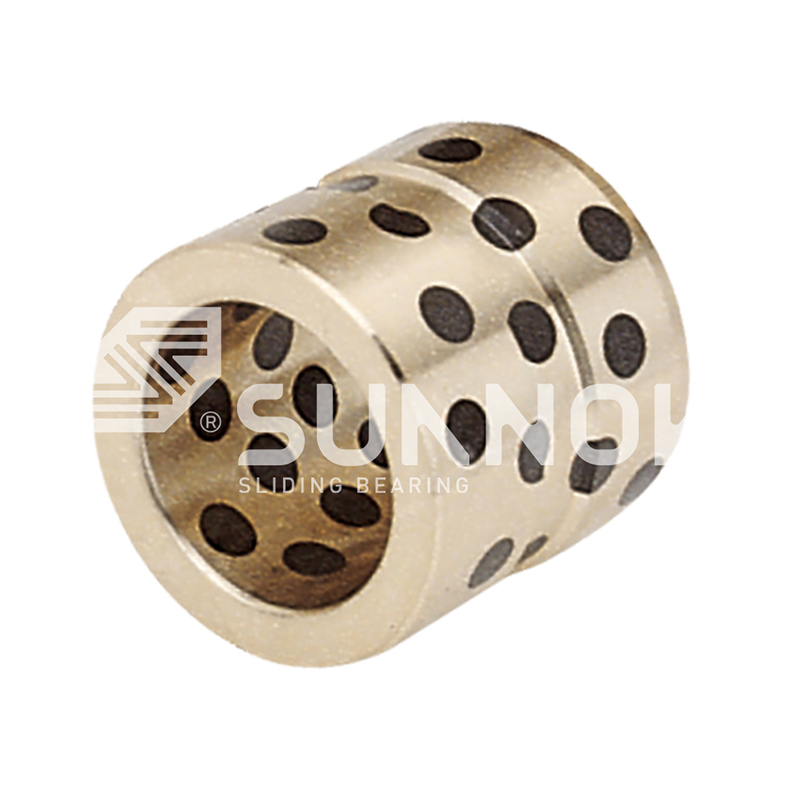 JDB Solid-lubricating Bearing High Temperature Brass JGB Oilless Ejector Guide Bearings
 -
-
-
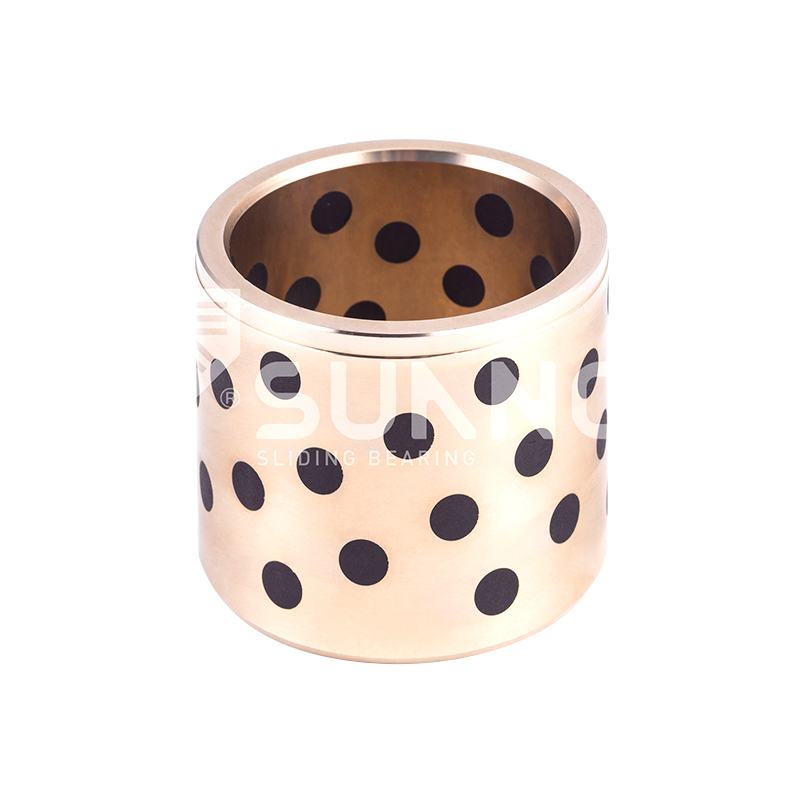 JDB Solid-lubricating Bearing JDB650 Self-Lubricating Brass Bushing Oilless Bearings
 -
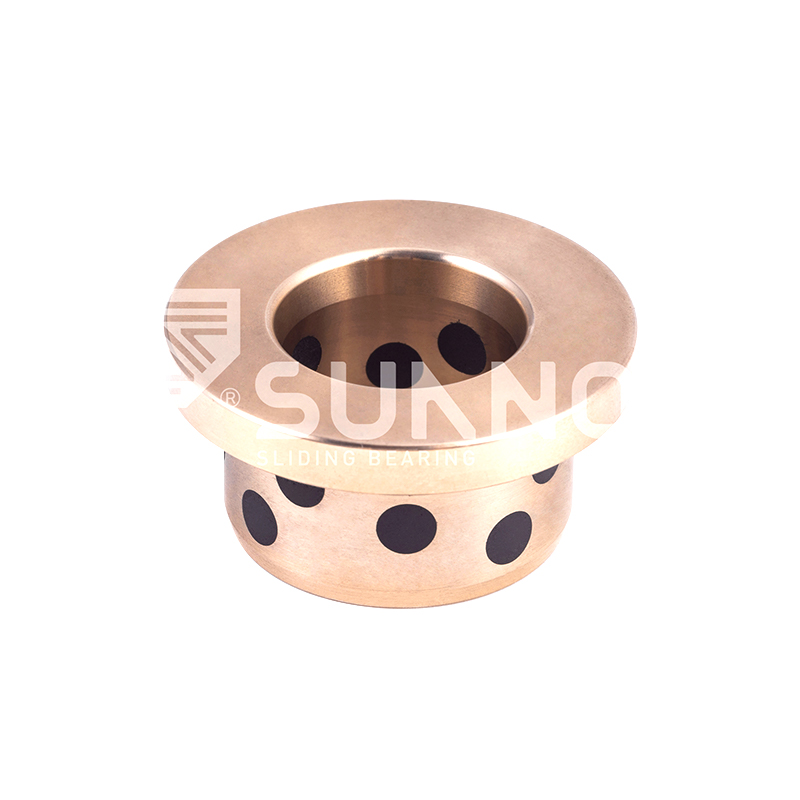 JDB Solid-lubricating Bearing JFBB Metric Self-lubricating Oilless Graphite Flanged Bearings Bushings
 -
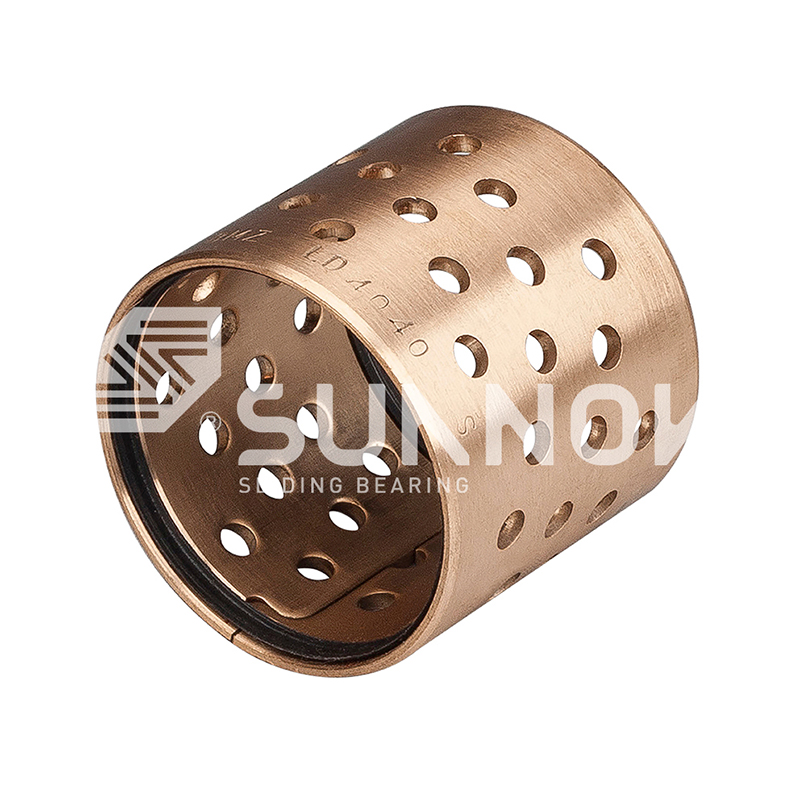 FB090 Bronze Wrapped Bearing FB094 Bronze Wrapped Bearing: Lead-free, High Load Capacity, Self-lubricating
 -
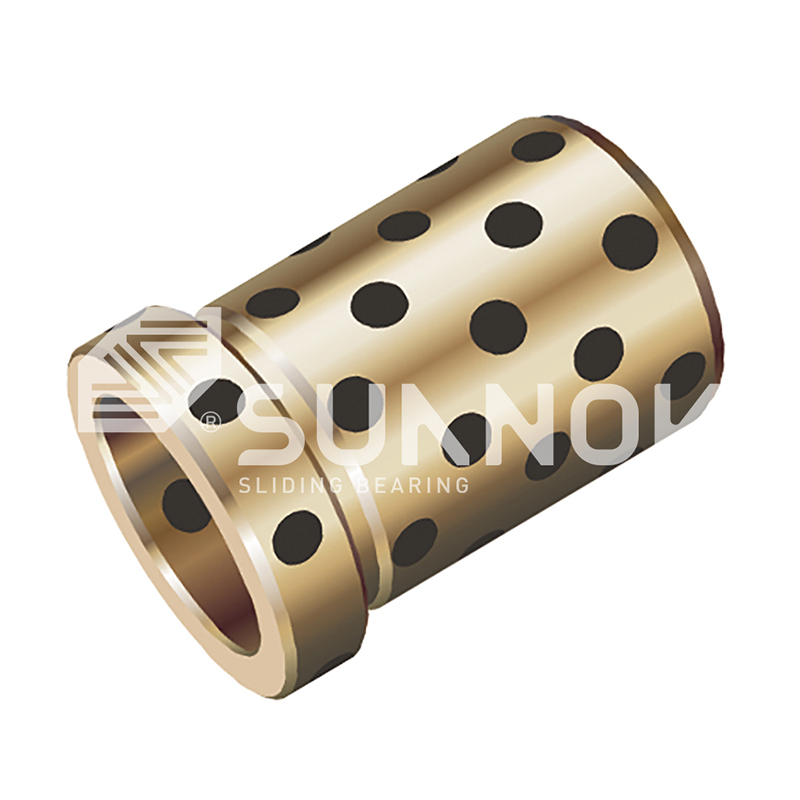 JDB Solid-lubricating Bearing JGBF Brass Oilless Ejector Flanged Guide Bearings Bushings
 -
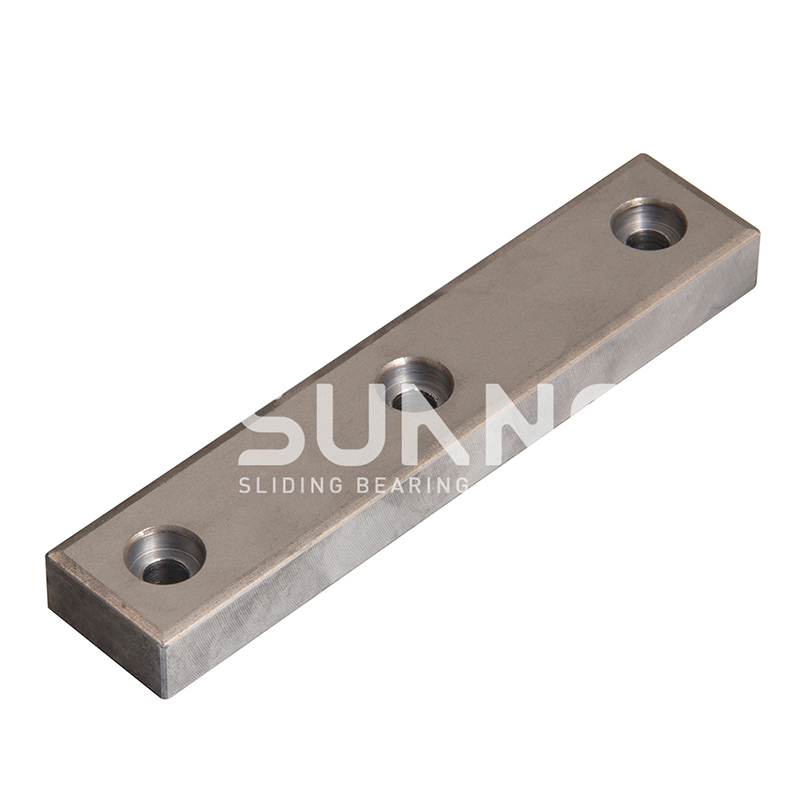 Oil-retaining Bimetallic Bearing Self-Lubricating 200# P20 Steel Graphite Insert Wear Plate / Steel Oilless Wear Strip
How Do Self Lube Bearings Compare to Traditional Grease-Lubricated Bearings in High-Load Applications?
Industry News-Content
- 1 The Fundamental Shift: Passive vs. Active Lubrication
- 2 High-Load Capacity and Material Integrity
- 3 Applications in Harsh and Corrosive Environments
- 4 Frequently Asked Questions (FAQ)
- 4.1 1. How do self lube bearings handle start-stop cycles compared to grease bearings?
- 4.2 2. Can I replace my existing grease bearings with a graphite plugged bronze bearing for heavy machinery?
- 4.3 3. Are maintenance free self lubricating bushings really "zero maintenance"?
- 4.4 4. What is the maximum temperature a high temperature self lubricating washer can withstand?
- 4.5 5. Why is centrifugal casting better for heavy duty self lubricating flange bearings?
In the demanding landscape of heavy industrial machinery, the choice between lubrication systems can dictate the entire lifecycle of a mechanical assembly. While traditional grease-lubricated systems have been the industry standard for decades, the emergence of self lube bearings has revolutionized high-load engineering. Zhejiang Shuangnuo Bearing Technology Co., Ltd., a specialist in copper alloy centrifugal casting and solid inlaid self-lubricating technology, has been at the forefront of this transition for nearly a decade. By integrating in-house raw material casting with advanced CNC machining, we ensure that every graphite plugged bronze bearing for heavy machinery meets the rigorous mechanical property requirements of global B2B clients.
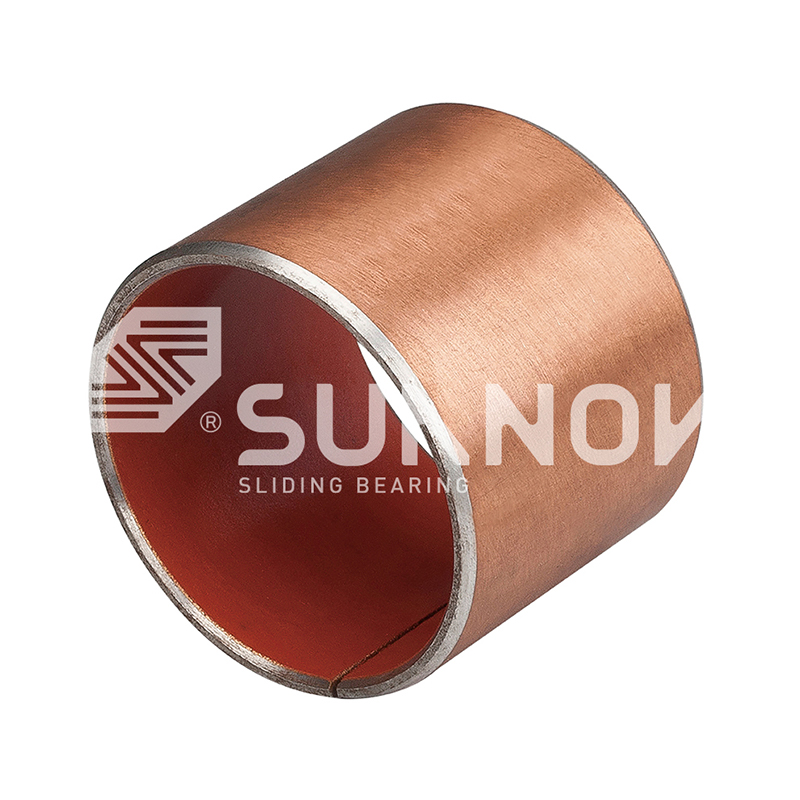
The Fundamental Shift: Passive vs. Active Lubrication
Traditional bearings rely on an active, external supply of grease or oil to maintain a hydrodynamic film. In contrast, self lube bearings utilize a passive system where the lubricant is embedded within the material matrix itself. According to the 2024-2025 Global Industrial Tribology Report by the International Tribology Council (ITC), the industrial sector has seen a 22% increase in the adoption of self-lubricating composites in high-load sectors. This growth is driven by the need to eliminate manual maintenance cycles and the environmental risks associated with grease leakage. A maintenance free self lubricating bushing significantly reduces operational expenditures by removing the need for automated lubrication systems and manual labor.
Source: International Tribology Council - 2024 Industrial Application Statistics
Comparison of Lubrication Mechanism and Maintenance
While grease bearings provide excellent cooling through fluid circulation, they are prone to failure if the lubrication path becomes clogged or neglected. Conversely, self lube bearings provide a constant, autonomous supply of solid lubricant, making them far more reliable in inaccessible or harsh environments.
| Performance Metric | Traditional Grease-Lubricated Bearings | self lube bearings (Solid Inlaid Type) |
| Lubrication Delivery | External (Manual or Auto-Pump) | Internal (Solid lubricant film transfer) |
| Maintenance Requirement | High (Regular re-greasing needed) | Zero (maintenance free self lubricating bushing) |
| Environmental Impact | Risk of grease leakage and contamination | Clean and eco-friendly |
| Reliability at High Loads | Film may break under extreme pressure | Superior (heavy duty self lubricating flange bearings) |
High-Load Capacity and Material Integrity
In high-load applications, the compressive strength of the bearing material is paramount. Traditional bearings often use softer babbitt or standard bronze alloys that require a fluid film to prevent metal-to-metal contact. However, Zhejiang Shuangnuo Bearing Technology utilizes centrifugal casting to produce high-density brass, aluminum bronze, and tin bronze alloys. These materials serve as the robust base for heavy duty self lubricating flange bearings, which can withstand massive static and dynamic loads. Furthermore, the latest technical standards from the American Society of Mechanical Engineers (ASME) for 2025 highlight that solid-lubricant inlaid bearings maintain a lower coefficient of friction under boundary lubrication conditions than grease-fed bearings, which often struggle with "squeeze-out" during slow-speed, high-pressure movements.
Source: ASME - 2025 Standards for High-Load Mechanical Fasteners and Bearings
Mechanical Property Comparison under Extreme Pressure
Traditional bearings are limited by the viscosity of the grease, which thins as temperatures rise. In contrast, a graphite plugged bronze bearing for heavy machinery maintains its structural and lubricating integrity even when surface temperatures exceed the limits of industrial greases.
| Load/Temperature Factor | Grease Bearings (Steel/Bronze) | self lube bearings (Copper Alloy + Solid Lube) |
| Static Load Capacity | Limited by lubricant film strength | Very High (up to 100+ N/mm²) |
| Operating Temperature | Limited to grease drop point (~150°C) | Up to 300°C+ (Depending on alloy) |
| Wear Resistance | High wear if grease is contaminated | Excellent (Self-replenishing film) |
| Corrosion Resistance | Depends on grease barrier | Inherent (corrosion resistant self lube bushings) |
Applications in Harsh and Corrosive Environments
One of the most significant advantages of self-lubricating technology is its performance in environments where grease would wash away or attract abrasive dust. For offshore, mining, and chemical processing, corrosion resistant self lube bushings made from aluminum bronze or tin bronze offer a lifespan that far exceeds traditional counterparts. At Shuangnuo, we monitor the entire casting process and test finished products via spectrometer three times to ensure the material composition meets international standards. This precision is vital when manufacturing a high temperature self lubricating washer, where thermal expansion must be calculated to prevent seizing while maintaining the lubrication transfer process.
- Marine and Offshore: Saltwater resistance is achieved through tin bronze alloys, preventing the pitting common in grease-lubricated steel.
- Mining and Construction: Solid lubricants are unaffected by sand and dust, which would turn traditional grease into an abrasive paste.
- Clean Energy: Hydro-power and wind turbines benefit from the zero-pollution profile of self-lube systems.
Frequently Asked Questions (FAQ)
1. How do self lube bearings handle start-stop cycles compared to grease bearings?
self lube bearings are superior for frequent start-stop cycles. While grease bearings require time to build a hydrodynamic film (leading to wear at startup), self-lube materials have a solid lubricant film already present on the surface, providing immediate protection.
2. Can I replace my existing grease bearings with a graphite plugged bronze bearing for heavy machinery?
Yes. In most cases, a graphite plugged bronze bearing for heavy machinery can be designed to match the dimensions of your current housing, allowing for a seamless transition to a maintenance-free system.
3. Are maintenance free self lubricating bushings really "zero maintenance"?
For the majority of the bearing's lifespan, they require no external lubrication. Periodic inspections are still recommended to monitor general mechanical wear, but the cost and time associated with re-greasing are entirely eliminated.
4. What is the maximum temperature a high temperature self lubricating washer can withstand?
Depending on the base alloy (such as aluminum bronze) and the specific solid lubricant used, a high temperature self lubricating washer can operate effectively at temperatures up to 300°C-400°C, far exceeding the limits of traditional grease.
5. Why is centrifugal casting better for heavy duty self lubricating flange bearings?
Centrifugal casting, which we use at Zhejiang Shuangnuo, creates a denser, more uniform material structure with fewer impurities. This results in higher load-bearing capacity and better wear resistance for heavy duty self lubricating flange bearings compared to standard sand casting.
Recommended NEWS:
Solid Lube Bearings: A Comprehensive Guide to Maintenance-Free Solutions
Self-Lubricating Copper Alloy Bearings: The Future of Solid-Lubricating Bearings and JDB-600 Casting Bronze Bearings
Self-Lubricating Copper Alloy Bearings: A Comparative Analysis with JDB-600 Casting Bronze and Oil-Retaining Bimetallic Bearings
The Benefits of Maintenance-Free Solid Lubricant Bearings for Industrial Applications
JFBB Metric Self-lubricating Oilless Graphite Flanged Bearings Bushings
JFBB Metric Self-lubricating Oilless Graphite Flanged Bearings Bushings: Oil-free self-lubricating solutions
Recommended LINS:
Contact Us //
Have Questions? Get in Touch!

Zhejiang Shuangnuo Bearing Technology Co., Ltd. specializes in the production of various self-lubricating copper alloy bushing bearings products
Quick Links
Related Products
Contact
- Add: No. 69, Tingyao East Road, Ganyao Town Industrial Zone, Jiashan County, Zhejiang Province, China
- Tel: +86-15957371801
- Fax: +86-0573-84038630
- Email: [email protected]
[email protected]
© 2024 Zhejiang Shuangnuo Bearing Technology Co., Ltd.
Custom Self-Lubricating Copper Alloy Bearings
