


 русский
 Español
-
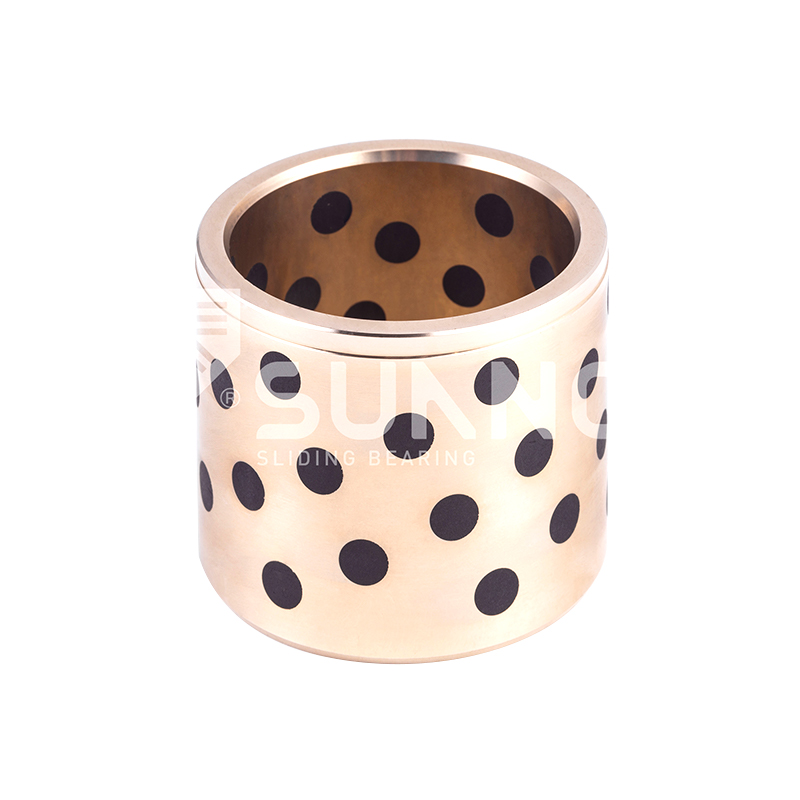 JDB Solid-lubricating Bearing JDB650 Self-Lubricating Brass Bushing Oilless Bearings
-
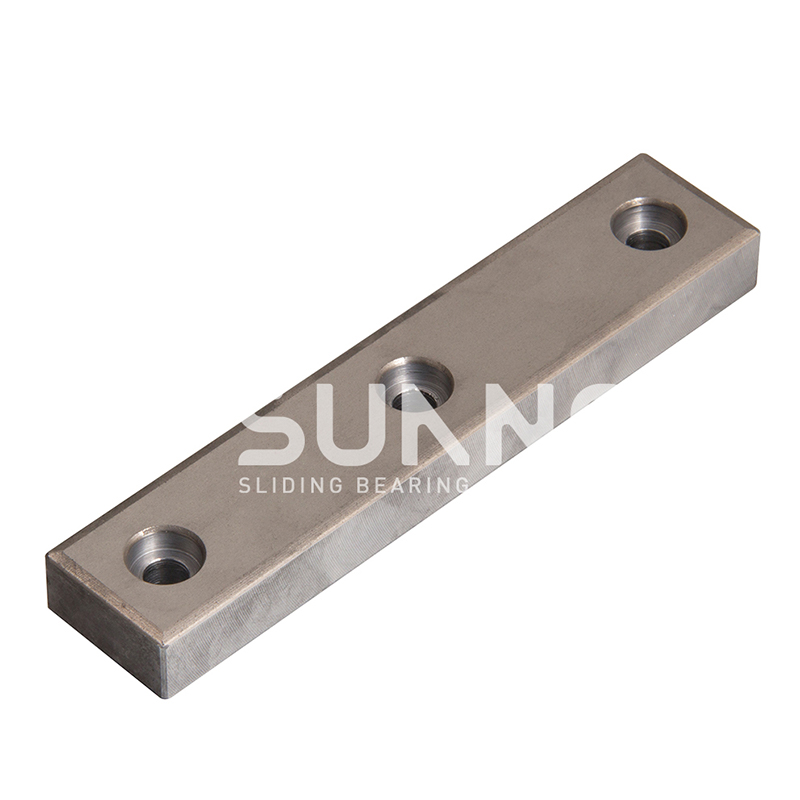 Oil-retaining Bimetallic Bearing Self-Lubricating 200# P20 Steel Graphite Insert Wear Plate / Steel Oilless Wear Strip
-
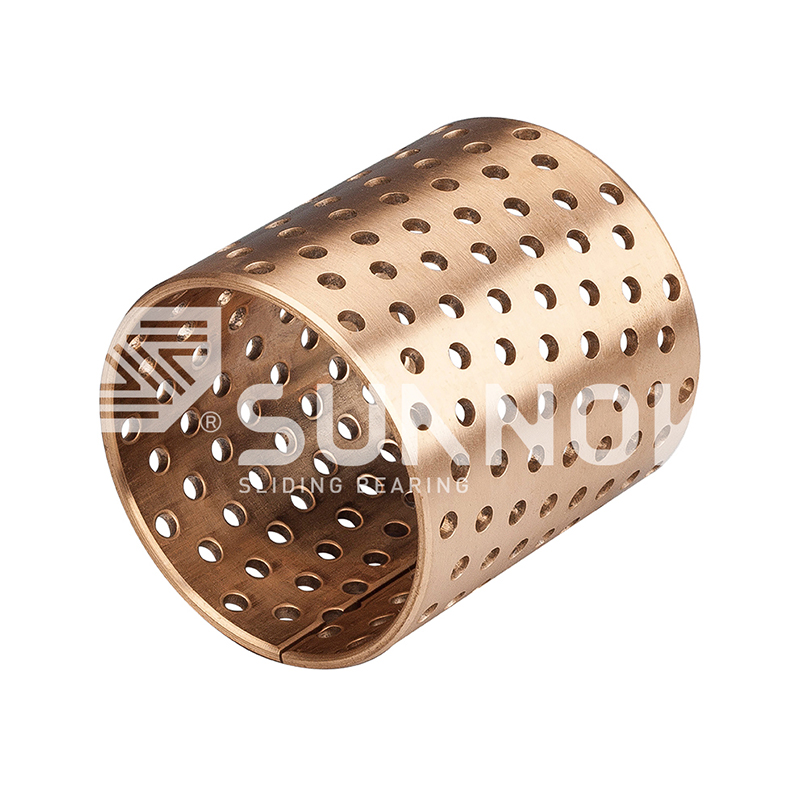 FB090 Bronze Wrapped Bearing FB092 Bronze Wrapped Bearing - Oilless Dry Sliding Bushing Self-Lubricating Bushing
-
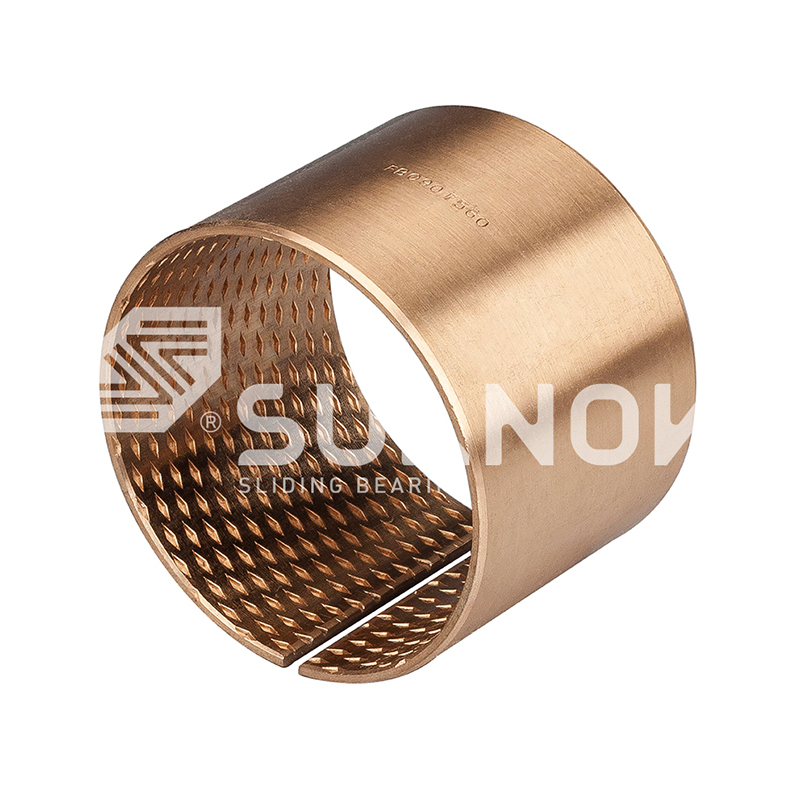 FB090 Bronze Wrapped Bearing FB090 Bronze Wrapped Bearing | Self-Lubricating Bushing & Sleeve
-
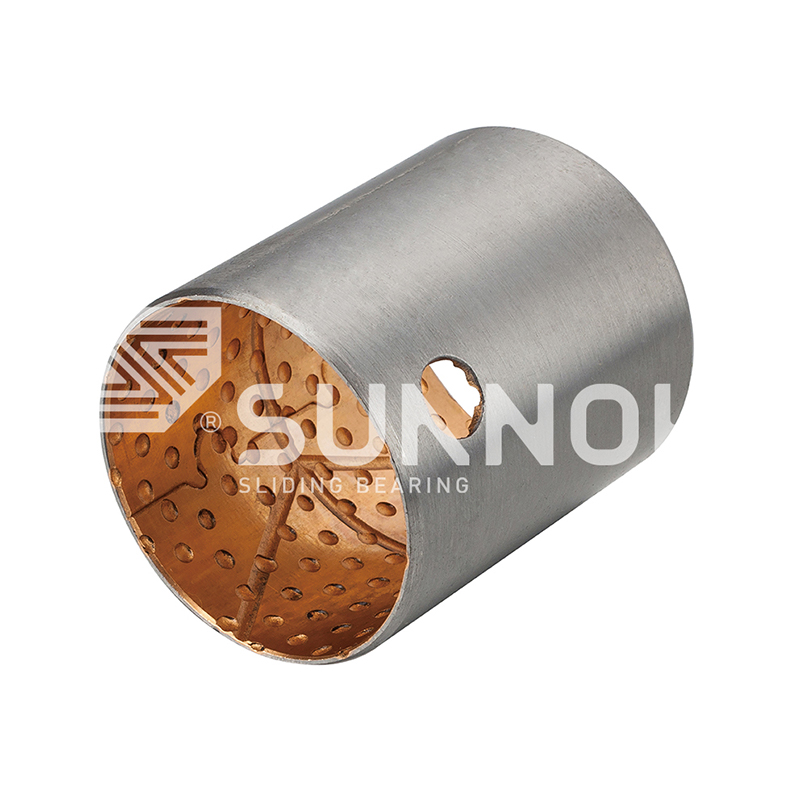 JF-800 Bi-metal Bearing JF-750 Self-Lubricating Lead Free Bi-Metal Bearing for Heavy Duty Engines Low Friction
-
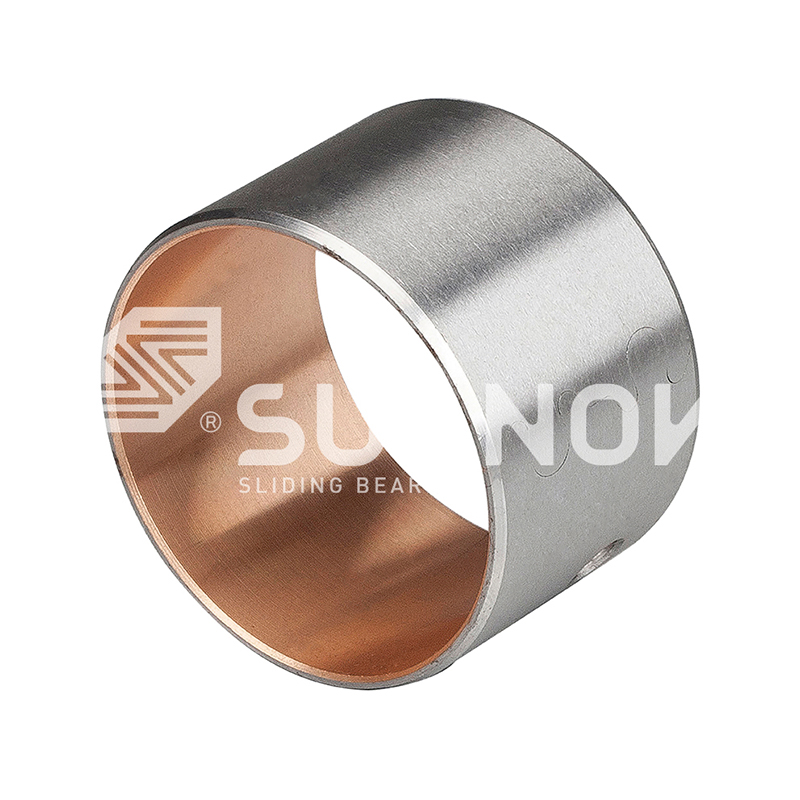 JF-800 Bi-metal Bearing JF-700 Bi-Metal Bearing Heavy Duty Self-Lubricating Sleeve Bushings
-
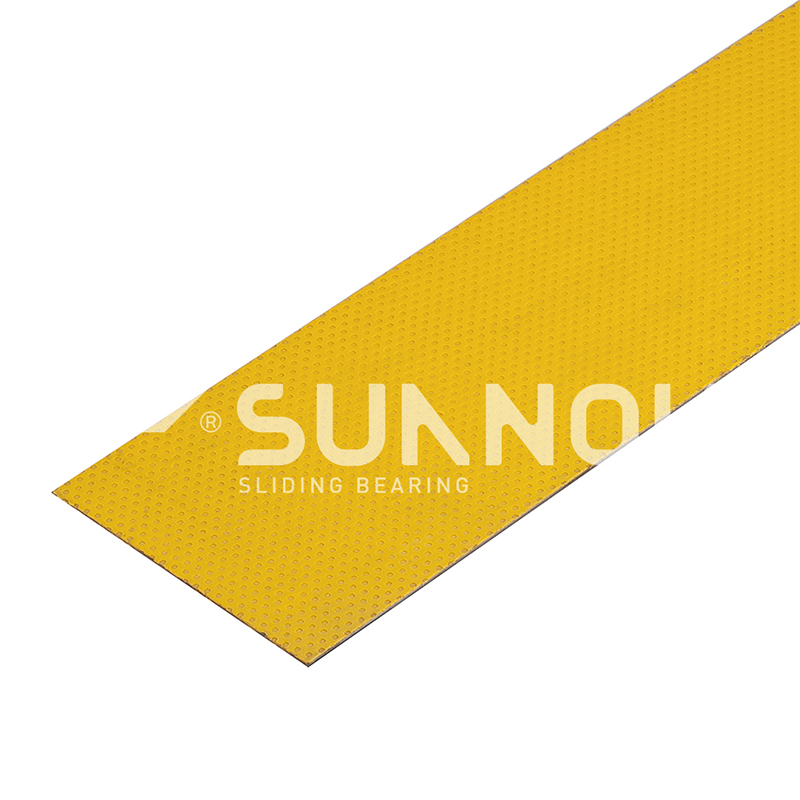 SF-2 Boundary Lubricating Bearing SF-2SP Standard Metric Size Self Lubricating Wear Strip With PTFE
-
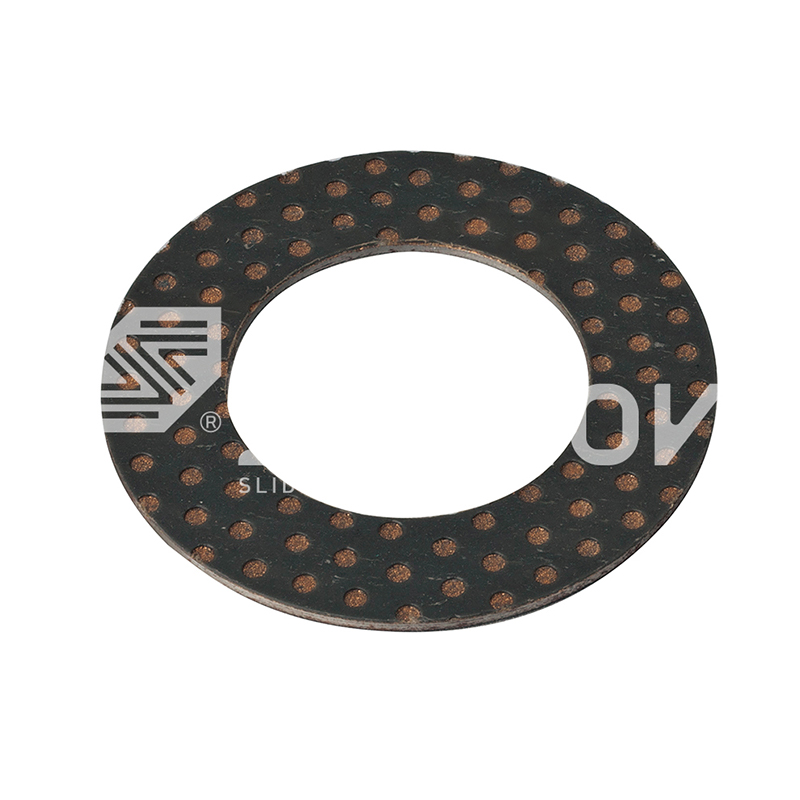 SF-2 Boundary Lubricating Bearing SF-2WC Standard Metric Self-Lubricating Compound Thrust Washer Sliding Washers
How Self-Lubricating Bearings Are Manufactured
Industry News-Content
- 1 Raw Materials Used in Self-Lubricating Bearing Manufacturing
- 2 Step-by-Step Manufacturing Process of Self-Lubricating Bearings
- 3 How Manufacturing Processes Improve Self-Lubricating Bearing Performance
- 4 Applications of Manufactured Self-Lubricating Bearings
- 5 Factors Affecting Self-Lubricating Bearing Manufacturing Quality
- 6 Future Trends in Self-Lubricating Bearing Manufacturing
- 7 Frequently Asked Questions
Self-lubricating bearings are widely used across industrial machinery, automation equipment, and automotive systems where low maintenance and reliable operation matter most. Unlike bearings that depend on external grease or oil, self-lubricating bearings are manufactured with specialized materials and structures that provide continuous lubrication throughout operation. This guide walks through the materials, production steps, and quality checks that determine how well they perform.
Metal-Based Polymer-Based Composite Layered
01
Raw Materials Used in Self-Lubricating Bearing Manufacturing
Metal-Based Materials
Bronze, sintered metals, and steel-based alloys offer high mechanical strength and good wear resistance for industrial machinery, hydraulic equipment, and construction equipment.
Polymer-Based Materials
PTFE composites and reinforced engineering plastics provide a low friction coefficient, lightweight design, and chemical resistance for automation and food processing systems.
Composite Materials
A metal backing layer, porous intermediate layer, and self-lubricating surface layer combine to balance strength, lubrication performance, and service life.
02
Step-by-Step Manufacturing Process of Self-Lubricating Bearings
1
Material Preparation and Mixing
Base materials, solid lubricants, reinforcing additives, and wear-resistant components are combined according to required bearing performance.
2
Forming and Shaping
Powder metallurgy, injection molding, or rolling and press forming shape the bearing depending on its material and structure.
3
Lubricating Material Integration
Solid lubricants are embedded into the surface, or porous metal structures are impregnated with oil for gradual release during operation.
4
Machining and Surface Finishing
Turning, grinding, and polishing achieve required dimensions, surface smoothness, and assembly compatibility.
5
Heat Treatment
Additional treatment enhances hardness, mechanical strength, and structural stability, particularly for metal-based, heavy-load bearings.
6
Quality Inspection and Testing
Dimensional, friction, load, and environmental testing confirm the bearing meets its intended performance specification.
Embedded Solid Lubricants
Graphite, PTFE, or molybdenum disulfide are worked directly into the bearing surface for continuous, built-in lubrication.
Oil Impregnation
Porous metal structures absorb lubricating oil, releasing it gradually during operation without frequent maintenance.
Relative Wear Resistance by Material Type
Layered composite structures generally outperform single-material bearings on wear resistance.
03
How Manufacturing Processes Improve Self-Lubricating Bearing Performance
Improved Lubrication Stability
Precise integration of lubricating materials ensures stable friction reduction and consistent lubrication performance across the bearing's service life.
Enhanced Wear Resistance
Advanced manufacturing improves surface strength, material bonding, and structural stability, letting bearings operate longer under repeated movement.
Better Dimensional Accuracy
Accurate manufacturing ensures proper fitting, reduced vibration, and smooth mechanical operation once installed.
Longer Service Life
High-quality manufacturing reduces friction damage, surface wear, and lubrication failure, extending maintenance intervals and lowering operating costs.
Bronze vs PTFE: Performance Profile
Bronze (green) leads on load capacity and wear life; PTFE (grey) leads on low friction and chemical resistance.
04
Applications of Manufactured Self-Lubricating Bearings
| Application | Key Requirements |
| Industrial Machinery | Production equipment and automation machinery needing low maintenance and wear resistance |
| Automotive Systems | Suspension, steering, and mechanical joints requiring low friction and vibration resistance |
| Food Processing Equipment | Conveyor and packaging machinery needing clean operation and reduced lubricant contamination |
| Aerospace and Precision Equipment | Precision mechanisms requiring lightweight design and stable, reliable performance |
The lubrication method matters as much as the base material. A bronze bearing with poor oil impregnation can underperform a well-engineered polymer bearing in the same application.
05
Factors Affecting Self-Lubricating Bearing Manufacturing Quality
Material Selection
The quality of raw materials determines mechanical properties, lubrication performance, and overall service life.
Manufacturing Precision
Accurate production controls improve product consistency, assembly accuracy, and operating stability.
Quality Control System
Strict inspection throughout production supports reliable performance, fewer defects, and stable product quality.
06
Future Trends in Self-Lubricating Bearing Manufacturing
Development continues toward advanced composite materials with lower friction, higher strength, and better temperature resistance. Automated production lines and digital quality monitoring are expanding across the sector, alongside a growing focus on longer service life, reduced material waste, and environmentally friendly materials.
07
Frequently Asked Questions
How do self-lubricating bearings work without added grease?
They rely on embedded solid lubricants or oil impregnated into a porous structure, which is released gradually during operation.
Which material is best for heavy-load applications?
Metal-based materials such as bronze and sintered metals generally offer the higher load capacity needed for heavy-duty applications.
Are self-lubricating bearings suitable for food processing equipment?
Polymer-based bearings are commonly used in food processing machinery for their corrosion resistance and reduced risk of lubricant contamination.
What testing confirms bearing quality before delivery?
Dimensional inspection, friction performance testing, load testing, and environmental testing are common checks before bearings are shipped.
Recommended NEWS:
How Self-Lubricating Copper Alloy Bearings Improve Performance and Durability
Self-Lubricating Copper Alloy Bearings: Advantages and Applications in Modern Machinery
Self-Lubricating Copper Alloy Bearings: A Comparative Analysis with JDB-600 Casting Bronze and Oil-Retaining Bimetallic Bearings
How to Optimize the Performance of Solid-Lubricating Bronze Bearings
Self-Lubricating Copper Alloy Bearings: The Future of Solid-Lubricating Bearings and JDB-600 Casting Bronze Bearings
A Detailed Explanation of the Friction and Wear Resistance of Self-Lubricating Bronze Bearings
Recommended LINS:
Contact Us //
Have Questions? Get in Touch!

Zhejiang Shuangnuo Bearing Technology Co., Ltd. specializes in the production of various self-lubricating copper alloy bushing bearings products
Quick Links
Related Products
Contact
- Add: No. 69, Tingyao East Road, Ganyao Town Industrial Zone, Jiashan County, Zhejiang Province, China
- Tel: +86-15957371801
- Fax: +86-0573-84038630
- Email: [email protected]
[email protected]
© 2024 Zhejiang Shuangnuo Bearing Technology Co., Ltd.
Custom Self-Lubricating Copper Alloy Bearings
