


 русский
 Español
-
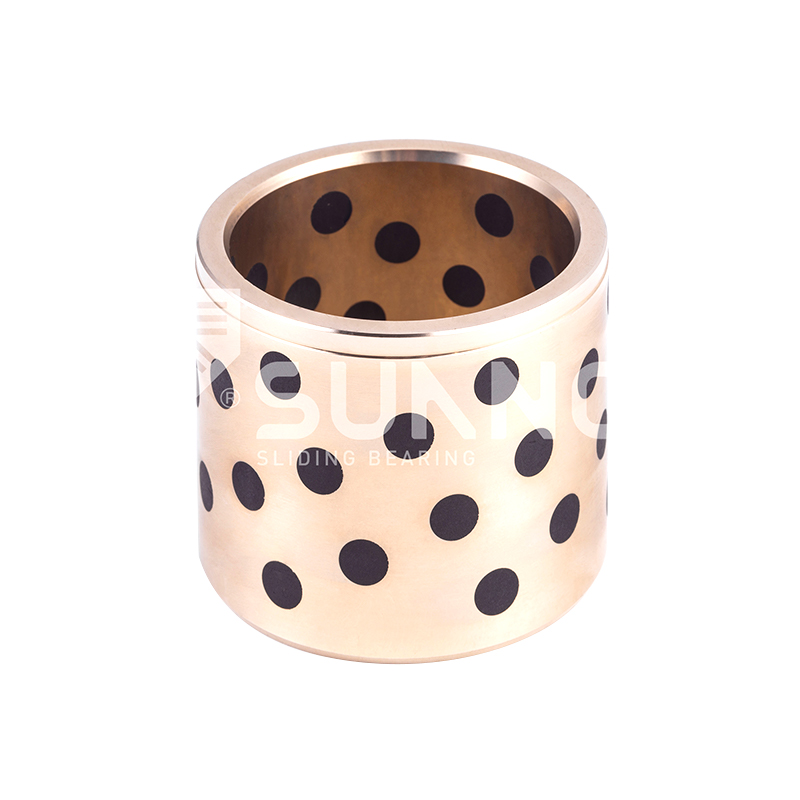 JDB Solid-lubricating Bearing JDB650 Self-Lubricating Brass Bushing Oilless Bearings
-
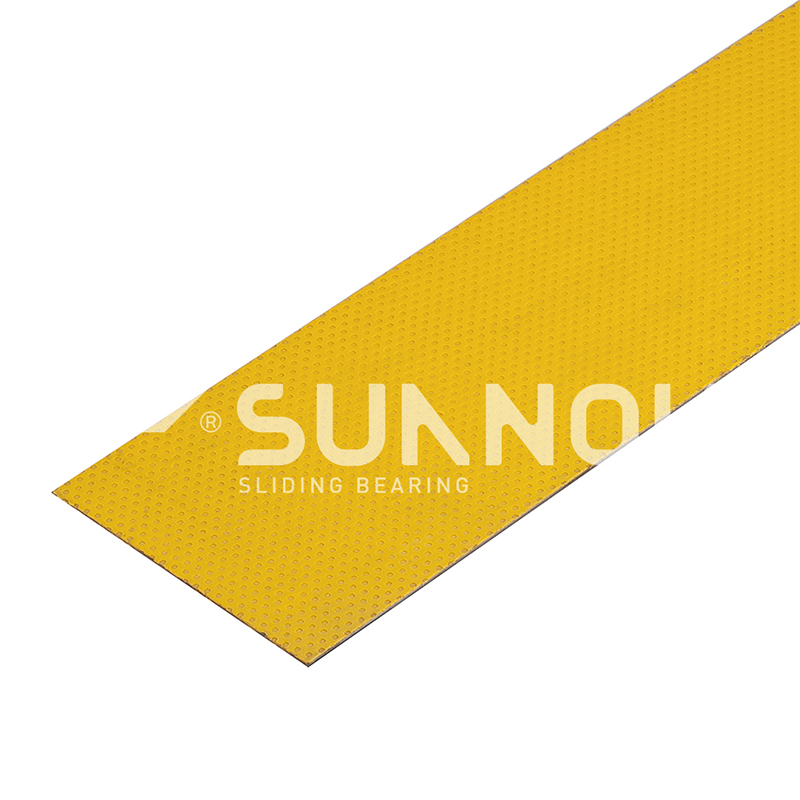 SF-2 Boundary Lubricating Bearing SF-2SP Standard Metric Size Self Lubricating Wear Strip With PTFE
-
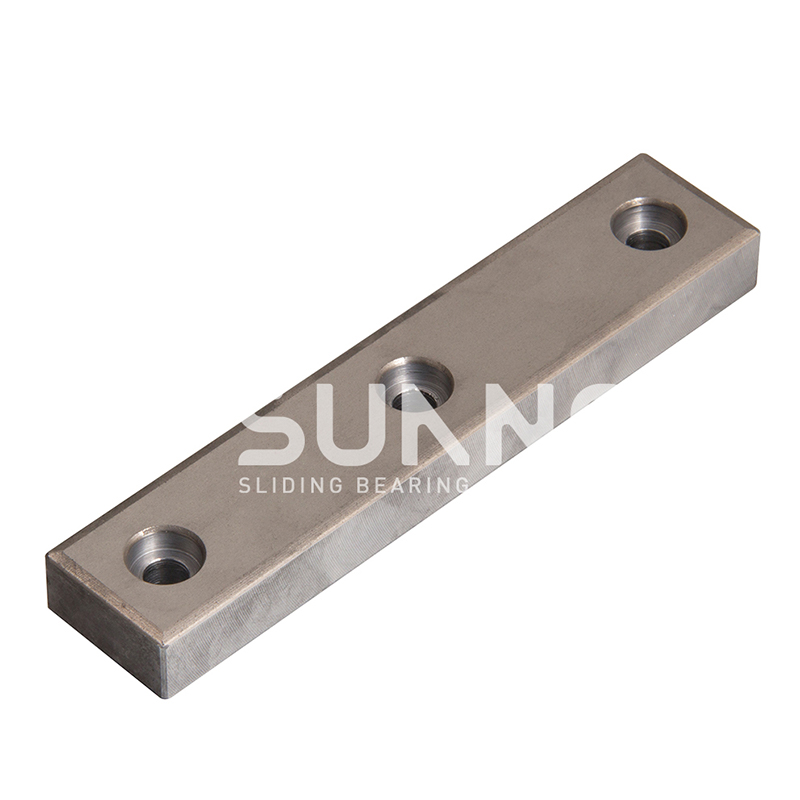 Oil-retaining Bimetallic Bearing Self-Lubricating 200# P20 Steel Graphite Insert Wear Plate / Steel Oilless Wear Strip
-
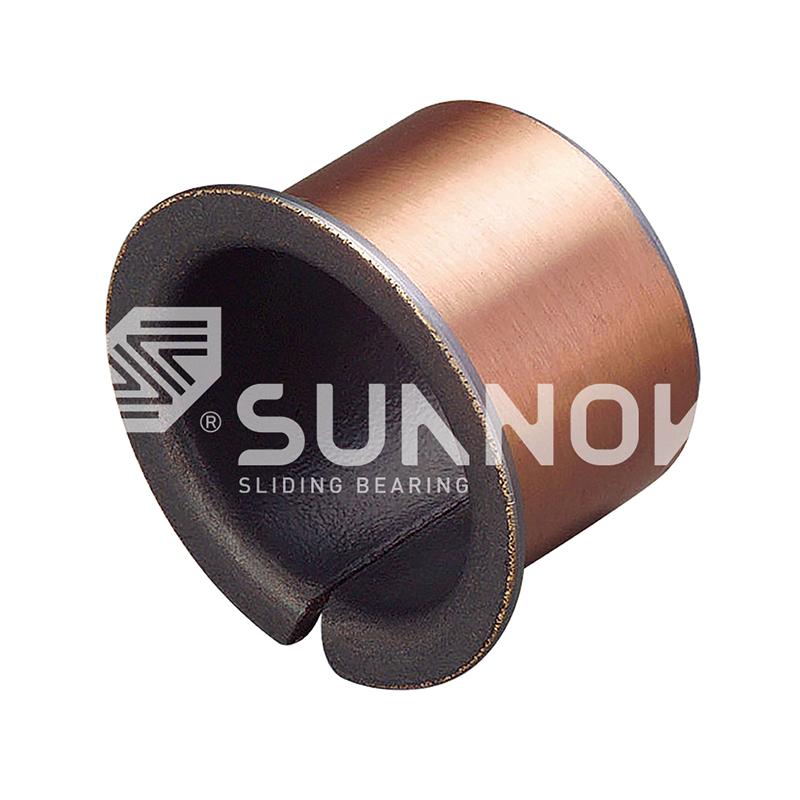
-
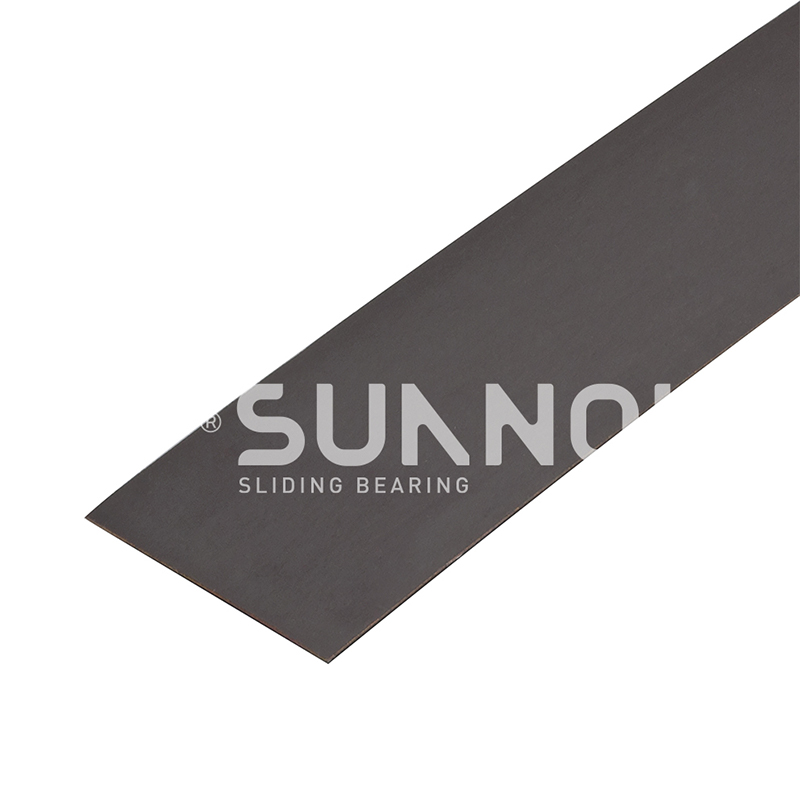 SF-1 Oilless Bearing SF-1SP Strip Standard Metric Size Self-Lubricating Composite Slide Strip
-
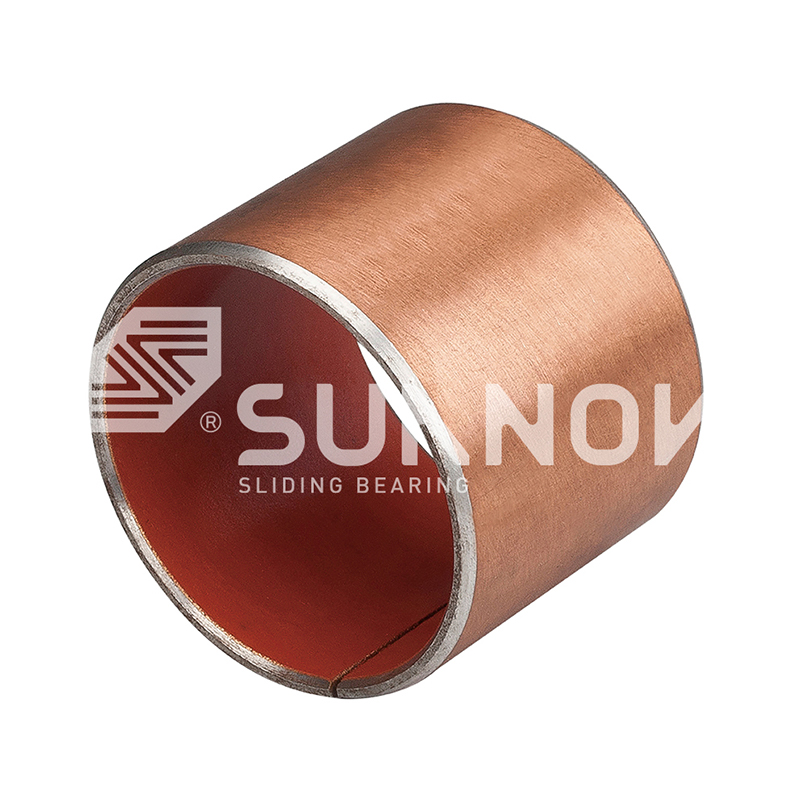
 SF-2 Boundary Lubricating Bearing SF-2Y Boundary Self-lubricating Bearing - Low Friction Dry Lubricant Bushings for Industrial Machinery
-
-
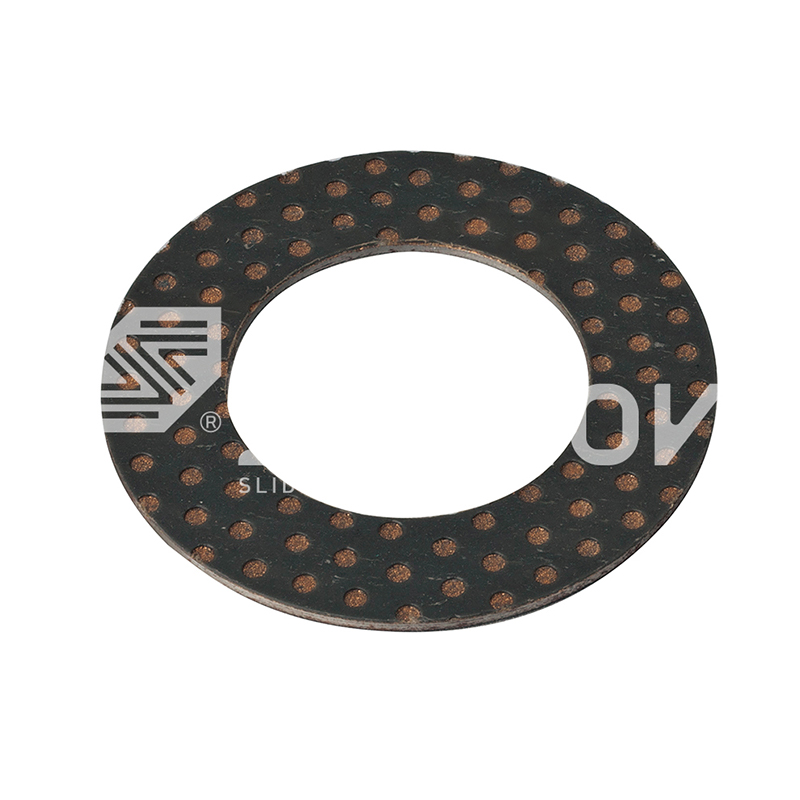 SF-2 Boundary Lubricating Bearing SF-2WC Standard Metric Self-Lubricating Compound Thrust Washer Sliding Washers
How to Select Self-Lubricating Bearings for Mold and Injection Molding Machinery
Industry News-Content
An injection mold cycling at 25 shots per minute moves its ejector pins through their guide bushings more than a thousand times an hour. On a 550-ton press, those bushings carry local surface pressures between 15 and 30 MPa, run at mold temperatures from 60 to 120°C, and never receive grease after assembly. Selecting self-lubricating bearings for mold and injection molding machinery begins with accepting that the bushing must supply its own lubrication for the life of the tool.
A self-lubricating bearing is a sliding bearing with solid lubricant, usually graphite, PTFE, or a metallic sulfide, embedded in a copper-alloy or steel-backed matrix, and engineered to run with no external oil or grease for its full service life.
The selection process is a five-gate checklist: load and PV value, temperature, shaft and tolerance standards, motion type, and mounting practicality. Most mold failures trace back to a skipped parameter, usually load.
Match Load and PV Value First
The first selection gate is load capacity and PV value, because a guide bushing that cannot survive the local surface pressure will fail no matter how well the rest of the mold is engineered.
PV rating is pressure in MPa multiplied by sliding velocity in meters per second. Mold guide positions run slowly, usually 0.05 to 0.3 m/s, so pressure dominates the calculation. Local surface pressure on ejector pins in high-packed parts can reach 20 to 50 MPa, far beyond the limit of a simple polymer bushing. A cast copper alloy with graphite plugs handles this combination because the bronze matrix carries the load while the graphite delivers continuous lubrication.
Compare the typical static load limits of the four main bearing families used in molds:
Typical static load capacity by series
JDB cast bronze
250 MPa
JF bimetallic
200 MPa
SF1 PTFE bronze
140 MPa
FB090 wrapped
120 MPa
Values are typical static load capacities for standard grades; verify against the material test report for your selected alloy.
Cast bronze is the default for ejector and guide positions. The transfer-film mechanism of JDB solid-lubricating bearings explains why this family performs so well in slow, high-pressure mold applications.
250 MPastatic load capacity, JDB cast bronze
2.5 MPa m/sPV limit for dry running
300°Cmaximum service temperature
Confirm Temperature and Chemical Exposure
The second gate is temperature, because the solid lubricant and the bearing matrix each have defined thermal limits that decide which series is safe to specify.
Resin choice sets the mold temperature:
- Commodity resins: mold temperatures of 40 to 80°C.
- Engineering plastics: mold temperatures of 80 to 120°C.
- Hot-runner and valve-gate areas: bearing seats at 150 to 200°C.
A PTFE-based SF1 bearing stays within its rating up to roughly 250°C continuous, while graphite-embedded bronze grades keep their lubricating film at 300°C or higher.
Above 200°C, graphite-embedded bronze outlasts PTFE-based bearings, because graphite does not oxidize appreciably below 450°C, while PTFE begins to lose load support near 260°C.
Chemical exposure matters too. In molding cells where operators wipe guide pillars with solvent, or where wash-down is part of the schedule, order stainless-steel or sealed variants so cleaning agents cannot flush the solid lubricant from open edges.
Verify Shaft Hardness, Finish, and Tolerance Standards
The third gate is the tribological pairing, because the bearing is only as good as the shaft that runs against it, and the dimensional class must match the mold standard used on the shop floor.
Shaft hardness for ejector pins and guide pillars should be 45 to 55 HRC. Below 40 HRC, hard graphite particles embedded in the bronze act like a file on a soft shaft. Surface finish should be Ra 0.4 to 0.8 micron. Rougher finishes scrape the transfer film off; mirror finishes give the film nothing to bond to. Chromium-plated or nitrided ejector pins are the standard pairing for JDB guide bearings in automotive molds.
For automotive tooling, order the guide bearing to the same form-fit function as the NAAMS standard.
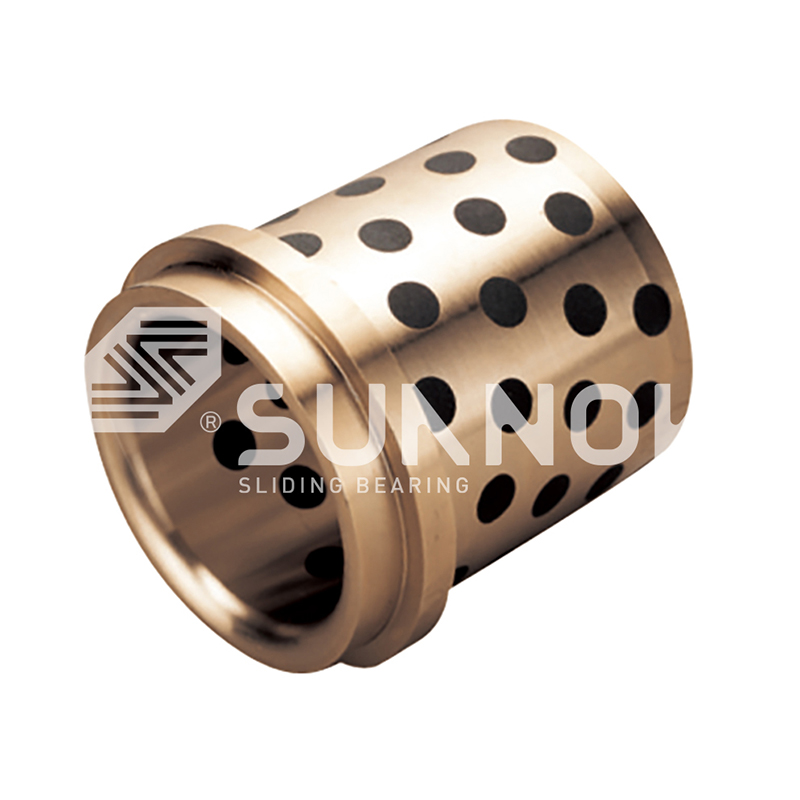 Dual Flange Graphite-Plugged Bronze Bushing with NAAMS Form-FitThis dual-flange bronze bushing matches NAAMS tooling standards and provides bidirectional axial location without extra hardware. Its graphite plugs enable maintenance-free operation under heavy loads, making it a direct replacement for automotive die guides.View Product →
For European machines, use the DIN 9834 profile, and metric flanged versions (JFB650, JFBB) cover through-hole mounting.
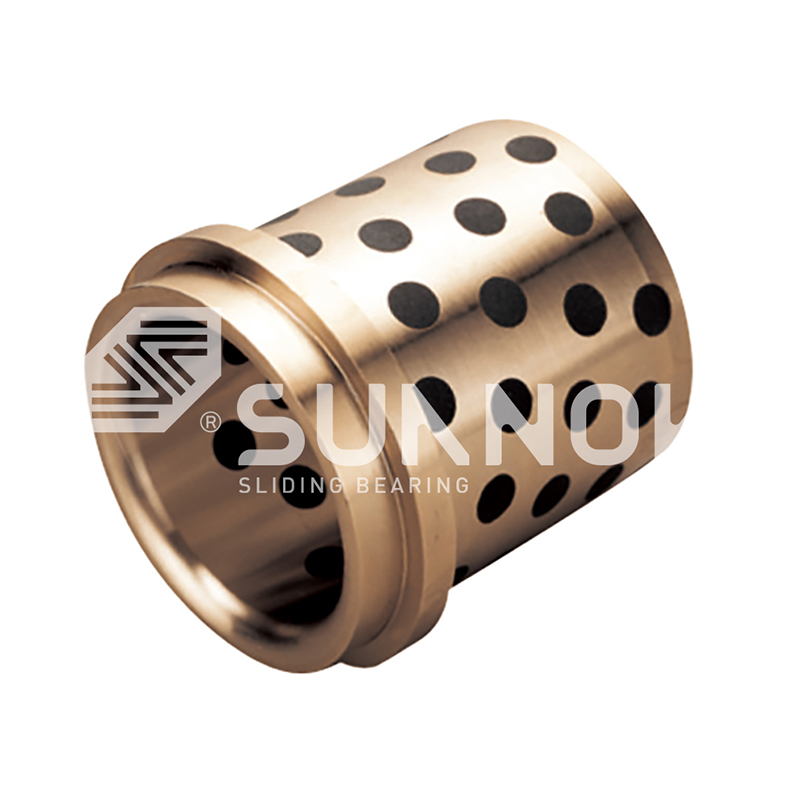 Maintenance-Free Brass Collar Bushing per DIN 9834 with Graphite InsertsThis DIN 9834 collar bushing offers positive axial location for European press tooling. The brass body with graphite inserts runs without external lubrication, and the collar simplifies installation—just verify H7 housing fit and press force limits.View Product →
| Position | Shaft hardness | Surface finish | Preferred series |
| Ejector guide pin | 50 to 55 HRC | Ra 0.4 micron | JEGB / JOSG |
| Guide pillar | 45 to 50 HRC | Ra 0.6 micron | GB61 / DIN 9834 |
| Slide wear plate | 45 HRC minimum | Ra 0.8 micron | JESW / JPBW |
| Hydraulic ejector rod | 55 to 60 HRC | Ra 0.4 micron | SF1D |
Verify the bearing inside diameter tolerance against the actual pin diameter before machining the housing. A 0.02 mm interference error shows up as a seized ejector within the first 100 cycles.
When you order from Zhejiang Shuangnuo Bearing Technology Co., Ltd., the material test report confirms the alloy grade and mechanical properties for every batch.
Match the Series to the Motion Profile
The fourth gate is motion type, because ejector strokes, guide pillars, slide rails, and hydraulic ejectors impose very different combinations of pressure and velocity.
Ejector mechanisms are the highest-load, lowest-speed positions in a mold. JEGB and JEGBK ejector guide bearings use cast bronze with graphite plugs, machined to fit the ejector plate assembly.
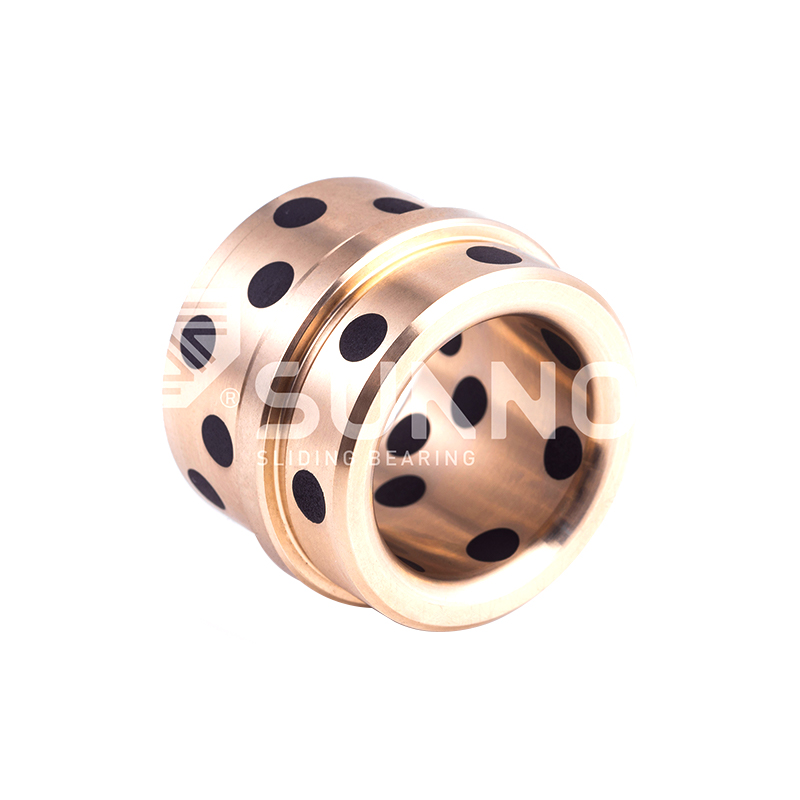 Center-Flange Bronze Bushing with Solid Graphite for Mould and AutomationDesigned for ejector mechanisms and automation, this center-flange bushing provides a single-point axial reference while graphite inserts handle high static loads and low-speed sliding. It suits positions where surface pressure exceeds 20 MPa without oil.View Product →
Cast bronze with graphite plugs (JDB)
Choose for ejector pins, guide pillars, and wear plates running below 0.3 m/s with surface pressure above 20 MPa. High static load, high temperature tolerance, low friction once the graphite transfer film forms.
PTFE-bronze on steel (SF1)
Choose for faster, lighter positions such as hydraulic ejector rods, gear pump shafts, and slides running above 0.3 m/s. Lower friction and quieter running, but check the 250°C continuous temperature limit.
Rule of thumb: below 0.3 m/s with pressure above 20 MPa is JDB territory; above 0.3 m/s with light loads is SF1 territory; heavy oscillating hydraulic forces call for the JF bimetallic steel-backed series.
Confirm Machining, Mounting, and Maintenance Details
The fifth gate is practical: confirm that the bushing can be machined to the housing, installed without edge damage, and inspected during scheduled mold maintenance.
Cast bronze grades machine well, which means you can finish the bore to the exact housing tolerance after the housing itself is welded or repaired. This workflow produces a repeatable selection decision for any mold or molding machine:
- Define the duty cycle: strokes per minute, stroke length, and operating hours per year.
- Calculate the maximum surface pressure and sliding velocity on the bearing seat.
- Record the hottest sustained temperature at the bearing location, not the mold surface temperature.
- Specify shaft hardness, surface finish, and tolerance standard: metric, NAAMS, or DIN.
- Select the bearing series and geometry: cylindrical, flanged, thrust washer, or wear plate.
- Confirm machining allowances and request material test reports before production.
These bearings are maintenance-free by design, but the mating shaft is not. Inspect the shaft for scoring or rust at every scheduled maintenance window, wipe abrasive dust away, and replace the bushing when running clearance reaches the original wear limit. Relubricating an embedded-graphite bearing with grease is usually a mistake, because grease attracts mold dust, changes the friction regime, and prevents the graphite transfer film from forming. Third-party test reports covering material composition and mechanical properties are available on request.
Frequently Asked Questions
Which self-lubricating bearing is best for ejector guide pins?
JDB cast bronze ejector guide bearings such as JEGB, JEGBK, and JOSG are the standard choice, because ejector pins are slow, high-pressure, and hot. The graphite plugs deliver a continuous transfer film while the bronze matrix carries the load.
What shaft hardness does a self-lubricating bearing require?
Specify 45 to 55 HRC with a surface finish of Ra 0.4 to 0.8 micron. Softer shafts are cut by the hard graphite particles, and rough surfaces prevent the transfer film from bonding.
Can these bearings run completely dry?
Yes. The embedded solid lubricant is the lubrication system. The bearing forms a transfer film on the shaft during the first hours of running, and dry operation is normal afterward. Do not add grease unless the supplier specifies a hybrid-lubricated version.
How long does a self-lubricating guide bearing last?
At 20 MPa and 0.1 m/s, a JDB guide bushing typically exceeds 10,000 operating hours before clearance grows out of tolerance. Keep pressure times velocity below 2.5 MPa m/s and monitor shaft clearance at scheduled maintenance.
For a complete view of the JDB, SF1, JF, and FB090 families, compare the self-lubricating bearing catalog.
Recommended NEWS:
Self-Lubricating Bronze Bushings: Benefits, Cost Savings, and Selection Guide
Self-Lubricating Copper Alloy Bearings: The Future of Solid-Lubricating Bearings and JDB-600 Casting Bronze Bearings
Self-Lubricating Copper Alloy Bearings: A Comparative Analysis with JDB-600 Casting Bronze and Oil-Retaining Bimetallic Bearings
Understanding the Features of JDB650 Self-Lubricating Brass Bushing Oilless Bearings
SF-2 Boundary Self-Lubricating Bearing: A new choice for efficient lubrication of industrial equipment
What are the characteristics of industrial automation's demand for solid lubricant bearings?
Recommended LINS:
Contact Us //
Have Questions? Get in Touch!

Zhejiang Shuangnuo Bearing Technology Co., Ltd. specializes in the production of various self-lubricating copper alloy bushing bearings products
Quick Links
Related Products
Contact
- Add: No. 69, Tingyao East Road, Ganyao Town Industrial Zone, Jiashan County, Zhejiang Province, China
- Tel: +86-15957371801
- Fax: +86-0573-84038630
- Email: [email protected]
[email protected]
© 2024 Zhejiang Shuangnuo Bearing Technology Co., Ltd.
Custom Self-Lubricating Copper Alloy Bearings
