


 русский
 Español
-
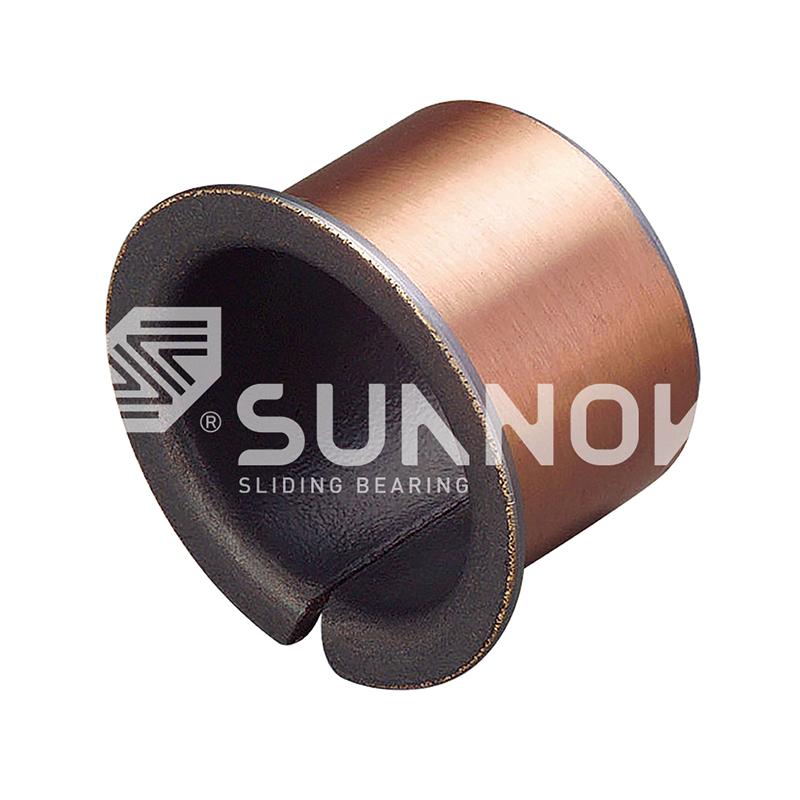
-
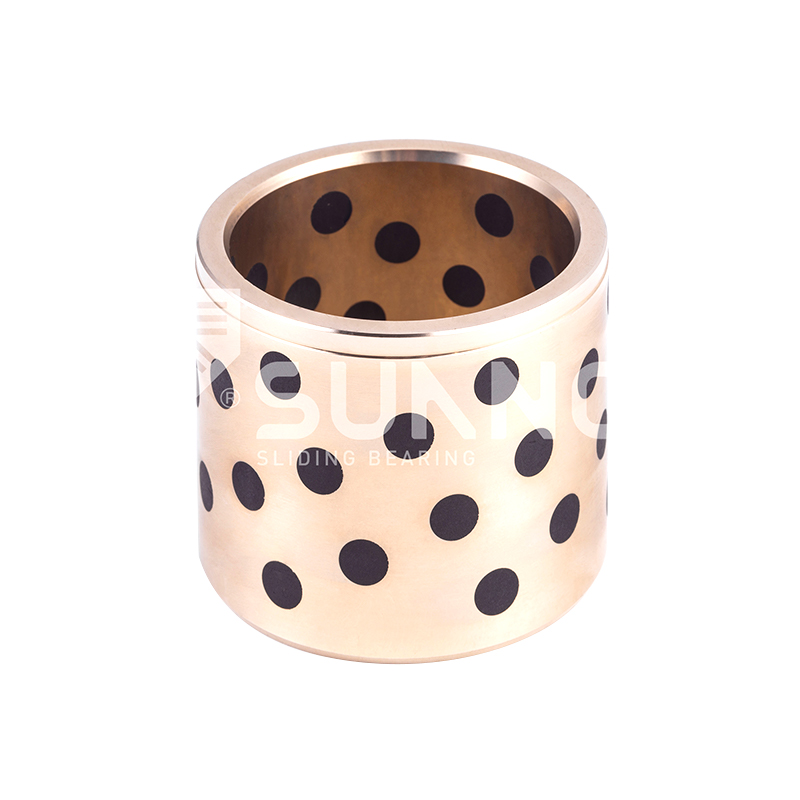 JDB Solid-lubricating Bearing JDB650 Self-Lubricating Brass Bushing Oilless Bearings
-
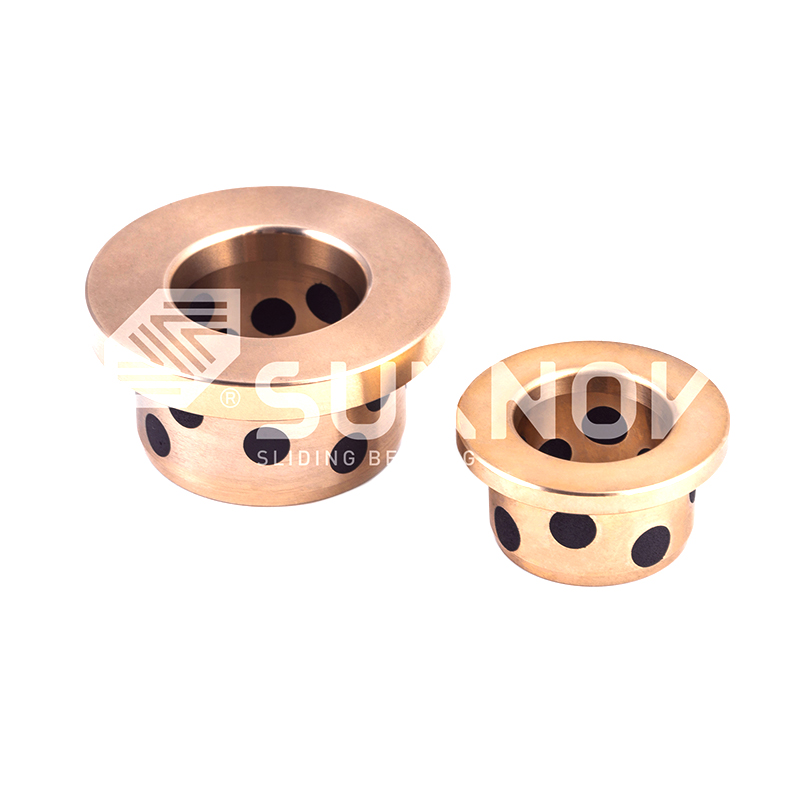 JDB Solid-lubricating Bearing Flanged Graphite Plugged Bronze Bushing, Self Lubricating Oilless Bronze Sleeve Bearing GB71 NAAMS
-
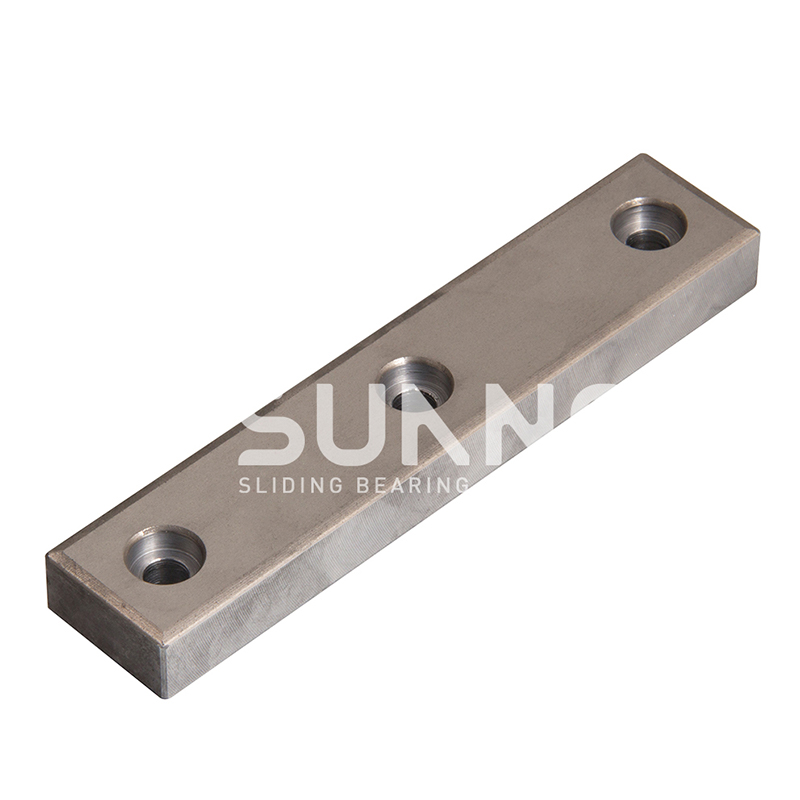 Oil-retaining Bimetallic Bearing Self-Lubricating 200# P20 Steel Graphite Insert Wear Plate / Steel Oilless Wear Strip
-
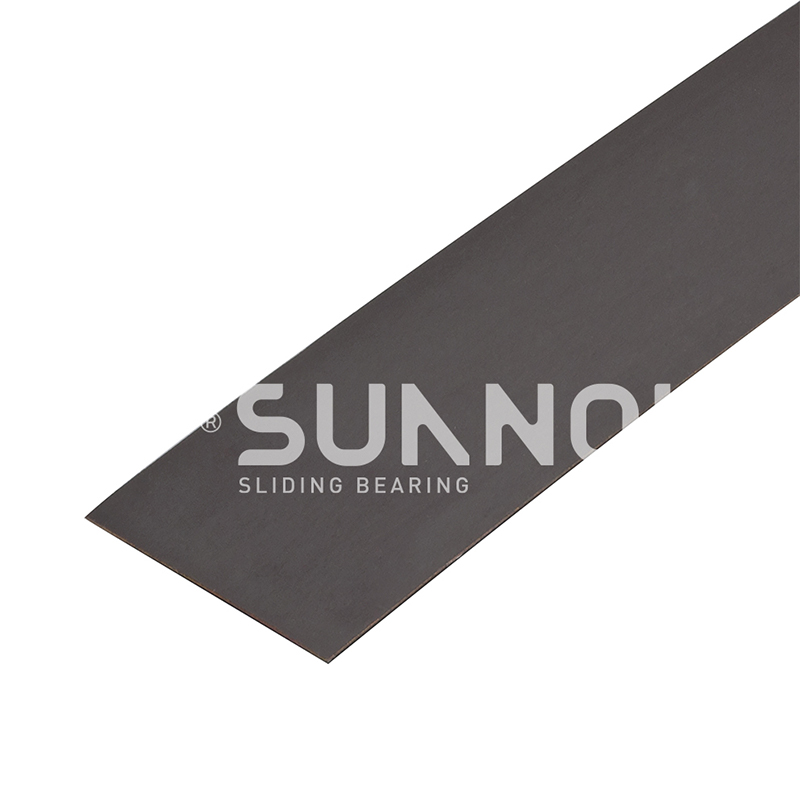 SF-1 Oilless Bearing SF-1SP Strip Standard Metric Size Self-Lubricating Composite Slide Strip
-
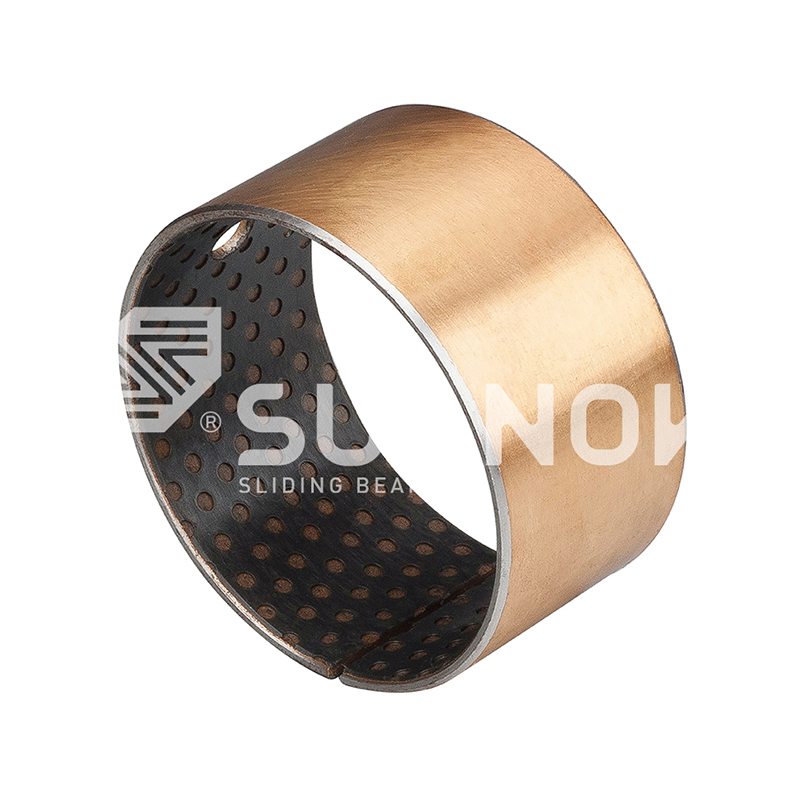 SF-2 Boundary Lubricating Bearing SF-2 Boundary Self-Lubricating Oilless Sliding Bushing Bearing, Lead-Free Boundary Bush
-
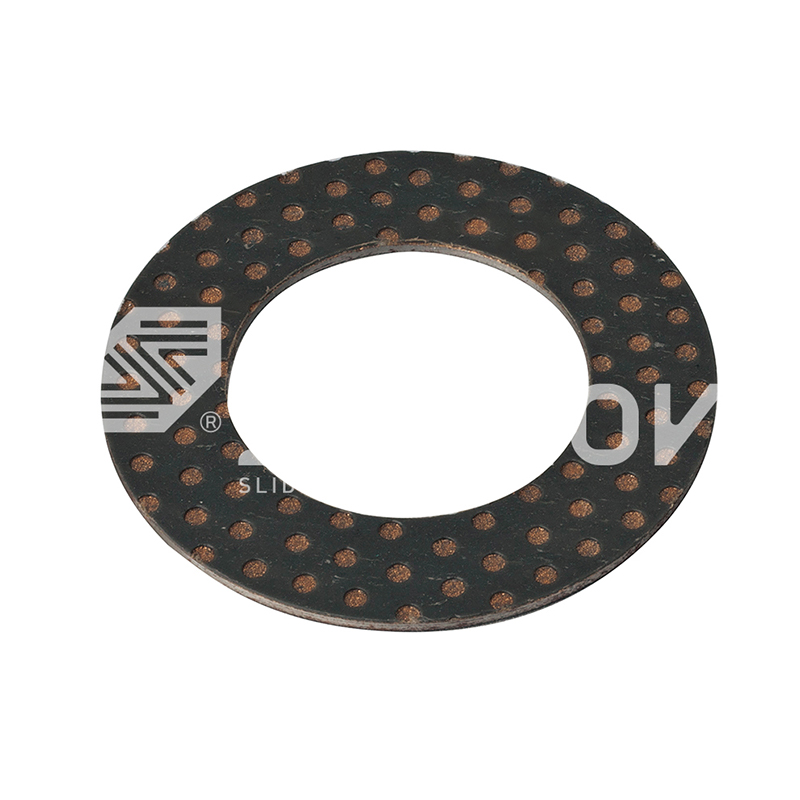 SF-2 Boundary Lubricating Bearing SF-2WC Standard Metric Self-Lubricating Compound Thrust Washer Sliding Washers
-
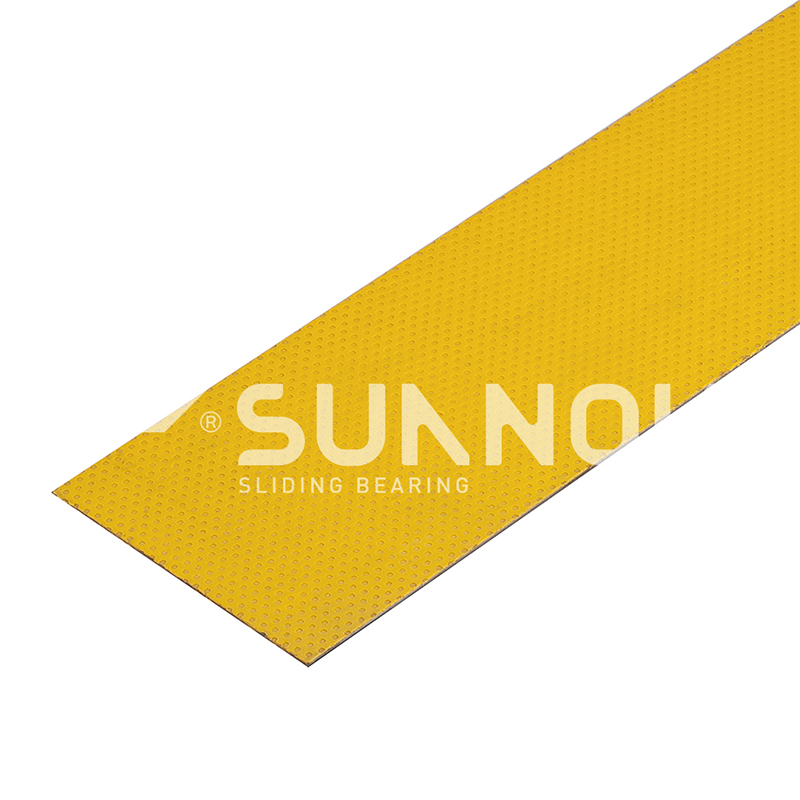 SF-2 Boundary Lubricating Bearing SF-2SP Standard Metric Size Self Lubricating Wear Strip With PTFE
Self-Lubricating Bearing Manufacturing: Key Production and Inspection Factors
Industry News-Content
- 1 Copper Alloy Casting: The First Quality Gate
- 2 The JDB Embedding Process: Solid Lubricant in a Copper Matrix
- 3 Sintered Bimetallic Bearings: Steel Backing, Bronze Function
- 4 Wrapped Bronze Bearings: Precision from Rolled Strip
- 5 Dimensional Machining and the Final Inspection Protocol
- 6 Cast, Sintered, or Wrapped: Matching the Route to the Application
- 7 Frequently Asked Questions
The inspection bench is where a self-lubricating bearing earns its rated life, but the decisions that decide that life are made much earlier. A stamping die bushing specified for 20,000 strokes that seizes at 3,000 is rarely a lubricant failure; it is a manufacturing failure - an alloy poured off-grade, a graphite plug that loosened in its pocket, or a bore finished past its tolerance. In self-lubricating bearing manufacturing, quality is locked in at the furnace, the press, and the gauge, long before the part reaches the machine.
Zhejiang Shuangnuo Bearing Technology Co., Ltd. operates copper alloy casting, sintering, CNC machining, and final inspection under one roof. That integration is not a marketing claim; it is the core of bearing quality control, because the same material gates and acceptance checks can follow every product family from melt to finished bushing.
Copper Alloy Casting: The First Quality Gate
A self-lubricating bearing's load capacity and wear resistance are fixed at the melting furnace, before any machining starts. The copper matrix - tin bronze, aluminum bronze, or brass cast to standard national grades - determines hardness, seizure resistance, and behavior under edge loading.
Shuangnuo produces its own copper alloy blanks through centrifugal casting, continuous casting, and metal mold casting. Centrifugal casting packs the microstructure for dense cylindrical blanks; continuous casting delivers uniform bar stock for long runs; metal mold casting forms near-net shapes with less scrap. Each route changes porosity and grain orientation, so the casting method is itself a performance decision.
Typical Brinell hardness of copper alloys in self-lubricating bearings (HB)
Typical mid-range values; production acceptance is based on the spectrometric test certificate for each heat.
The JDB Embedding Process: Solid Lubricant in a Copper Matrix
JDB solid self-lubricating bearings work because precisely positioned graphite or compound plugs are mechanically locked into a cast copper alloy body. Pockets are drilled after casting, then plugs are pressed in with controlled interference so they stay seated under vibration, shock, and thermal cycling.
A self-lubricating bearing is a sliding bearing in which a solid lubricant - typically graphite or a graphite-based compound - is embedded in or dispersed through the bearing wall, allowing the bearing to operate without a continuous external oil supply for extended periods.
Two parameters dominate the embedding step. Plug area ratio balances friction against load capacity: more lubricant surface lowers friction but weakens the matrix, so the pattern must respect the bearing's PV rating. Plug retention decides survival under shock loads; a plug that backs out destroys both the bushing and the mating shaft. The transfer film formed during run-in is what makes the bearing maintenance-free, as detailed in our analysis of the JDB working principle.
 JDB650 Self-Lubricating Brass Bushing with Embedded Solid LubricantThis brass bushing uses CuZn24Al6 alloy with embedded graphite plugs to form a low-friction transfer film, making it suitable for high-load, low-speed, and hard-to-lubricate applications without external oil.View Product →
Sintered Bimetallic Bearings: Steel Backing, Bronze Function
Sintered bimetallic bearings combine a steel backing for structural strength with a porous bronze layer sintered at controlled temperature and then impregnated with solid lubricant. The steel shell carries the load; the bronze layer manages friction and tolerates minor misalignment.
The 200-B series uses a steel backing, copper-based sintered powder, and dispersed solid lubricant for heavy construction equipment. The JF-800 family, including the lead-free JF750 and high-aluminum JF20, targets hydraulic pumps and gear pumps where fatigue strength and conformability are both critical.
4casting routes: centrifugal, continuous, metal mold, and sintering
3spectral inspection gates per heat
80+CNC machine tools on the production floor
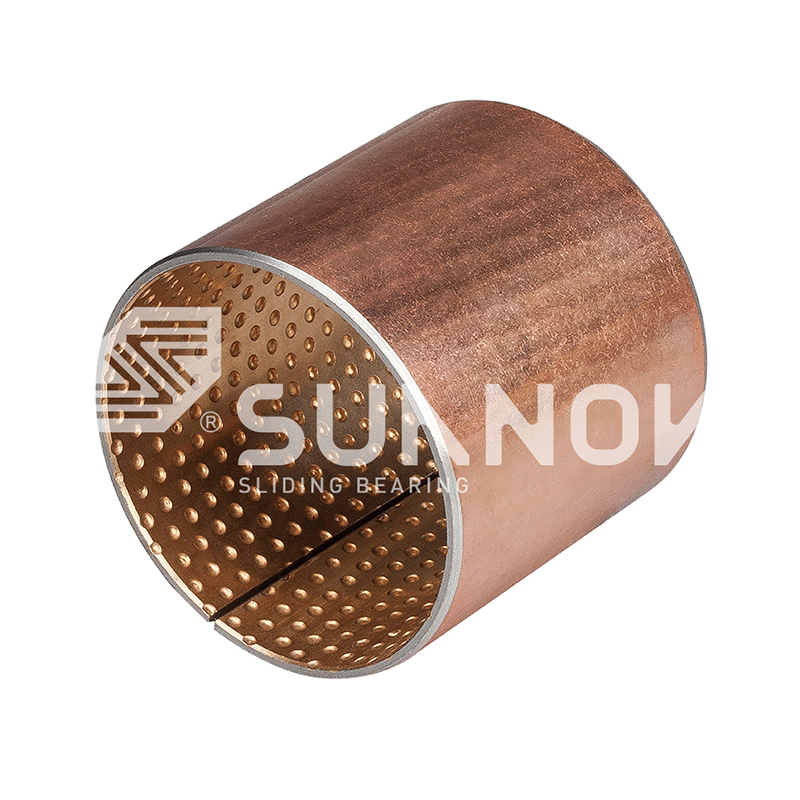 JF-800 Bi-Metal Bearing with CuPb10Sn10 Alloy for Heavy-Duty UseEngineered for heavy-duty low-speed sliding, this steel-backed bearing with a sintered copper-lead-tin layer offers excellent wear resistance and impact tolerance for demanding industrial equipment.View Product →
Wrapped Bronze Bearings: Precision from Rolled Strip
Wrapped bronze bearings are formed by rolling bronze strip into cylindrical or flanged shapes, with the lubricant layer applied before forming. Because the inner surface carries an embossed lubricant pocket pattern, the critical checks are seam alignment, edge condition, and the integrity of the wrap after forming.
The FB090 family covers standard metric bronze-wrapped bushings; the FB08G variant uses a steel-graphite construction for heavier edge loading. Seal and flange versions extend the range to rotating and reciprocating shafts.
For wrapped bronze bearings, dimensional consistency comes from the tooling and the strip, not from machining. This is why the process dominates high-volume, standardized metric bushing production.
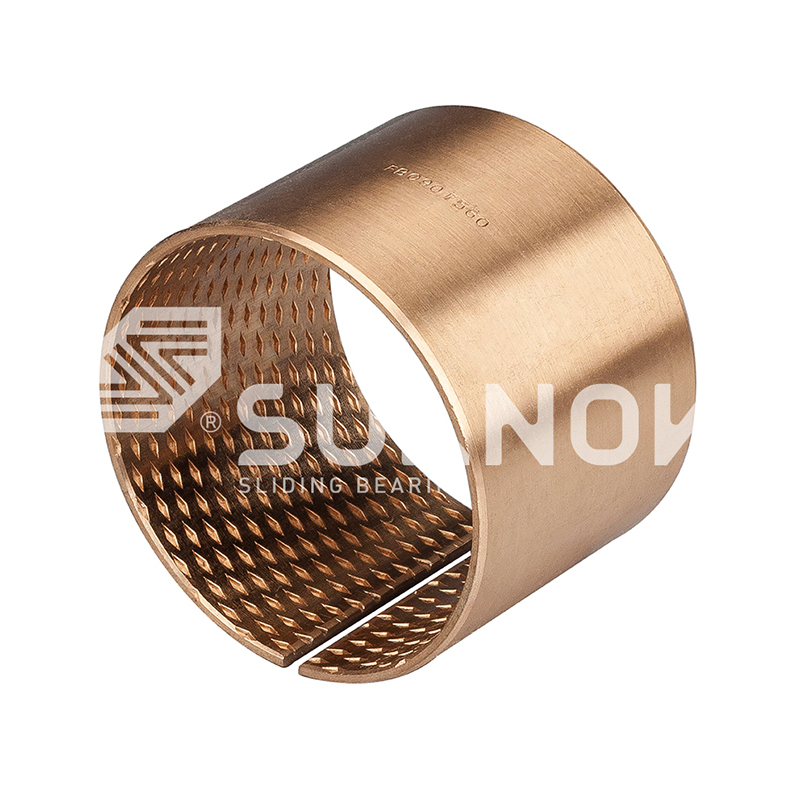 FB090 Bronze Wrapped Bearing with Diamond Lubrication PocketsFormed from CuSn8 bronze strip with diamond-shaped indentations that retain grease, this self-lubricating bushing provides long life and high load capacity for construction and automotive applications.View Product →
Dimensional Machining and the Final Inspection Protocol
The final inspection protocol decides whether a bearing reaches service rated at its design PV value or fails prematurely. The three decisive checks are dimensional tolerance, surface finish, and lubricant coverage.
Shuangnuo's 80-plus CNC lathes and machining centers hold bores, flange faces, and counterbores for standard metric sizes and custom drawings. Because the same equipment cuts directly from in-house cast blanks, dimensional verification stays consistent from prototype to production batch.
| Inspection point | Method | Criterion |
| Alloy composition | Spectrometer, three gates | Grade limits per standard |
| Casting soundness | Visual and ultrasonic check | No porosity or shrinkage |
| Lubricant embedding | Plug coverage, retention test | Area ratio and seating depth |
| Sintered layer bond | Shear and peel sampling | Layer adhesion strength |
| Dimensions | Gauges, CMM | ID, OD, flange per drawing |
| Surface finish | Profilometer | Ra within specification |
- Raw material selection and heat calculation
- Melting with furnace charge spectrometer check
- Casting by centrifugal, continuous, or metal mold route
- Rough and finish machining on CNC equipment
- Solid lubricant embedding or sintered layer finishing
- Final dimensional and material acceptance
Cast, Sintered, or Wrapped: Matching the Route to the Application
No single manufacturing route dominates every application. Cast JDB-style bearings carry heavy shock loads, sintered bimetallic parts suit high-volume hydraulic and reciprocating systems, and wrapped bronze bushings deliver economical precision in standardized metric sizes.
Cast and embedded (JDB)
Solid lubricant plugs in a cast copper matrix.
High shock and edge-load tolerance.
Typical use: stamping dies, molds, heavy machinery.
Sintered bimetallic (JF-800, 200-B)
Steel backing with sintered bronze layer.
High fatigue strength and lubricant retention.
Typical use: hydraulic pumps, gear pumps.
Wrapped bronze (FB090)
Rolled strip with applied lubricant layer.
Consistent IDs in high-volume metric sizes.
Typical use: standard bushings, guide applications.
All three routes share one requirement: a supplier that controls its own material and machining can offer the same traceability for a catalog part and a custom drawing, and can back it with an authoritative third-party test report.
Frequently Asked Questions
What is the most critical inspection in self-lubricating bearing manufacturing?
Material composition verification by spectrometer is the most critical, because an alloy deviation cannot be corrected later. The three-gate check - furnace charge, molten metal before pouring, and finished casting - protects every subsequent process step.
How does the casting method affect bearing performance?
Casting method controls microstructure density and porosity. Centrifugal casting produces dense cylindrical blanks for heavy-duty bushings, continuous casting gives uniform bar stock, and metal mold casting produces near-net shapes with less material waste.
How are solid lubricant plugs held in place?
Pockets are machined to a controlled diameter and depth after casting, and graphite or compound plugs are pressed in with interference. Retention is verified by seating depth checks and shear testing on representative parts.
Can a customer request custom dimensions and test reports?
Yes. Manufacturers with in-house casting and CNC machining can produce non-standard sizes from customer drawings and provide authoritative third-party test reports covering material composition and mechanical properties.
Recommended NEWS:
Self-Lubricating Copper Alloy Bearings: The Future of Solid-Lubricating Bearings and JDB-600 Casting Bronze Bearings
Self-Lubricating Copper Alloy Bearings: A Comparative Analysis with JDB-600 Casting Bronze and Oil-Retaining Bimetallic Bearings
Self-Lubricating Bronze Bushings: Benefits, Cost Savings, and Selection Guide
Understanding the Features of JDB650 Self-Lubricating Brass Bushing Oilless Bearings
Understanding SF-1 Oilless Bearings: Key Features and Applications
SF-2 Boundary Self-Lubricating Bearing: High-Performance Lubrication Solution
Recommended LINS:
Contact Us //
Have Questions? Get in Touch!

Zhejiang Shuangnuo Bearing Technology Co., Ltd. specializes in the production of various self-lubricating copper alloy bushing bearings products
Quick Links
Related Products
Contact
- Add: No. 69, Tingyao East Road, Ganyao Town Industrial Zone, Jiashan County, Zhejiang Province, China
- Tel: +86-15957371801
- Fax: +86-0573-84038630
- Email: [email protected]
[email protected]
© 2024 Zhejiang Shuangnuo Bearing Technology Co., Ltd.
Custom Self-Lubricating Copper Alloy Bearings
