


 русский
 Español
-
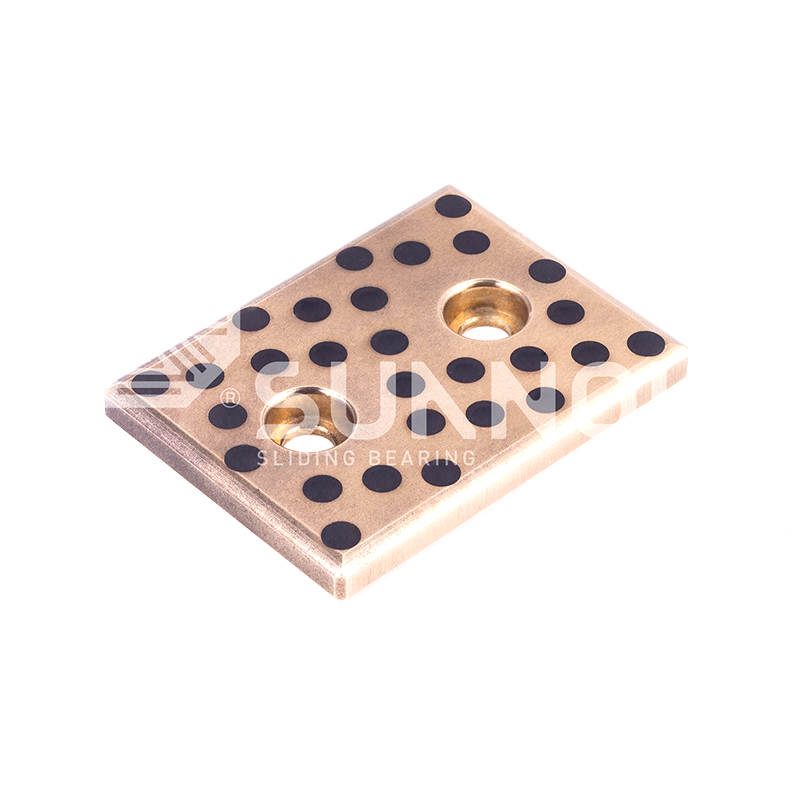 JDB Solid-lubricating Bearing Rectangular Embedded Graphite Bronze Wear Pad, Maintenance Free Bronze Guide Plate For Mold JTWP
-
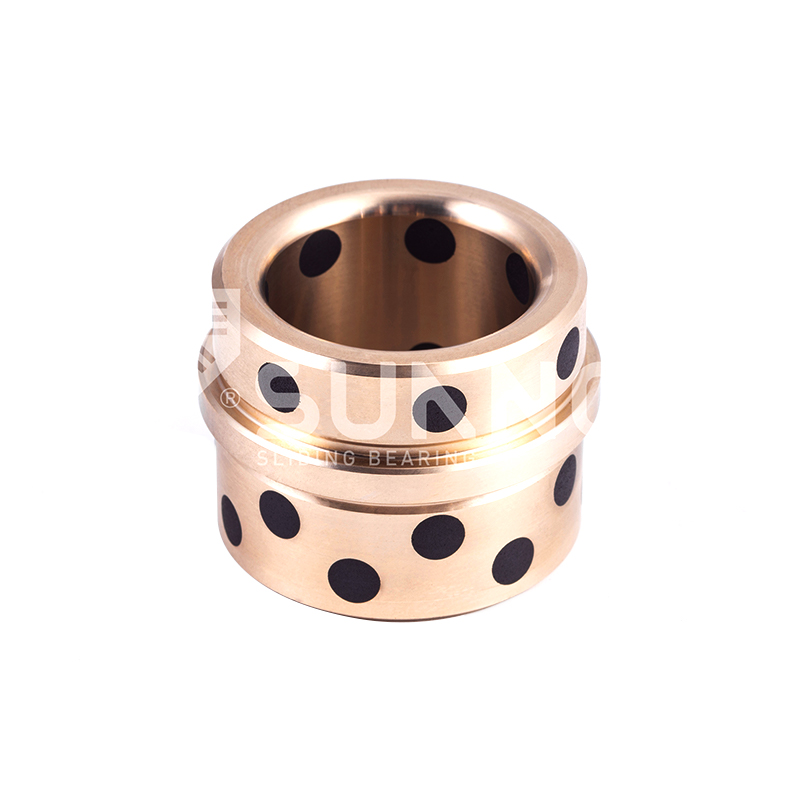
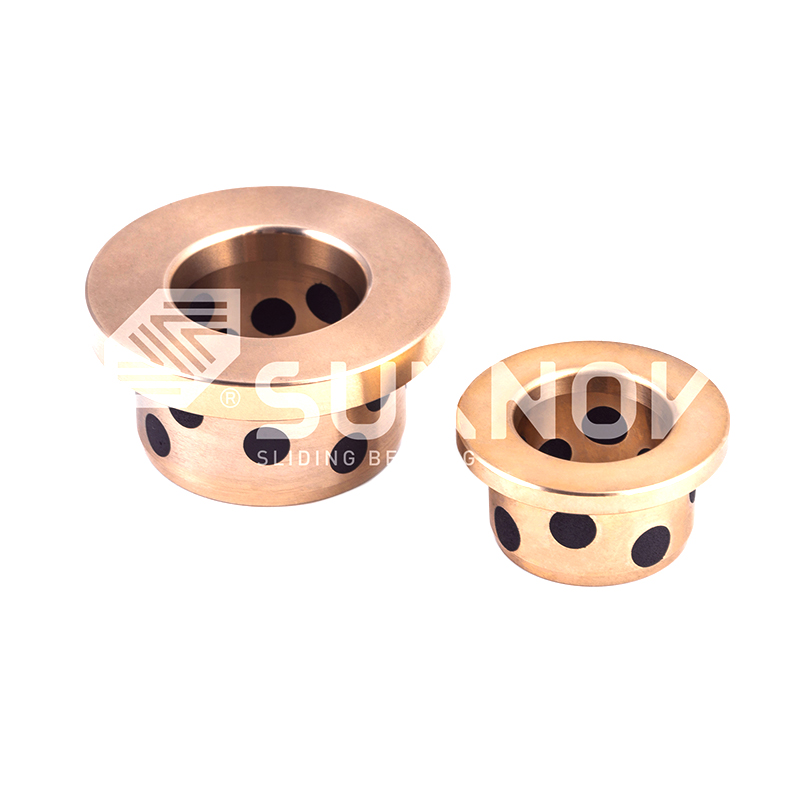 JDB Solid-lubricating Bearing Flanged Graphite Plugged Bronze Bushing, Self Lubricating Oilless Bronze Sleeve Bearing GB71 NAAMS
-
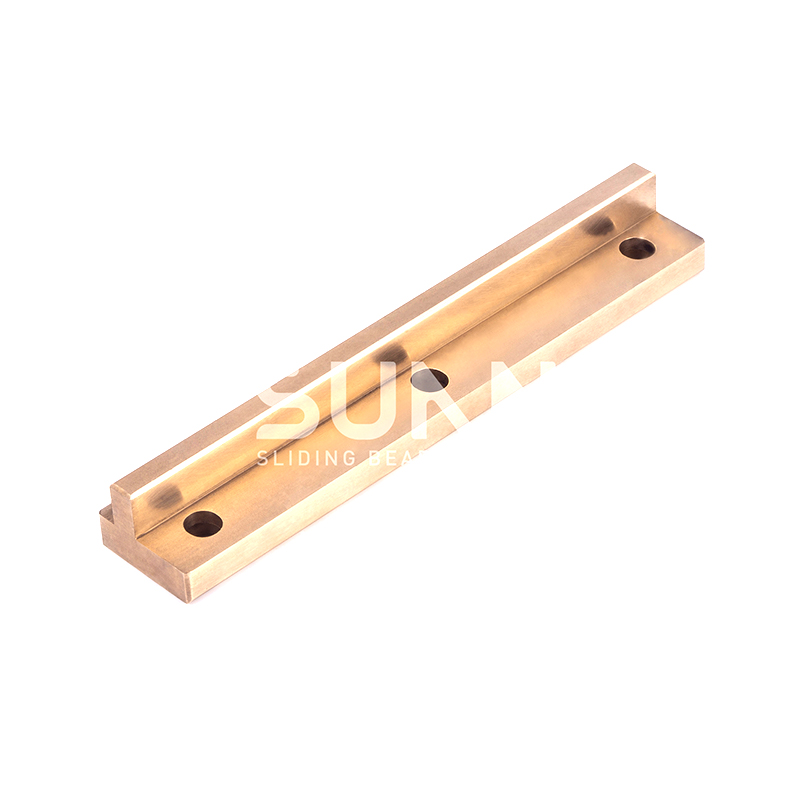 JDB Solid-lubricating Bearing T-Slot Guide Self-lubricating Bronze Slide Plate, JSOL Embedded Bronze Oilless Wear Plate
-
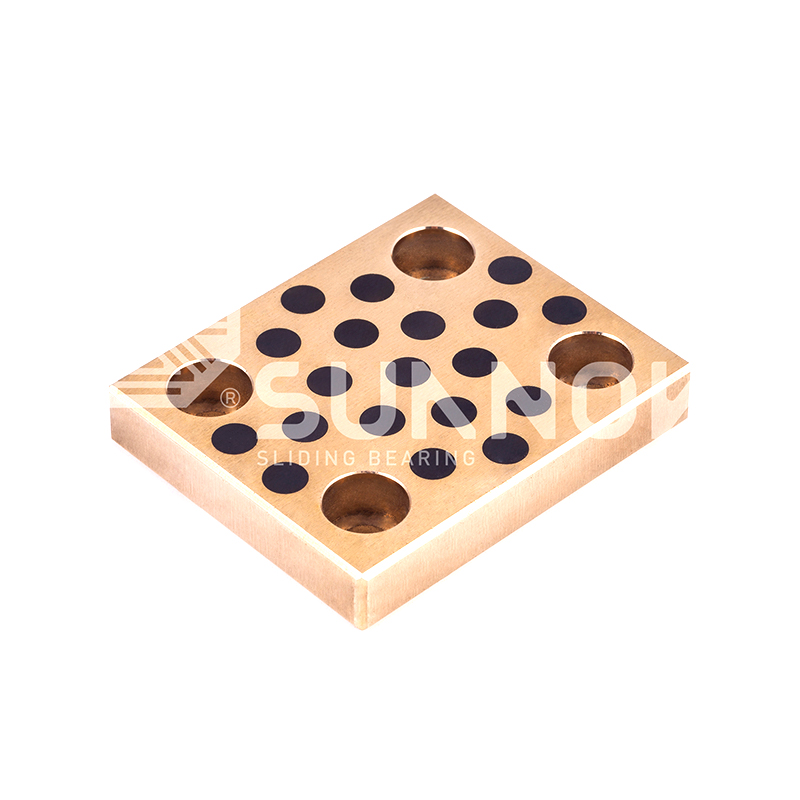 JDB Solid-lubricating Bearing Flangeless Graphite Bronze Wear Block, Square Self Lubricating Bronze Guide Plate JESW
-
-
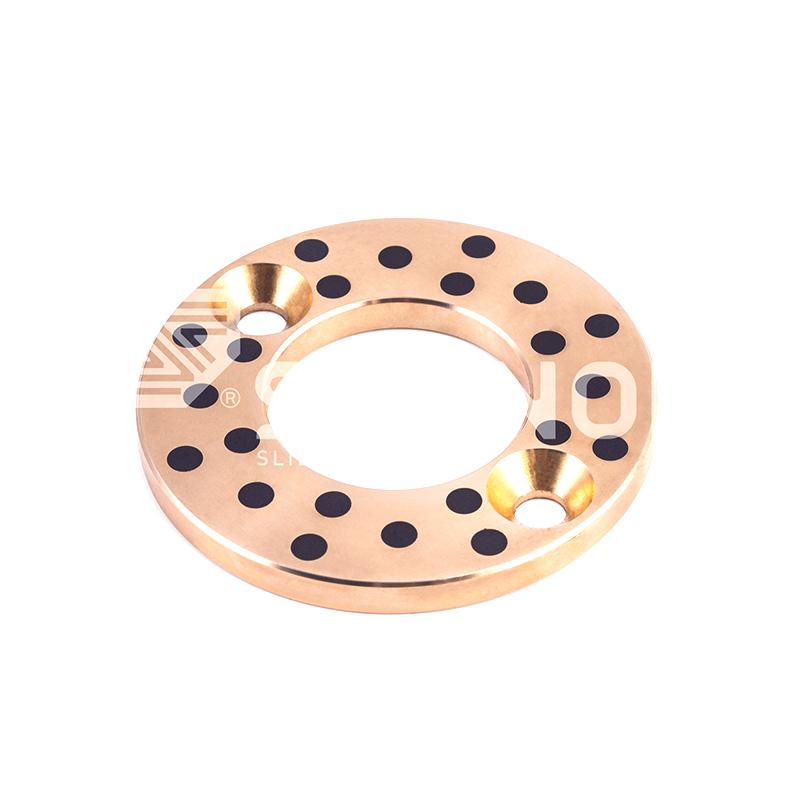 JDB Solid-lubricating Bearing JTW Solid Lubricant Graphite Oilless Bronze Thrust Washer Bearing
-
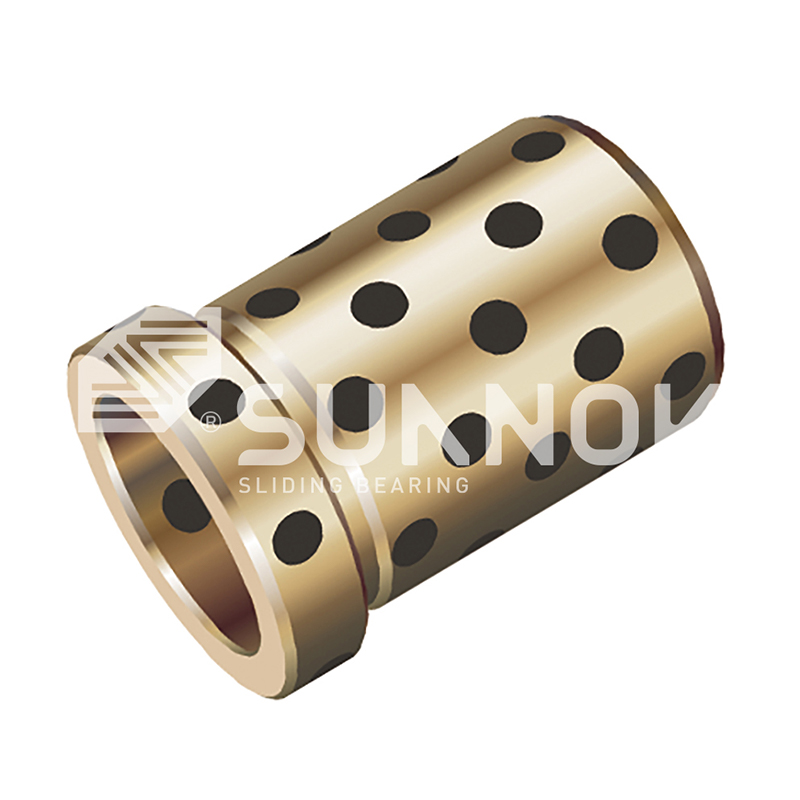 JDB Solid-lubricating Bearing JGBF Brass Oilless Ejector Flanged Guide Bearings Bushings
-
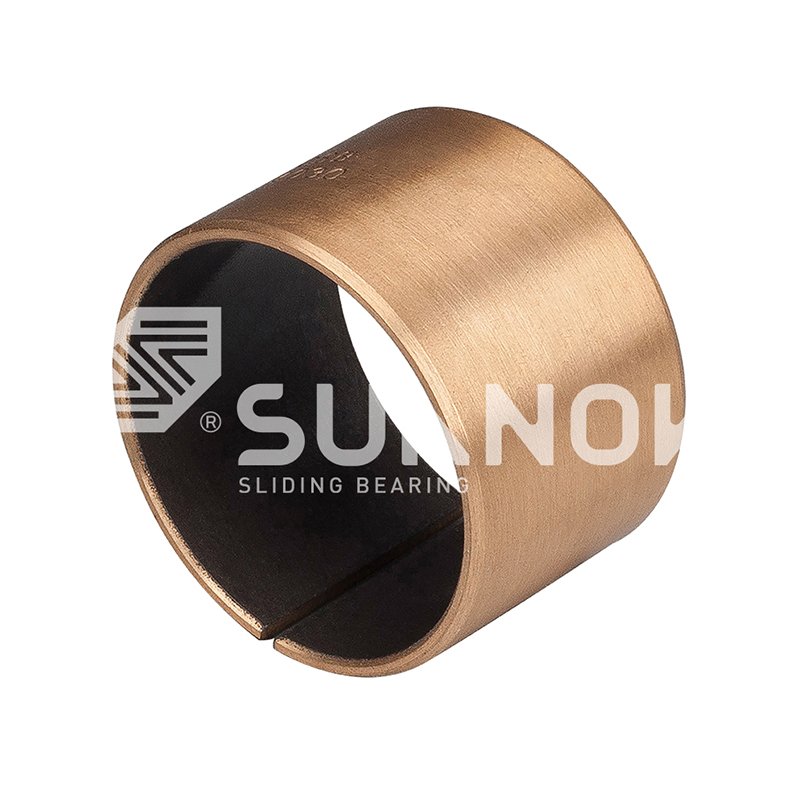
Graphite Bronze vs Oil-Impregnated Bronze Bushings: Complete Selection Guide
Industry News-Content
A maintenance engineer replacing guide bushings in a stamping die every two months, and a design engineer qualifying a self-lubricating bushing for a continuous-duty pump, are facing the same choice between two bronze technologies. Graphite bronze bushings and oil-impregnated bronze bushings look similar, cost similarly, and are both sold as low-maintenance parts. In service they lubricate by different mechanisms, wear by different rules, and fail at different intervals.
How Graphite Bronze Bushings Work
A graphite bronze bushing is a bronze alloy matrix with solid graphite plugs pressed into holes drilled through the wall; as the shaft moves, graphite transfers to the shaft surface and forms a solid lubricating film.
The bronze body carries the mechanical load while the graphite plugs, typically covering 20 to 35 percent of the bore area, act as an embedded lubricant reservoir. Because graphite is a solid, the film does not evaporate, drain, or squeeze out under high contact pressure. That is why graphite bronze bushings are specified in die sets, mold guides, and construction machinery where oil re-supply is impractical. The JDB600 cast bronze graphite bearing from Zhejiang Shuangnuo Bearing Technology Co., Ltd. is a representative configuration, combining a continuous cast bronze body with engineered graphite plugs for high-load sliding.
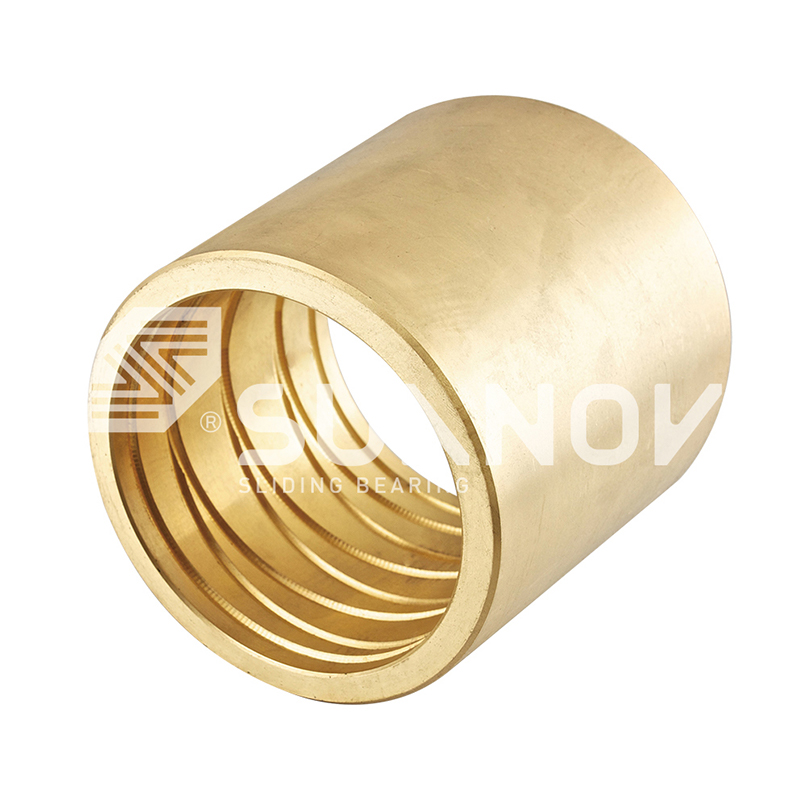 Wholesale JDB-600 Cast Self-Lubricating Bronze Guide Bushing Bearing Suppliers, Zhejiang Shuangnuo Bearing Technology Co., Ltd. Is China JDB-600 Cast Self-Lubricating Bronze Guide Bushing Bearing Suppliers, Company, W...View Product →
In dust, moisture, and wash-down environments, graphite bronze bushings keep lubricating because the solid film cannot be contaminated or washed away the way an oil film can.
How Oil-Impregnated Bronze Bushings Work
An oil-impregnated bronze bushing is a sintered porous bronze part that stores 15 to 25 percent oil by volume; when the shaft rotates, oil is drawn from the pores to the sliding surface, and when the shaft stops, capillary action pulls it back inside.
Manufacturers compact and sinter bronze powder to create an interconnected pore network, then vacuum-impregnate the part with a selected lubricating oil. Bimetallic versions sinter the porous bronze layer onto a steel backing for higher crush strength and tighter press-fit retention. The 200-B oil-retaining bimetallic bearing is a representative steel-back, copper-sinter product of this family.
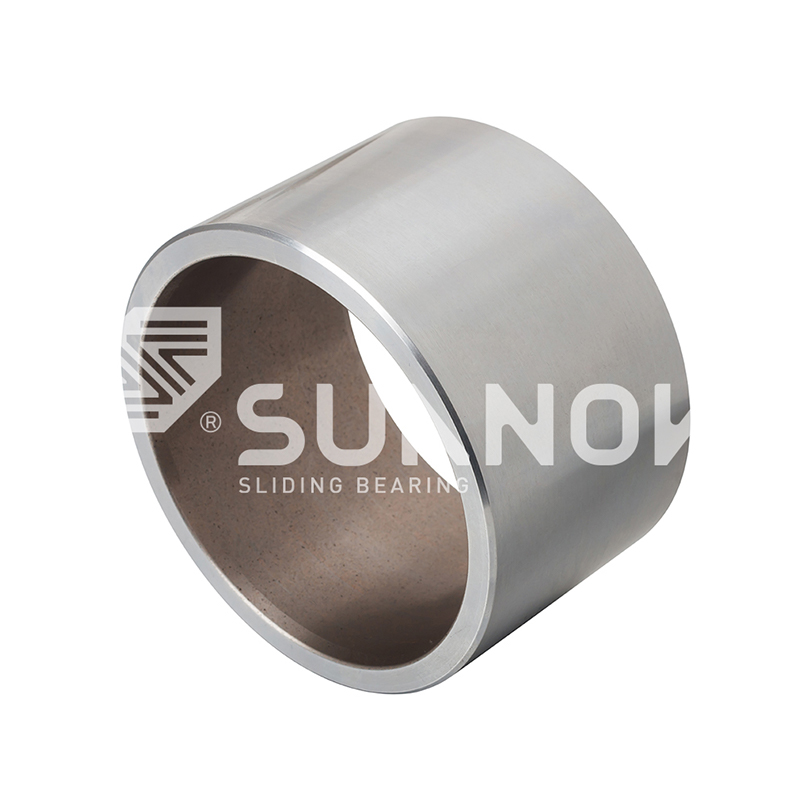 Wholesale 200#B Oil-Retaining Bimetallic Bearing (Steel Backing+Copper Sinter WiZhejiang Shuangnuo Bearing Technology Co., Ltd. Is China 200#B Oil-Retaining Bimetallic Bearing (Steel Backing+Copper Sinter With Solid L...View Product →
The self-renewing effect lasts only while the stored volume lasts. When the oil is consumed, oxidized, or washed out, the bushing runs dry and wear accelerates sharply.
Graphite Bronze vs Oil-Impregnated Bronze: Direct Comparison
In a direct comparison, graphite bronze bushings win where load is high and re-oiling is impossible, while oil-impregnated bushings win where speed is high enough to rebuild an oil film on the shaft.
| Parameter | Graphite bronze bushing | Oil-impregnated bronze bushing |
| Material structure | Cast bronze matrix with pressed graphite plugs | Sintered porous bronze, often steel-backed |
| Lubrication source | Solid graphite transfer film | Oil drawn from interconnected pores |
| Maximum static load | Up to 250 N/mm2 | Up to 200 N/mm2 |
| PV limit in boundary operation | 2.5 to 3.0 N/mm2 m/s | 1.5 to 2.0 N/mm2 m/s |
| Working temperature range | -40 C to 300 C | -10 C to 150 C |
| Maintenance requirement | None for bushing life | Re-oiling every 1,000 to 3,000 hours |
| Shaft speed suitability | Low to moderate speed | Moderate to high speed with oil film |
| Typical failure mode | Graphite depletion after long service | Oil starvation when re-oiling is skipped |
The material structure drives every other difference. A cast graphite bronze matrix tolerates higher static pressure and temperature, while a sintered porous structure limits the oil-impregnated bushing to the working range of its oil, typically below 150 C.
Selection signal: if pressure dominates the duty and the bushing cannot be serviced, graphite bronze is the reference choice. If the duty is speed-dominated and oil discipline exists, oil-impregnated bronze is the economical option.
Load, Speed, and PV Limits
PV limit, the product of bearing pressure and sliding velocity, is the most useful single number when comparing these two bushing types, because it folds load and speed into one operating envelope.
250 N/mm2 Graphite bronze static load
3.0 Graphite PV limit, dry
2.0 Oil-impregnated PV, no re-oil
150 C Oil temperature ceiling
Typical PV limits in boundary or dry operation
Oil-impregnated, re-oiled 4.0
Graphite bronze, dry 3.0
Oil-impregnated, no re-oil 2.0
Plain cast bronze, greased 1.6
PV values in N/mm2 x m/s, typical for industrial sliding applications
The chart shows why the two technologies coexist. A properly re-oiled oil-impregnated bushing has the widest envelope, but an ignored one falls below plain cast bronze. Graphite bronze occupies the middle with no external dependency, which is exactly its value in hard-to-reach positions. For the calculation method and worked examples, see our analysis of self-lubricating bronze bushing PV limits.
Design rule: when sliding speed stays below 0.5 metres per second for most of the cycle, assume boundary lubrication and select the bushing type with the wider dry PV margin, which in this comparison is graphite bronze.
Lubrication and Maintenance Differences
Graphite bronze bushings eliminate scheduled lubrication; oil-impregnated bushings only postpone it.
Graphite bronze
- No oil, grease, or fittings to maintain
- Solid film works in dust and after wash-down
- Shaft surface stays clean, no oil staining
- Life limited by graphite volume and PV duty
Oil-impregnated
- Oil reserve supports the film between re-oiling intervals
- Re-oiling typical every 1,000 to 3,000 hours
- Sensitive to solvents and contamination ingress
- Film quality depends on speed, temperature, and oil grade
In practice the difference shows up in maintenance schedules. A press tool running around the clock inside a closed die set is rarely lubricated on time; an oil-impregnated bushing is the wrong risk there, while a graphite bronze bushing survives until the next tool overhaul.
RiskNever specify an oil-impregnated bushing for a position that nobody can reach with an oil can or grease gun.
Cost and Service Life
Oil-impregnated bronze bushings cost less per piece, but graphite bronze bushings usually deliver lower cost per operating hour once labor, downtime, and failure risk are counted.
At the purchase level, mass-produced sintered oil-impregnated bushings are typically 10 to 20 percent cheaper than equivalent graphite-embedded cast bronze bushings. The gap reverses under total cost of ownership. Reaching a bushing inside a machine, stopping a line, and re-oiling it several times a year costs more than the part price difference. In die and mold applications, a graphite bronze bushing typically outlasts a non-re-oiled oil-impregnated bushing by two to four times before the first maintenance event, consistent with our comparison of sintered versus cast bronze longevity.
Total cost of ownership rarely favors the cheaper bushing when maintenance access is difficult or duty cycles are unpredictable.
How to Select the Right Bushing
Choose graphite bronze when the duty is slow, heavily loaded, contaminated, or hard to reach; choose oil-impregnated bronze when speed is moderate to high, the duty is predictable, and re-oiling is part of the maintenance plan.
- Measure the sliding speed; below 0.5 metres per second points to graphite bronze.
- Calculate the applied pressure and compare it with the static and PV ratings of both types.
- Confirm the operating temperature range; long excursions above 150 C eliminate oil-impregnated bronze.
- Assess maintenance access; if nobody can reach the bushing, graphite bronze removes the risk.
- Compare the supplier's test evidence for graphite grade, plug area, and alloy composition.
For medium-load positions where a brass matrix lowers component cost, the JDB650 solid-lubricating brass bushing is a widely selected alternative to tin-bronze graphite bushings. A broader method for other machine positions is covered in our guide to sleeve bearing selection for industrial machinery.
 Wholesale JDB650 Self-Lubricating Brass Bushing Oilless Bearings Suppliers, CompZhejiang Shuangnuo Bearing Technology Co., Ltd. Is China JDB650 Self-Lubricating Brass Bushing Oilless Bearings Suppliers, Company, We Wh...View Product →
Key buying ruleReject a graphite bronze bushing if the supplier cannot state the graphite plug area, the matrix alloy grade, and the PV limit used for the rating.
Frequently Asked Questions
The fastest way to answer any bushing question is to define the duty: speed, load, temperature, access, and whether oil replenishment will realistically happen.
Which is better, graphite bronze or oil-impregnated bronze bushings?
Neither is universally better. Graphite bronze is better for high loads, low speeds, contamination, and inaccessible positions. Oil-impregnated bronze is better for moderate-to-high speeds with predictable duty and disciplined re-oiling.
Can oil-impregnated bronze bushings run without re-oiling?
They run initially on the oil stored in their pores, but the film degrades as the reserve depletes. The effective PV limit drops from around 4.0 to roughly 2.0 N/mm2 m/s without re-oiling. For truly maintenance-free dry operation, select graphite bronze.
How long do graphite bronze bushings last?
Life depends on load, speed, shaft hardness, alignment, and graphite plug area. In typical die-set guide applications, graphite bronze bushings last two to four times longer than oil-impregnated bushings that do not receive scheduled re-oiling.
Do graphite bronze bushings need oil or grease?
No. Graphite plugs supply the lubricant for the full service life. Oil can be added without harming the bushing, but it is not required, which is the main advantage in contamination-sensitive or inaccessible installations.
Recommended NEWS:
Self-Lubricating Bronze Bushings: Benefits, Cost Savings, and Selection Guide
Bronze Wrapped Bushings for Heavy Machinery: Durable Solutions for Demanding Applications
Understanding Self‑Lubricating Bronze Bushings: A Comprehensive Guide
Solid-Lubricating Bronze Bearings: A Guide to Performance and Selection
Optimizing Industrial Performance: A Comprehensive Guide to Solid Bronze Bushings
Oilless Thrust Washers: Key Features, Applications, and Selection Guide
Recommended LINS:
Contact Us //
Have Questions? Get in Touch!

Zhejiang Shuangnuo Bearing Technology Co., Ltd. specializes in the production of various self-lubricating copper alloy bushing bearings products
Quick Links
Related Products
Contact
- Add: No. 69, Tingyao East Road, Ganyao Town Industrial Zone, Jiashan County, Zhejiang Province, China
- Tel: +86-15957371801
- Fax: +86-0573-84038630
- Email: [email protected]
[email protected]
© 2024 Zhejiang Shuangnuo Bearing Technology Co., Ltd.
Custom Self-Lubricating Copper Alloy Bearings
