


 русский
 Español
-
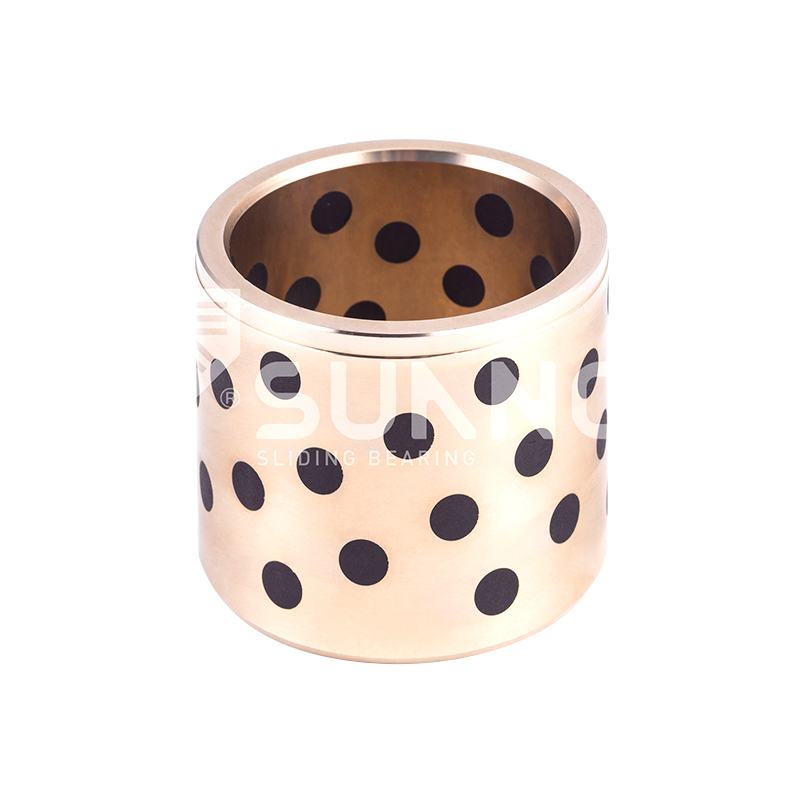 JDB Solid-lubricating Bearing JDB650 Self-Lubricating Brass Bushing Oilless Bearings
 -
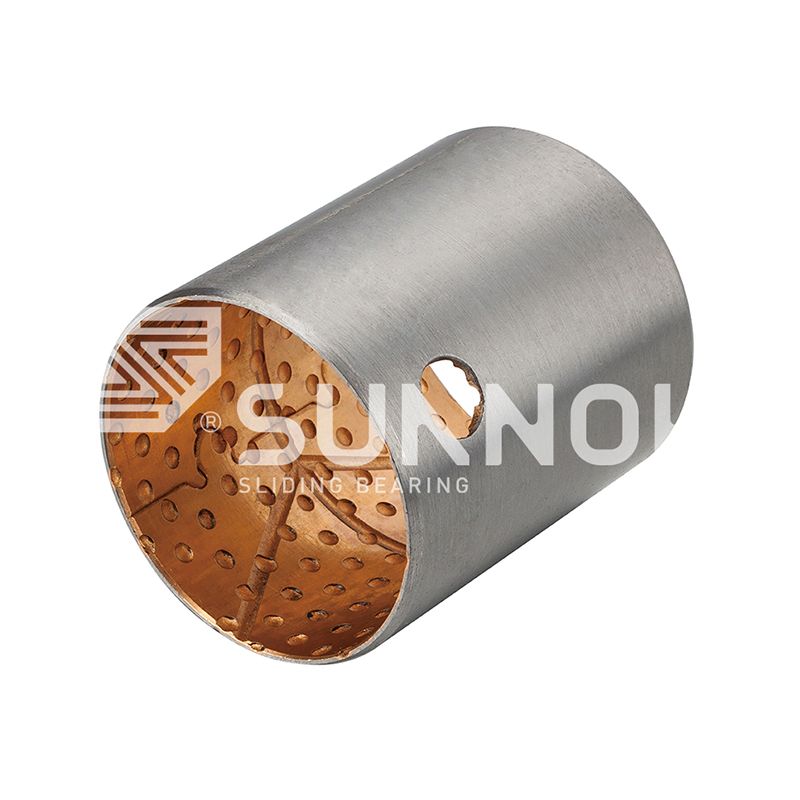 JF-800 Bi-metal Bearing JF-750 Self-Lubricating Lead Free Bi-Metal Bearing for Heavy Duty Engines Low Friction
 -
-
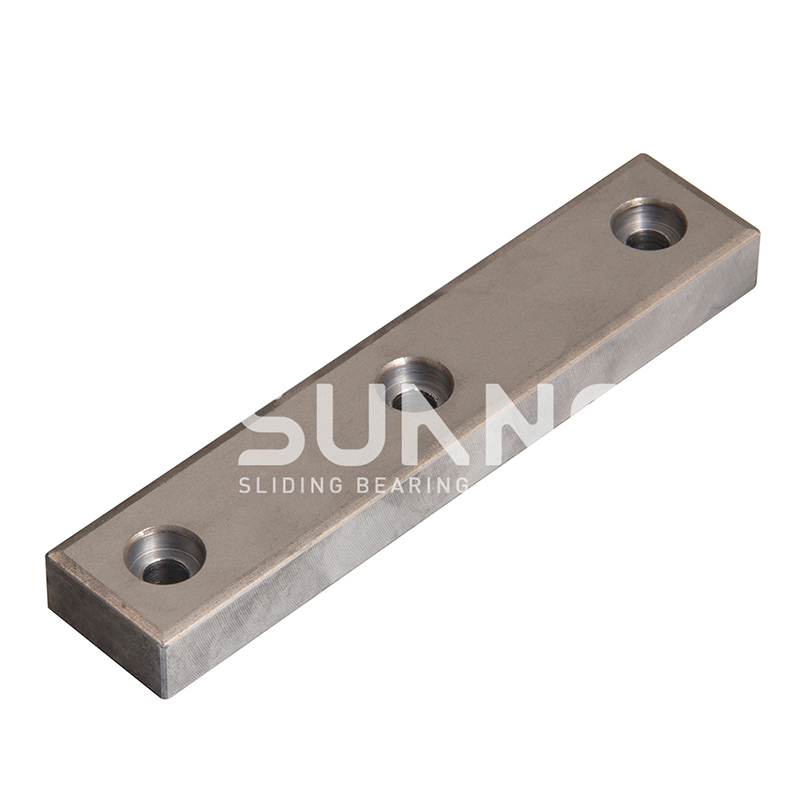 Oil-retaining Bimetallic Bearing Self-Lubricating 200# P20 Steel Graphite Insert Wear Plate / Steel Oilless Wear Strip
 -
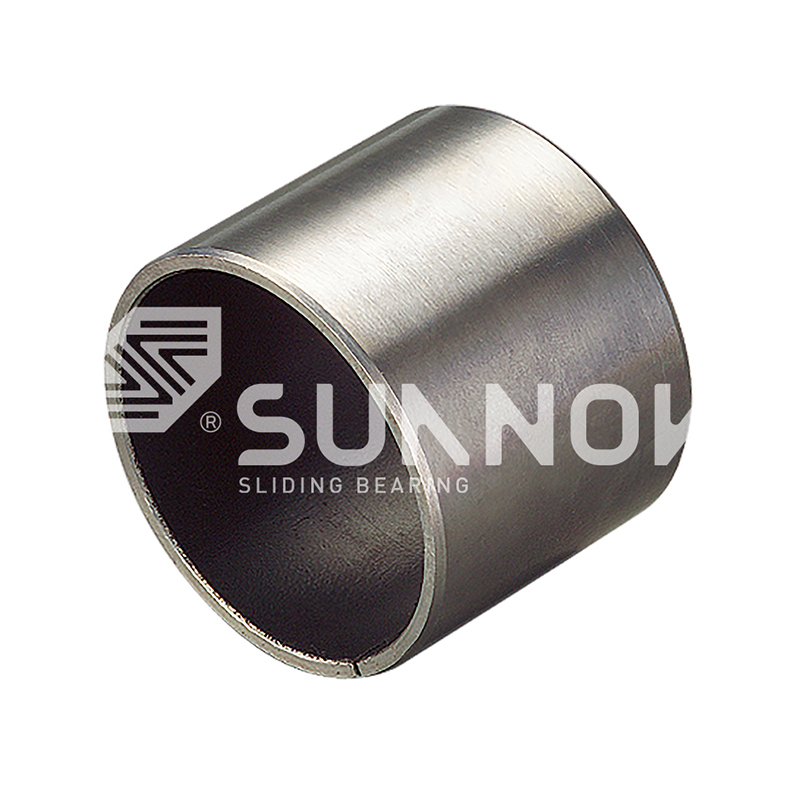 SF-1 Oilless Bearing Self Lubricating SF-1T Metal Gear Pump Bearing Bronze Bushings
 -
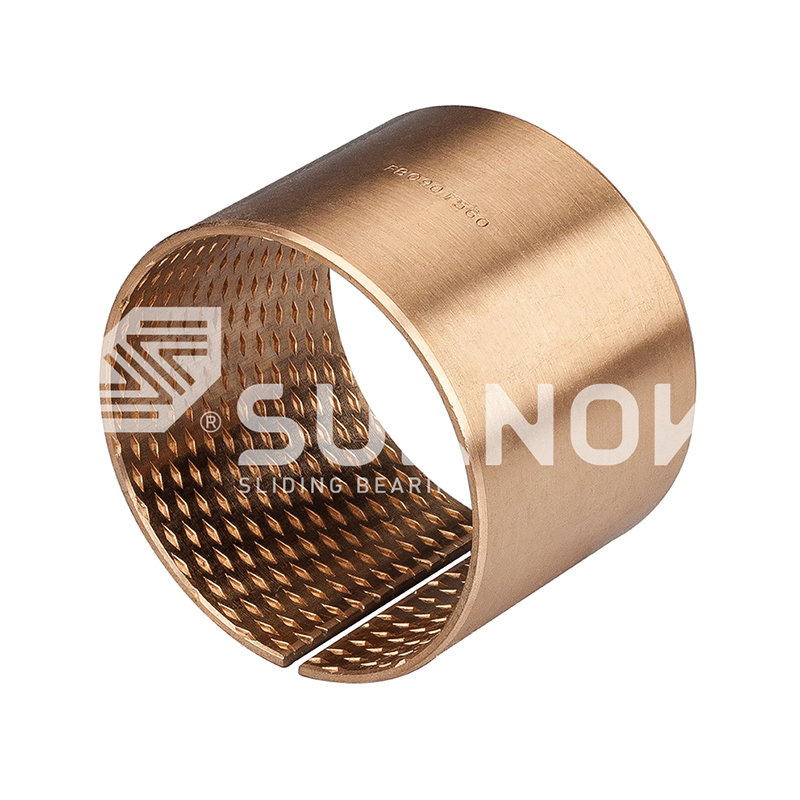 FB090 Bronze Wrapped Bearing FB090 Bronze Wrapped Bearing | Self-Lubricating Bushing & Sleeve
 -
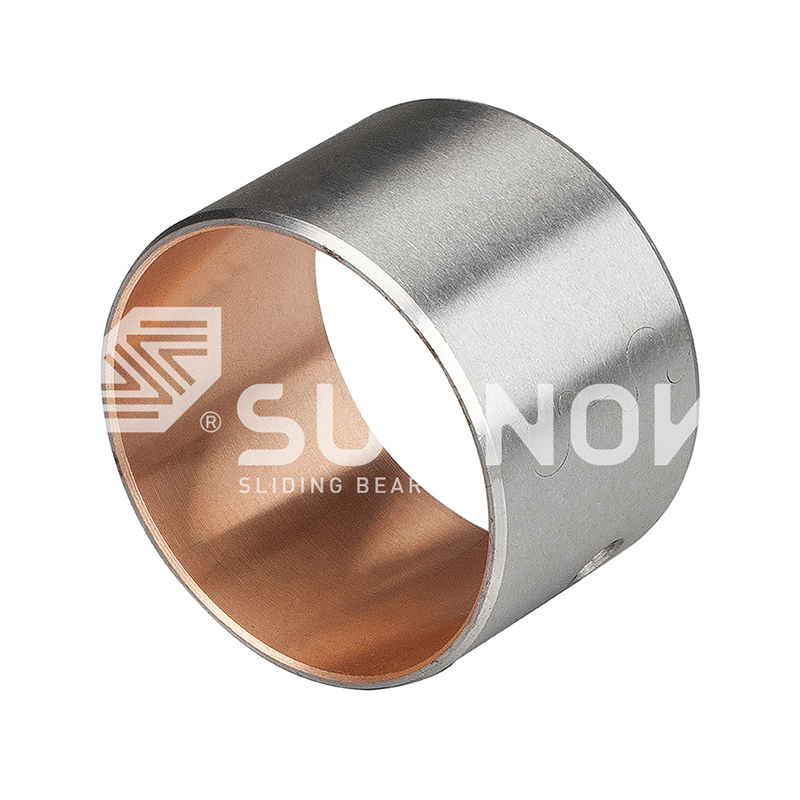 JF-800 Bi-metal Bearing JF-700 Bi-Metal Bearing Heavy Duty Self-Lubricating Sleeve Bushings
 -
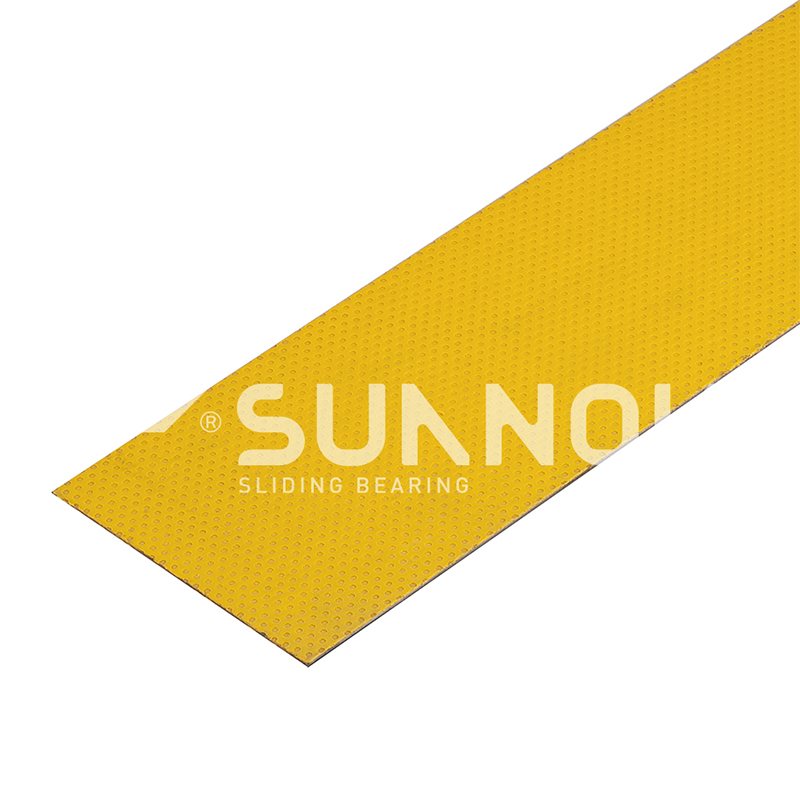 SF-2 Boundary Lubricating Bearing SF-2SP Standard Metric Size Self Lubricating Wear Strip With PTFE
Self-Lubricating Bearings for Automation Equipment: Selection, Types & Benefits
Industry News-Content
- 1 How Self-Lubricating Bearings Work
- 2 Why Automation Equipment Needs Self-Lubricating Bearings
- 3 Bearing Families Commonly Used in Automation
- 4 Selection Criteria for Self-Lubricating Bearings
- 5 Application-Specific Considerations
- 6 Installation and Tolerance Notes
- 7 Sourcing and Quality Considerations
- 8 Dimensional Consistency and Custom Machining
An automated assembly cell can run thousands of cycles per day, but one seized guide bushing is enough to stop the line. In many plants, the cause is not a bad bearing at the start: it is a missed relubrication, contaminated grease, or a bushing that cannot maintain position under changing load. Self-lubricating bearings for automation equipment remove that dependency by supplying their own lubricant at the contact surface. As automation designers and maintenance teams have learned, the demand for self-lubricating bearings in industrial automation comes from a simple need: keep moving parts running with less intervention, without sacrificing load capacity or accuracy.
How Self-Lubricating Bearings Work
Self-lubricating bearings work by forming a transfer film on the mating shaft surface. Instead of relying on an external oil supply, the bearing matrix contains solid lubricants such as graphite, molybdenum disulfide, or specially formulated polymer components. During sliding, small amounts of that lubricant are transferred to the shaft or counterpart surface, creating a low-friction layer that protects both components.
This mechanism is different from a conventional bronze bushing, which needs a continuous oil film or periodic grease replenishment. For automation equipment, the practical impact is significant: motion axes can run drier, start and stop more frequently, and remain in service for longer intervals between maintenance events. The transfer film also helps the bearing tolerate momentary interruptions in lubrication, which is often the cause of sudden machine failures.
Why Automation Equipment Needs Self-Lubricating Bearings
Automation equipment tends to operate in conditions that are unfriendly to traditionally lubricated bearings. Short strokes, high cycle rates, and reversing motion push grease out of loaded zones. Small-diameter guide bushings and ejector pins are difficult to relubricate once installed. Some robotic cells are enclosed or mounted in locations where an operator cannot reach the lubrication point without stopping the process.
Self-lubricating bearings solve these problems at the design stage. They do not eliminate the need for a smooth, hard shaft, but they do reduce the number of routine lubrication tasks. The result is more predictable friction, lower maintenance labor, and less risk of downtime from a bearing that simply ran dry.
Bearing Families Commonly Used in Automation
Not all self-lubricating bearings are interchangeable. The matrix material, lubricant type, and manufacturing route determine where a bearing can be used. For automation equipment, several families cover most linear and rotary positions.
JDB Solid-Lubricating Bearings
JDB bearings are often the first choice for guide pins, ejector sleeves, and wear plates in tooling-related automation. The copper alloy matrix provides high compressive strength, while graphite or other solid lubricant plugs release a thin film during sliding. The JDB650 solid-lubricating bearing is a practical option when shock, edge loading, or occasional contamination is expected. Its brass-based structure combines machinability with good wear characteristics in start-stop duty.
 Wholesale JDB650 Self-Lubricating Brass Bushing Oilless Bearings Suppliers, CompZhejiang Shuangnuo Bearing Technology Co., Ltd. Is China JDB650 Self-Lubricating Brass Bushing Oilless Bearings Suppliers, Company, We Wh...View Product →
SF1 and SF2 Oilless Bearings
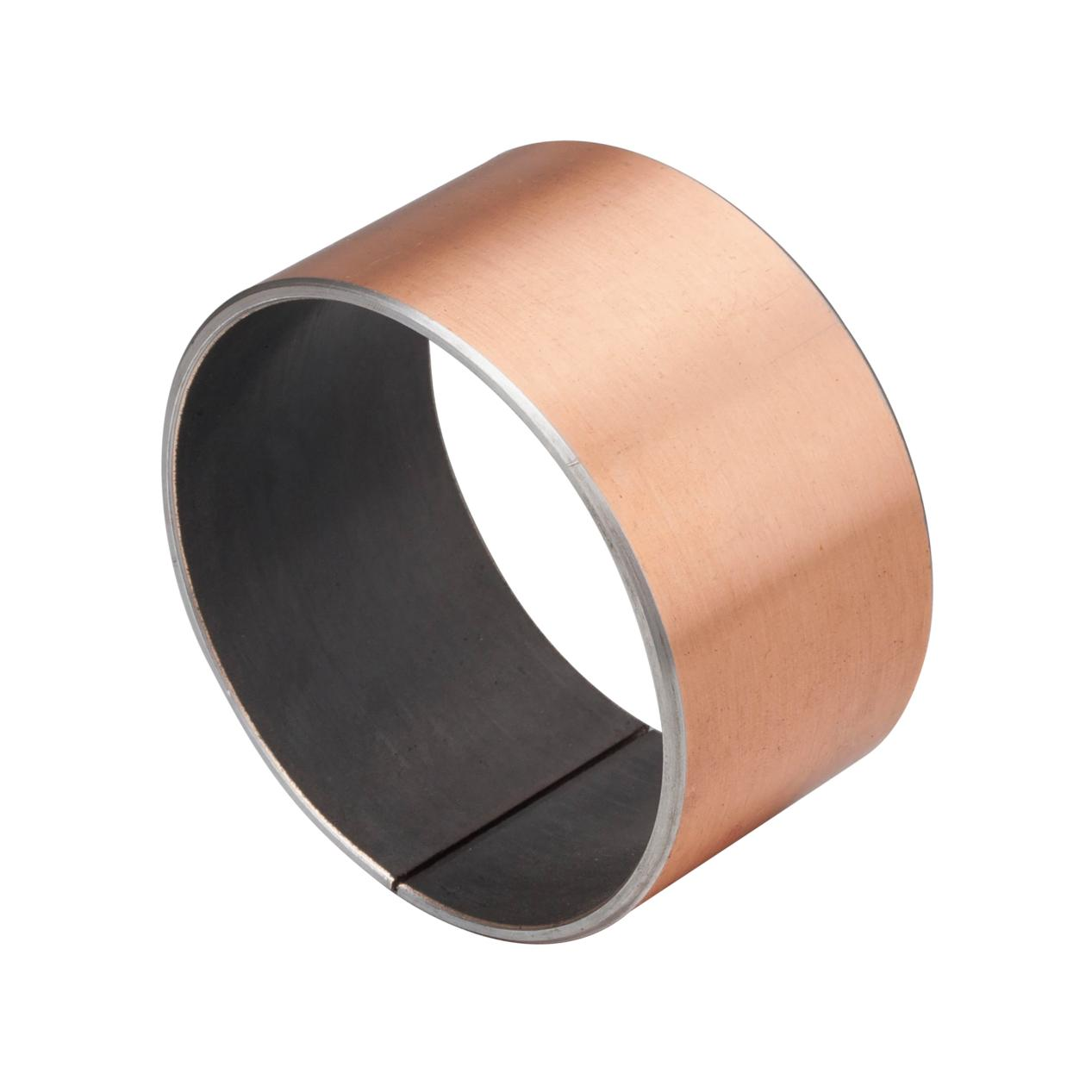
SF1 oilless bearings use a steel backing and porous bronze interlayer with a low-friction top layer, which suits moderate loads and continuous rotation. SF2 boundary-lubricating bearings are similar but are specified for applications that may operate with a thin oil film or under boundary lubrication. Both are common in small actuators, sensors, light-duty motion modules, and other compact automation components that need predictable friction over many cycles.
Bimetallic and Bronze-Wrapped Types
Oil-retaining bimetallic bearings, such as the 200 series, use steel backing with sintered copper containing dispersed solid lubricant. Bronze-wrapped bearings in the FB090 family use a wrapped bronze shell with graphite plugs for heavier oscillating loads. These types are useful where a compact installation must handle higher pressure, pulsating loads, or a limited amount of external grease as a backup.
| Bearing Family | Base Structure | Typical Load | Typical Speed | Common Automation Use |
|---|---|---|---|---|
| JDB solid-lubricating | Copper alloy with solid lubricant inserts | High | Low to moderate | Guide pins, ejector sleeves, wear plates |
| SF1 oilless | Steel backing with porous bronze and low-friction layer | Moderate | Moderate to high | Rotary and reciprocating motion modules |
| SF2 boundary-lubricating | Steel backing with bronze sinter and polymer layer | Moderate | Moderate | Small actuators, boundary-lubricated pivots |
| Oil-retaining bimetallic | Steel backing with copper sinter and solid lubricant | High | Moderate | Compact rotary and pivot points |
| FB090 bronze-wrapped | Wrapped bronze shell with graphite plugs | Moderate to high | Low | Heavy oscillating and sliding applications |
Selection Criteria for Self-Lubricating Bearings
The most reliable selection method starts with the PV value, then checks the full operating environment. PV stands for the product of bearing pressure and sliding velocity, and it is the primary measure of how hard a self-lubricating bearing is working. For automation equipment, a bearing may look acceptable at low speed but fail when the same load is combined with rapid indexing or short-stroke cycles.
Before finalizing a bearing, confirm the expected PV value against the material curve. If the operating point lies above the published PV limit, choose a different material or increase the bearing surface area. Also review the guide to selecting self-lubricating sleeve bearings for industrial machinery to compare these factors against actual package dimensions.
- Shaft hardness: harder shafts reduce abrasive wear, especially in environments with dust, weld spatter, or dry particulates.
- Surface finish: a ground or turned shaft with roughness around Ra 0.4–0.8 µm helps the transfer film develop evenly and keeps friction stable.
- Operating temperature: confirm that the solid lubricant and bearing matrix can handle the machine’s ambient and frictional heat.
- Mounting and retention: decide whether the bearing will be press-fit, flanged, or pinned before ordering the final bore tolerance.
Application-Specific Considerations
Self-lubricating bearings are not a single solution for every moving part. The best choice depends on the movement profile, the expected load, and the surrounding structure of the automation system.
Guide Pins and Ejector Systems
In mold-based automation, guide pins and ejector sleeves see very high local pressure at low speed. Bearings used in these positions must resist shock, maintain concentricity, and tolerate misalignment during assembly. JDB guide bearings are frequently used for this reason. For similar tooling positions, JGB oilless ejector guide bearings reduce the risk of galling and keep ejector plates moving smoothly without frequent lubrication.
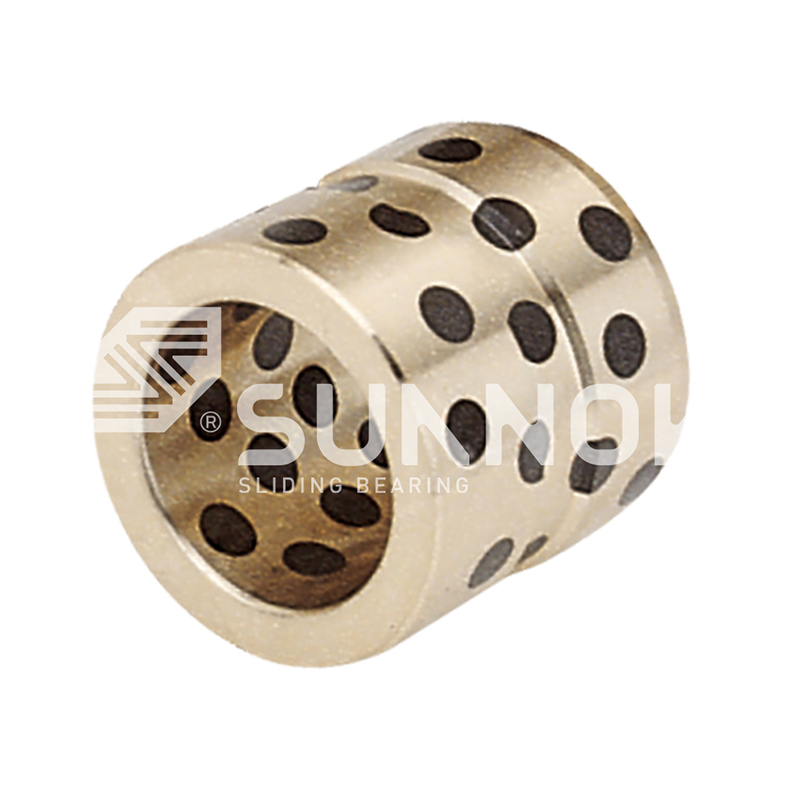 Wholesale High Temperature Brass JGB Oilless Ejector Guide Bearings Suppliers, CZhejiang Shuangnuo Bearing Technology Co., Ltd. Is China High Temperature Brass JGB Oilless Ejector Guide Bearings Suppliers, Company, We...View Product →
Hydraulic and Pneumatic Motion Systems
Automation equipment often includes hydraulic cylinders, pneumatic actuators, and valve systems where space is limited and maintenance access is poor. Bearings in these components need to work with small oscillation angles and rapidly changing loads. The SF1D hydraulic bearing is a practical option for hydraulic and fluid-power applications because its low-friction layer handles the short strokes and high pressure common in such systems while maintaining dimensional stability.
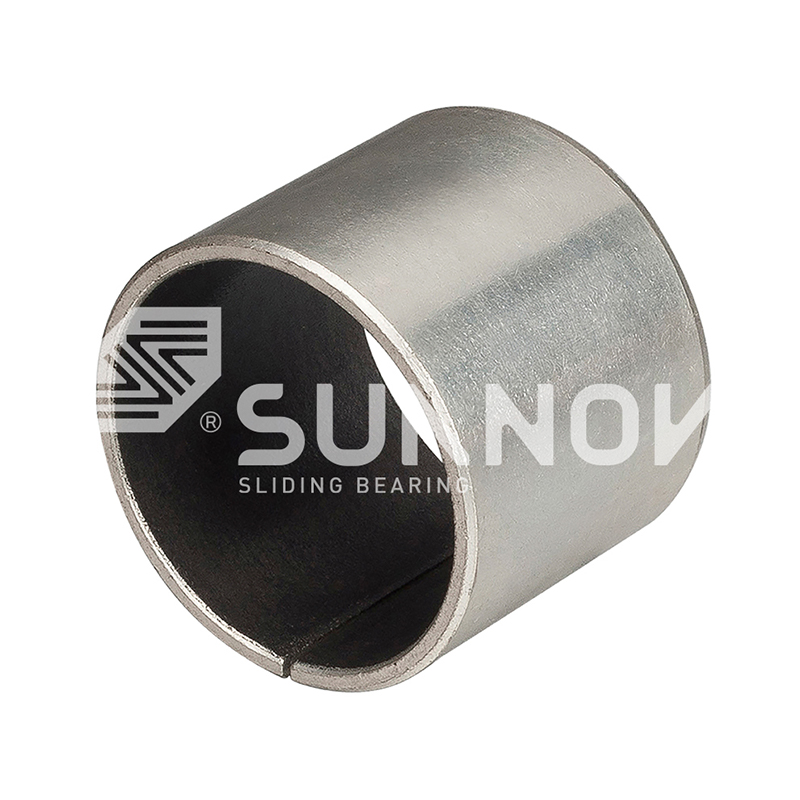 Wholesale SF-1D Corrosion Resistant Industrial Hydraulic Oilless Bearing | High Zhejiang Shuangnuo Bearing Technology Co., Ltd. Is China SF-1D Corrosion Resistant Industrial Hydraulic Oilless Bearing | High Load, Low ...View Product →
Linear Slides and Thrust Washers
Linear guides and ball screws still need support at their mounting points, while rotary actuators and swivel units require axial load support. In these positions, flanged bushings, wear plates, and thrust washers made from self-lubricating materials help reduce friction in the axial direction. This is particularly valuable in pick-and-place systems that rotate quickly under offset loads or in adjustable machine frames where operators occasionally reposition fixtures.
Installation and Tolerance Notes
Self-lubricating bearings are not automatically immune to installation problems. If the housing bore is oversized, the bearing can rotate or move during operation. If the shaft is too rough, it will wear the bearing quickly. If the bearing is pressed in without an insertion chamfer, the edge of the bearing can be scraped before the machine even starts.
For many metric configurations, a common starting point is an H7 tolerance for the housing bore and an h7 or h8 tolerance for the shaft, but the actual fit should always be checked against the selected bearing material and expected thermal expansion. A cleaner way to avoid confusion is to follow the tolerances and installation guidelines for oilless bronze bushings when setting up new assemblies or replacing worn bearings.
Pay attention to the shaft and housing edges. A small chamfer on the housing entry protects the bearing from being scraped during insertion. The shaft tip should also be chamfered so the transfer film is not damaged when the shaft is first inserted. These simple details prevent premature wear in applications that otherwise look correct on paper.
Sourcing and Quality Considerations
When self-lubricating bearings are standardized into a machine, batch-to-batch consistency matters as much as the initial selection. A small change in copper alloy composition or lubricant content can affect load capacity, friction, and wear life. For automation equipment that must run for years, material traceability is therefore part of the specification.
Suppliers that control their own copper alloy casting process can react faster to non-standard sizes and custom material requirements. In-house casting also allows the manufacturer to verify material composition more directly. Spectroscopic testing at the furnace and final product stages helps confirm that the delivered bearing matches the agreed grade, while third-party test reports provide independent evidence for machine builders who need to document component quality to their own customers.
Dimensional Consistency and Custom Machining
Automation equipment rarely uses a single bearing size throughout the machine. Motion modules, end-of-arm tooling, mold ejector assemblies, and custom transfer systems often require metric sizes that do not exactly match standard catalog products. In these cases, the ability to machine a bearing from cast or sintered material to a specific diameter, length, and flange dimension is more useful than a catalog number.
Ask whether the bearing manufacturer can supply products with controlled bore tolerance, consistent wall thickness, and clean edge break. CNC turning and grinding capabilities matter because a small difference in roundness can affect how smoothly a guide pin moves. A manufacturer with in-house machining can also handle low-volume production runs without splitting the order across multiple outside processes.
The right self-lubricating bearing for automation equipment is the one that matches the real movement cycle, not just the rated load of the wind-up. Start with the bearing family, confirm the PV value, check the shaft and housing conditions, and then work with a manufacturer that can support both standard and custom requirements. By doing this, you reduce maintenance points, improve cycle reliability, and build machines that are easier to keep in service.
Recommended NEWS:
Self-Lubricating Bronze Bushings: Benefits, Cost Savings, and Selection Guide
Self-Lubricating Copper Alloy Bearings: A Comparative Analysis with JDB-600 Casting Bronze and Oil-Retaining Bimetallic Bearings
The Rise of Self-Lubricating Bearings: A Guide to Maintenance-Free Performance
Self-Lubricating Copper Alloy Bearings: The Future of Solid-Lubricating Bearings and JDB-600 Casting Bronze Bearings
The Benefits of Maintenance-Free Solid Lubricant Bearings for Industrial Applications
Understanding the Features of JDB650 Self-Lubricating Brass Bushing Oilless Bearings
Recommended LINS:
Contact Us //
Have Questions? Get in Touch!

Zhejiang Shuangnuo Bearing Technology Co., Ltd. specializes in the production of various self-lubricating copper alloy bushing bearings products
Quick Links
Related Products
Contact
- Add: No. 69, Tingyao East Road, Ganyao Town Industrial Zone, Jiashan County, Zhejiang Province, China
- Tel: +86-15957371801
- Fax: +86-0573-84038630
- Email: [email protected]
[email protected]
© 2024 Zhejiang Shuangnuo Bearing Technology Co., Ltd.
Custom Self-Lubricating Copper Alloy Bearings
