


 русский
 Español
-
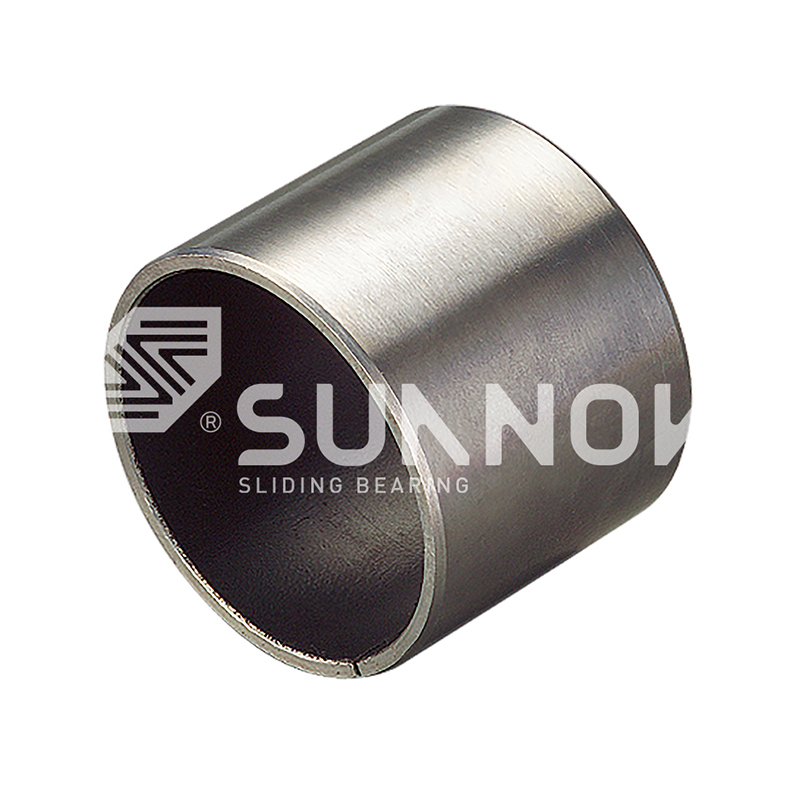 SF-1 Oilless Bearing Self Lubricating SF-1T Metal Gear Pump Bearing Bronze Bushings
 -
-
-
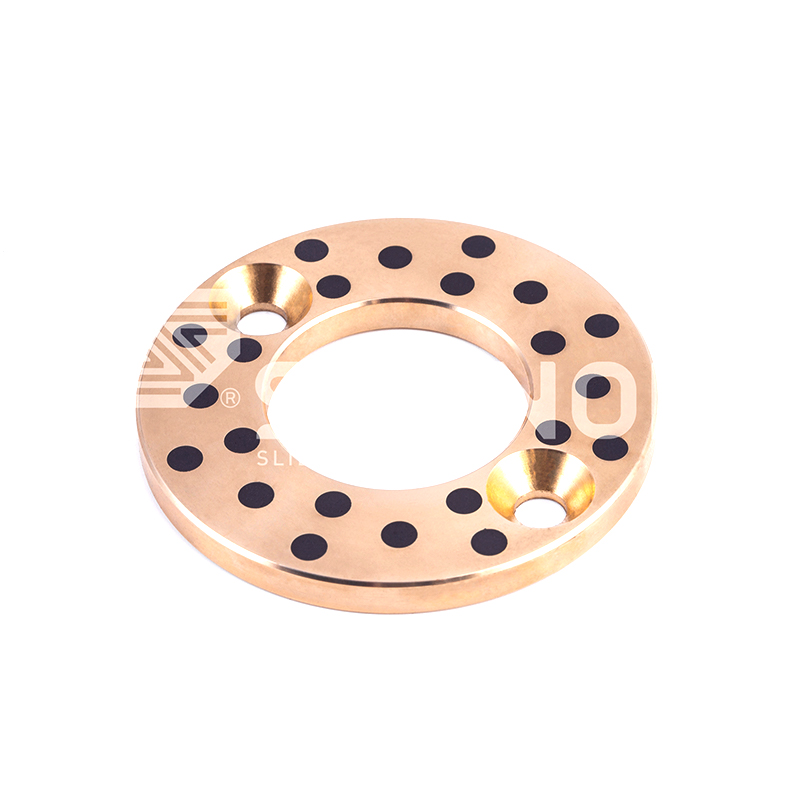 JDB Solid-lubricating Bearing JTW Solid Lubricant Graphite Oilless Bronze Thrust Washer Bearing
 -
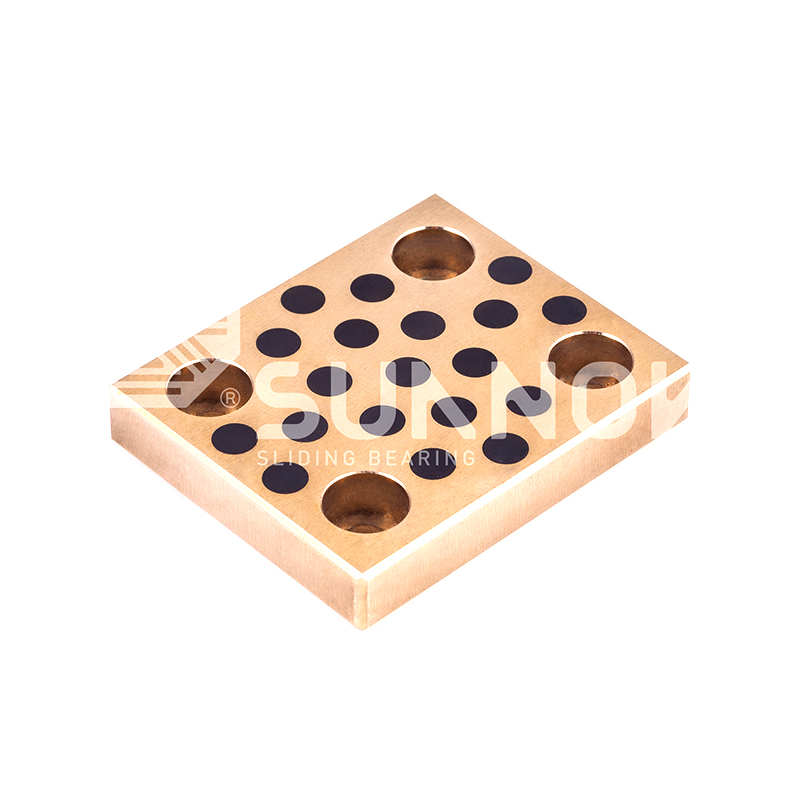 JDB Solid-lubricating Bearing Flangeless Graphite Bronze Wear Block, Square Self Lubricating Bronze Guide Plate JESW
 -
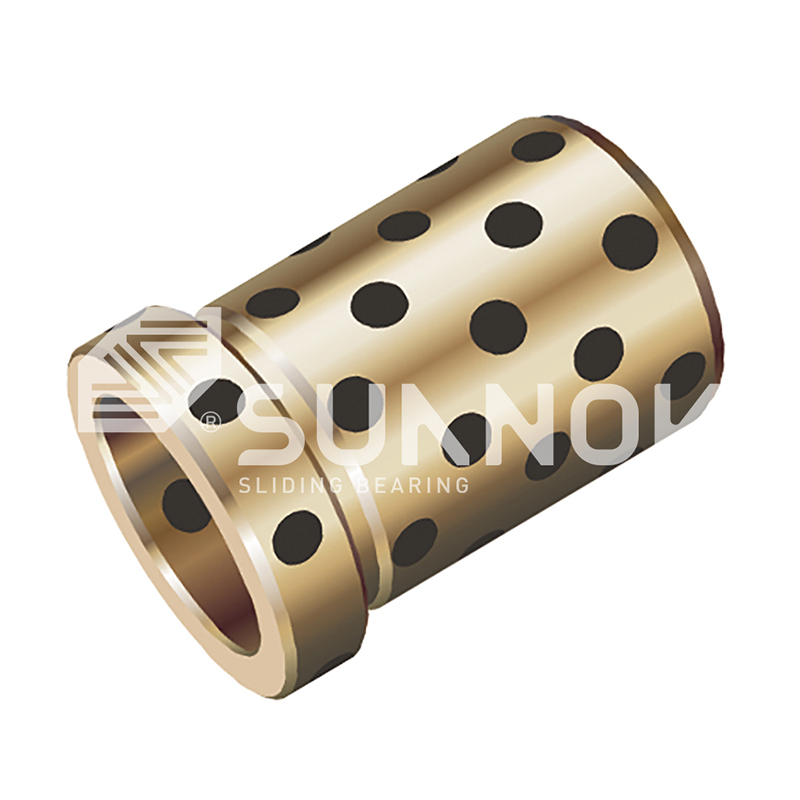 JDB Solid-lubricating Bearing JGBF Brass Oilless Ejector Flanged Guide Bearings Bushings
 -
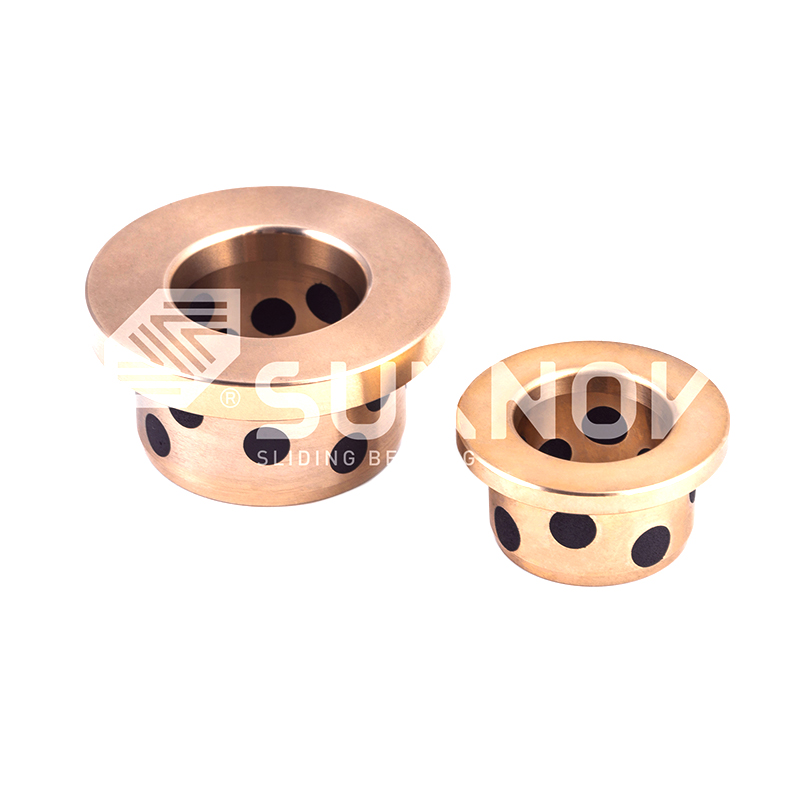 JDB Solid-lubricating Bearing Flanged Graphite Plugged Bronze Bushing, Self Lubricating Oilless Bronze Sleeve Bearing GB71 NAAMS
 -
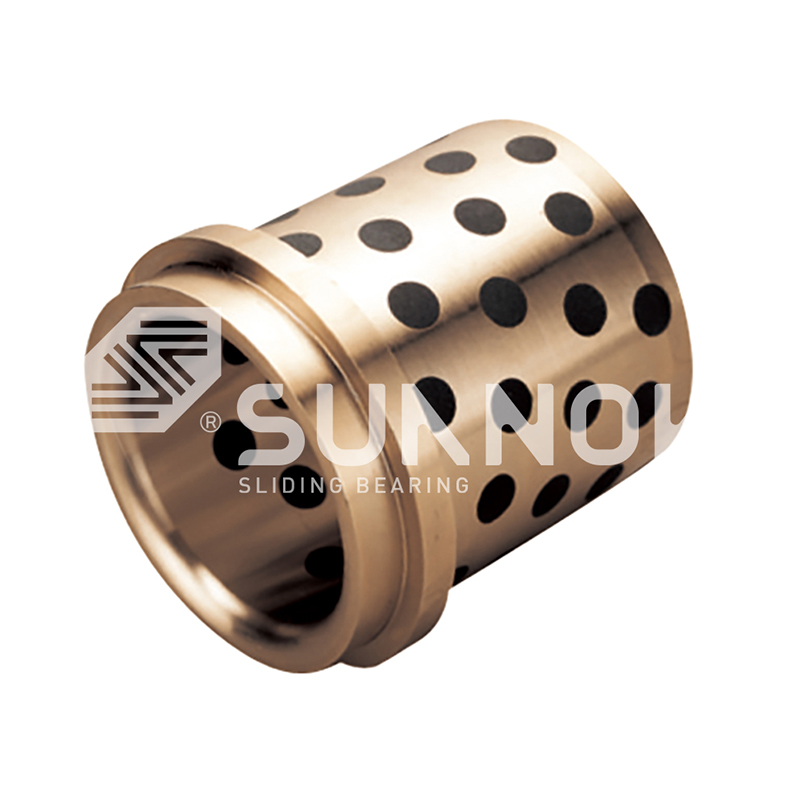 JDB Solid-lubricating Bearing Dual Flange Embedded Graphite Bronze Sleeve Bearing, High Load Maintenance Free Brass Bushing GB61 NAAMS
Sintered Bronze Bushings vs Solid Bronze Bushings: A Practical Selection Guide
Industry News-Content
An engineer who replaces a grease-lubricated solid bronze bushing every six weeks can often extend the interval beyond a year by switching to an oil-impregnated sintered bronze bushing, while the same sintered part will fail early under a continuous high-load, high-speed duty that needs the dense wall and external oil feed of solid bronze. Porosity is what separates them.
What separates sintered and solid bronze bushings
Sintered bronze bushings are made by compacting bronze powder and sintering it into a porous structure that stores oil, while solid bronze bushings are machined from fully dense cast or extruded bar and rely on lubricant supplied from outside the bore. That one difference drives every other comparison in this article.
The sintered route: powder, press, and furnace
Bronze powder is pressed in a die to near-final shape and heated in a furnace to bond the particles, leaving a controlled 15 to 25 percent network of interconnected pores that is vacuum-impregnated with oil. The process is near net shape, which makes sintered bushings efficient for standard metric sizes and high volume. When a stronger steel shell is required under the porous layer, Zhejiang Shuangnuo Bearing Technology Co., Ltd. supplies such a design as an oil-retaining bimetallic bearing with a sintered copper layer on a steel backing.
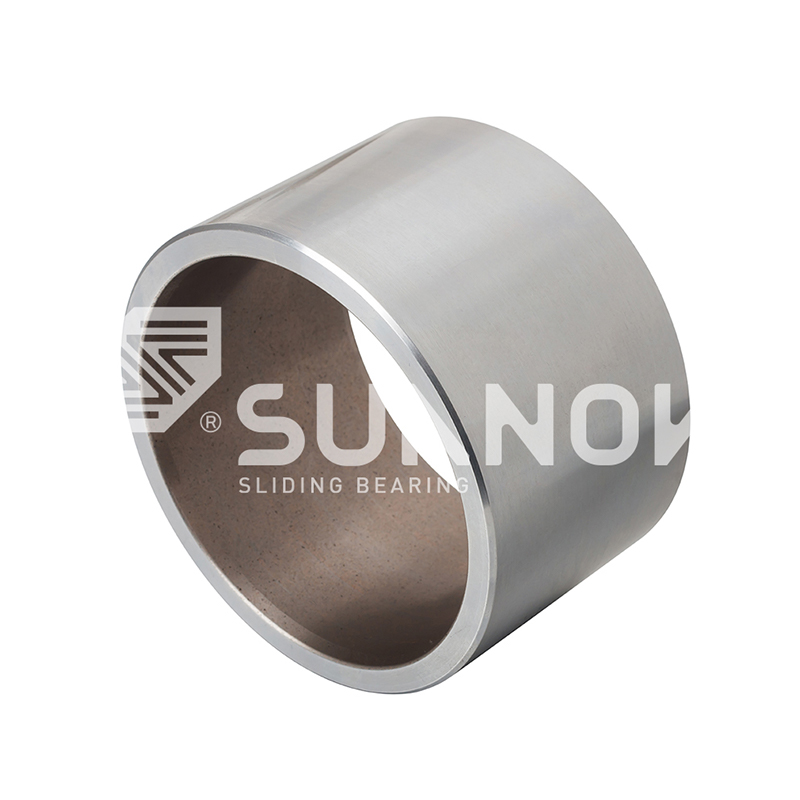 Wholesale 200#B Oil-Retaining Bimetallic Bearing (Steel Backing+Copper Sinter WiZhejiang Shuangnuo Bearing Technology Co., Ltd. Is China 200#B Oil-Retaining Bimetallic Bearing (Steel Backing+Copper Sinter With Solid L...View Product →
The solid route: cast bar, then machining
Solid bronze bushings start as centrifugal or continuous cast bar and are finished by turning, boring, and broaching. There is no intentional porosity, so the wall is fully dense, carries higher stress, and allows large diameters, flanged bodies, keyways, oil grooves, and non-standard alloys such as aluminum bronze or high-lead tin bronze.
A sintered bronze bushing is a pressed-and-sintered porous bronze component that stores oil in 15 to 25 percent interconnected pores and releases it by thermal expansion during operation. A solid bronze bushing is a fully dense machined component that depends on grease or oil supplied from outside the bore, or on solid lubricant plugs embedded in the wall.
Structural differences that decide performance
Porosity is the single property that divides the two bushing families, because it creates self-contained oil storage at the cost of compressive strength, impact toughness, and maximum operating temperature.
| Property | Sintered bronze bushing | Solid bronze bushing |
| Porosity | 15 to 25 percent, interconnected | Essentially zero |
| Oil storage | Internal pores, vacuum impregnated | None; external grease or oil required |
| Typical PV limit at low speed (MPa-m/s) | 1.8 oil-impregnated | 5.6 with machined oil grooves |
| Relative static load capacity | Roughly 50 percent of solid at equal size | Baseline (highest) |
| Maximum practical diameter | Limited by press and sintering furnace | Limited only by casting and machining |
| Bore tolerance | IT6 to IT7 after sizing | IT5 to IT7 machined |
Load capacity, PV limits and wear life
For continuous high loads, solid bronze is the safer material; for moderate loads with maintenance-free operation, sintered bronze is the working solution. The engineering shorthand is the PV limit, the product of bearing pressure and sliding velocity.
A typical oil-impregnated sintered bushing is rated near 1.8 MPa-m/s in continuous low-speed service, while a grooved solid bushing with force-fed oil reaches roughly 5.6 MPa-m/s; the practical consequences are covered in our bronze bushing PV limits and upgrade strategy guide.
15-25%Interconnected porosity in sintered bronze; near zero in solid bronze
2xHigher static load capacity of solid bronze at equal dimensions
1.8Typical PV limit (MPa-m/s) for an oil-impregnated sintered bushing
5.6Typical PV limit (MPa-m/s) for a grooved solid bushing with oil feed
Typical design values in MPa-m/s for bushings on hardened shafts at surface speeds below 0.5 m/s. Actual limits depend on temperature, cooling, and shaft finish.
Wear life follows the same pattern. Fully lubricated solid bronze holds its bore geometry longer at speed, so sintered bronze is rarely specified for continuously rotating shafts above 0.5 m/s unless the load is light. In oscillating, stop-start, or poorly lubricated duty, sintered bronze often survives better because it does not depend on a lubricator reaching the crown of the bore. Shaft hardness above HRC 45 and finish finer than Ra 0.8 are recommended for both; a deeper look at sintered versus cast bronze bushing longevity appears in our maintenance analysis.
Friction, film formation and running behavior
Sintered bronze forms its own oil film without external supply, while solid bronze needs grooves and a lubricant source, but once lubricated it tolerates far harsher continuous running.
The sintered mechanism is thermal: as the shaft heats the bore, oil in the pores expands to the surface and forms a boundary film; when the bearing cools, oil is drawn back in. The reserve is finite and eventually needs re-impregnation. Solid bronze cannot store oil, so friction depends on groove geometry, viscosity, and supply pressure; when these are correct, it runs cooler and holds clearance much longer at speed.
Where external oil is unacceptable but duty is too severe for a plain porous wall, a cast bronze bushing with solid lubricant plugs, such as the JDB600 cast bronze self-lubricating bearing, supplies the dense structure of solid bronze with built-in dry lubricant delivery.
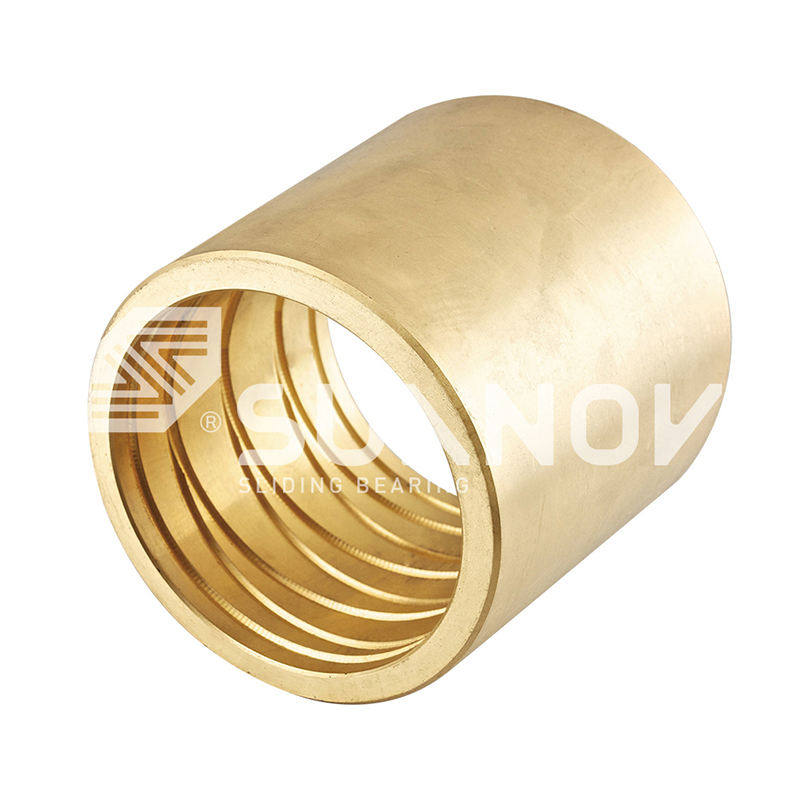 Wholesale JDB-600 Cast Self-Lubricating Bronze Guide Bushing Bearing Suppliers, Zhejiang Shuangnuo Bearing Technology Co., Ltd. Is China JDB-600 Cast Self-Lubricating Bronze Guide Bushing Bearing Suppliers, Company, W...View Product →
Choose sintered bronze when
- Maintenance access is poor or the machine runs unattended
- Duty is oscillating, stop-start, or intermittent
- Load is moderate and surface speed stays low
- Standard metric sizes and production volumes above 1,000 pieces
Choose solid bronze when
- Shaft speed and PV are high and continuous
- Static or impact loads approach sintered material limits
- Cooling and lubrication supply are available
- Large bores, flanges, keyways, or non-standard alloys are needed
Cost, tolerances and manufacturing constraints
Sintered bronze wins at high volume and standard sizes; solid bronze wins where machining flexibility, large bores, or non-standard alloys drive the job.
Sintering has a tooling cost that amortizes over volume, followed by low per-piece material and machining cost. The solid route uses cast bar and pays for every turned chip, but needs no die, so it is cheaper for one-off repairs and prototypes. Press and furnace size also limit sintered parts to compact diameters, typically under 150 mm, while solid bronze can reach several hundred millimeters.
Tolerances differ for the same reason. Sintered bushings are sized or coined after sintering and commonly hold IT6 to IT7 bores; machined solid bronze holds IT5 to IT7 with full control of concentricity, flange squareness, and finish, which is what the oilless bronze bushing tolerance and installation guide explains in practical terms.
Selection process in four steps
Define load, speed, lubrication access, and production volume; the correct bushing family then becomes obvious.
- Calculate the PV value at the operating point and compare it with the 1.8 and 5.6 MPa-m/s references above. If the value exceeds the sintered limit at the required life, move to solid bronze.
- Check lubrication access. If the bearing position is enclosed, unattended, or contaminated, sintered bronze's internal oil reserve is a decisive advantage.
- Set bore dimensions, tolerance, flanges, and quantity. Standard metric sizes above 500 pieces favor sintered; large bores, non-standard alloys, and short runs favor machined solid bronze.
- Confirm material composition and mechanical data with the manufacturer. Zhejiang Shuangnuo Bearing Technology Co., Ltd. provides spectrochemical analysis and mechanical test reports for both sintered and cast bronze products.
For compact high-load assemblies with no maintenance access, an SF1B bronze-based sintered bearing from the SF-1 family is a practical middle option because its polymer blended overlay raises load capacity while keeping the bore maintenance-free.
 Wholesale High Load Capacity, Low Friction SF-1B Bronze Bearing | Self-LubricatiZhejiang Shuangnuo Bearing Technology Co., Ltd. Is China High Load Capacity, Low Friction SF-1B Bronze Bearing | Self-Lubricating Bronze ...View Product →
Frequently asked questions
Short answers to the questions engineers ask most often when comparing these two bushing materials.
Is sintered bronze stronger than solid bronze?
No. The porosity that allows sintered bronze to store oil also lowers its compressive and tensile strength. A typical sintered bronze bushing carries roughly half the static load of the same-size solid bronze bushing, so solid bronze is specified whenever yield strength dominates the design.
Which bushing lasts longer, sintered or solid bronze?
It depends on lubrication. Without an external lubricant, sintered bronze usually outlasts dry solid bronze because its pores release oil exactly where friction heats the bore. With equal lubrication, solid bronze resists wear longer at high speed and high PV because its dense wall maintains clearance and dissipates heat better.
Can a sintered bronze bushing run without oil?
For thousands of hours, yes, but not forever. The oil stored in the pores is consumed by evaporation, oxidation, and migration, and the bushing must eventually be re-impregnated or replaced. Intermittent and oscillating duty extends that period; continuous high-speed service shortens it dramatically.
What tolerances are available for bronze bushings?
Sintered bronze bushings are sized after sintering and typically hold IT6 to IT7 bore tolerances. Solid bronze bushings are machined and can be held to IT5 to IT7 with control of roundness, concentricity, flange squareness, and surface finish. Both routes accommodate flanged, sealed, or non-standard alloy variations.
Recommended NEWS:
Bronze Wrapped Bushings for Heavy Machinery: Durable Solutions for Demanding Applications
Self-Lubricating Bronze Bushings: Benefits, Cost Savings, and Selection Guide
Bronze Bushing Bearing FB090: Key Features & Benefits for Industrial Applications
Solid Lube Bearings: A Comprehensive Guide to Maintenance-Free Solutions
Self-Lubricating Copper Alloy Bearings: The Future of Solid-Lubricating Bearings and JDB-600 Casting Bronze Bearings
Why Solid-Lubricating Bronze Bearings Are the Future of Low-Maintenance Machinery
Recommended LINS:
Contact Us //
Have Questions? Get in Touch!

Zhejiang Shuangnuo Bearing Technology Co., Ltd. specializes in the production of various self-lubricating copper alloy bushing bearings products
Quick Links
Related Products
Contact
- Add: No. 69, Tingyao East Road, Ganyao Town Industrial Zone, Jiashan County, Zhejiang Province, China
- Tel: +86-15957371801
- Fax: +86-0573-84038630
- Email: [email protected]
[email protected]
© 2024 Zhejiang Shuangnuo Bearing Technology Co., Ltd.
Custom Self-Lubricating Copper Alloy Bearings
