


 русский
 Español
-
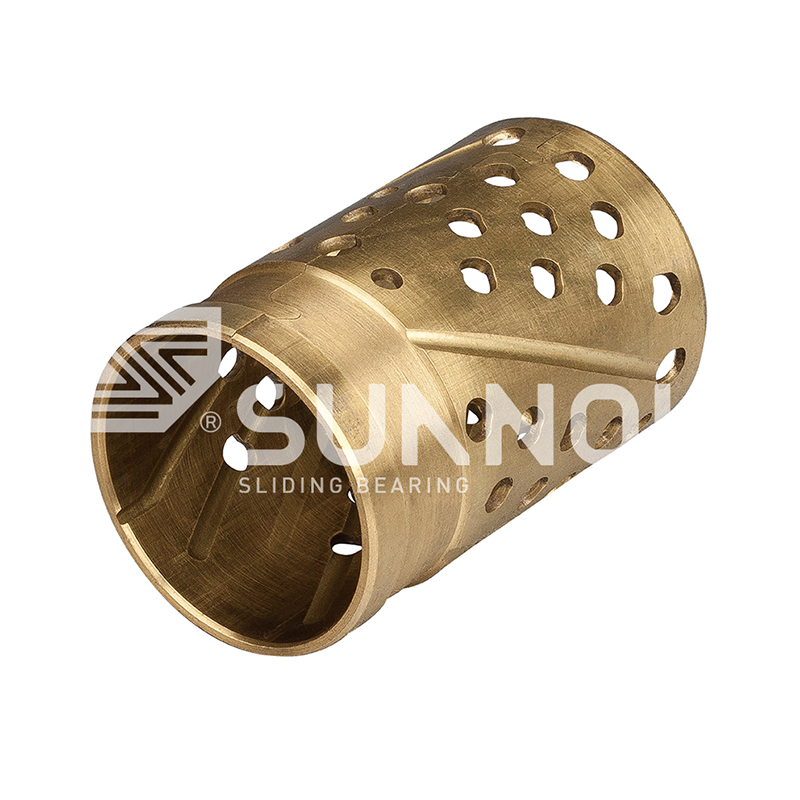 FB090 Bronze Wrapped Bearing FB091 High-Performance Copper Wrapped Bearing & Bushing | Bronze Bush
 -
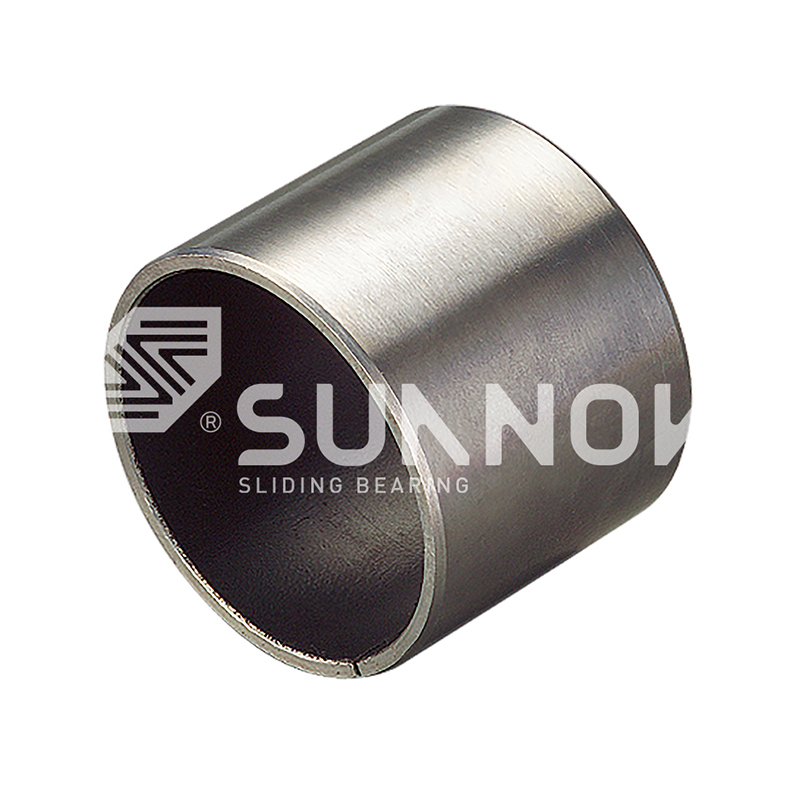 SF-1 Oilless Bearing Self Lubricating SF-1T Metal Gear Pump Bearing Bronze Bushings
 -
-
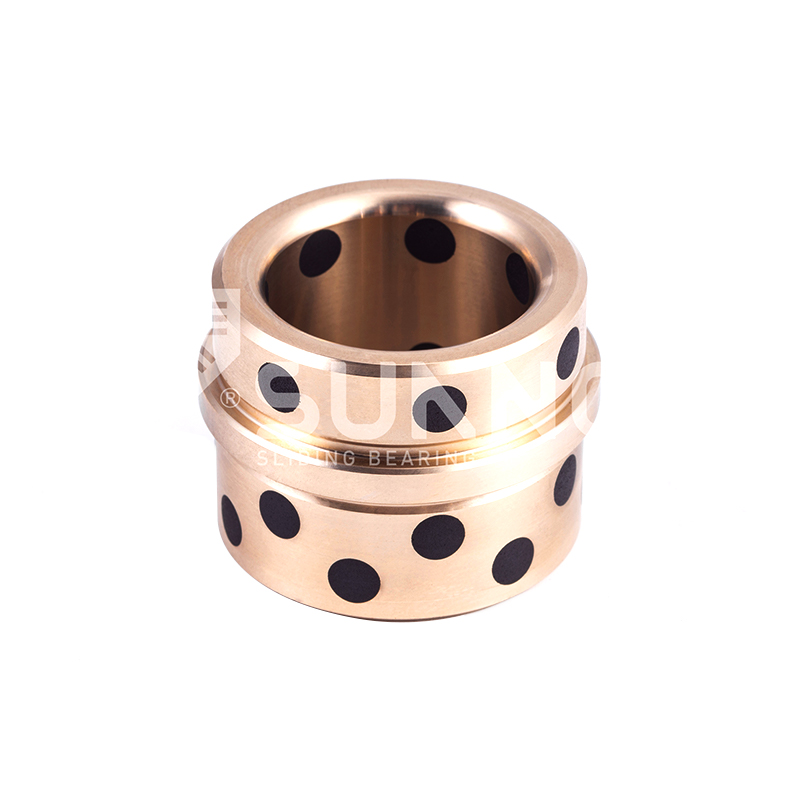
 SF-2 Boundary Lubricating Bearing SF-2Y Boundary Self-lubricating Bearing - Low Friction Dry Lubricant Bushings for Industrial Machinery
 -
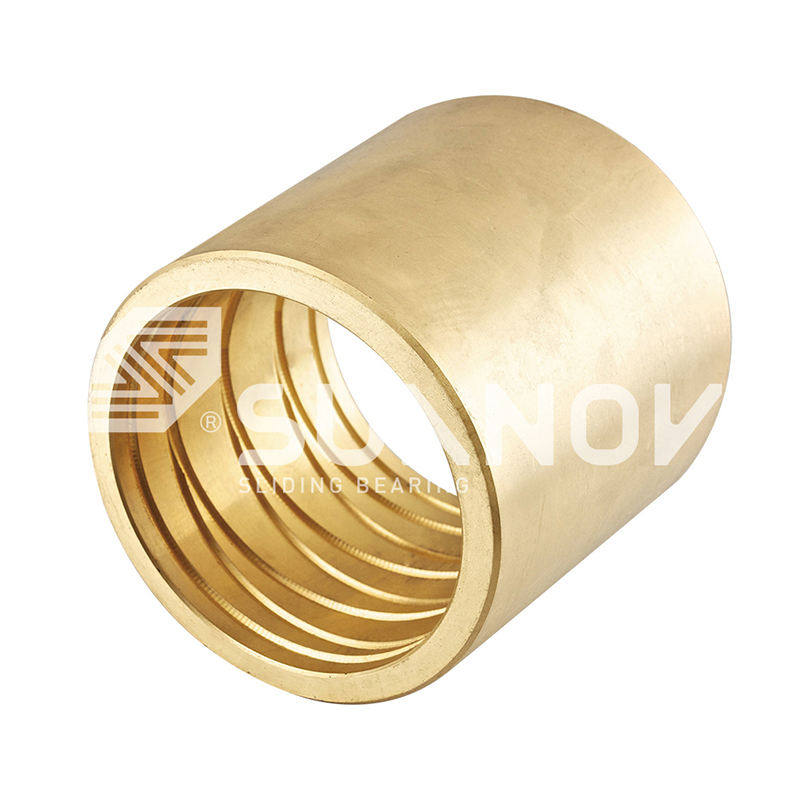 JDB-600 Casting Bronze Bearing JDB-600 Bronze Bushing with Internal Spiral Oil Grooves, Tin Bronze Oil Groove Bushing
 -
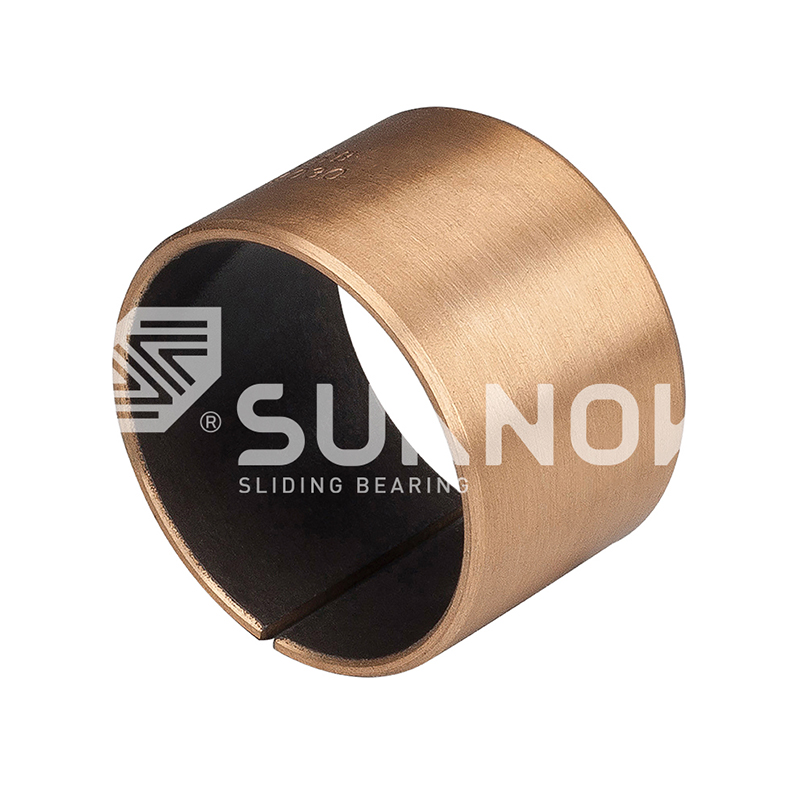
-
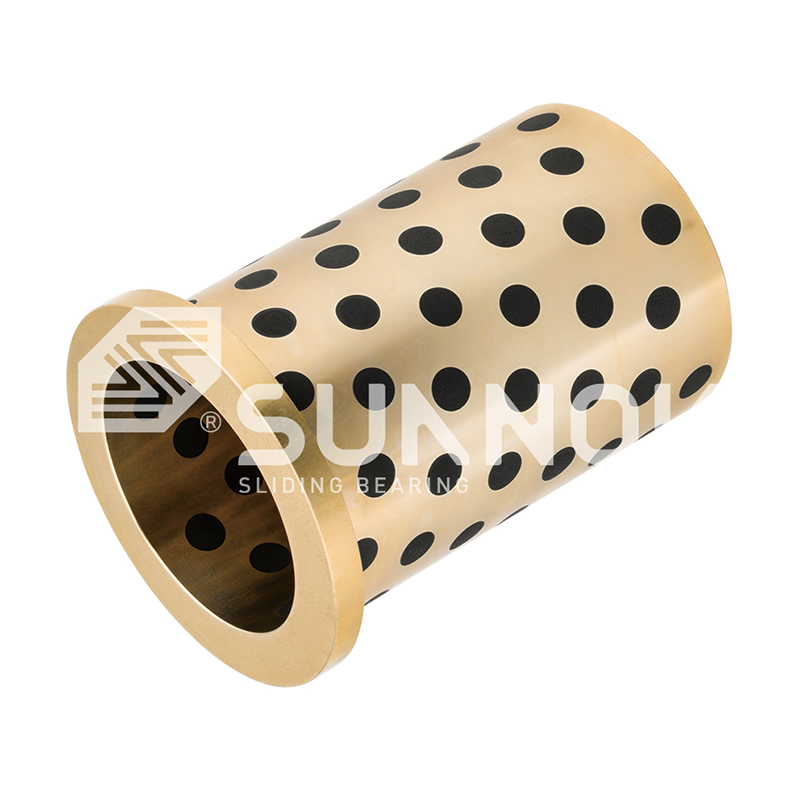 JDB Solid-lubricating Bearing One-Flange Self-lubricating Bronze Bushing Graphite Plugged Sliding Sleeve Bearing JEFW
 -
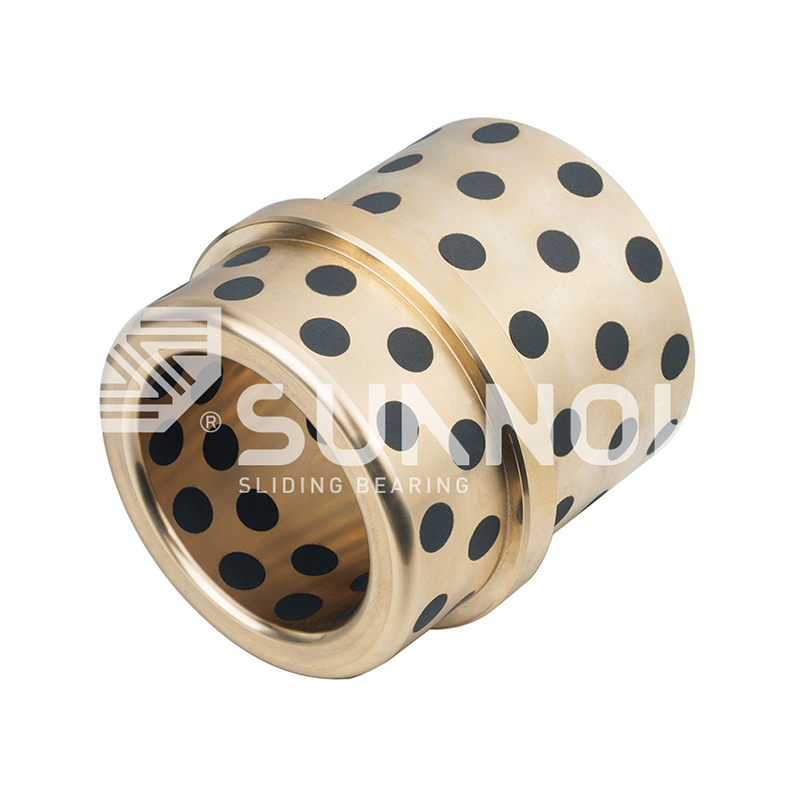 JDB Solid-lubricating Bearing Stepped-Flange Self-lubricating Bronze Bushing Graphite Plugged Sliding Sleeve Bearing JOSG
Quality Standards for Bronze Bushing Manufacturing: Materials, Tolerances & Testing
Industry News-Content
- 1 What Defines a Quality Bronze Bushing?
- 2 Material Composition and Alloy Grades
- 3 Manufacturing Process Standards
- 4 Dimensional Tolerances and Machining Quality
- 5 Testing and Quality Verification
- 6 Performance Benchmarks: PV Limits and Wear Rate
- 7 Practical Checklist When Auditing a Bronze Bushing Supplier
Three months after a maintenance engineer installed 50 replacement bronze bushings in a production press, nearly a third of them had to be pulled from service. Bore surfaces were scored, several bores had ovalized beyond the specified H8 tolerance, and a few bushings had seized onto their shafts completely. The purchase order called for C93200 tin bronze. The delivered parts were a low-tin brass that the supplier had substituted without any engineering review.
That scenario is more common than it should be. It happens when quality standards for bronze bushing manufacturing are treated as paperwork instead of production discipline. A reliable bronze bushing is not defined by a certificate or a polished surface, but by controlled material chemistry, sound casting practice, precise machining, and verification at every stage. When one link breaks, predictable performance becomes guesswork.
This article explains the standards that separate trustworthy bushings from early failures: alloy chemistry, process control, tolerances, testing, and performance benchmarks.
What Defines a Quality Bronze Bushing?
A quality bronze bushing consistently delivers:
- Correct material chemistry for the intended load, speed, and environment
- Structural soundness, free from porosity, shrinkage, and non-metallic inclusions
- Dimensional accuracy matching the specified fit and clearance
- Predictable wear life under the stated pressure-velocity (PV) conditions
- Traceability back to raw material melts and inspection records
These attributes are measurable. Reference standards such as ASTM B505, ISO 4382-1, and GB/T 1176 set minimum compositions and properties for cast copper alloys. A serious manufacturer treats these as a baseline and controls to tighter internal limits. The practical question is not whether a supplier can quote a standard, but whether it can demonstrate compliance batch by batch.
Material Composition and Alloy Grades
Chemistry determines nearly every service property of a bronze bushing: hardness, wear resistance, corrosion resistance, embeddability, and fatigue strength. Three alloy families cover the majority of bushing applications.
Tin Bronzes
Tin bronzes such as C93200, C93700, and C90700 combine good wear resistance with excellent conformability and embeddability. Tin content in the 6–11% range raises hardness and reduces adhesion tendency, while lead additions improve machinability and emergency running properties. These alloys are the default choice for general machinery bushings, and deviations in tin content are the most common cause of premature failure.
Aluminum Bronzes
Aluminum bronzes such as C95400 and C86300 offer significantly higher strength and better resistance to shock and impact loading. Aluminum in the 9–14% range, often with iron and nickel, refines the grain structure and produces a hard, wear-resistant surface. They are preferred for heavy machinery, construction equipment, and mining applications where load capacity matters more than conformability.
Brasses and Lead-Free Alternatives
Brasses are lower in cost and easier to machine, making them attractive for high-volume, moderate-load applications. The JDB650 brass-based self-lubricating bushing is one example: the brass matrix carries the compressive load while embedded graphite plugs handle boundary lubrication. Lead-free alternatives are becoming mandatory in food processing and environmental compliance scenarios, changing both alloy selection and testing requirements. Whatever the family, the quality standard is the same: the delivered part must match the specified grade. A comparison of tin bronze and brass bearing alloys shows how these differences translate into service life.
 Wholesale JDB650 Self-Lubricating Brass Bushing Oilless Bearings Suppliers, CompZhejiang Shuangnuo Bearing Technology Co., Ltd. Is China JDB650 Self-Lubricating Brass Bushing Oilless Bearings Suppliers, Company, We Wh...View Product →
Manufacturing Process Standards
Casting method has a direct effect on density, grain structure, and soundness of a bronze bushing. Four production routes dominate, and each has distinct quality characteristics.
Centrifugal Casting
Centrifugal casting produces dense rings and thick-wall bushings by pouring molten bronze into a rotating mold. Centrifugal force drives gas and inclusions toward the inner diameter, where machining removes them. Rotation speed and pouring temperature must be controlled tightly: too slow a spin leaves porosity, while excessive speed causes alloy segregation.
Continuous Casting
Continuous casting draws solidifying bronze through a water-cooled die, producing bar stock with a fine, uniform grain structure and minimal shrinkage porosity. It delivers consistent mechanical properties along the full bar length and is widely preferred for bushing blanks.
Powder Metallurgy and Sintering
Oil-retaining and bimetal bushings rely on sintering rather than melting. Bronze powder is compacted against a steel backing and sintered to create a controlled porosity network that holds lubricant. Quality depends on powder particle size, compaction pressure, sintering temperature, and atmosphere control. Wrapped bronze bushings follow a similar logic, with a sintered bronze layer bonded to a rigid shell.
A quality manufacturer publishes its process windows and enforces them: melt temperature, pouring rate, mold preheat, rotation speed, and cooling gradient, checked continuously rather than set once at the start of a shift. The JDB600 casting bronze bearing is produced under this level of control, with spectroscopic verification at every melt stage.
 Wholesale JDB-600 Cast Self-Lubricating Bronze Guide Bushing Bearing Suppliers, Zhejiang Shuangnuo Bearing Technology Co., Ltd. Is China JDB-600 Cast Self-Lubricating Bronze Guide Bushing Bearing Suppliers, Company, W...View Product →
Dimensional Tolerances and Machining Quality
Dimensions and tolerances define whether a bushing fits, aligns, and maintains the correct lubricant film. These standards are expressed through ISO tolerance grades. A typical bushing carries an H7 or H8 bore tolerance, an m6 or n6 housing fit, and a surface roughness of Ra 0.4 to 1.6 µm depending on the application.
The fit class controls running clearance. For a 50 mm shaft, an H7/f7 fit produces a clearance between 0.025 and 0.075 mm, which suits many general applications. Precision spindles require tighter clearance; heavy impact machinery needs more. Too little clearance causes heating and seizure; too much leads to vibration, impact loading, and accelerated wear.
Machining quality extends beyond nominal diameter. Roundness, bore-to-OD concentricity, straightness, and surface finish determine service behaviour. A part that is within nominal size but has 0.05 mm ovality will wear unevenly within the first few hundred hours. Bore gauges, air gauging, and CMM inspection verify these features. Our metric bronze bearing tolerance selection guide provides practical fit ranges for common applications.
Testing and Quality Verification
Testing is not a one-time event. A manufacturer that follows genuine quality standards inspects the material, the process, and the finished part. The core verification steps are:
- Spectrometric analysis. Optical emission spectroscopy (OES) at the furnace, before and after pouring, confirms copper, tin, lead, zinc, aluminum, iron, nickel, and phosphorus against the grade specification.
- Mechanical testing. Hardness (HB or HRB), tensile strength, yield strength, and elongation are measured from representative samples of each melt.
- Porosity inspection. Machined surfaces are visually inspected, and dye penetrant or ultrasonic testing is applied to critical components to detect internal shrinkage cavities.
- Dimensional verification. Critical features are fully gauged per batch, with statistical process control on high-volume runs.
- Third-party certification. Accredited laboratories independently verify composition and mechanical properties, issuing certificates traceable to the batch and production date.
A supplier that cannot show spectrometer printouts, calibration records, process logs, and retained samples is asking the buyer to accept quality on faith. For self-lubricating designs, testing should also cover solid lubricant plug material, embedment depth, and plug retention strength.
Performance Benchmarks: PV Limits and Wear Rate
The pressure-velocity (PV) factor is the fundamental design limit for a bronze bushing. It expresses how much frictional heat a bearing can dissipate at a given load (N/mm²) and sliding speed (m/s). Quality standards define maximum static load, maximum sliding velocity, maximum PV at room temperature, and derating curves for elevated temperature or oscillation.
Wear rate is the second benchmark, usually expressed in µm/km or mm/hour. It is driven by the alloy's hardness, cleanliness, and transfer-film behaviour. A bushing from a well-controlled production line typically shows wear rates two to three times lower than an unbranded part of the same nominal grade, because porosity, impurities, and machining damage cause early wear. This difference rarely appears on a test bench; it shows up in service. Our PV limit and wear rate analysis explains how to measure and compare these values.
The FB090 bronze wrapped bearing achieves high PV performance by combining a rigid bronze or steel shell with a sintered bronze inner layer, giving both structural strength and even load distribution across the sliding surface.
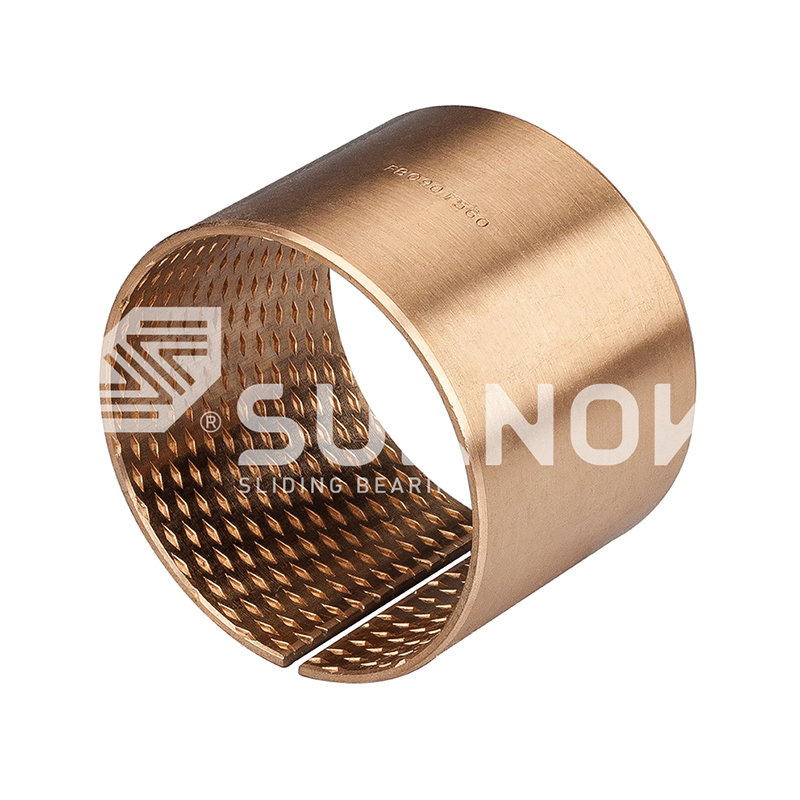 Wholesale FB090 Bronze Wrapped Bearing | Self-Lubricating Bushing & Sleeve SupplZhejiang Shuangnuo Bearing Technology Co., Ltd. Is China FB090 Bronze Wrapped Bearing | Self-Lubricating Bushing & Sleeve Suppliers, Comp...View Product →
Practical Checklist When Auditing a Bronze Bushing Supplier
When you audit a potential supplier, look for documented evidence rather than assurances. The table below summarizes what to verify and why it matters.
| Checkpoint | What you want to see | Why it matters |
|---|---|---|
| Alloy control | OES spectrometer on site; melt certificates per batch | Deviations in tin, lead, or aluminum change wear and strength |
| Casting process | Documented method: centrifugal, continuous, or metal mold | Grain structure and porosity vary significantly by process |
| Tolerances | CMM and air gauging records; IT grade definitions | Fit controls clearance, heat generation, and service life |
| Mechanical data | Hardness, tensile, and yield results per batch | Confirms the alloy meets grade minimums in practice |
| Traceability | Heat numbers on certificates match incoming material | Enables root cause analysis after a field failure |
| Third-party reports | Accredited laboratory test certificates | Independent verification of in-house claims |
| Machining capability | CNC turning capacity and proper inspection fixtures | Prevents concentricity and surface quality problems |
What Quality Means for Delivery Performance
Quality standards also extend to delivery. Consistent batch-to-batch properties, on-time shipment, and a documented corrective action system protect the customer's production schedule. A manufacturer that controls its own casting and machining, such as one operating over 80 CNC machines alongside its foundry, shortens lead times and removes the material substitution risk of buying blanks from an outside foundry.
When you evaluate a bronze bushing supplier, ask for records, not rhetoric. The standards are published, the test methods are established, and the inspection technology is proven. The only variable is whether the manufacturer applies them consistently.
Recommended NEWS:
Dimensional Tolerances and Installation Guidelines for Oilless Bronze Bushing
Bronze Wrapped Bushings for Heavy Machinery: Durable Solutions for Demanding Applications
Bronze Bushing Bearing FB090: Key Features & Benefits for Industrial Applications
Enhancing Performance of Oilless Bronze Bushing through Self-Lubrication and Maintenance Strategies
Beyond Self-Lubrication: Defining the Performance Limits of Lubricating Bronze Bushings
Optimizing Industrial Performance: A Comprehensive Guide to Solid Bronze Bushings
Recommended LINS:
Contact Us //
Have Questions? Get in Touch!

Zhejiang Shuangnuo Bearing Technology Co., Ltd. specializes in the production of various self-lubricating copper alloy bushing bearings products
Quick Links
Related Products
Contact
- Add: No. 69, Tingyao East Road, Ganyao Town Industrial Zone, Jiashan County, Zhejiang Province, China
- Tel: +86-15957371801
- Fax: +86-0573-84038630
- Email: [email protected]
[email protected]
© 2024 Zhejiang Shuangnuo Bearing Technology Co., Ltd.
Custom Self-Lubricating Copper Alloy Bearings
