


 русский
 Español
-
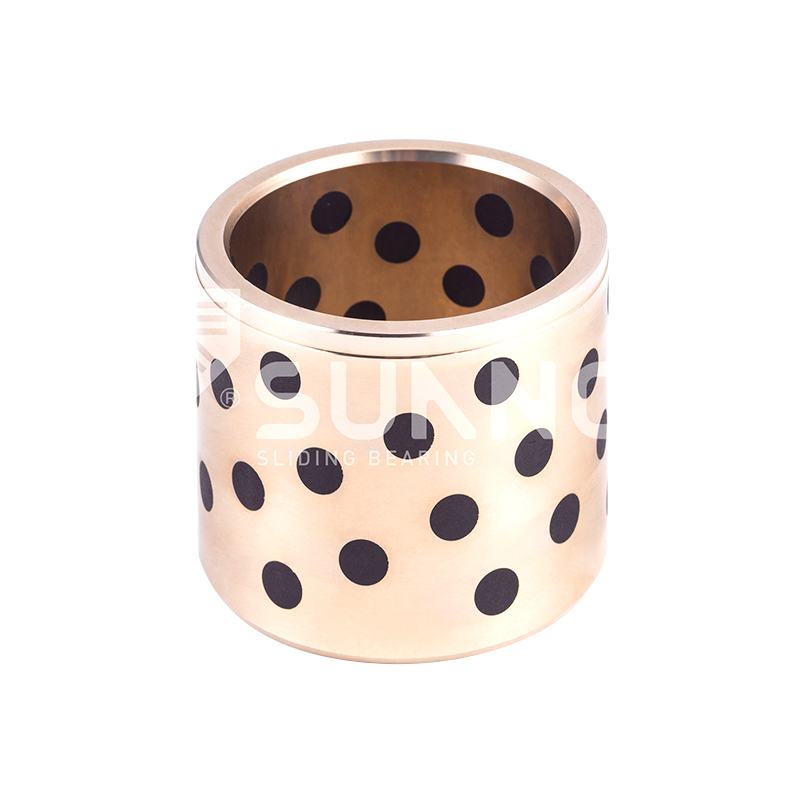 JDB Solid-lubricating Bearing JDB650 Self-Lubricating Brass Bushing Oilless Bearings
 -
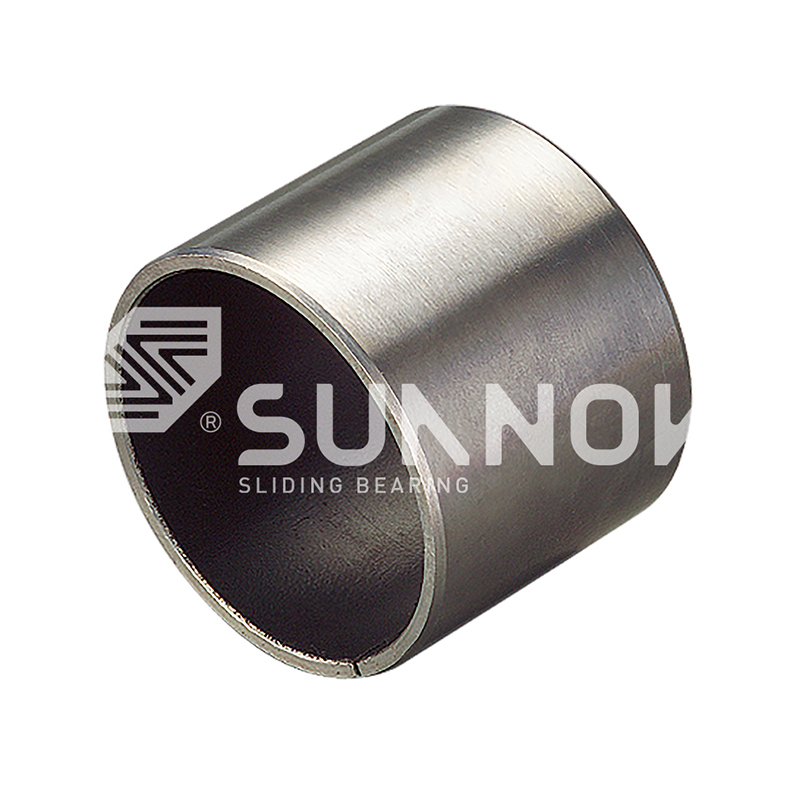 SF-1 Oilless Bearing Self Lubricating SF-1T Metal Gear Pump Bearing Bronze Bushings
 -
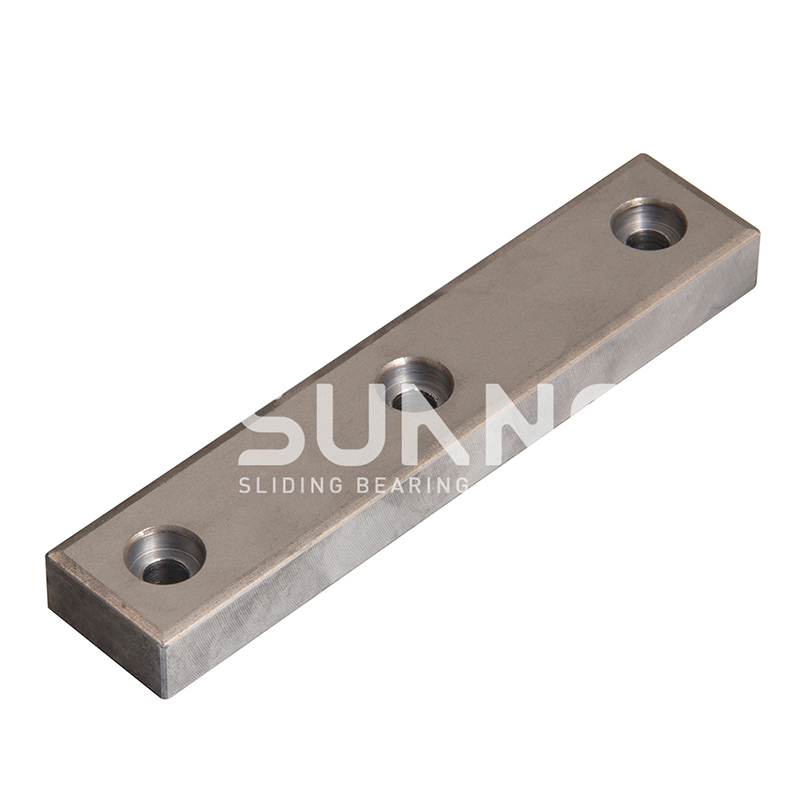 Oil-retaining Bimetallic Bearing Self-Lubricating 200# P20 Steel Graphite Insert Wear Plate / Steel Oilless Wear Strip
 -
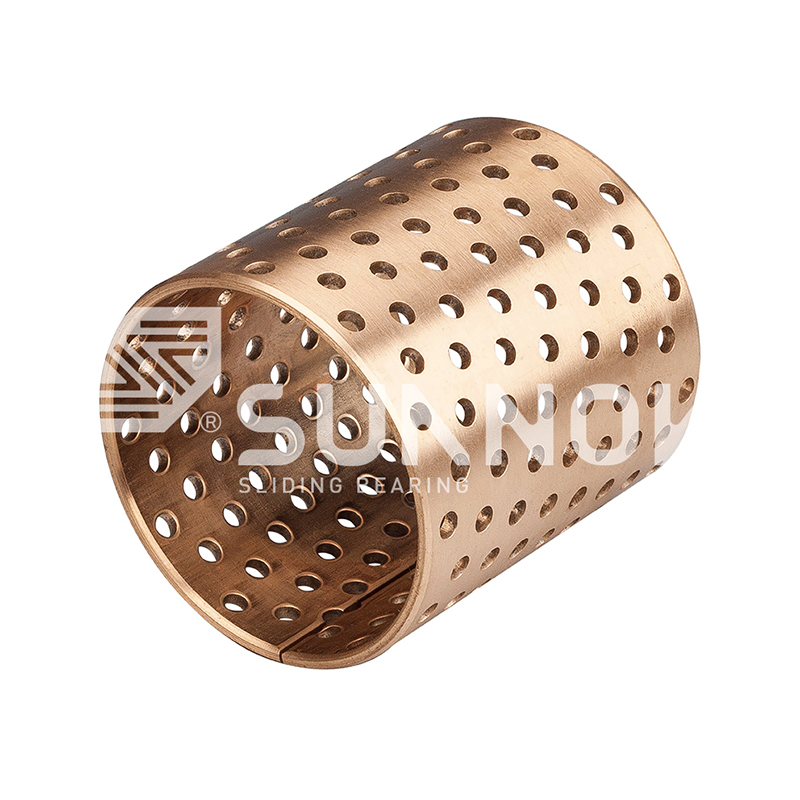 FB090 Bronze Wrapped Bearing FB092 Bronze Wrapped Bearing - Oilless Dry Sliding Bushing Self-Lubricating Bushing
 -
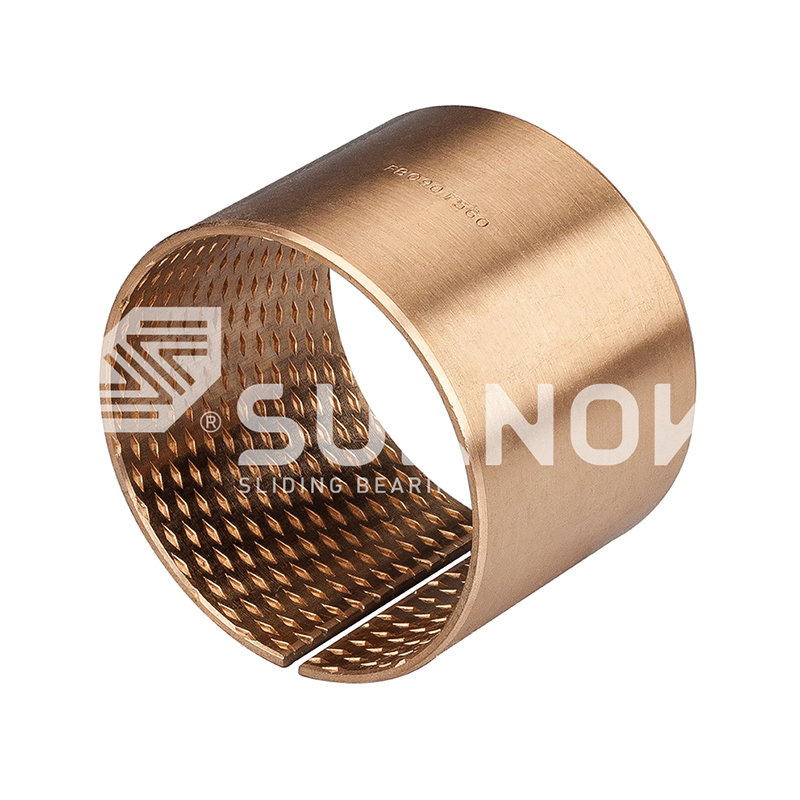 FB090 Bronze Wrapped Bearing FB090 Bronze Wrapped Bearing | Self-Lubricating Bushing & Sleeve
 -
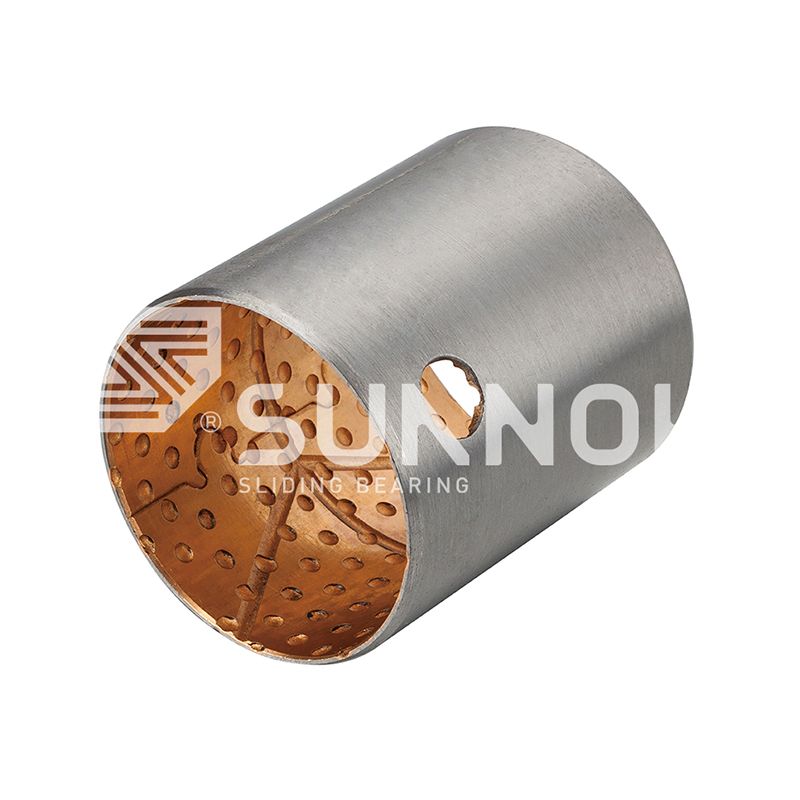 JF-800 Bi-metal Bearing JF-750 Self-Lubricating Lead Free Bi-Metal Bearing for Heavy Duty Engines Low Friction
 -
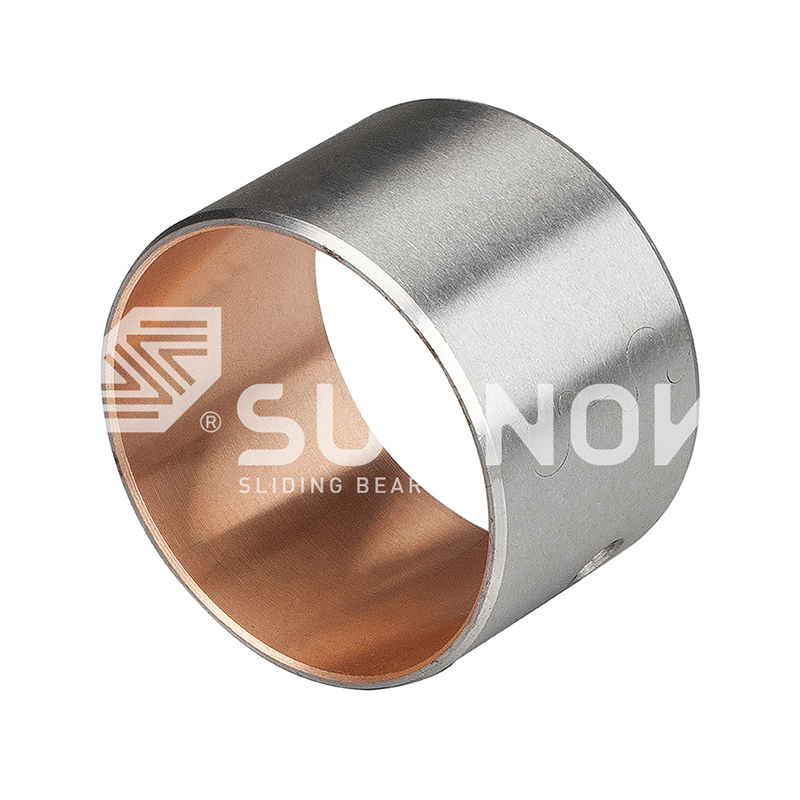 JF-800 Bi-metal Bearing JF-700 Bi-Metal Bearing Heavy Duty Self-Lubricating Sleeve Bushings
 -
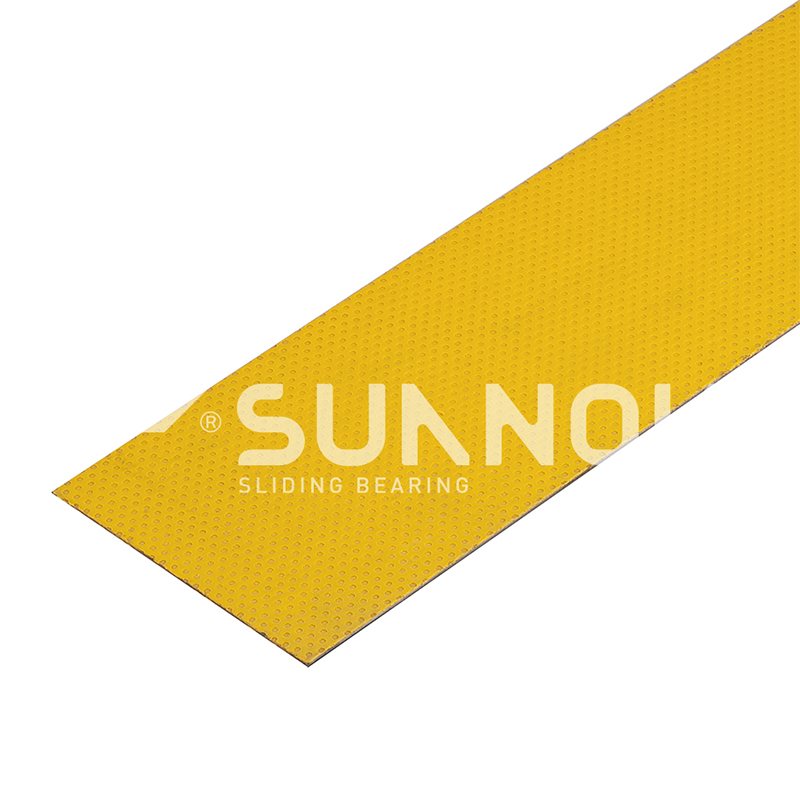 SF-2 Boundary Lubricating Bearing SF-2SP Standard Metric Size Self Lubricating Wear Strip With PTFE
Self-Lubricating vs Traditional Lubricated Bearings
Industry News-Content
A self-lubricating bearing and a traditional grease-lubricated bearing can carry the same radial load rating on paper, yet perform completely differently once installed in a hard-to-reach automation line or a continuously running motor. The real difference sits in how lubrication is delivered, and that single factor drives maintenance cost, downtime risk, and service life.
InternalLubrication source built into self-lubricating bearing materials
ExternalGrease or oil supply required for traditional bearings
LowerMaintenance frequency typical of self-lubricating designs
What Are Self-Lubricating Bearings
Self-lubricating bearings operate with minimal or no external lubrication, relying on engineered materials such as PTFE-based compounds, graphite lubricants, oil-impregnated structures, or composite lubrication layers that release lubricant gradually during operation. That makes them well suited to automation equipment, food processing machinery, and precision systems where manual lubrication is impractical.
What Are Traditional Lubricated Bearings
Traditional lubricated bearings depend on externally supplied grease or oil to form a protective film between moving surfaces, reducing friction, heat, and wear. Their mature technology and strong load capability keep them the standard choice for motors, pumps, and high-speed rotating equipment.
Self-Lubricating vs Traditional: Side by Side
Self-Lubricating Bearing
Built-in lubricating materials provide continuous lubrication. Ideal for dusty, clean, or vacuum environments and hard-to-access installation points. Best suited to low to medium speed and oscillating motion.
Traditional Lubricated Bearing
Requires regular grease or oil application and lubrication monitoring. Delivers strong load capability and excellent high-speed performance through effective heat dissipation.
Maintenance and Environmental Fit
Maintenance frequency is where the two designs diverge most sharply. Self-lubricating bearings reduce lubrication work, equipment downtime, and ongoing maintenance cost, while traditional lubricated bearings require regular inspection, lubricant replacement, and maintenance planning to avoid premature failure.
- Load ConditionsRadial load, axial load, and impact force determine which bearing type carries the application safely.
- Operating SpeedRotation speed drives friction heat and cooling requirements, favoring traditional lubrication at high speed.
- Environmental ConditionsTemperature, dust, moisture, and chemical exposure influence lubrication method suitability.
- Maintenance AccessAccessibility and maintenance frequency often decide whether self-lubrication is worth the tradeoff in speed capacity.
Estimated Maintenance Cost Over Operating Hours
Traditional Lubricated Self-Lubricating
Comparison Table
| Lubrication Method | Internal lubrication materials | External grease or oil |
| Maintenance Requirement | Low maintenance | Regular maintenance required |
| Clean Operation | Excellent | Possible lubricant leakage |
| High-Speed Performance | Moderate | Excellent |
| Heavy Load Capability | Application dependent | Generally strong |
Relative Service Life by Operating Speed Range
High
Good
Fair
Self-lubricating bearing performance relative to speed range
Choosing quickly: Pick a self-lubricating bearing for low-maintenance, hard-to-access, or clean-environment applications. Pick a traditional lubricated bearing for continuous high-speed rotation and heavy-duty machinery.
Common Mistakes When Selecting Bearings
- Choosing only based on priceA lower initial cost may result in higher long-term maintenance expenses.
- Ignoring operating conditionsA bearing suited to normal conditions may fail quickly in harsh temperature, dust, or moisture environments.
- Selecting the wrong lubrication typeAn incorrect match can cause increased friction, premature wear, or equipment failure.
Frequently Asked Questions
Do self-lubricating bearings ever need maintenance?
They still benefit from periodic inspection, but they require far less manual lubrication work than traditional grease or oil lubricated bearings.
Can self-lubricating bearings handle high-speed rotation?
They perform best at low to medium speeds; traditional lubricated bearings remain the stronger choice for continuous high-speed rotation.
Are self-lubricating bearings suitable for food processing equipment?
Yes, their clean operation and reduced lubricant leakage risk make them a common choice in food processing and precision instrument applications.
Which bearing type has a lower total operating cost?
Self-lubricating bearings typically have lower long-term operating cost due to reduced maintenance frequency, though traditional bearings may still be more cost-effective in heavy-duty, high-speed roles.
Recommended NEWS:
Self-Lubricating Copper Alloy Bearings: The Future of Solid-Lubricating Bearings and JDB-600 Casting Bronze Bearings
Self-Lubricating Copper Alloy Bearings: Advantages and Applications in Modern Machinery
Self-Lubricating Copper Alloy Bearings: A Comparative Analysis with JDB-600 Casting Bronze and Oil-Retaining Bimetallic Bearings
How to Determine Whether Self-Lubricating Bronze Bearings Need Replacement
Self-Lubricating Bronze Bushings: Benefits, Cost Savings, and Selection Guide
A Detailed Explanation of the Friction and Wear Resistance of Self-Lubricating Bronze Bearings
Recommended LINS:
Contact Us //
Have Questions? Get in Touch!

Zhejiang Shuangnuo Bearing Technology Co., Ltd. specializes in the production of various self-lubricating copper alloy bushing bearings products
Quick Links
Related Products
Contact
- Add: No. 69, Tingyao East Road, Ganyao Town Industrial Zone, Jiashan County, Zhejiang Province, China
- Tel: +86-15957371801
- Fax: +86-0573-84038630
- Email: [email protected]
[email protected]
© 2024 Zhejiang Shuangnuo Bearing Technology Co., Ltd.
Custom Self-Lubricating Copper Alloy Bearings
