


 русский
 Español
-
-
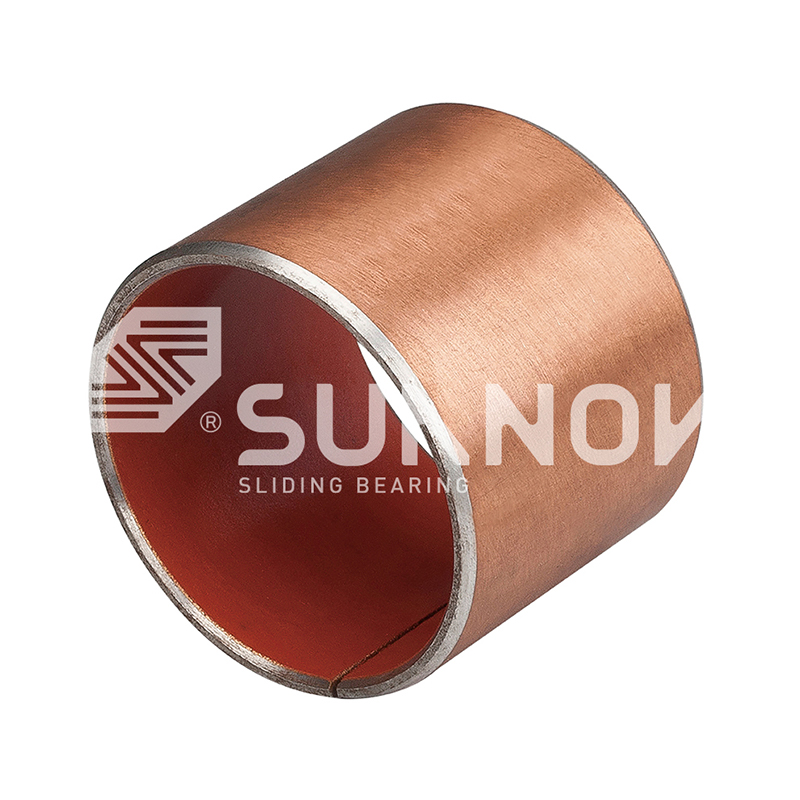 SF-1 Oilless Bearing Maintenance-Free SF-1W Wall Wrapped Lead-Free Bronze Bearing Oilless Bearing Bush
 -
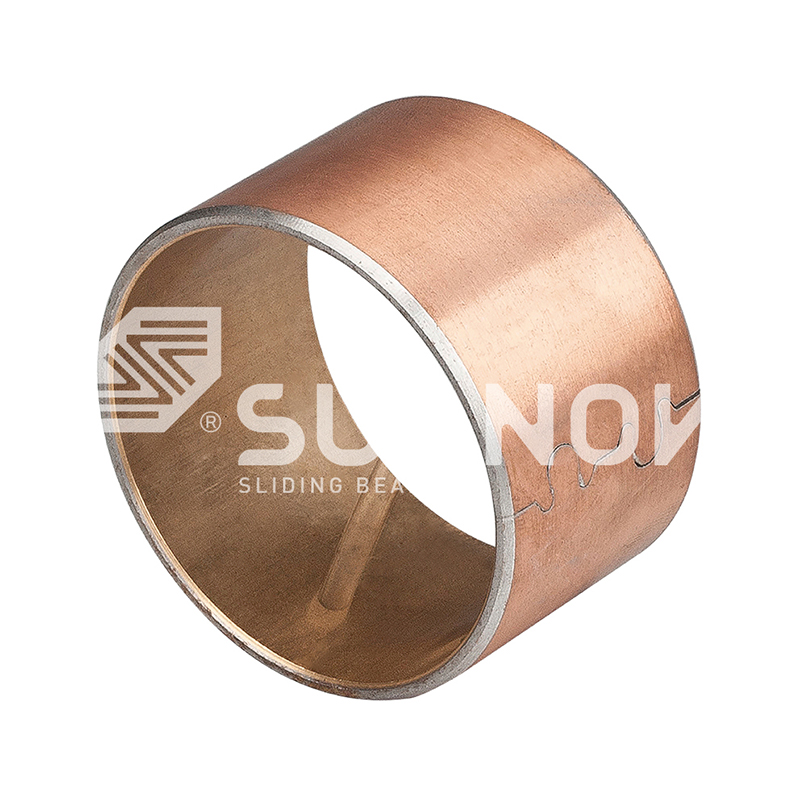 JF-800 Bi-metal Bearing JF-720 Tin Bi-Metal Bearing Bushings Sleeves For Low Friction and Wear-Resistant Applications
 -
-
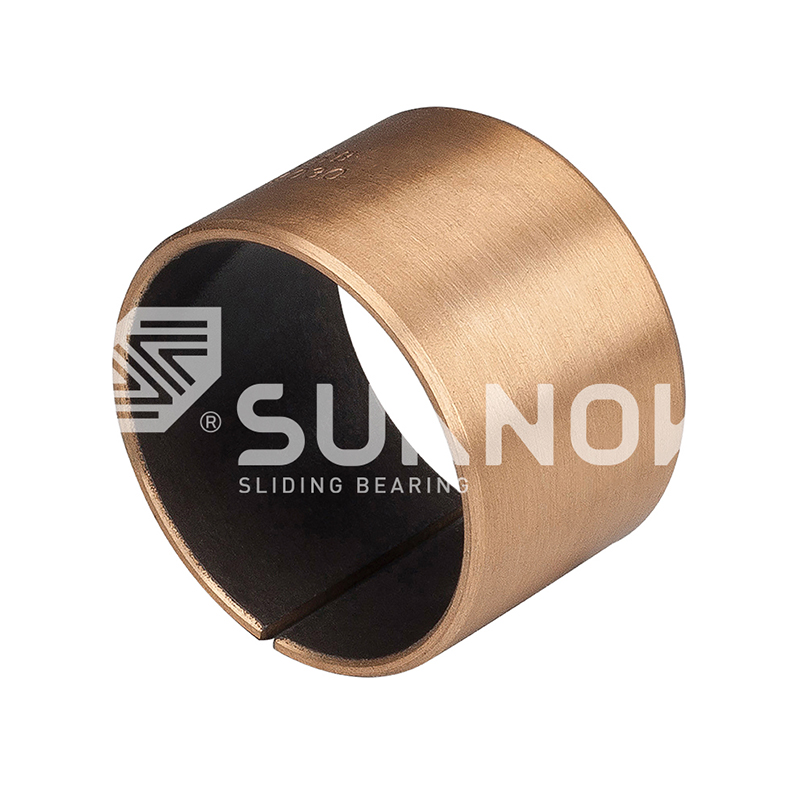
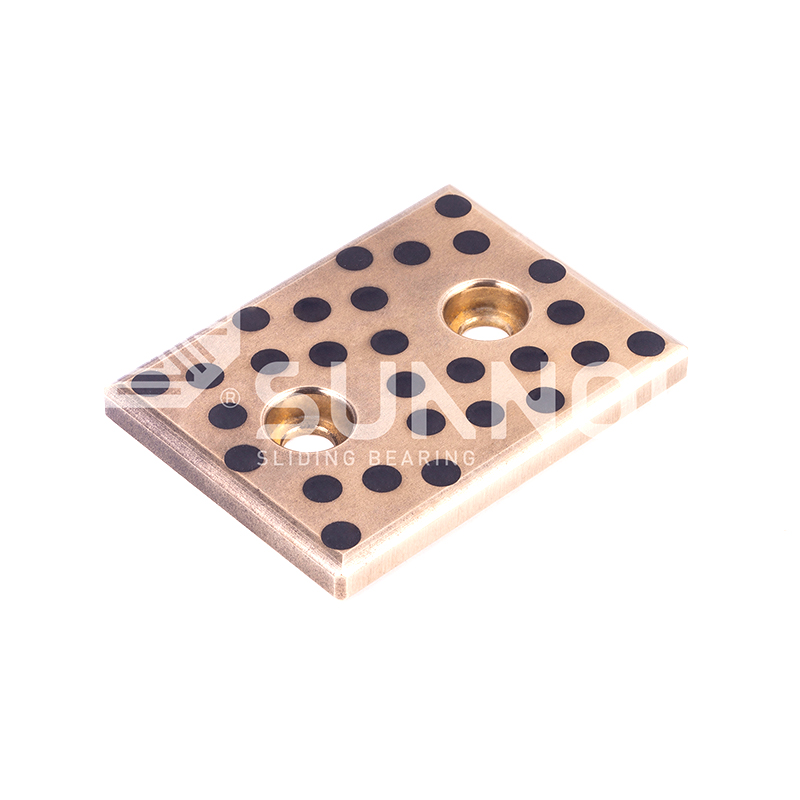 JDB Solid-lubricating Bearing Rectangular Embedded Graphite Bronze Wear Pad, Maintenance Free Bronze Guide Plate For Mold JTWP
 -
-
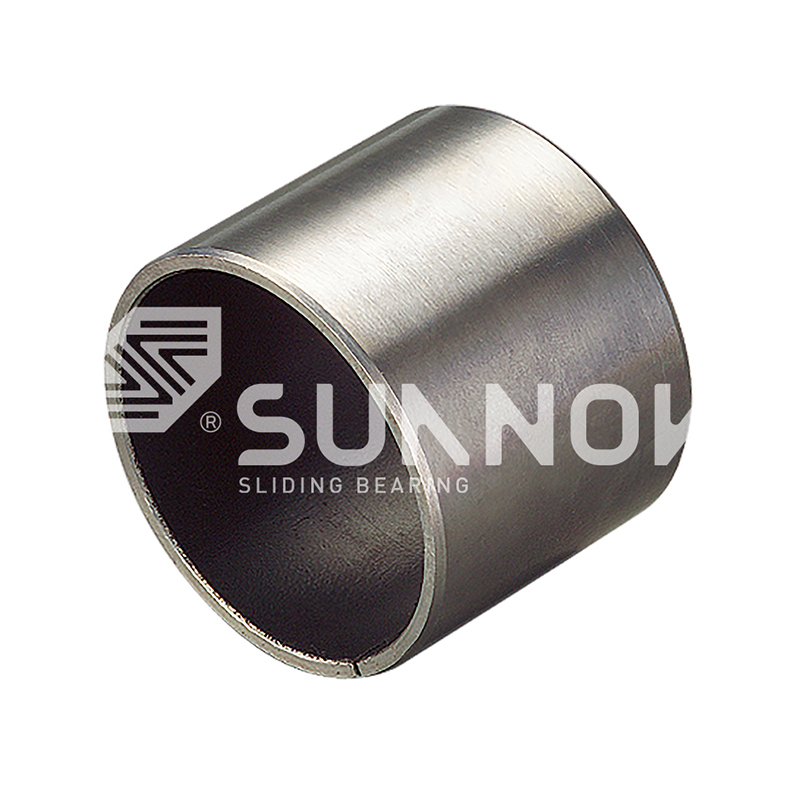 SF-1 Oilless Bearing Self Lubricating SF-1T Metal Gear Pump Bearing Bronze Bushings
 -
 SF-2 Boundary Lubricating Bearing SF-2Y Boundary Self-lubricating Bearing - Low Friction Dry Lubricant Bushings for Industrial Machinery
Bronze Bushings for Automotive Applications: Selection, Materials, and Maintenance
Industry News-Content
- 1 Why Bronze Alloys Are the Default Choice for Automotive Bushings
- 2 Where Bronze Bushings Are Used in a Vehicle
- 3 How to Select a Bronze Bushing for Automotive Use
- 4 Manufacturing and Quality Factors That Change Real-World Results
- 5 Maintenance Savings and Total Cost of Ownership
- 6 Final Recommendation for Engineering and Procurement Teams
A pivot joint in a front suspension link starts to squeak after 30,000 kilometers. A gearbox selector shaft bushing wears unevenly because grease was never applied during the last service. A steering column bush develops play that the driver notices as a small knock over rough pavement. These failures share one root cause: the bushing depended on external lubrication that was not maintained, or the material could not handle the combination of load, oscillation, and road contamination that automotive service delivers.
Bronze bushings for automotive applications solve this class of problems because they can be engineered to run with little or no external oil. The practical conclusion is straightforward: a self-lubricating bronze or copper alloy bushing is often the most reliable choice for suspension, steering, transmission, and electric vehicle components when engineers weigh maintenance, load capacity, and installation cost together.
Why Bronze Alloys Are the Default Choice for Automotive Bushings
Bronze is not a single material but a family of copper alloys, each selected for a specific balance of strength, friction, and corrosion resistance. In automotive engineering, four properties decide whether a bushing survives in service: conformability, embeddability, corrosion resistance, and thermal conductivity.
Conformability and embeddability
A bushing that can conform slightly to shaft geometry spreads the load and prevents edge loading when a housing bore is slightly out of round. Bronze is one of the most forgiving bearing materials in this respect. A rolling element bearing fails quickly if its race distorts; a bronze bushing simply wears in. Road grit and metal wear particles inevitably enter automotive joints, and bronze allows hard particles to embed in the bearing surface instead of scoring the shaft. This single characteristic explains why bronze bushings often outlive steel or polymer bushings in dirty underbody environments.
Corrosion resistance and heat management
Automotive bushings see water, road salt, brake dust, and engine heat. Bronze resists corrosion far better than steel, and its thermal conductivity pulls friction heat away from the contact zone. Both properties matter when a bushing operates near a hot exhaust or in an underbody location that is never cleaned.
| Alloy family | Typical composition | Main automotive advantage | Common application |
|---|---|---|---|
| Tin bronze | Copper-tin with small lead or zinc additions | Good embeddability and corrosion resistance | Suspension pivots, gearbox selector bushes |
| Aluminum bronze | Copper-aluminum with iron and nickel additions | High compressive strength under heavy loads | Truck suspension pivots, heavily loaded joints |
| Brass with solid lubricant | Copper-zinc with embedded graphite or similar solid lubricants | Low friction without external oil; cost-effective at moderate loads | Steering column bushes, pedal pivots, linkage joints |
| Lead-free bronze | Copper-tin or copper-bismuth systems | Environmental compliance for export programs | Passenger vehicle components with restricted-material policies |
Where Bronze Bushings Are Used in a Vehicle
The application map is easy to read once the material properties are clear. Bronze bushings appear wherever a joint oscillates, carries a load, and cannot be serviced conveniently.
Suspension systems
Suspension pivots oscillate through small angles, carry shock loads, and are rarely greased after leaving the factory. Self-lubricating bronze bushings eliminate the lubrication point entirely, which is why so many suspension designs use them today. SF1 self-lubricating oilless bearings have been applied to automobile suspension systems because their steel backing gives control arm pivots the needed rigidity, while the copper alloy layer handles the sliding motion without a grease fitting.
 Wholesale Maintenance-Free SF-1 Self-Lubricating Bearing for Heavy Duty ApplicatZhejiang Shuangnuo Bearing Technology Co., Ltd. Is China Maintenance-Free SF-1 Self-Lubricating Bearing for Heavy Duty Applications - Low...View Product →
Steering and chassis systems
Steering columns and rack housings need bushings that do not squeak and do not develop free play. FB090 bronze wrapped bushings are a strong fit because the wrapped construction installs directly into a simple bore and the bronze surface provides low friction and long wear life under years of oscillation. The same family of products serves stabilizer bar links, seat track pivots, and hood hinge joints where a small, reliable bushing is required.
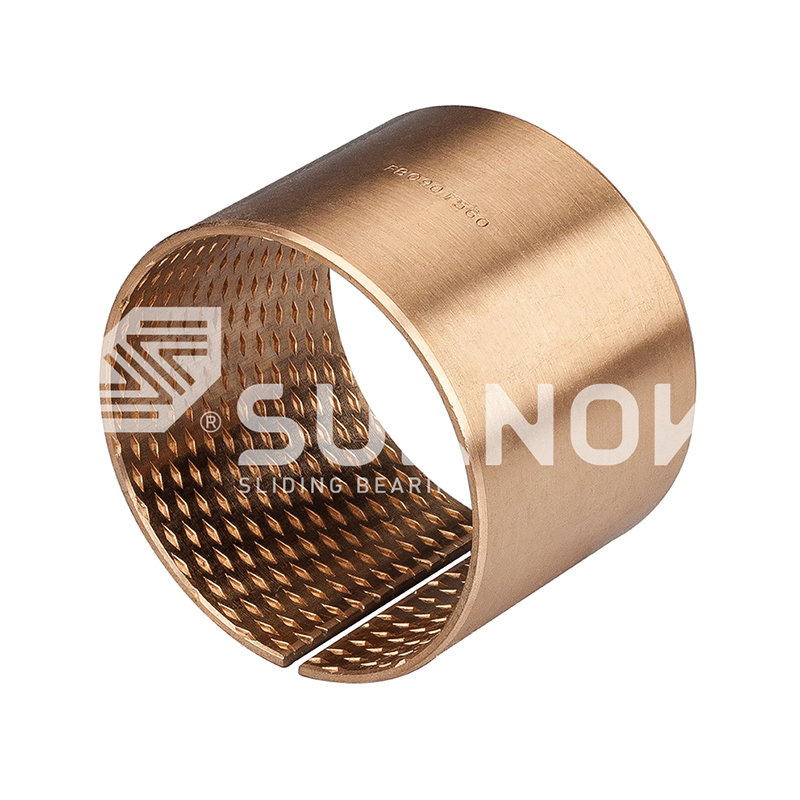 Wholesale FB090 Bronze Wrapped Bearing | Self-Lubricating Bushing & Sleeve SupplZhejiang Shuangnuo Bearing Technology Co., Ltd. Is China FB090 Bronze Wrapped Bearing | Self-Lubricating Bushing & Sleeve Suppliers, Comp...View Product →
Transmissions and powertrain components
Gearbox selector shafts, clutch release forks, and shift linkage pivots often operate with minimal lubrication in modern designs. Bronze bushings work here because the solid lubricant in the alloy carries the joint through dry starts, while any oil splash in the housing extends life further. The combination of bronze strength and embedded solid lubrication is particularly valuable in automated manual transmissions, where the actuator must move with consistent effort over the full service life.
Electric and hybrid vehicles
Electric vehicles change the bushing calculation in two ways. The cabin is quieter, so bushing noise becomes more noticeable, and service intervals are longer, so components must survive without attention for years. Self-lubricating bronze and copper alloy bearings meet both requirements. The development work on solid lubrication bearing applications in new energy vehicles shows how the industry is replacing greased joints with dry-running bushings in electric powertrains, charging mechanisms, and chassis components.
How to Select a Bronze Bushing for Automotive Use
Choosing the right bushing is a matter of matching measurable operating conditions to material data. The following steps apply to any new design or replacement project.
Define the load, motion, and PV value
The PV value, which is the bearing pressure multiplied by the surface velocity, is the first screen. Low-speed oscillating joints tolerate much higher pressure than continuously rotating shafts, which is why so many automotive pivots use bronze. Most suspension and steering joints operate at low speed and high load, exactly the region where solid-lubricant bronze alloys perform best.
Check the temperature and contamination profile
Underhood temperatures can reach 120 to 150°C near engines and exhaust systems. Bronze holds its mechanical properties in this range, while polymer bushings soften and conventional grease breaks down. If the joint is exposed to road salt, water spray, or abrasive dust, the embeddability of bronze becomes a decisive advantage.
Match the alloy family to the cost target
When the load is moderate and the production volume is high, brass-based materials are often the best balance of cost and performance. JDB650 self-lubricating brass bushings combine a copper-zinc base with embedded solid lubricant, making them practical for steering column bushes, pedal pivots, and door hinge applications where the cost per piece matters as much as the friction performance.
 Wholesale JDB650 Self-Lubricating Brass Bushing Oilless Bearings Suppliers, CompZhejiang Shuangnuo Bearing Technology Co., Ltd. Is China JDB650 Self-Lubricating Brass Bushing Oilless Bearings Suppliers, Company, We Wh...View Product →
Verify tolerances, press fit, and shaft finish
Tolerance and shaft finish determine whether the bushing works as designed. A bushing pressed into a housing changes its bore size, and the designer must compensate for that interference. Shaft hardness and surface finish directly influence the wear rate of the counterface. A metric bronze bearing tolerance selection guide provides the practical data needed for these calculations, and the same logic applies to inch-dimension parts.
- Define the maximum load, oscillation angle, and frequency of motion.
- Calculate the PV value and compare it with the published PV limit of the bushing.
- Confirm shaft hardness, surface finish, and housing bore tolerance.
- Verify the environmental conditions: temperature, water, salt, and dust.
- Document the alloy grade so that traceability is available for the production batch.
Manufacturing and Quality Factors That Change Real-World Results
Material quality is the difference between a bushing that lasts 100,000 kilometers and one that fails in the first winter. A manufacturer that casts its own copper alloys controls the chemistry from the very beginning. Suppliers like Zhejiang Shuangnuo Bearing Technology Co., Ltd. combine in-house casting, spectrometric composition testing, and CNC machining capacity, which gives automotive buyers a single source for material control and finished parts.
For automotive buyers, traceability is part of the product. When a batch of bushings is installed in a production vehicle, the OEM and its suppliers need documented evidence of the alloy grade and mechanical properties. A manufacturer that can provide test reports and casting records reduces the customer's risk and simplifies the approval process. CNC machining capacity matters as well, because automotive bushings often require tight tolerances, oil grooves, flanges, and custom bore geometries that cannot be achieved with secondary processing alone.
Maintenance Savings and Total Cost of Ownership
The price of a single bushing is small compared with the labor cost of replacing it. In a passenger car, replacing a control arm bushing can force removal of the entire arm; in a commercial vehicle, the same repair can take hours in a workshop. This is why self-lubricating copper alloy bearings reduce maintenance costs over the full service life of a vehicle: they remove the need for periodic greasing, resist the wear that comes from neglected lubrication, and let maintenance teams concentrate on other components.
The economic comparison usually favors bronze even when the initial piece price is higher than a polymer or stamped steel bushing. Fewer warranty claims, shorter assembly times, and longer intervals between services offset the material cost. For fleet operators, the same logic applies to suspension and steering bushings on trucks and buses, where downtime is far more expensive than the replacement part.
Final Recommendation for Engineering and Procurement Teams
Bronze bushings for automotive applications come down to three questions: what load and motion will the joint see, what temperature and contamination must the material survive, and how much maintenance will the owner actually perform? Bronze alloys answer all three with a combination of strength, embeddability, and self-lubrication that few alternative materials match. The practical next step is to define the PV conditions, verify the tolerance and shaft finish, and work with a manufacturer that controls the casting chemistry and can supply documented test evidence for every batch.
Recommended NEWS:
Bronze Wrapped Bushings for Heavy Machinery: Durable Solutions for Demanding Applications
Bronze Bushing Bearing FB090: Key Features & Benefits for Industrial Applications
Self-Lubricating Bronze Bushings: Benefits, Cost Savings, and Selection Guide
Solid-Lubricating Bronze Bearings: A Guide to Performance and Selection
Oilless Thrust Washers: Key Features, Applications, and Selection Guide
Solid-Lubricating Bronze Bearings: Critical Applications and Technical Analysis
Recommended LINS:
Contact Us //
Have Questions? Get in Touch!

Zhejiang Shuangnuo Bearing Technology Co., Ltd. specializes in the production of various self-lubricating copper alloy bushing bearings products
Quick Links
Related Products
Contact
- Add: No. 69, Tingyao East Road, Ganyao Town Industrial Zone, Jiashan County, Zhejiang Province, China
- Tel: +86-15957371801
- Fax: +86-0573-84038630
- Email: [email protected]
[email protected]
© 2024 Zhejiang Shuangnuo Bearing Technology Co., Ltd.
Custom Self-Lubricating Copper Alloy Bearings
