


 русский
 Español
-
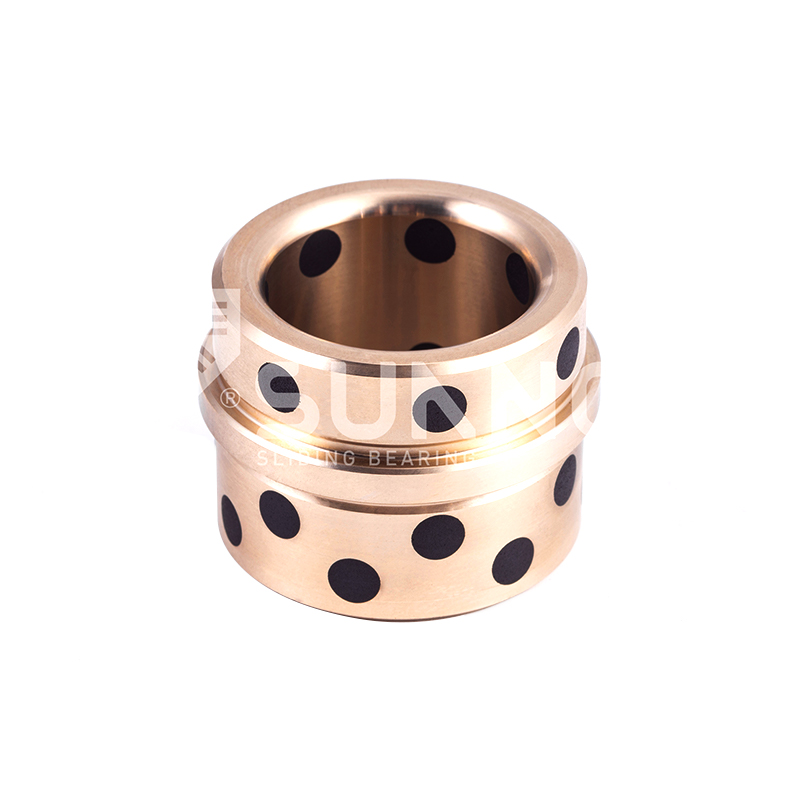
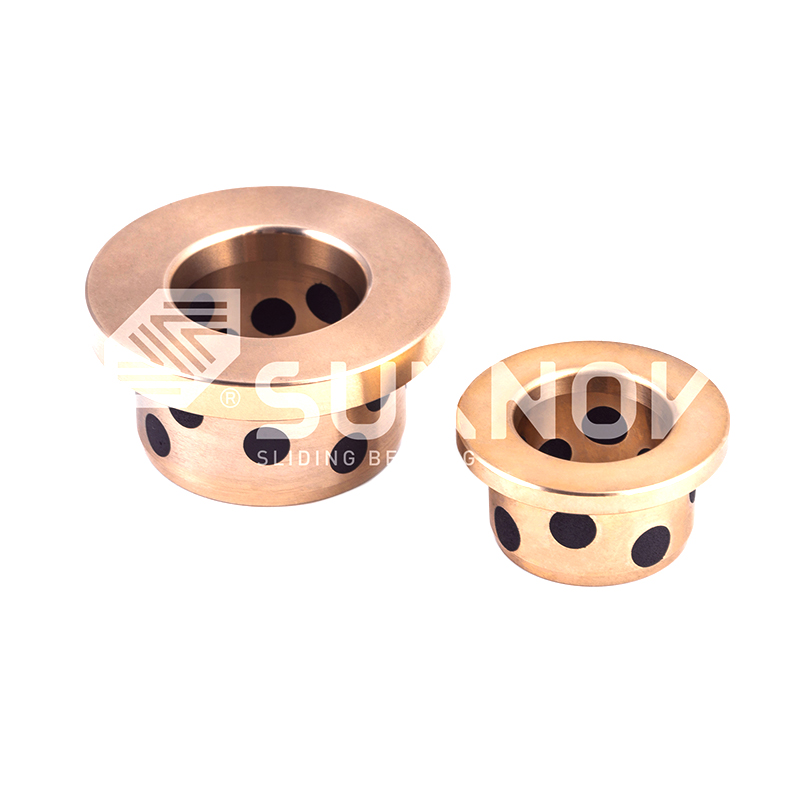 JDB Solid-lubricating Bearing Flanged Graphite Plugged Bronze Bushing, Self Lubricating Oilless Bronze Sleeve Bearing GB71 NAAMS
 -
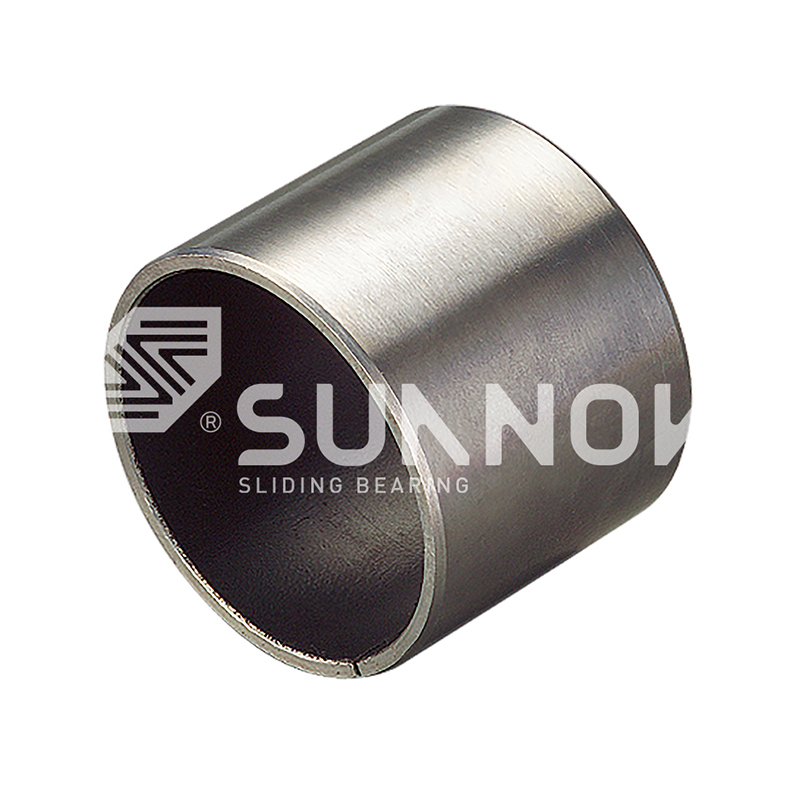 SF-1 Oilless Bearing Self Lubricating SF-1T Metal Gear Pump Bearing Bronze Bushings
 -
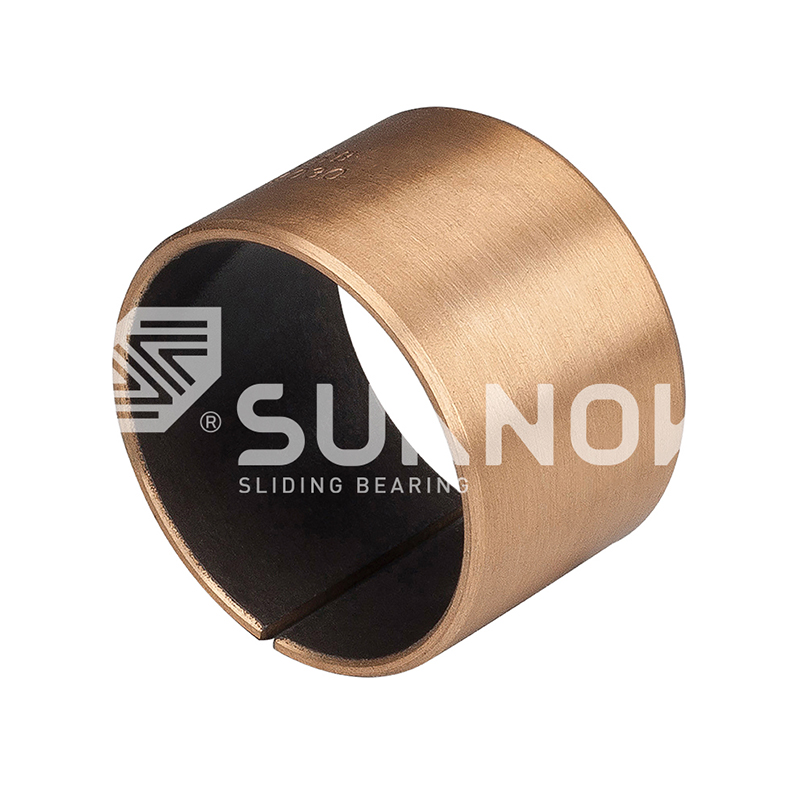
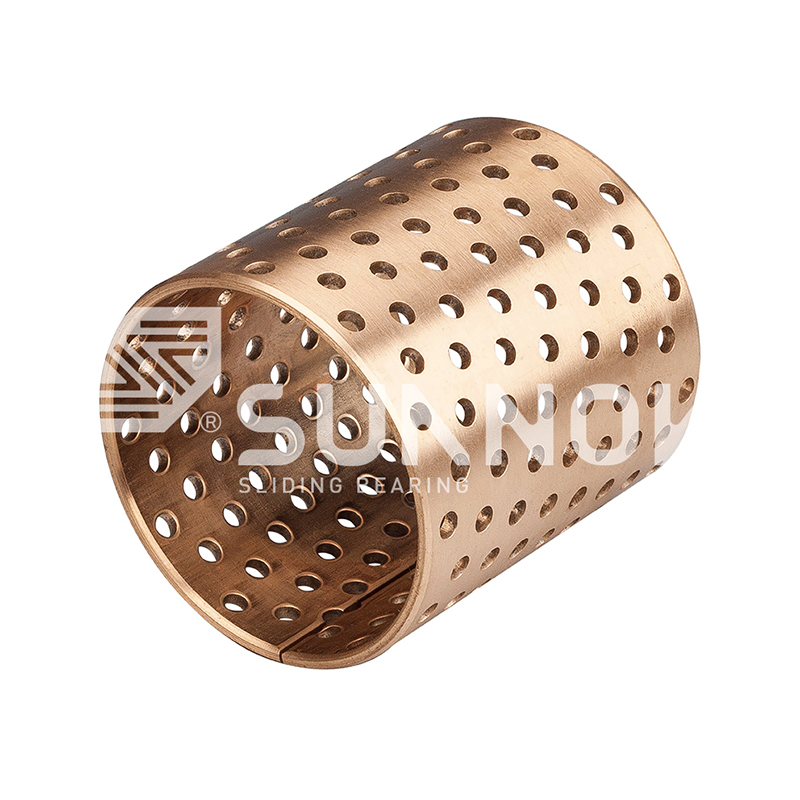 FB090 Bronze Wrapped Bearing FB092 Bronze Wrapped Bearing - Oilless Dry Sliding Bushing Self-Lubricating Bushing
 -
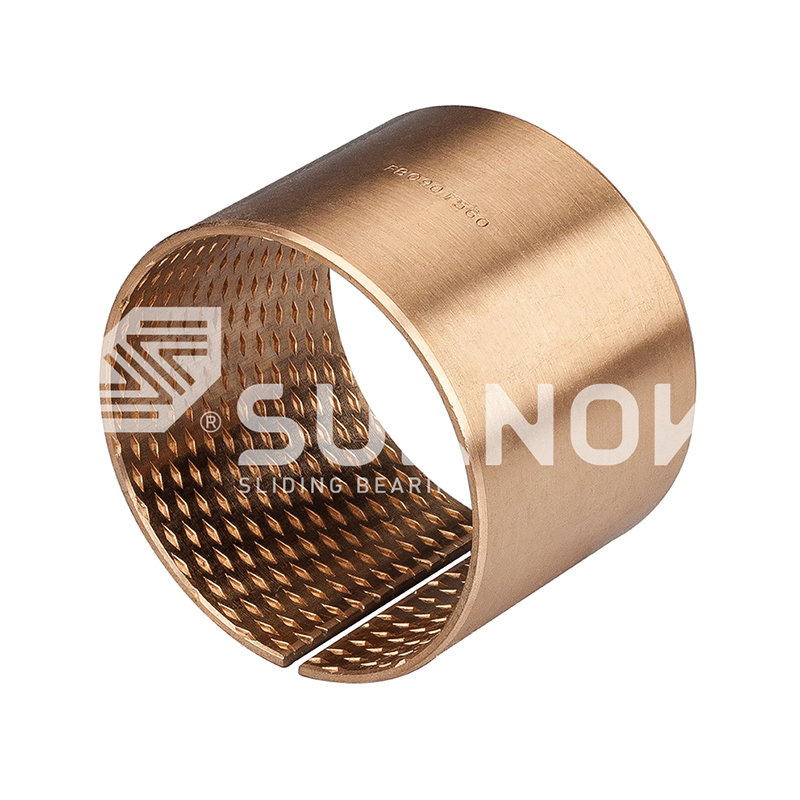 FB090 Bronze Wrapped Bearing FB090 Bronze Wrapped Bearing | Self-Lubricating Bushing & Sleeve
 -
-
-
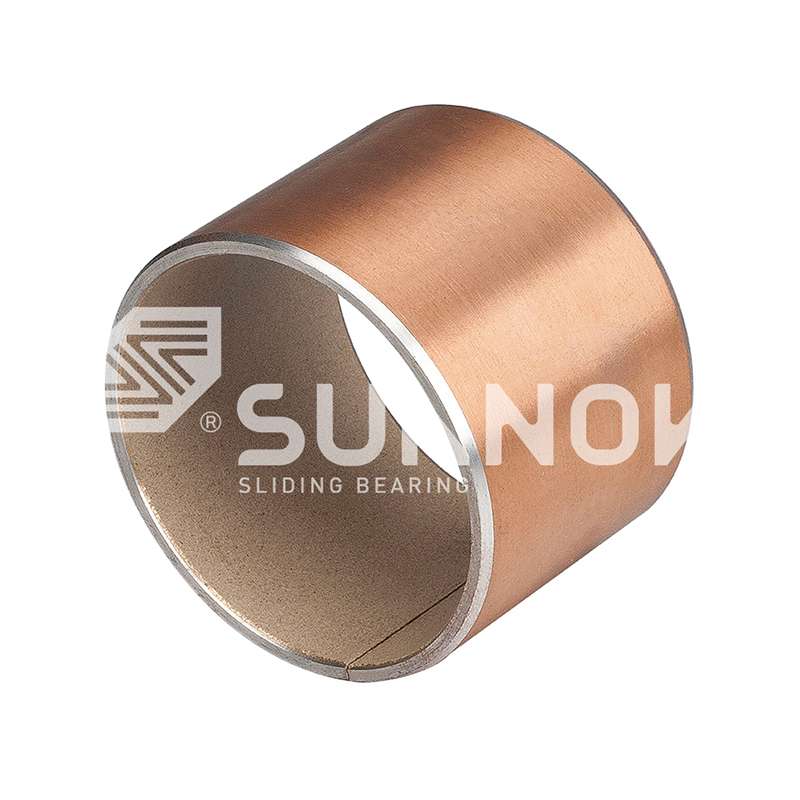 SF-1 Oilless Bearing SF-1P Reciprocating Motion Bronze Self-Lubricating Composite Bearing Bushing
 -
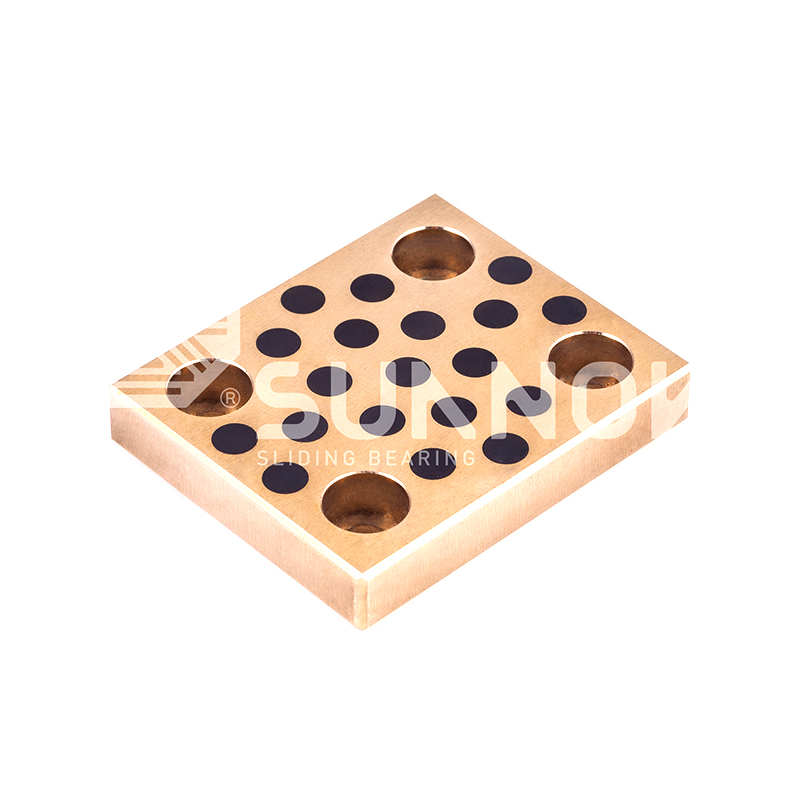 JDB Solid-lubricating Bearing Flangeless Graphite Bronze Wear Block, Square Self Lubricating Bronze Guide Plate JESW
How to Choose a Reliable Self-Lubricating Bronze Bushing Manufacturer: A Buyer's Guide
Industry News-Content
- 1 What Defines a Reliable Self-Lubricating Bronze Bushing Manufacturer
- 2 Verify Material Control and Alloy Traceability
- 3 Evaluate Casting, Sintering, and Machining Capacity
- 4 Demand Quality Documentation and Engineering Support
- 5 Red Flags That Disqualify a Supplier
- 6 Frequently Asked Questions
- 6.1 What is the most important factor in choosing a self-lubricating bronze bushing manufacturer?
- 6.2 Should buyers request a material certificate for every batch?
- 6.3 What bore tolerance should a bronze bushing manufacturer hold?
- 6.4 Does in-house casting shorten lead times for custom bronze bushings?
A purchasing engineer comparing six quotes for a nominally identical bronze bushing once saw the price spread reach 42 percent. The expensive part was not necessarily better material; it was verifiable process. A reliable self-lubricating bronze bushing manufacturer controls the alloy from melt to finished bore, documents every inspection, and supports custom dimensions with engineering data. This guide lays out the audit points that procurement teams use when the bearing failure cost is higher than the part price.
What Defines a Reliable Self-Lubricating Bronze Bushing Manufacturer
A reliable self-lubricating bronze bushing manufacturer is one that controls the copper alloy from the melt to the finished bore, proves material composition with records, and holds dimensional tolerances that match the application. Any supplier can add a graphite plug to a bronze sleeve; few can repeat the same microstructure and lubricant distribution across thousands of parts.
Working definition
A self-lubricating bronze bushing is a copper-alloy sleeve that operates without external oil or grease. Its lubricity comes from solid lubricants such as graphite, molybdenum disulfide (MoS2), or PTFE embedded in the bearing structure. Supplier reliability means repeatable chemistry, consistent lubricant fill, and documented quality on every batch.
Capabilities that separate a foundry from a reseller
- In-house melting and casting: alloy chemistry is controlled at the source instead of inherited from purchased blanks.
- Solid-lubricant embedding: graphite or MoS2 pockets are placed without voids, cracks, or smearing.
- Precision machining: CNC turning and boring hold the H7 or application-specific bore fits that drawings require.
- Documentary evidence: spectrometer reports, mechanical test values, and material certificates are matched to batch numbers.
Two suppliers can quote the same copper alloy grade; only one can show you the melt record. That is the shortest reliability test in practice, so ask for it first, not last.
Verify Material Control and Alloy Traceability
Start the audit with material because alloy composition decides load capacity, friction, and wear life before any geometric measurement matters. A serious manufacturer publishes its copper alloy grades and states the casting route: centrifugal casting for round stock, continuous casting for long bars, or metal-mold casting for complex blanks. Each route changes porosity and grain structure, which changes how the bushing behaves under a heavy load.
The lubricant fill matters just as much. Graphite suits low-speed, high-load sliding; MoS2 improves the running-in phase; and certain bronze-graphite blends serve specific temperature or contamination conditions. A supplier that maps those options to your PV value is doing engineering; a supplier that quotes only from a price list is taking orders. For medium-load machinery, a brass-based solid-lubricating bushing such as the JDB650 solid-lubricating bushing is a common starting point in the JDB family.
 Wholesale JDB650 Self-Lubricating Brass Bushing Oilless Bearings Suppliers, CompZhejiang Shuangnuo Bearing Technology Co., Ltd. Is China JDB650 Self-Lubricating Brass Bushing Oilless Bearings Suppliers, Company, We Wh...View Product →
Before comparing prices, understand how the manufacturing route changes performance. A direct comparison of sintered versus cast bronze bushing longevity shows where each process wins, and that knowledge prevents you from paying a premium for the wrong part.
In-house casting versus outsourced blanks
Independent foundry
- Melt records kept for every heat.
- Chemistry can be adjusted to the specification.
- Third-party analysis from the same heat as production.
- Shorter lead times because alloy supply is internal.
Outsourced blanks
- Lower entry cost and simpler pricing.
- No melt data or heat traceability.
- Risk of grade drift between bought-in batches.
- Receiving inspection must be rigorous to compensate.
Zhejiang Shuangnuo Bearing Technology Co., Ltd., with nearly a decade of focus on self-lubricating copper alloys, runs spectrometer checks before, during, and after each melt, then submits regular samples to national testing bodies for composition and mechanical verification.
Evaluate Casting, Sintering, and Machining Capacity
Inspect the production floor, not only the catalog, because the range and scale of equipment determine whether a supplier can hold tolerances and deliver on time. Self-lubricating bronze bushing production combines casting or sintering with machining and inspection. Centrifugal casting produces dense round blanks, continuous casting improves consistency over long runs, and sintering is the core route for steel-backed bimetallic products.
Machining capacity is what converts cast stock into flanged bushings, wear plates, and thrust washers with the accuracy the drawing demands. A supplier with a real machine shop can take an engineered drawing and respond with process feedback; a trading company can only pass the drawing to someone else.
10years of focused self-lubricating alloy production
80+CNC lathes and machining centers on site
3casting routes: centrifugal, continuous, metal-mold
6+product families: JDB, SF1, SF2, JF, FB090, 200-series
Audit checklist for a bronze bushing supplier
| Criterion | What to verify | Why it matters | Pass mark |
| Alloy chemistry | Spectrometer report versus published grade | Composition drift shortens wear life | Grade within spec on every heat |
| Casting process | Centrifugal, continuous, or metal-mold | Process controls porosity and density | Porosity documented and controlled |
| Lubricant fill | Graphite area ratio and distribution | Fill level sets the PV limit | Uniform embedment, no voids |
| Bore tolerance | H7 or application-specific fit | Loose bores create edge loading | Measured Cpk above 1.33 |
| Documentation | Third-party mechanical testing | Proof replaces marketing claims | Report tied to a batch number |
For heavily loaded rotating structures, a thick-wall design such as the JDB600 cast copper alloy bearing provides structural margin that thin-wall liners cannot match, which is why casting capability matters in the selection process.
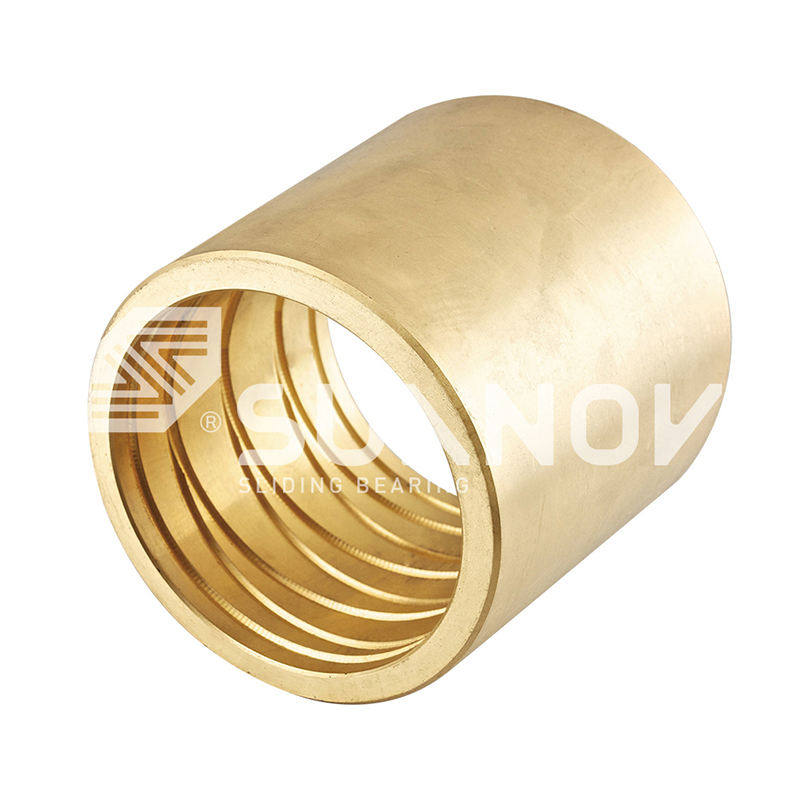 Wholesale JDB-600 Cast Self-Lubricating Bronze Guide Bushing Bearing Suppliers, Zhejiang Shuangnuo Bearing Technology Co., Ltd. Is China JDB-600 Cast Self-Lubricating Bronze Guide Bushing Bearing Suppliers, Company, W...View Product →
Three-stage spectrometer control on every melt: furnace-side check, mid-pour verification, and post-solidification confirmation. That discipline is what keeps grade drift out of a production run.
Demand Quality Documentation and Engineering Support
A credible supplier can reproduce the test report behind any batch and will support non-standard bore sizes, flanges, and wear plates with engineering data instead of guesswork. Documentation is not administrative overhead; it is the only way you can audit a product that is already installed in your machine.
Five documents define an acceptable quality package for a self-lubricating bronze bushing order:
- Material certificate with the copper alloy grade and chemical composition.
- Third-party mechanical test report covering hardness and tensile strength.
- Dimensional inspection report for bore, outside diameter, and flange runout.
- PV-limit or wear-rate data for the specific solid-lubricant fill used.
- Batch or heat number linking every document to the delivered parts.
Custom work is the real test of a manufacturer. A supplier that machines non-standard bronze bushing dimensions and tolerances in-house will answer tolerance questions with data, not with a promise that the part will simply fit.
Relative weight of selection factors
Weighting based on failure cost and audit effort for industrial bushing procurement.
A test report without a batch number and a quotation without a tolerance are the same thing: paperwork that cannot be used when a bearing fails early.
Red Flags That Disqualify a Supplier
Several warning signs should remove a candidate from consideration immediately, regardless of how attractive the quote looks. These are not points to negotiate; they indicate that the supplier does not control what it sells.
- No melt records, material certificates, or batch numbers.
- A catalog that claims every possible material but cannot explain process differences.
- No commitment to bore tolerance or installation-fit guidance.
- A slow and evasive response when chemical composition data is requested.
- Application advice that ignores speed, temperature, contamination, or lubrication conditions.
A signature sign of competence is an honest recommendation to switch families. For higher-speed, lighter-load positions, a thin-wall SF1 oilless bearing may outperform a massive cast bronze bushing, and a serious manufacturer will tell you so instead of selling the wrong part. Watch for the common misconceptions in self-lubricating bronze bearing purchasing that push buyers toward the cheapest or heaviest option without data.
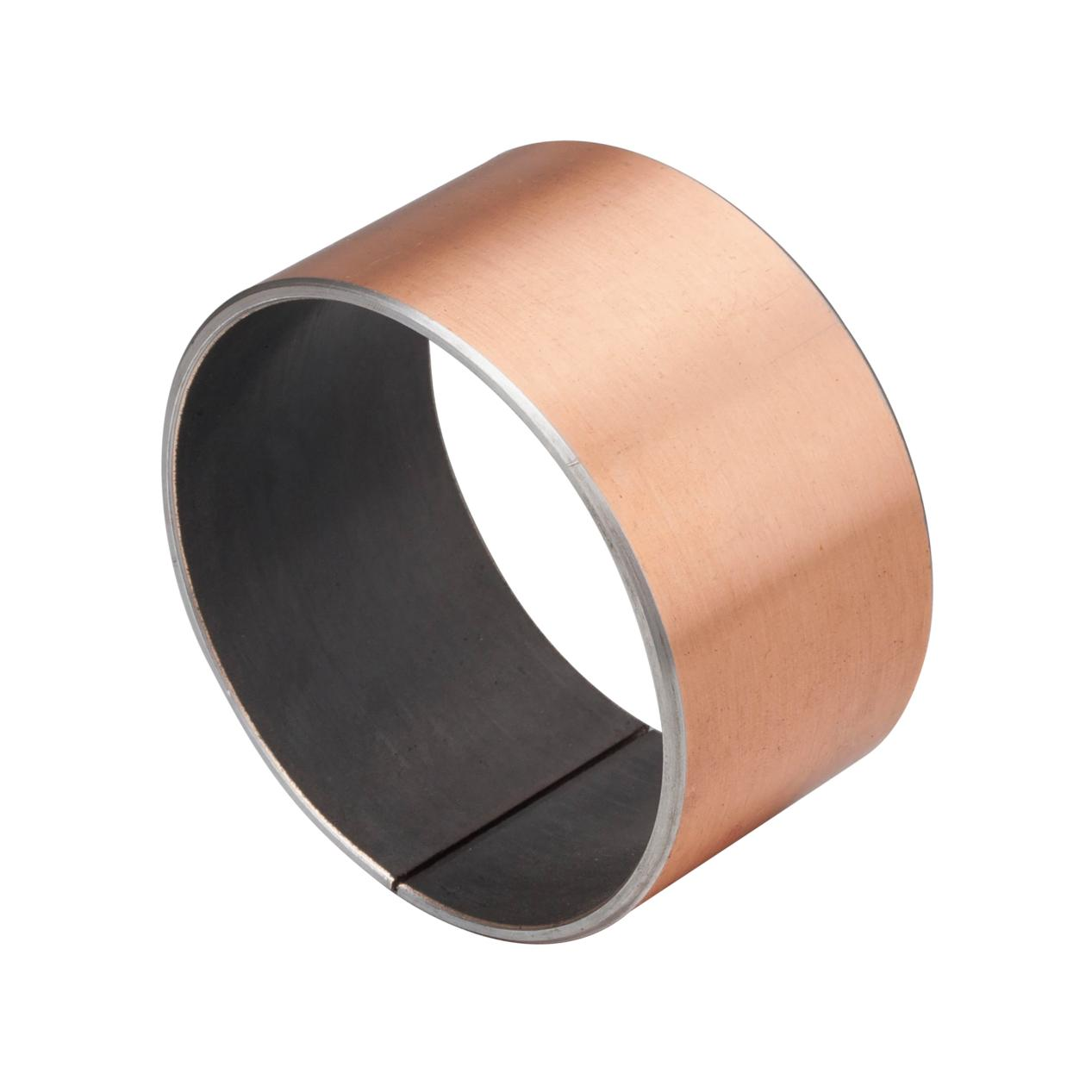 Wholesale Maintenance-Free SF-1 Self-Lubricating Bearing for Heavy Duty ApplicatZhejiang Shuangnuo Bearing Technology Co., Ltd. Is China Maintenance-Free SF-1 Self-Lubricating Bearing for Heavy Duty Applications - Low...View Product →
The cheapest quote only becomes value if the bushing survives a full maintenance cycle. Procurement that skips material verification pays twice: once for the part, and once for the downtime.
Frequently Asked Questions
What is the most important factor in choosing a self-lubricating bronze bushing manufacturer?
Material control and traceability. Alloy chemistry and solid-lubricant fill define the bearing PV limit, wear rate, and load capacity. If those are not verified, no other quality claim is trustworthy.
Should buyers request a material certificate for every batch?
Yes. Composition drifts between heats, and a certificate matched to a batch number is the only practical way to confirm that delivered bushings match the approved sample and the grade quoted.
What bore tolerance should a bronze bushing manufacturer hold?
For most rotating shafts, an H7 bore or an equivalent application-specific fit is the expected standard. A supplier that cannot state a tolerance on the drawing is not prepared to make engineered components.
Does in-house casting shorten lead times for custom bronze bushings?
Usually yes. Integrated production removes the wait for external blanks and allows the foundry to adjust chemistry to the application, which shortens the cycle for non-standard dimensions and special alloys.
Recommended NEWS:
Self-Lubricating Bronze Bushings: Benefits, Cost Savings, and Selection Guide
Self-Lubricating Copper Alloy Bearings: The Future of Solid-Lubricating Bearings and JDB-600 Casting Bronze Bearings
Self-Lubricating Copper Alloy Bearings: A Comparative Analysis with JDB-600 Casting Bronze and Oil-Retaining Bimetallic Bearings
Bronze Wrapped Bushings for Heavy Machinery: Durable Solutions for Demanding Applications
JDB650 Oilless Bearings: Advanced Self-Lubricating Brass Bushing Technology
Bronze Bushing Bearing FB090: Key Features & Benefits for Industrial Applications
Recommended LINS:
Contact Us //
Have Questions? Get in Touch!

Zhejiang Shuangnuo Bearing Technology Co., Ltd. specializes in the production of various self-lubricating copper alloy bushing bearings products
Quick Links
Related Products
Contact
- Add: No. 69, Tingyao East Road, Ganyao Town Industrial Zone, Jiashan County, Zhejiang Province, China
- Tel: +86-15957371801
- Fax: +86-0573-84038630
- Email: [email protected]
[email protected]
© 2024 Zhejiang Shuangnuo Bearing Technology Co., Ltd.
Custom Self-Lubricating Copper Alloy Bearings
