


 русский
 Español
-
 SF-2 Boundary Lubricating Bearing SF-2Y Boundary Self-lubricating Bearing - Low Friction Dry Lubricant Bushings for Industrial Machinery
 -
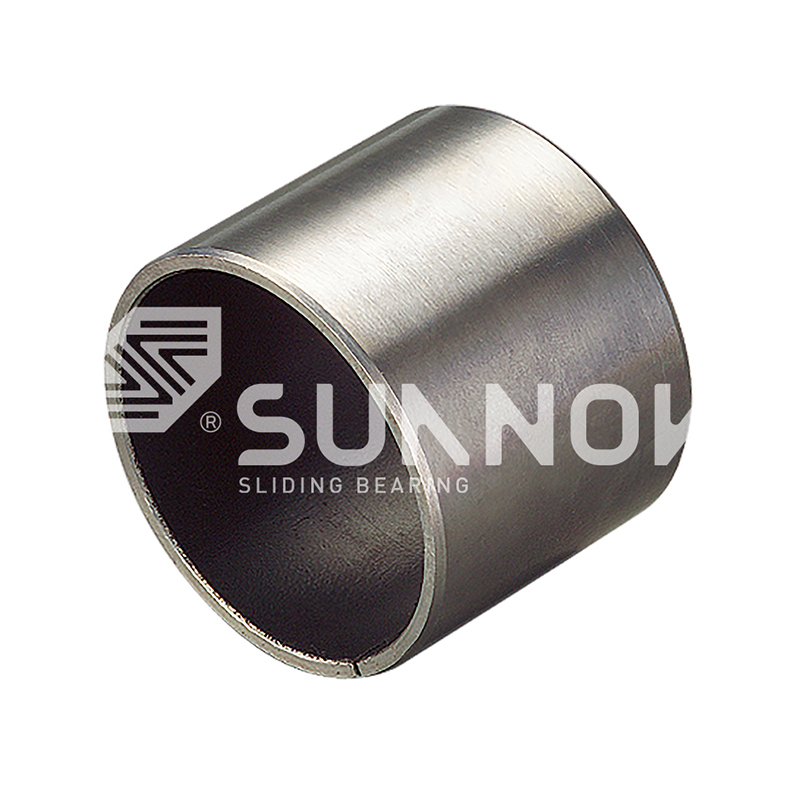 SF-1 Oilless Bearing Self Lubricating SF-1T Metal Gear Pump Bearing Bronze Bushings
 -
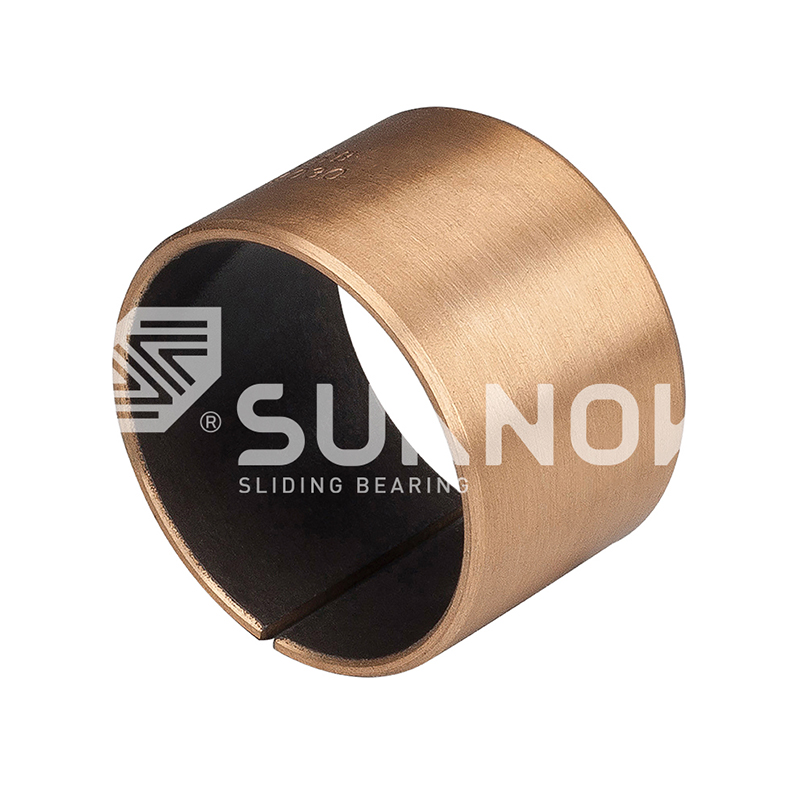
-
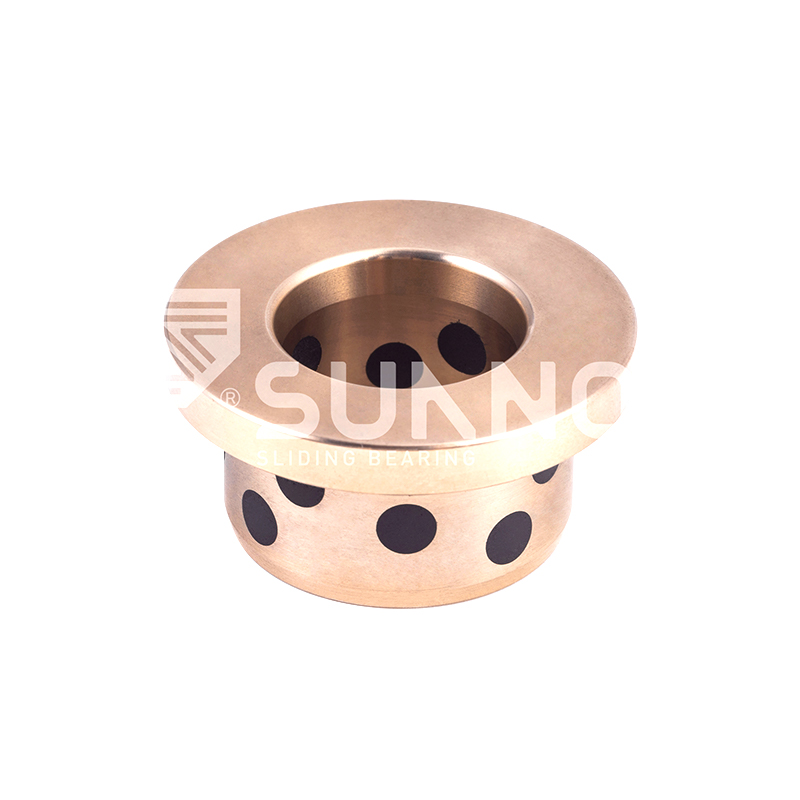 JDB Solid-lubricating Bearing JFBB Metric Self-lubricating Oilless Graphite Flanged Bearings Bushings
 -
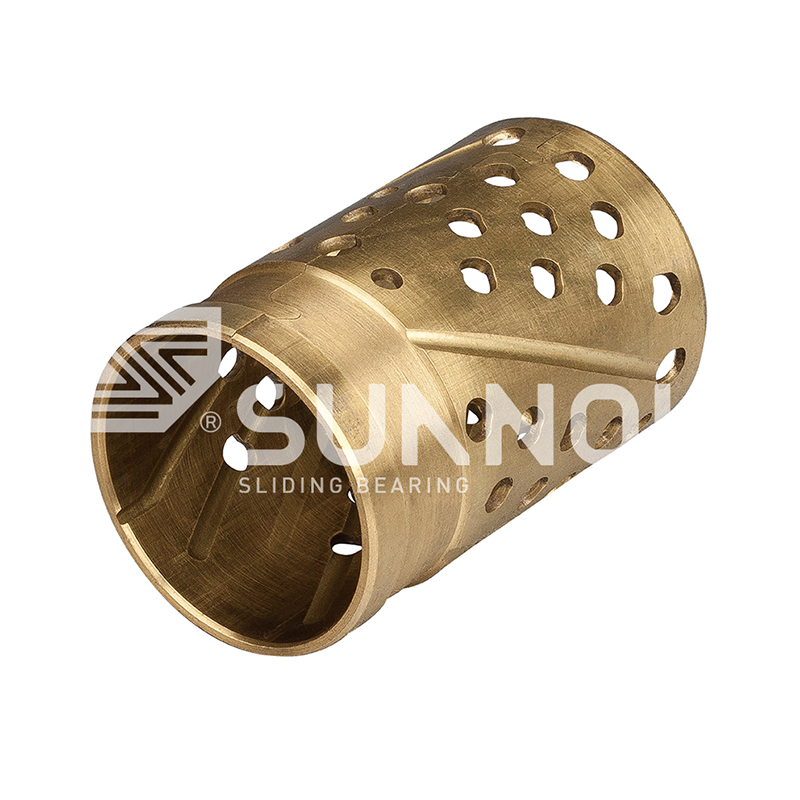 FB090 Bronze Wrapped Bearing FB091 High-Performance Copper Wrapped Bearing & Bushing | Bronze Bush
 -
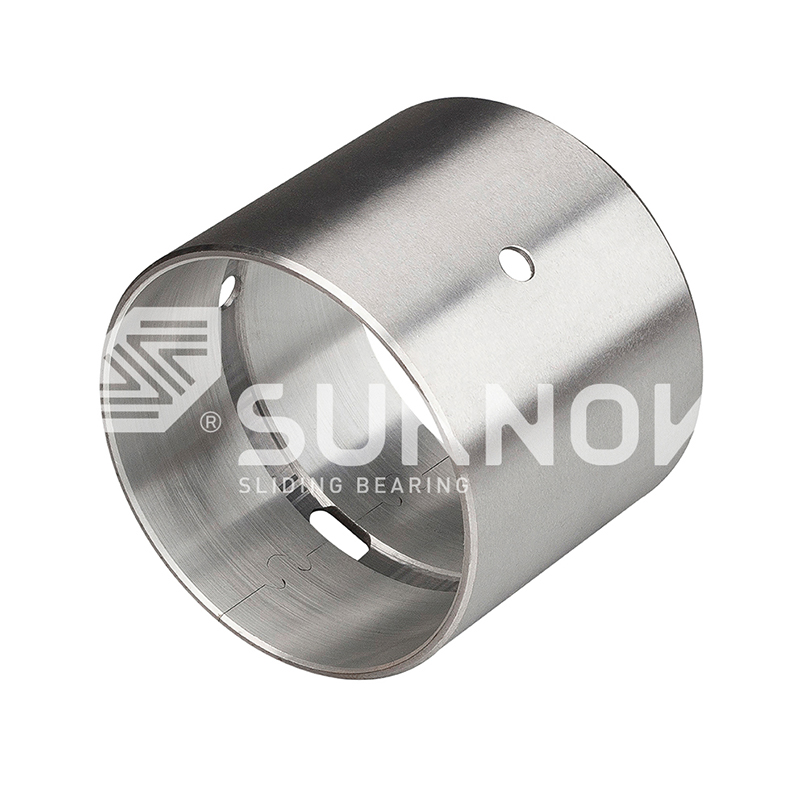 JF-800 Bi-metal Bearing JF-20 High-Performance Aluminum + Carbon Steel Alloy Bearing for Industrial Machinery
 -
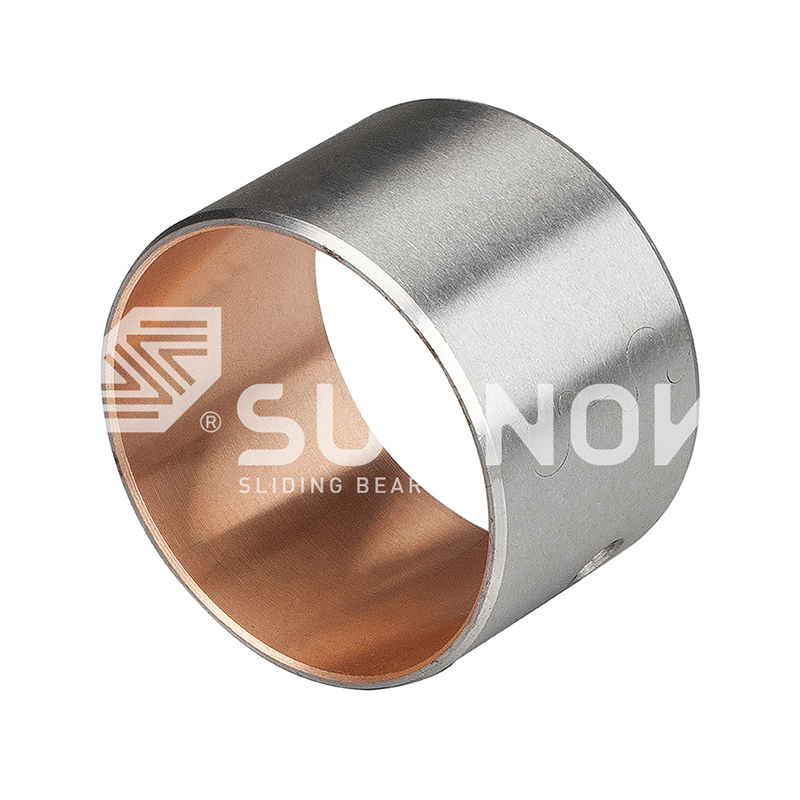 JF-800 Bi-metal Bearing JF-700 Bi-Metal Bearing Heavy Duty Self-Lubricating Sleeve Bushings
 -
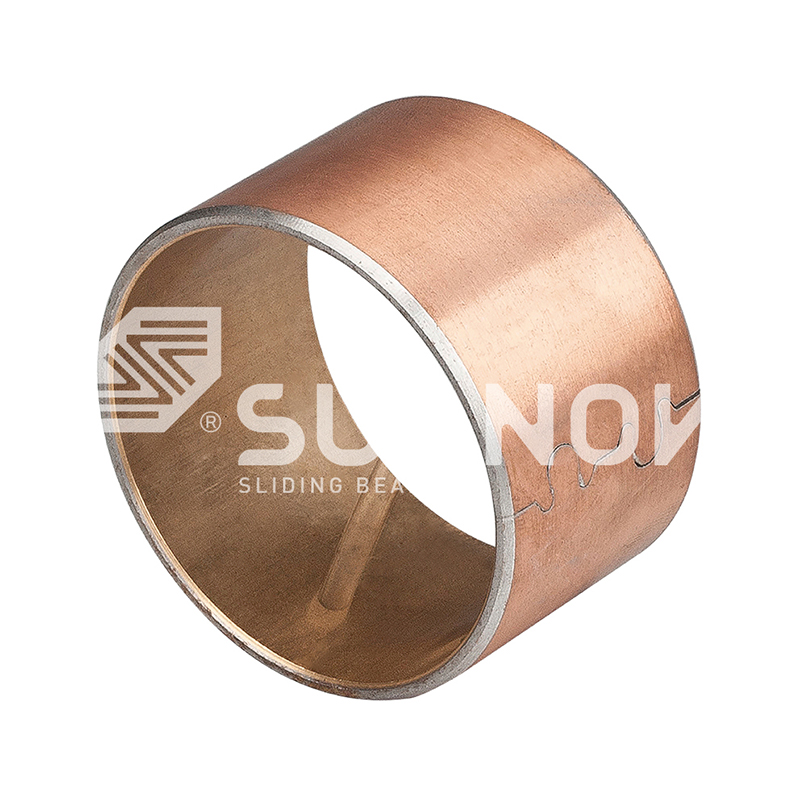 JF-800 Bi-metal Bearing JF-720 Tin Bi-Metal Bearing Bushings Sleeves For Low Friction and Wear-Resistant Applications
Bronze Bushings vs Steel Bushings: Key Differences Explained for Buyers
Industry News-Content
- 1 Bronze Bushings vs Steel Bushings: The Engineering Trade-Off
- 2 What Are Bronze Bushings and Steel Bushings?
- 3 Key Differences at a Glance
- 4 Lubrication and Friction Behavior
- 5 Load Capacity and Strength
- 6 Wear and Shaft Protection
- 7 Corrosion Resistance and Environmental Exposure
- 8 Total Cost and Lifecycle
- 9 How to Select: Bronze or Steel Bushing
- 10 Conclusion: No Universal Winner, Only the Right Fit
Bronze Bushings vs Steel Bushings: The Engineering Trade-Off
When a maintenance engineer opens a machine after a bushing failure, the first question is practical: which material will make that failure less likely next time? Bronze and steel are the two most common plain-bearing materials, but they behave very differently. The short answer is that bronze bushings give you better self-lubrication, corrosion resistance, and shaft protection, while steel bushings give you higher raw strength and a lower first cost in machines with guaranteed lubrication. For most equipment that cannot maintain a clean, continuous oil film, bronze is the safer choice.
What Are Bronze Bushings and Steel Bushings?
A bronze bushing is a plain bearing machined from a copper alloy or formed from bronze strip. The main families are tin bronze, aluminum bronze, and leaded bronze. Many bronze bushings also contain solid lubricant in the form of graphite or a similar material. At Zhejiang Shuangnuo Bearing Technology, we cast our own copper alloys using centrifugal, continuous, and metal mold casting, then machine them on CNC lathes and machining centers. Controlling the material from the melt to the finished bore is one reason bronze bushings can be made to tight tolerances with predictable wear behavior.
A steel bushing is less straightforward. It can be a solid sleeve of carbon or alloy steel, hardened and ground. It can also be a steel-backed bimetallic bushing, where a steel shell carries the load and a bronze or copper alloy layer provides the sliding surface. In that case, the steel is the structure, not the friction surface. Knowing which construction is meant is important before comparing strength, corrosion, and cost.
Bronze bushing material families
- Tin bronze: a general-purpose grade with good corrosion resistance, wear performance, and machinability.
- Aluminum bronze: higher strength and hardness, suitable for shock loads and abrasive conditions.
- Leaded bronze: softer and more conformable, with the ability to embed dirt and reduce shaft scoring.
- Sintered or wrapped bronze: porous or layered construction that can hold oil or solid lubricant.
Steel bushing constructions
- Solid hardened steel: high load capacity and hardness, but it relies on an oil film and offers little protection against shaft wear if lubrication breaks down.
- Steel-backed bimetallic: a strong steel shell combined with a bronze or copper alloy bearing layer.
- Coated or stainless steel: used when corrosion matters, but with a higher material cost.
Key Differences at a Glance
The table below compares bronze and steel bushings from a maintenance and selection viewpoint.
| Property | Bronze Bushing | Steel or Steel-Backed Bushing |
|---|---|---|
| Lubrication | Can be self-lubricating with solid lubricant or oil-impregnated porosity | Normally requires external oil or grease |
| Load capacity | Good to high, depending on alloy and construction | Higher yield strength and hardness; handles shock and edge loading |
| Shaft wear | Lower risk; can embed contaminants | Higher risk if oil film is lost or contamination enters |
| Corrosion resistance | Naturally resistant to moisture and many process fluids | Prone to rust unless plated, painted, or stainless |
| First cost | Higher material cost | Usually lower material cost |
| Lifecycle cost | Can be lower when self-lubrication reduces maintenance | Can be higher if oil supply, seals, and labour are included |
| Primary failure mode | Gradual wear, often with a warning clearance change | Scoring, overheating, or welding to the shaft in dry running |
Lubrication and Friction Behavior
Self-lubricating bronze
The most important practical difference between bronze and steel is lubrication. Bronze bushings can be produced with solid lubricant plugs or with a porous structure that holds oil. When the shaft turns, the solid lubricant transfers a thin film to the shaft. Because the bushing does not depend on an external oil pump or grease fitting, it can handle start-stop motion, oscillation, and boundary lubrication without seizing. This is especially valuable in guide posts, ejector pins, and hard-to-reach pivot points.
For applications that require a thin-wall bronze bushing with low friction, the SF1B bronze-based self-lubricating bearing is a common option. It uses a bronze backing with a low-friction layer, which keeps the assembly working even when re-lubrication is not scheduled.
 Wholesale High Load Capacity, Low Friction SF-1B Bronze Bearing | Self-LubricatiZhejiang Shuangnuo Bearing Technology Co., Ltd. Is China High Load Capacity, Low Friction SF-1B Bronze Bearing | Self-Lubricating Bronze ...View Product →
Steel needs a lubrication strategy
A steel bushing, especially a solid hardened steel sleeve, relies on a continuous oil film. Under boundary lubrication, the steel surfaces contact each other, friction rises quickly, and the bushing can score or overheat. Steel-backed bimetallic bushings improve the sliding surface because they add a bronze or copper alloy layer, but the steel backing alone should not be treated as a self-lubricating surface. If you choose steel, you must also plan for an oil supply and for the consequences of a missed maintenance interval.
Load Capacity and Strength
When steel is the right choice
Steel has a higher elastic modulus and hardness than bronze. A hardened steel bushing resists deformation under extreme radial loads and shock loads. In hydraulic cylinders, excavator pins, and heavy rolling equipment, a steel or steel-backed bushing can survive loads that would deform a thin bronze bushing.
Steel-backed bimetallic and cast bronze
Steel-backed bimetallic bushings combine the structural strength of steel with the sliding performance of bronze. Cast bronze bushings are stronger than wrapped bronze bushings because the material is homogeneous and the wall can be thicker. For heavy rotating or oscillating applications where a self-lubricating bronze is needed, the JDB600 casting bronze bearing is a practical choice. It offers a cast bronze structure with embedded solid lubricant, so it can handle higher loads than a plain wrapped bronze bushing while still tolerating dry starts.
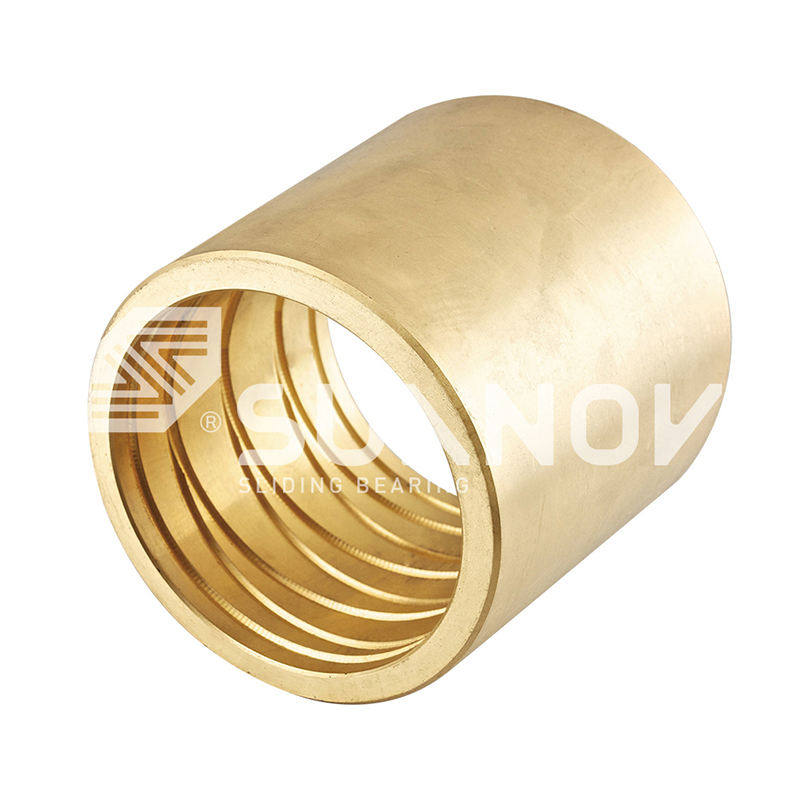 Wholesale JDB-600 Cast Self-Lubricating Bronze Guide Bushing Bearing Suppliers, Zhejiang Shuangnuo Bearing Technology Co., Ltd. Is China JDB-600 Cast Self-Lubricating Bronze Guide Bushing Bearing Suppliers, Company, W...View Product →
Wear and Shaft Protection
Bronze has a lower hardness than steel, and in many ways that is an advantage. Hard particles can embed in a bronze surface instead of cutting the shaft. The shaft is usually the more expensive, more difficult component to replace. A steel bushing with a higher hardness can wear a shaft very quickly if the oil film fails or if abrasive particles enter the clearance. If a machine has a ground shaft with an expensive replacement cost, bronze is usually the safer interface.
Corrosion Resistance and Environmental Exposure
Bronze forms a stable oxide layer and resists water, many acids, and saline environments better than carbon steel. Steel needs plating, painting, or stainless steel composition to provide similar protection. In washdown areas, coastal plants, pulp and paper equipment, or food processing lines, bronze bushings reduce the risk of corrosion jamming the bushing to the shaft.
For a thin-wall, replaceable bushing in a corrosive environment, the FB090 bronze wrapped bearing is a straightforward option. It combines the corrosion resistance of a bronze sliding layer with a wrapped construction that is simple to press into a housing and replace during maintenance.
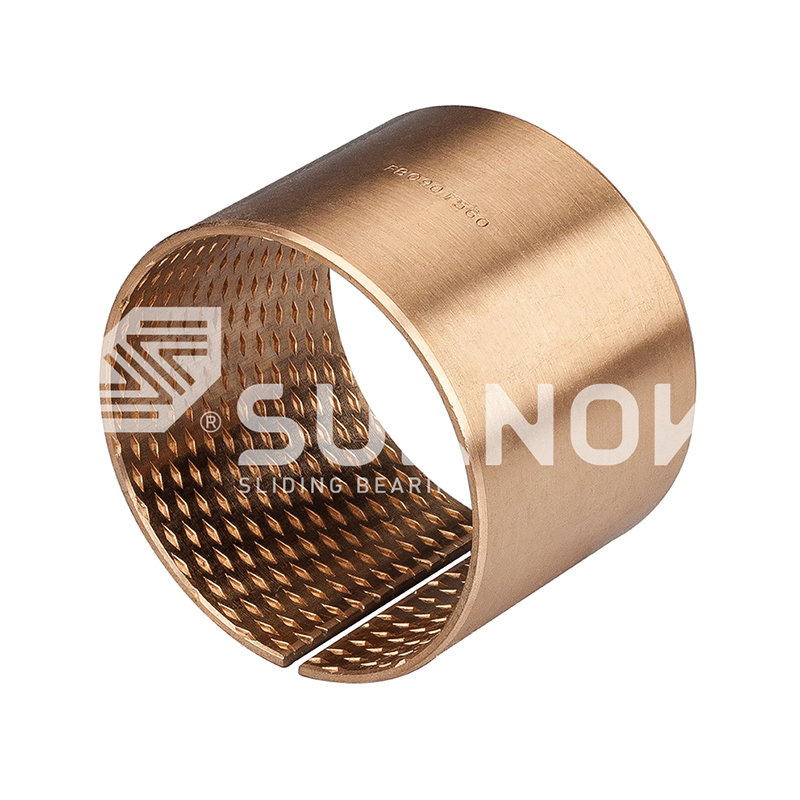 Wholesale FB090 Bronze Wrapped Bearing | Self-Lubricating Bushing & Sleeve SupplZhejiang Shuangnuo Bearing Technology Co., Ltd. Is China FB090 Bronze Wrapped Bearing | Self-Lubricating Bushing & Sleeve Suppliers, Comp...View Product →
Total Cost and Lifecycle
First cost versus maintenance cost
Bronze is more expensive than carbon steel by weight, and a solid cast bronze bushing costs more to machine than a simple steel sleeve. But the lower cost of steel disappears if it needs oil lines, pumps, seals, regular lubrication, and an extra stock of spare shafts. In an application with limited access, a bronze self-lubricating bushing can eliminate oil supply hardware completely.
Replacement planning
When comparing materials, think in terms of planned replacements. A steel bushing may serve a long life under clean oil, while a bronze bushing may wear gradually and still keep the shaft undamaged. For practical maintenance advice, the guide to when to replace self-lubricating bronze bearings explains the wear indicators to monitor.
How to Select: Bronze or Steel Bushing
Choose bronze when
- The bushing must run without an external oil supply.
- Moisture, washdowns, or chemicals are present.
- The shaft is expensive or difficult to replace.
- Motion is oscillating, start-stop, or slow with boundary lubrication.
- Guide posts, ejector pins, and marine or textile machines are involved.
Choose steel when
- The load is very high and the housing can be machined accurately.
- Clean, continuous lubrication is guaranteed.
- A steel-backed bimetallic bushing can provide the sliding surface.
- Shock loading would crush a thin bronze sleeve.
Tolerances and installation
Bronze and steel have different thermal expansion coefficients and clearance requirements. A tolerance that works for a steel bushing may be too tight or too loose for bronze, especially in a housing that sees temperature changes. If you are working with metric sizes, the metric bronze bearing tolerance selection guide provides useful guidelines for bore, housing, and shaft fits.
For a wider discussion of material behavior and selection, the complete industry guide to self-lubricating bronze bushings covers lubrication mechanisms and typical applications in more detail.
Conclusion: No Universal Winner, Only the Right Fit
Neither bronze nor steel is the universal answer. Steel is the stronger and usually cheaper material at the point of purchase, but it needs a reliable lubrication system and is vulnerable to corrosion. Bronze is more expensive as a material, yet it protects the shaft, tolerates lubrication loss, resists moisture, and can be made self-lubricating. In a wide range of industrial machines, from dies and molds to pumps and conveyors, a bronze bushing is the lower-risk choice because it behaves predictably even when maintenance is not perfect. If your operating conditions include water, dust, shock, or limited access for greasing, bronze should be the default; steel should be selected only when the load case clearly requires it.
Recommended NEWS:
Bronze Wrapped Bushings for Heavy Machinery: Durable Solutions for Demanding Applications
Optimizing Industrial Performance: A Comprehensive Guide to Solid Bronze Bushings
Beyond Self-Lubrication: Defining the Performance Limits of Lubricating Bronze Bushings
Bronze Bushing Bearing FB090: Key Features & Benefits for Industrial Applications
SF-1S Self-Lubricating Stainless Steel Bushings: Key Applications and Benefits
Solid Lubricant Embedded Bushings: The Ultimate Guide to Maintenance-Free Performance
Recommended LINS:
Contact Us //
Have Questions? Get in Touch!

Zhejiang Shuangnuo Bearing Technology Co., Ltd. specializes in the production of various self-lubricating copper alloy bushing bearings products
Quick Links
Related Products
Contact
- Add: No. 69, Tingyao East Road, Ganyao Town Industrial Zone, Jiashan County, Zhejiang Province, China
- Tel: +86-15957371801
- Fax: +86-0573-84038630
- Email: [email protected]
[email protected]
© 2024 Zhejiang Shuangnuo Bearing Technology Co., Ltd.
Custom Self-Lubricating Copper Alloy Bearings
