


 русский
 Español
-
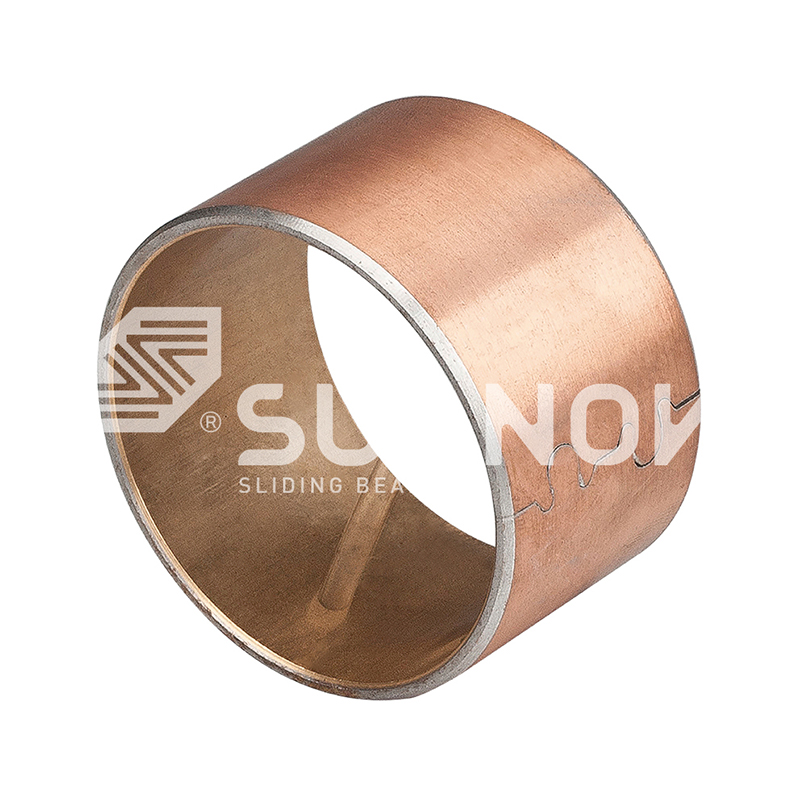 JF-800 Bi-metal Bearing JF-720 Tin Bi-Metal Bearing Bushings Sleeves For Low Friction and Wear-Resistant Applications
 -
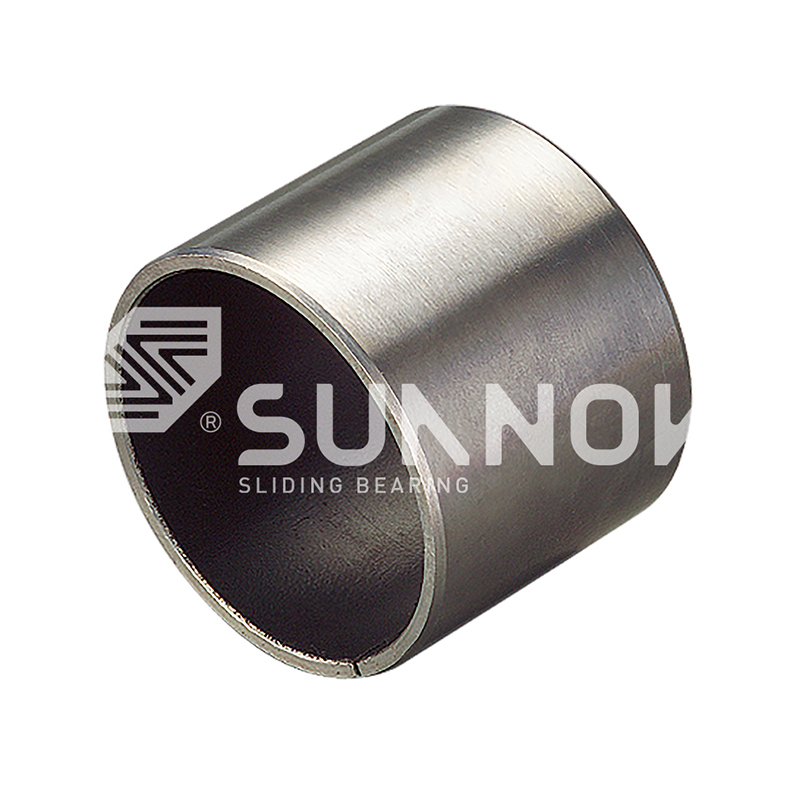 SF-1 Oilless Bearing Self Lubricating SF-1T Metal Gear Pump Bearing Bronze Bushings
 -
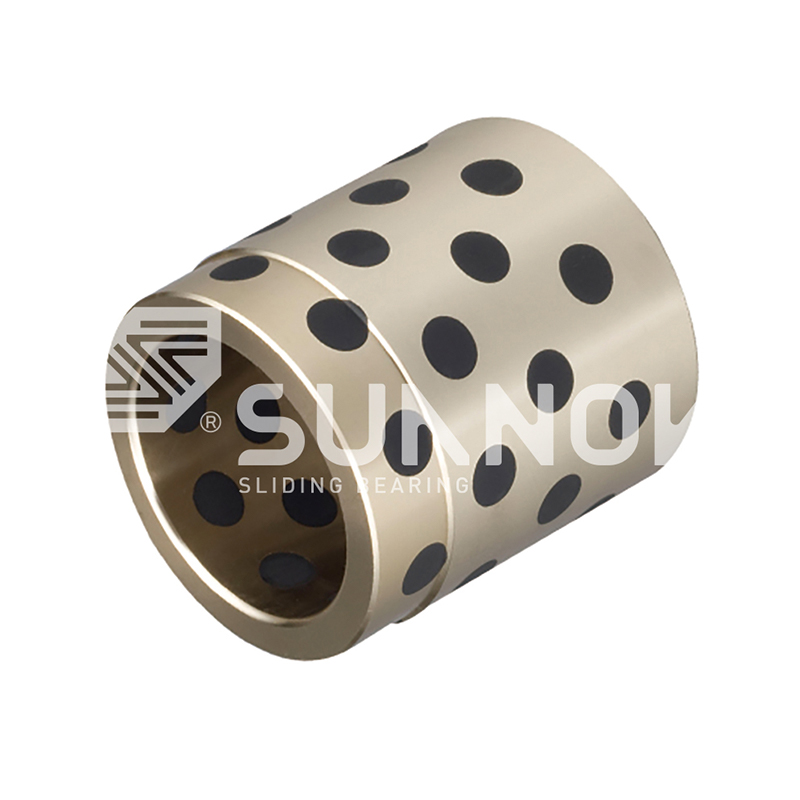 JDB Solid-lubricating Bearing Tubular Self-lubricating Bronze Bushing Graphite Plugged Sliding Sleeve Bearing JPBW, JPBF
 -
-
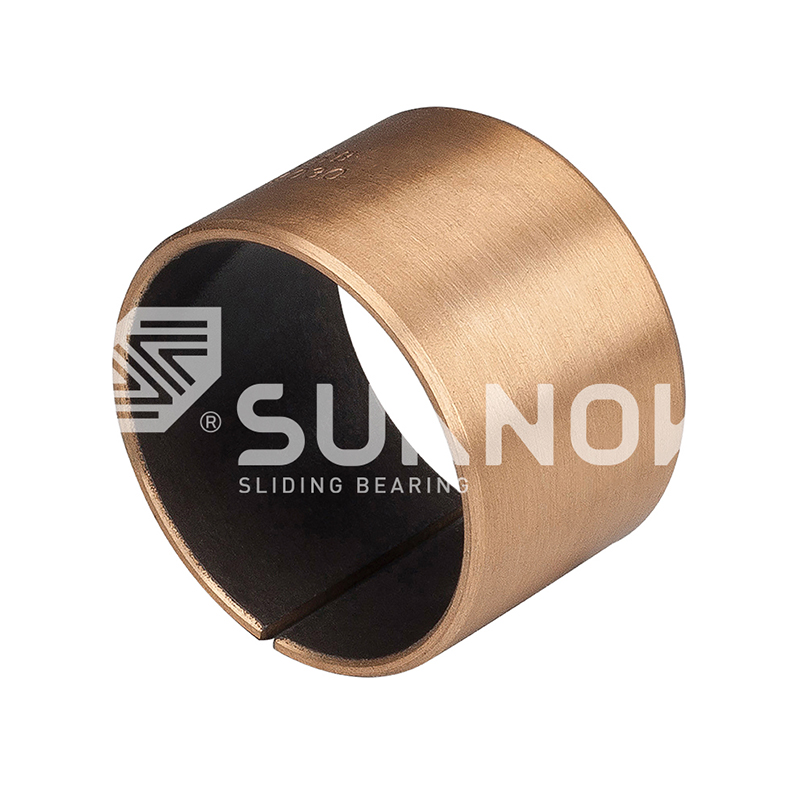
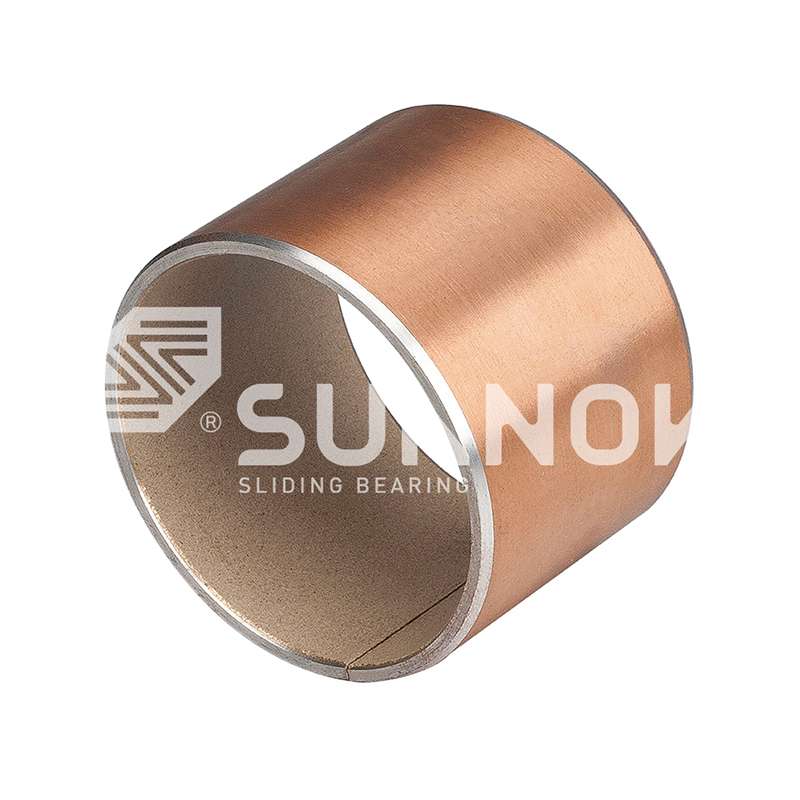 SF-1 Oilless Bearing SF-1P Reciprocating Motion Bronze Self-Lubricating Composite Bearing Bushing
 -
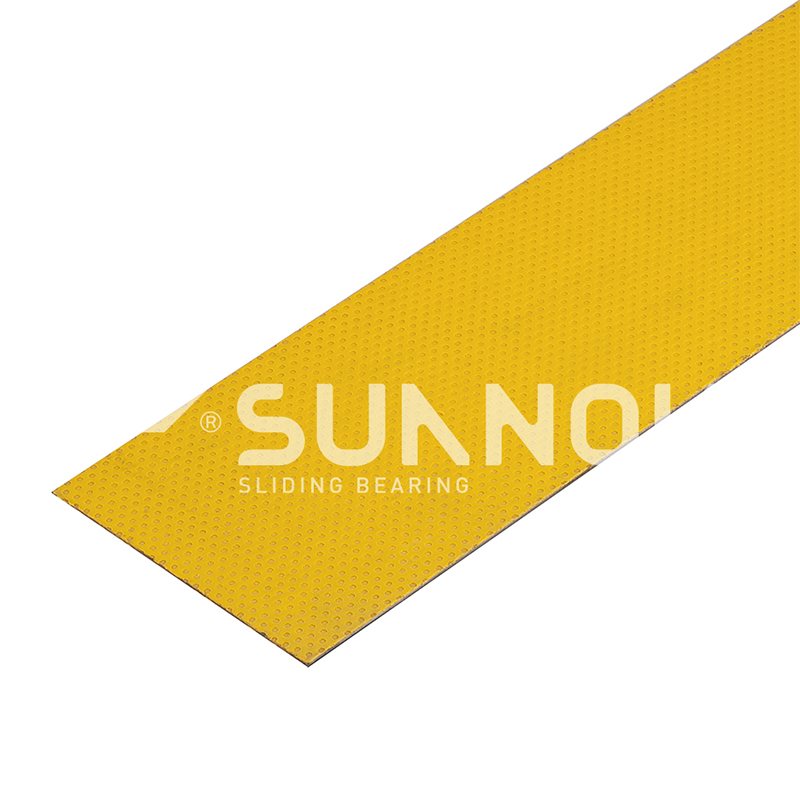 SF-2 Boundary Lubricating Bearing SF-2SP Standard Metric Size Self Lubricating Wear Strip With PTFE
 -
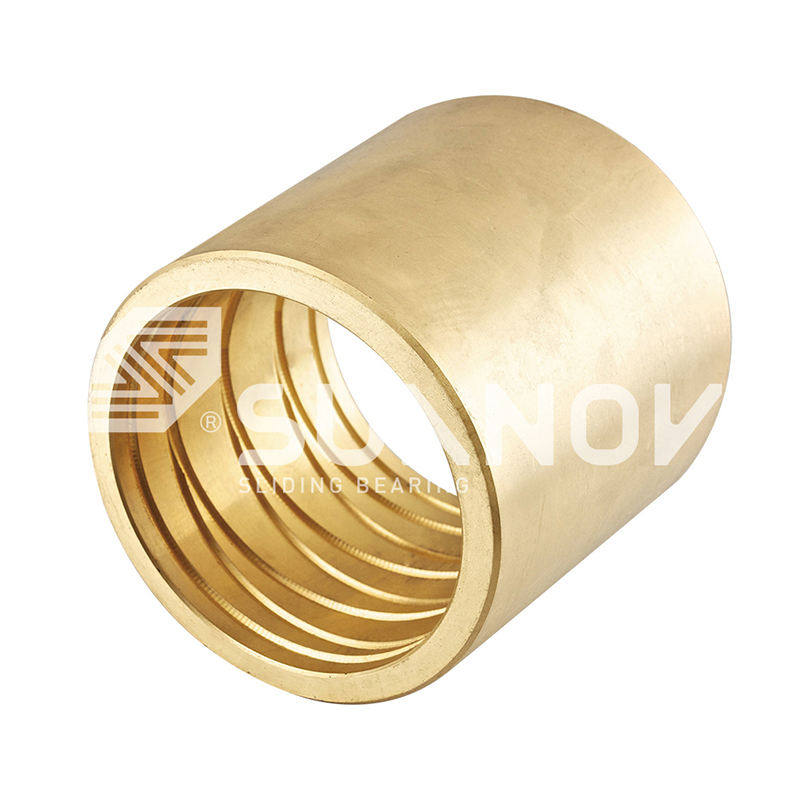 JDB-600 Casting Bronze Bearing JDB-600 Bronze Bushing with Internal Spiral Oil Grooves, Tin Bronze Oil Groove Bushing
 -
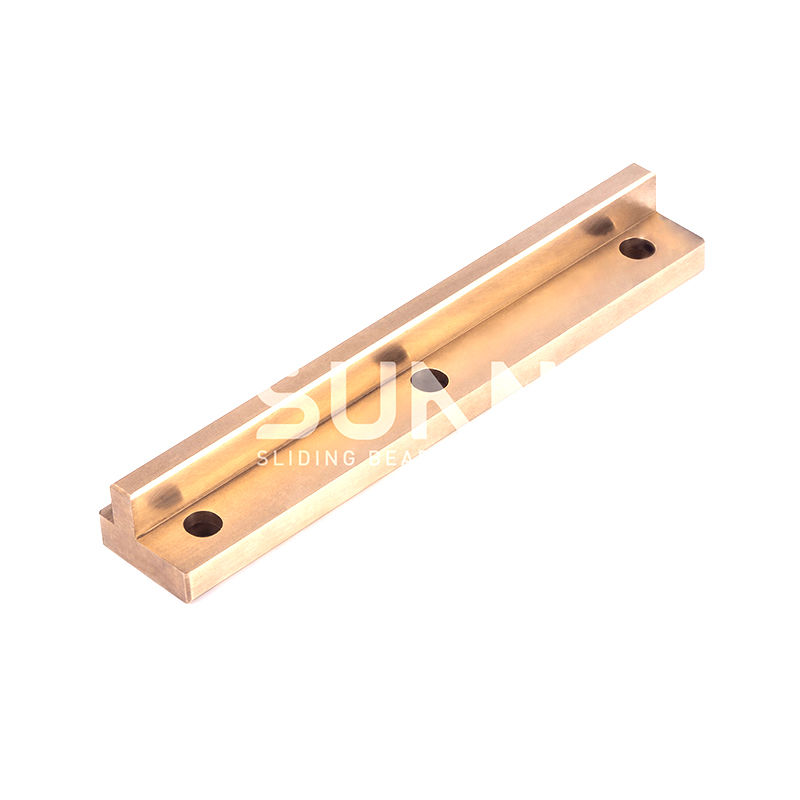 JDB Solid-lubricating Bearing T-Slot Guide Self-lubricating Bronze Slide Plate, JSOL Embedded Bronze Oilless Wear Plate
Bronze Bushing Problems and Solutions: Wear, Seizure, Corrosion, Installation Fixes
Industry News-Content
A bronze guide bushing on an injection molding die failed after eleven weeks in service. The maintenance crew found deep axial scoring marks, a curled edge on the loaded zone, and metallic particles trapped in the grease fitting. The replacement part was cheap; the production stoppage, the rework, and the technician hours cost nearly five times the price of the bushing. Bronze bushing failures are rarely random. They follow identifiable patterns, and each pattern has a practical fix.
Bronze bushings fail in five repeating patterns: abrasive wear, seizure and galling, fatigue cracking, corrosion, and installation or tolerance errors. Match the visible symptoms to the root cause, and you can usually resolve the problem at the next scheduled maintenance window instead of waiting for an emergency shutdown.
The Five Most Common Bronze Bushing Failure Modes
Bronze bushing failures fall into five categories, and contamination-driven abrasive wear accounts for the largest share of premature failures in industrial equipment.
A bronze bushing is a cylindrical sliding bearing pressed into a housing to support a rotating or reciprocating shaft. In self-lubricating versions, solid lubricant plugs, typically graphite or a proprietary compound, are embedded in the bearing wall and transfer a film onto the shaft surface during operation.
| Failure mode | Early symptom | Root cause | Fastest solution |
| Abrasive wear | Scored shaft, rough bore, metal particles in oil | Contamination, soft shaft, poor sealing | Seal the cavity, harden shaft to HRC 45 to 55 |
| Seizure or galling | Squealing, sticking, welded patches | Lubrication film collapse, PV overload, tight clearance | Use a solid-lubricant-embedded material, open clearance |
| Fatigue cracking | Fine cracks or flakes on the loaded zone | Cyclic overload, edge loading, thin wall | Reinforce backing, increase wall thickness, align edges |
| Corrosion | Green or black deposits, pitting, loose fit | Moisture, coolants, aggressive chemicals | Select a resistant alloy, seal the housing |
| Tolerance or installation errors | Hot running, binding, shaft vibration | Excessive press-fit, damaged bore, misalignment | Apply H7-h6 fits, ream with calibrated tools, align |
Rule of thumb: when a bronze bushing fails early, suspect contamination, lubrication breakdown, or an installation fault before blaming the material.
Abrasive Wear: Contamination Is the Real Culprit
Abrasive wear is the leading cause of premature bronze bushing failure, and the wear mechanism comes from the shaft and the environment, not from the bushing material itself.
Hard particles in the 5 to 50 micrometer range, typical of airborne grit, welding spatter, and machining chips, enter the bearing clearance and embed in the softer bronze. The embedded grains then cut the shaft surface, and the damaged shaft acts as a file against the bushing. A soft shaft below HRC 40 accelerates the cycle because it sheds its own debris into the clearance.
- Seal the bearing cavity with rubber lip seals or a felt wiper when the environment is dirty.
- Raise shaft surface hardness to HRC 45 to 55 with a ground finish of Ra 0.4 to 0.8 micrometers.
- Use a positive-pressure oil or grease feed to flush particles out before they embed.
- In wet or slurry environments, install a sealed bronze bushing design.
For dusty foundries, crushers, and construction machinery, the FB090 bronze wrapped bearing combines a strong bronze shell with a graphite lubricating layer, maintaining a stable transfer film even when conventional grease is washed away.
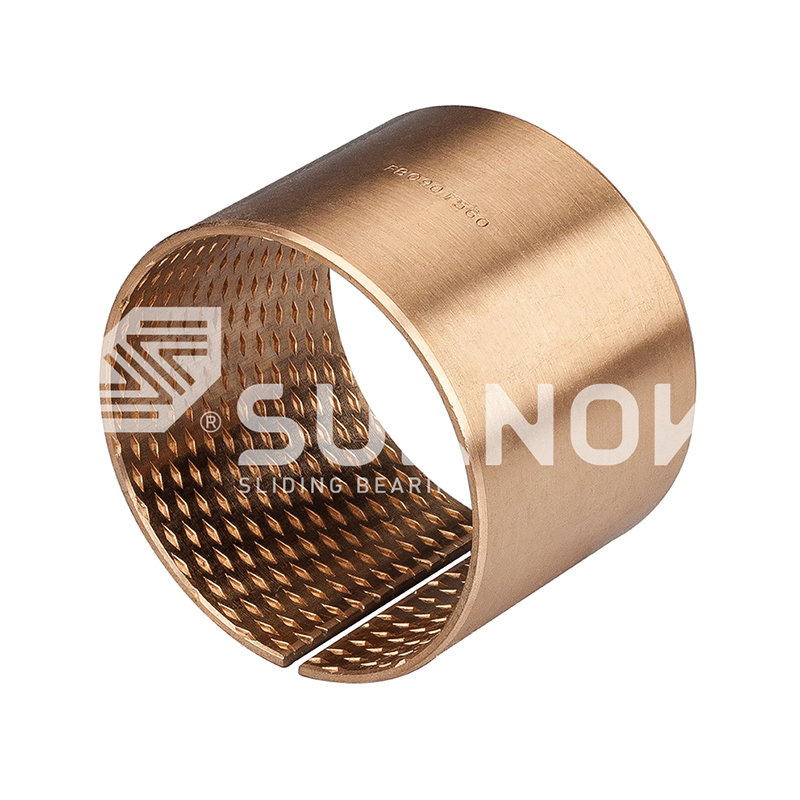 Wholesale FB090 Bronze Wrapped Bearing | Self-Lubricating Bushing & Sleeve SupplZhejiang Shuangnuo Bearing Technology Co., Ltd. Is China FB090 Bronze Wrapped Bearing | Self-Lubricating Bushing & Sleeve Suppliers, Comp...View Product →
38%of early bushing failures trace to abrasive wear
HRC 45minimum shaft hardness for dirty environments
5 to 50micron particle range triggers three-body abrasion
The practical conclusion: upgrading shaft hardness and sealing the bearing pocket usually extends bushing life by a factor of two to three, with no change in bushing material.
Seizure and Galling: When the Lubrication Film Collapses
Seizure occurs when the lubricating film between the shaft and the bushing breaks down under high local pressure or high sliding velocity, allowing direct metal-to-metal contact.
The first sign is usually a high-pitched squeal, followed by the shaft sticking and releasing in a jerky motion. Within minutes, local temperature rises, micro-welds form and tear loose, and the bushing surface becomes a network of torn metal. The usual trigger is a PV load beyond the material limit. PV equals the specific pressure in N/mm² multiplied by the sliding velocity in m/s.
Plain bronze bushings that depend on external oil or grease have a practical continuous PV limit near 0.5 N/mm² m/s once the oil film is lost. An embedded graphite bronze bushing operates dry at roughly 2.5 N/mm² m/s continuous because the plugs release a lubricating transfer film constantly. The JDB650 solid lubricating brass bushing from Zhejiang Shuangnuo Bearing Technology Co., Ltd. is a typical selection in this category.
 Wholesale JDB650 Self-Lubricating Brass Bushing Oilless Bearings Suppliers, CompZhejiang Shuangnuo Bearing Technology Co., Ltd. Is China JDB650 Self-Lubricating Brass Bushing Oilless Bearings Suppliers, Company, We Wh...View Product →
| Condition | Plain bronze, oil-fed | Bronze with solid lubricant plugs |
| Continuous PV capability | Limited by oil supply; about 0.5 N/mm² m/s when the film is lost | Up to about 2.5 N/mm² m/s dry |
| Start-up friction | High until the oil film forms | Low transfer film forms immediately |
| Oil supply requirement | Continuous, with failure risk if the pump or feed is lost | None |
| Operating temperature | Limited by oil oxidation, typically below 120°C | Up to about 300°C with graphite plugs |
Check the actual load and speed against the PV limits for self-lubrication bearings before selecting a material, and increase the clearance by 0.02 to 0.05 mm when marginal lubrication is unavoidable.
The practical conclusion: if a continuous oil supply cannot be guaranteed, moving to a solid-lubricant-embedded bronze bushing removes the single largest cause of seizure.
Fatigue, Corrosion, and Tolerance Errors
Beyond wear and seizure, three quieter failure paths account for the rest of bronze bushing problems: fatigue cracking, corrosion, and installation or tolerance errors.
Fatigue Cracking
Repeated cyclic loads above the endurance limit of the alloy nucleate subsurface cracks, which grow and break out as flakes. Edge loading from a tilted shaft and an overly thin bearing wall accelerate the process.
At heavily loaded articulation points, a solid cast bronze bushing with a thicker wall distributes the load over a larger area. The JDB600 casting bronze bearing is used in presses, excavator linkages, and steel mill equipment where fatigue resistance matters more than low friction.
 Wholesale JDB-600 Cast Self-Lubricating Bronze Guide Bushing Bearing Suppliers, Zhejiang Shuangnuo Bearing Technology Co., Ltd. Is China JDB-600 Cast Self-Lubricating Bronze Guide Bushing Bearing Suppliers, Company, W...View Product →
Corrosion
Coolants, acidic condensate, seawater spray, and even stagnant humidity attack copper alloys. Brasses are particularly prone to dezincification, leaving a porous copper sponge behind. Tin bronzes resist dilute acids better, while aluminum bronzes are the recommended choice for seawater and chloride exposure.
Tolerance and Installation Errors
An excessive press-fit shrinks the bushing bore after installation, reducing the controlled clearance to zero. Reaming with an undersized or worn tool leaves a torn surface that destroys the bearing. Angular misalignment of the housing bores concentrates load on one edge and produces a localized wear pattern.
| Shaft diameter | Recommended diametral clearance |
| 6 to 10 mm | 0.02 to 0.04 mm |
| 10 to 50 mm | 0.04 to 0.09 mm |
| 50 to 120 mm | 0.09 to 0.15 mm |
| 120 to 250 mm | 0.15 to 0.25 mm |
The complete press-fit procedure, from bore preparation to final reaming, is covered in our oilless bronze bushing tolerance and installation guide.
The practical conclusion: measure the clearance after pressing, not only before. A clearance that looks correct on the drawing can disappear when the bushing is pressed into an undersized housing.
Diagnose the Root Cause with a Ten-Minute Inspection
You can identify the root cause of a bronze bushing failure in under ten minutes by examining the worn surface, the shaft condition, and the clearance reading.
The horizontal bar chart below shows the typical distribution of root causes seen in field maintenance records for industrial bronze bushings.
- Measure the worn bore and compare it with the original: a uniform oversize points to abrasive wear or corrosion, while a localized enlargement points to misalignment.
- Inspect the shaft: a scored surface means contamination, a blue-tinted polished surface means overheating, and an untouched finish with a worn bushing indicates a housing or alignment fault.
- Check the bushing back: fretting marks on the outside diameter mean the housing bore flexes or the press-fit is too light.
- Examine any oil residue: a burnt odor indicates film collapse, and a green-blue tint indicates corrosion activity.
Recurring failures with the same symptom after replacement are a strong signal that the lubrication strategy must change rather than the material grade. Our maintenance tips for long service life of self-lubricating bronze bushings cover the inspection intervals and procedures we recommend after a first failure event.
The smartest fix for recurring failures is to change the lubrication system, not only the bushing. Moving from an externally lubricated plain bronze bushing to a self-lubricating version removes the most common driver of field failures.
Frequently Asked Questions
How can I tell whether my bronze bushing failed from wear or from overload?
A uniformly enlarged bore with fine axial scratches indicates abrasive wear; localized tearing, flaking, or an elliptical bore indicates overload or misalignment. Fine metallic powder in the grease is typical of normal wear, while larger torn particles traveling with a burnt oil smell point to seizure.
What clearance should a bronze bushing have?
For general industrial application, use roughly 0.01 percent of the shaft diameter for smaller shafts, rising toward 0.10 percent for shafts above 120 mm. The exact value depends on material, load, speed, and temperature; Table 3 provides the typical starting range for bronze bushings.
Can a self-lubricating bronze bushing replace a grease-lubricated one in the same housing?
Yes in most cases. The housing bore and shaft finish requirements are nearly identical, and the self-lubricating version removes the need for grease lines, fittings, and periodic relubrication. Verify the PV rating of the replacement against the actual load and speed before installing it.
How often should bronze bushings be inspected?
For continuous industrial operation, inspect at every scheduled oil change or every 2,000 to 4,000 operating hours, whichever comes first. In contaminated or high-temperature environments, cut that interval in half.
If a bronze bushing fails twice with the same symptoms, document the wear pattern, the clearance measurement, and the shaft condition before redesigning the assembly. Those three data points point to the correct material and lubrication solution faster than any datasheet.
Recommended NEWS:
Bronze Wrapped Bushings for Heavy Machinery: Durable Solutions for Demanding Applications
Predicting Service Life and Wear Resistance of Oilless Bronze Bushing Under Extreme Operating Conditions
Understanding Self‑Lubricating Bronze Bushings: A Comprehensive Guide
A Detailed Explanation of the Friction and Wear Resistance of Self-Lubricating Bronze Bearings
The Power of Bronze: Enhancing Durability and Reliability with Solid Bronze Bushings
Bronze Bushing Bearing FB090: Key Features & Benefits for Industrial Applications
Recommended LINS:
Contact Us //
Have Questions? Get in Touch!

Zhejiang Shuangnuo Bearing Technology Co., Ltd. specializes in the production of various self-lubricating copper alloy bushing bearings products
Quick Links
Related Products
Contact
- Add: No. 69, Tingyao East Road, Ganyao Town Industrial Zone, Jiashan County, Zhejiang Province, China
- Tel: +86-15957371801
- Fax: +86-0573-84038630
- Email: [email protected]
[email protected]
© 2024 Zhejiang Shuangnuo Bearing Technology Co., Ltd.
Custom Self-Lubricating Copper Alloy Bearings
