


 русский
 Español
-
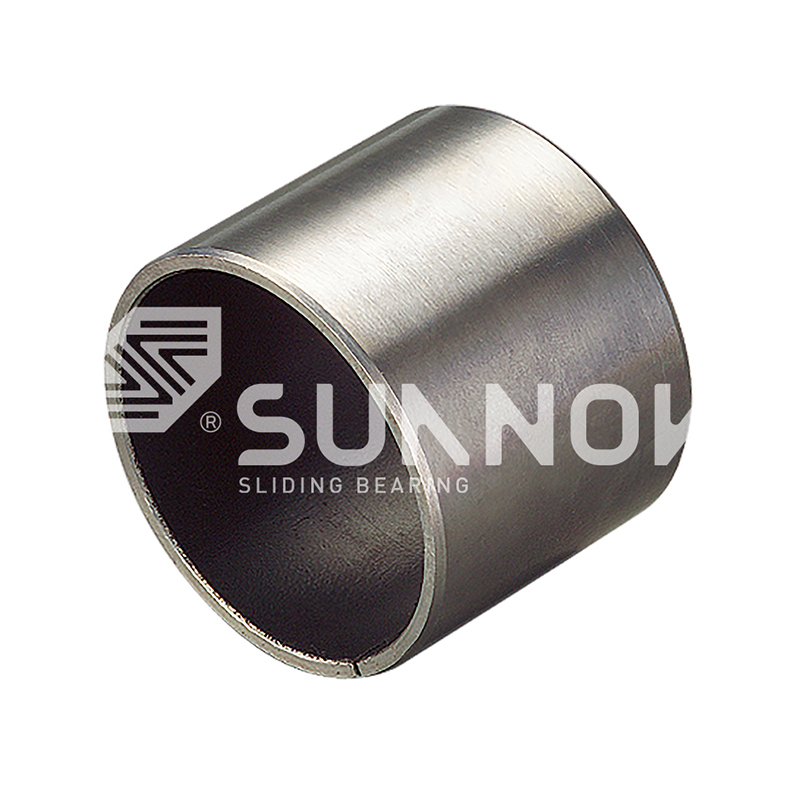 SF-1 Oilless Bearing Self Lubricating SF-1T Metal Gear Pump Bearing Bronze Bushings
 -
-
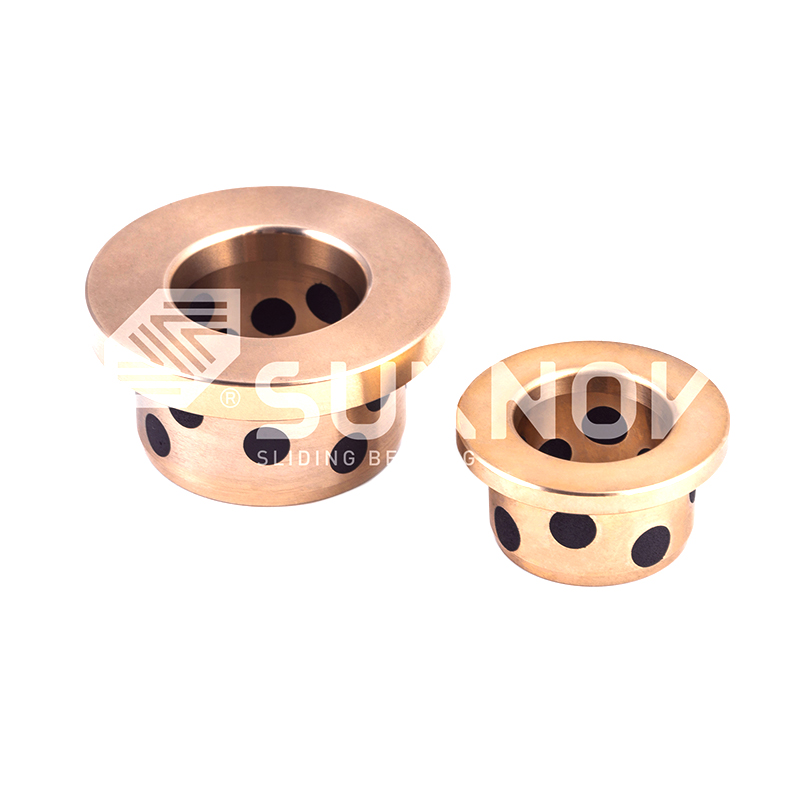 JDB Solid-lubricating Bearing Flanged Graphite Plugged Bronze Bushing, Self Lubricating Oilless Bronze Sleeve Bearing GB71 NAAMS
 -
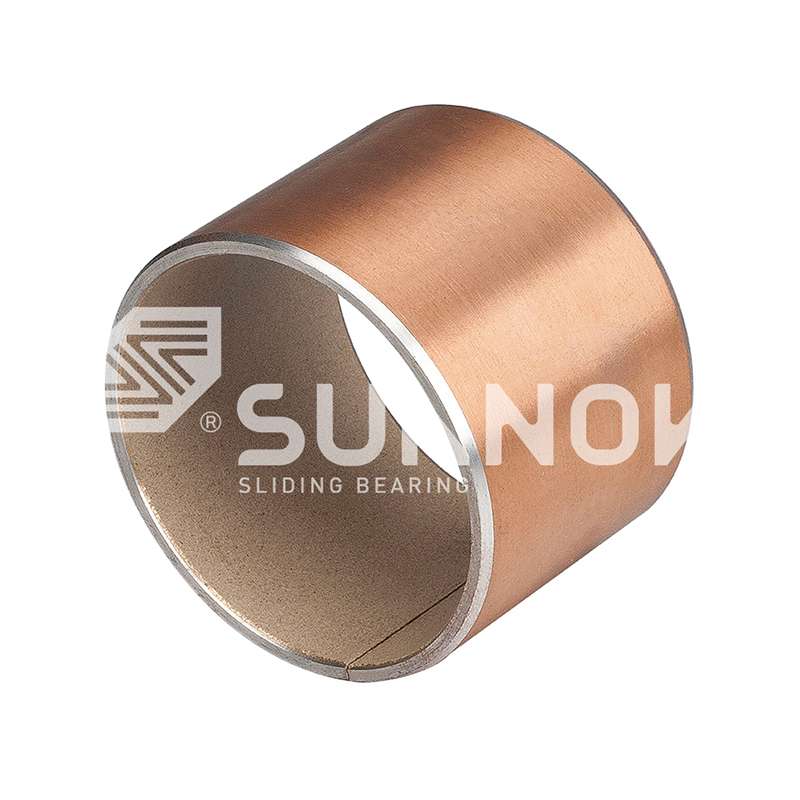 SF-1 Oilless Bearing SF-1P Reciprocating Motion Bronze Self-Lubricating Composite Bearing Bushing
 -
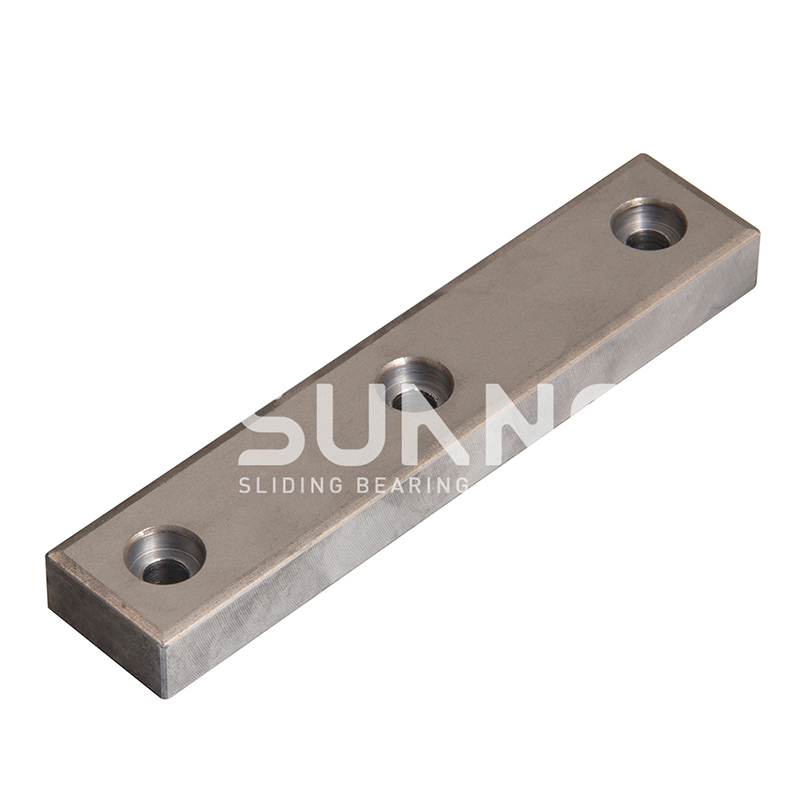 Oil-retaining Bimetallic Bearing Self-Lubricating 200# P20 Steel Graphite Insert Wear Plate / Steel Oilless Wear Strip
 -
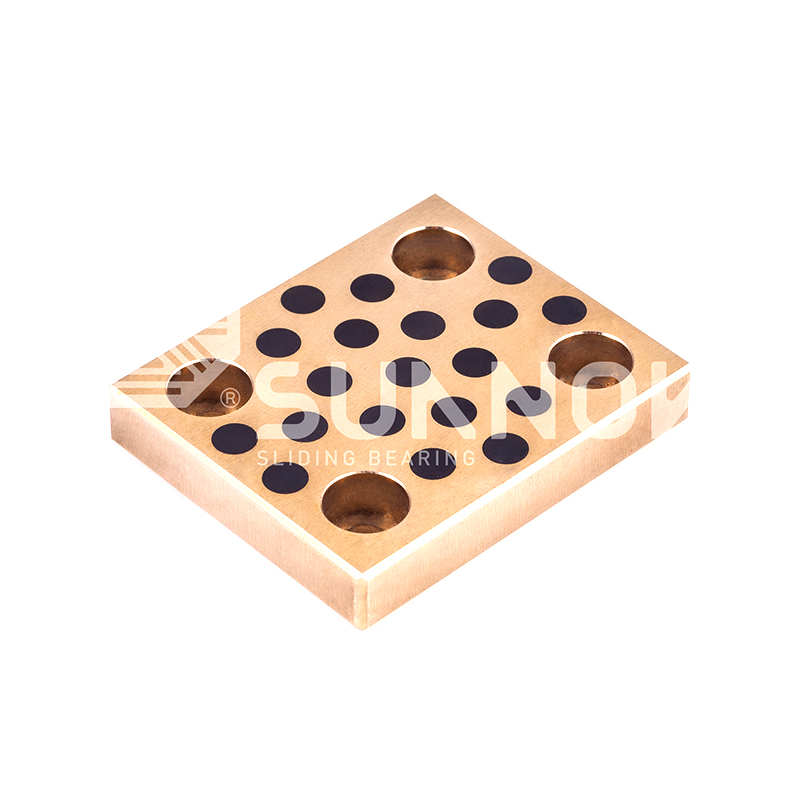 JDB Solid-lubricating Bearing Flangeless Graphite Bronze Wear Block, Square Self Lubricating Bronze Guide Plate JESW
 -
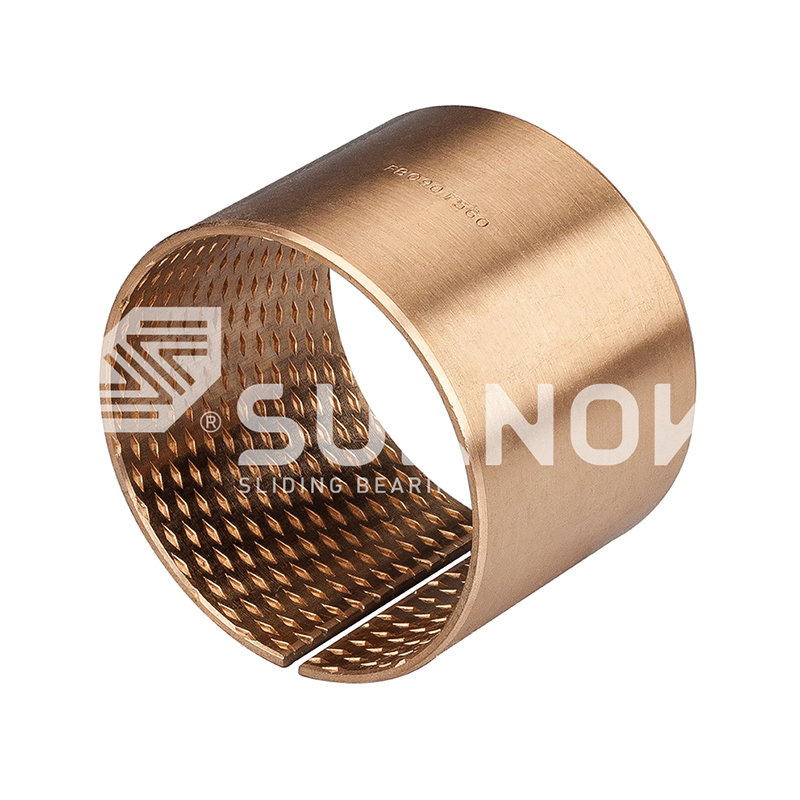 FB090 Bronze Wrapped Bearing FB090 Bronze Wrapped Bearing | Self-Lubricating Bushing & Sleeve
 -
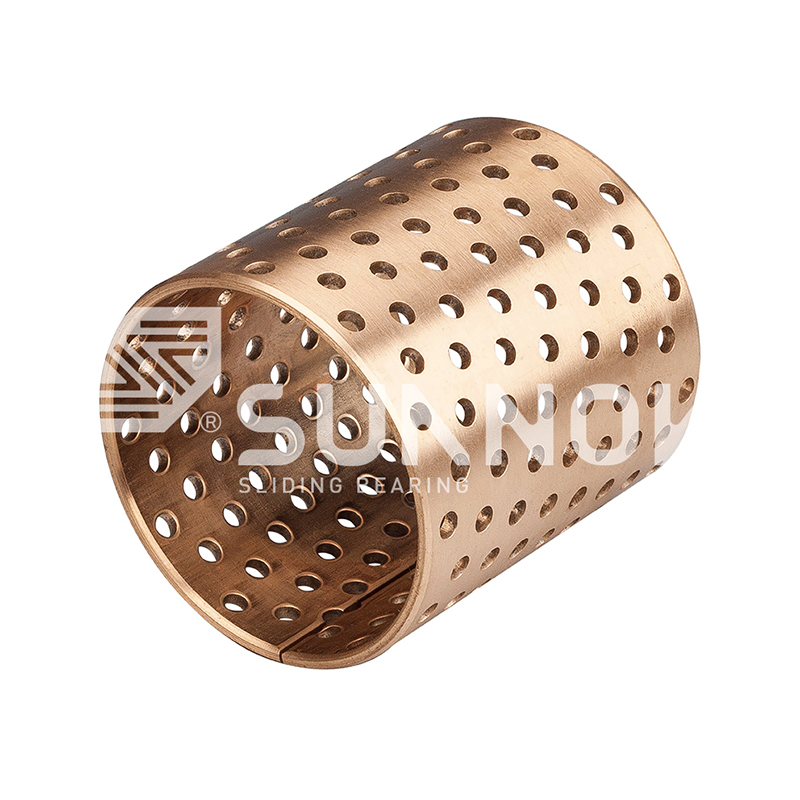 FB090 Bronze Wrapped Bearing FB092 Bronze Wrapped Bearing - Oilless Dry Sliding Bushing Self-Lubricating Bushing
How to Test Self-Lubricating Bronze Bushing Quality: Material, Tolerance & Wear Checks
Industry News-Content
- 1 Material Composition and Microstructure: Start With the Bronze Itself
- 2 Hardness and Bonding Integrity: Check the Load Path
- 3 Dimensional Accuracy and Tolerance Control
- 4 Inspect Solid-Lubricant Content and Distribution
- 5 Functional Wear and PV Testing: Proof That Counts
- 6 Review the Supplier's Testing Evidence
An engineering manager recently returned a batch of self-lubricating bronze bushings because the inside diameter drifted by 0.05 mm after the first 200 operating hours. The bushings passed the dimensional check, and the surface looked clean. But the graphite plugs were too shallow, and the bronze matrix was softer than the certified grade. The lesson is simple: a self-lubricating bronze bushing can look correct and still fail if the material, lubricant, and manufacturing process are not verified.
This guide explains how to test self-lubricating bronze bushing quality before a bad batch reaches your assembly line. Use it as a checklist for incoming inspection, for supplier qualification, or for comparing quotes from different bearing manufacturers.
Material Composition and Microstructure: Start With the Bronze Itself
Quality testing should start with the alloy, not the coating or the final polish. Self-lubricating bronze bushings are made from families such as tin bronze, leaded tin bronze, aluminum bronze, and brass-based materials with embedded solid lubricants. Each grade has specified percentages of copper, tin, zinc, lead, aluminum, iron, nickel, and other elements. A material certificate from the mill is useful, but you need confirmation from the actual batch. The most reliable method is optical emission spectrometry or another elemental analysis technique. At our foundry, we test the melt at the furnace before casting, during casting, and again on the finished parts; no heat is released until the composition matches the selected grade.
What the Composition Report Should Show
The report should list the alloy designation, the measured weight percentages, and the acceptable range for each element. Pay attention to lead, which affects machinability and embeddability, and to tin, which drives hardness and corrosion resistance. If the copper content is below the specified range, the matrix will lose strength. If the impurity levels are high, the bushing may machine poorly or produce higher friction. Because acceptable ranges vary by application, it is worth reviewing the selection considerations in choosing self-lubricating copper alloy bearings for industrial equipment.
Look at the Microstructure
Composition alone does not guarantee sound metal. A quality self-lubricating bronze bushing needs a controlled microstructure: fine grains, evenly distributed phases, minimal porosity, and no shrinkage cracks in cast blanks. A metallographic sample viewed at 50x or 100x magnification can reveal these defects. Pitting on the finished surface after machining often indicates gas porosity or dross. These defects shorten bushing life and can damage the mating shaft. If you are specifying a cast bronze type, the JDB600 casting bronze bearing range is a practical reference because every product entry is based on the same casting discipline used for the material grades and configurations.
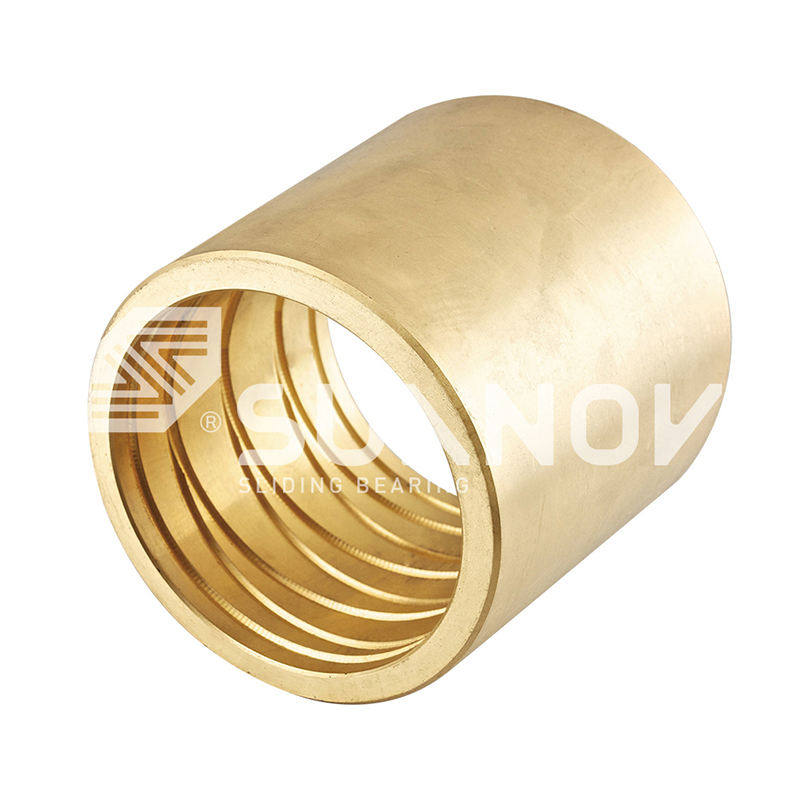 Wholesale JDB-600 Cast Self-Lubricating Bronze Guide Bushing Bearing Suppliers, Zhejiang Shuangnuo Bearing Technology Co., Ltd. Is China JDB-600 Cast Self-Lubricating Bronze Guide Bushing Bearing Suppliers, Company, W...View Product →
Hardness and Bonding Integrity: Check the Load Path
Hardness controls how the bushing resists wear, edge loading, and minor contamination. The test method depends on wall thickness. Brinell hardness is common for thick cast bronze bushings. Rockwell or Vickers tests are better for thin bimetallic layers and wrapped bushings. A stable hardness range across a batch is a good sign; wide variation indicates inconsistent casting, cooling, or heat treatment.
Hardness should also be matched to the application. A bushing that is too hard may act as an abrasive against the shaft; one that is too soft will wear quickly when abrasive particles enter the interface. It is worth agreeing on a hardness range in the purchase specification before production starts.
Bond Integrity for Bimetallic and Wrapped Bushings
Self-lubricating bronze bushings are not always solid bronze. Many are bimetallic products with a steel backing and a sintered bronze layer, or bronze wrapped structures with a seam. In these designs, the bond between the bronze and the backing must survive shear stress. A destructive peel or press test on a production sample can detect separation. Ultrasonic testing provides a non-destructive option for larger lots. For wrapped bushings, inspect the seam for gaps and check the inner surface for cracking after forming. A separation or crack changes the load path and quickly leads to bushing failure.
Dimensional Accuracy and Tolerance Control
Dimensional quality is the easiest to test and the most frequently mishandled. Catalog numbers are not enough. Measure the inside diameter, outside diameter, wall thickness, length, flange thickness, flange concentricity, and squareness. Use a micrometer, bore gauge, or coordinate measuring machine. For high-volume receiving inspection, go/no-go gauges are acceptable, but they do not show taper or ovality. The table below lists the acceptance checks we recommend treating as minimum quality evidence.
| Check | Common Method | What It Confirms |
|---|---|---|
| Chemical composition | Optical emission spectrometry or ICP | Alloy grade meets specified copper, tin, lead, and zinc ranges |
| Hardness | Brinell, Rockwell, or Vickers | Consistent strength and wear resistance |
| Lubricant area ratio | Microscopic image analysis | Graphite or solid-lubricant coverage is within specification |
| Bond integrity | Ultrasonic or destructive peel test | No separation between steel backing and bronze layer |
| Bushing dimensions | Micrometer, bore gauge, CMM | Inside diameter, outside diameter, and concentricity are within tolerance |
| Wear performance | Pin-on-disc or bushing test rig under PV | Friction and wear rate match the application |
Tolerances must be chosen for the real operating condition. A press-fit bushing for a hydraulic pump is not the same as a slip-fit guide bushing in a mold. The right clearance depends on shaft speed, load, temperature, and material expansion. For a practical overview, the metric bronze bearing tolerance selection guide explains how to align clearance with the application.
Inspect Solid-Lubricant Content and Distribution
The self-lubricating feature is the core of this product family. Quality depends on the type of solid lubricant, the percentage of the surface covered, and the depth of the lubricant pockets. Graphite plugs are the most common, but molybdenum disulfide and other additives are also used in some designs.
Check the plug pattern visually and under low magnification. Plugs should be evenly spaced, free from cracks, and flush or slightly recessed within the specified range. A plug that is too shallow wears away early, leaving a plain bronze surface. A plug that is too deep reduces the load-bearing area and may crack under pressure. Loose plugs or smeared graphite are common signs of poor processing. A product like the JDB650 solid-lubricating bearing uses a defined plug pattern in a brass matrix; this makes visual and dimensional checks straightforward, but the same inspection discipline applies to any JDB or SF series bushing.
 Wholesale JDB650 Self-Lubricating Brass Bushing Oilless Bearings Suppliers, CompZhejiang Shuangnuo Bearing Technology Co., Ltd. Is China JDB650 Self-Lubricating Brass Bushing Oilless Bearings Suppliers, Company, We Wh...View Product →
Functional Wear and PV Testing: Proof That Counts
Test data is the most convincing evidence of self-lubricating bronze bushing quality. A typical test runs a bushing against a hardened shaft at a fixed pressure and sliding speed, then measures wear depth, friction, temperature, and operating noise. The test should represent the real application. The PV limit, the product of pressure in megapascals and surface velocity in meters per second, is a useful rating, but it is not a guarantee. A bushing can pass at low PV and fail at higher PV if the interface temperature rises too fast.
Watch the temperature curve. If temperature climbs above the manufacturer's recommendation, the transfer film may be breaking down. The result will be higher friction, faster wear, and shaft scoring. For thin-wall, maintenance-free designs such as the SF-1 oilless bearing, this kind of testing also validates the shaft finish requirement. Always request wear data that matches your operating window.
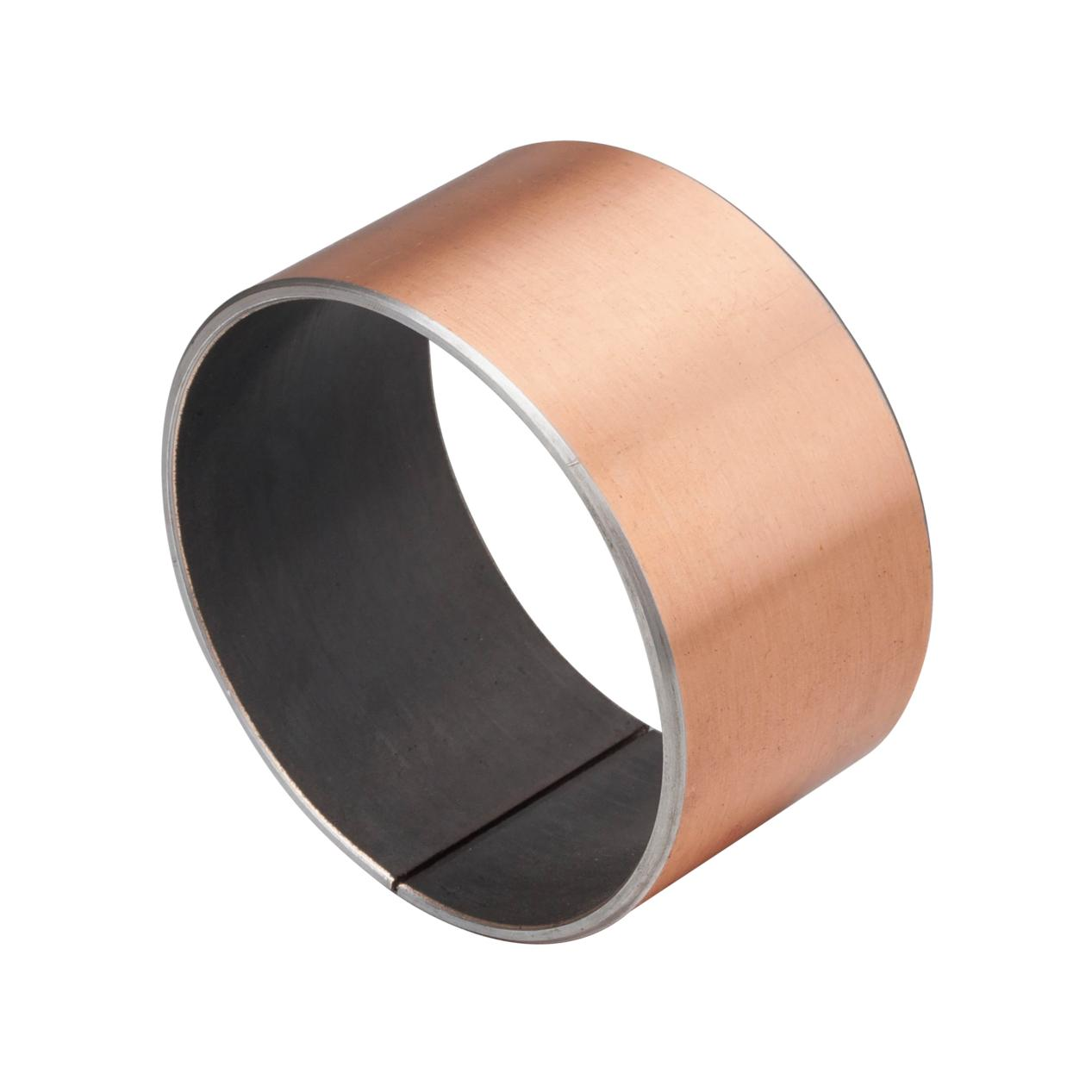 Wholesale Maintenance-Free SF-1 Self-Lubricating Bearing for Heavy Duty ApplicatZhejiang Shuangnuo Bearing Technology Co., Ltd. Is China Maintenance-Free SF-1 Self-Lubricating Bearing for Heavy Duty Applications - Low...View Product →
Review the Supplier's Testing Evidence
The supplier is part of the quality system. A reliable source should be able to explain what they test and when. At our factory, we use spectrometers for composition control, check dimensions on machined parts, inspect the graphite plug pattern, and arrange third-party testing for material composition and mechanical properties. We can provide the test reports to customers who require traceability.
Before approving a supplier, ask for:
- A material certificate or spectroscopy report for each lot.
- A hardness test record.
- Dimensional inspection data for representative parts.
- A description of how lubricant area ratio and plug depth are controlled.
- Third-party test reports for critical applications.
It is also useful to review common self-lubricating bronze bushing purchasing misconceptions before finalizing the order.
A self-lubricating bronze bushing is a small component, but it determines the running cost and uptime of the machine. Test the wrong parameters and you catch only cosmetic defects. Test composition, hardness, bonding, tolerance, lubricant distribution, and wear behavior, and you will have the practical evidence needed to trust the part.
Recommended NEWS:
How to Optimize the Performance of Solid-Lubricating Bronze Bearings
Self-Lubricating Bronze Bushings: Benefits, Cost Savings, and Selection Guide
Self-Lubricating Copper Alloy Bearings: The Future of Solid-Lubricating Bearings and JDB-600 Casting Bronze Bearings
Self-Lubricating Copper Alloy Bearings: A Comparative Analysis with JDB-600 Casting Bronze and Oil-Retaining Bimetallic Bearings
How Self-Lubricating Copper Alloy Bearings Improve Performance and Durability
How to improve mechanical efficiency? What is the role of oil retained bimetal bearings in high load applications?
Recommended LINS:
Contact Us //
Have Questions? Get in Touch!

Zhejiang Shuangnuo Bearing Technology Co., Ltd. specializes in the production of various self-lubricating copper alloy bushing bearings products
Quick Links
Related Products
Contact
- Add: No. 69, Tingyao East Road, Ganyao Town Industrial Zone, Jiashan County, Zhejiang Province, China
- Tel: +86-15957371801
- Fax: +86-0573-84038630
- Email: [email protected]
[email protected]
© 2024 Zhejiang Shuangnuo Bearing Technology Co., Ltd.
Custom Self-Lubricating Copper Alloy Bearings
